Sleeve vs Pressure-Sensitive Automated Packaging Machinery Maintenance
Compare maintenance schedules for pressure-sensitive and sleeve automated packaging machinery. Includes intervals, costs, and failure modes.
Core Mechanical Divergence in Label Applicators
The maintenance footprint of automated packaging machinery diverges sharply based on the labeling technology deployed. Pressure-sensitive (PS) labelers and shrink sleeve applicators solve the same end-goal—product identification and branding—but rely on fundamentally different mechanical architectures. PS systems utilize web tensioning, peel plates, and tamp/blow actuators, making them highly susceptible to adhesive migration and static buildup. Conversely, sleeve systems depend on precision film mandrels, high-speed rotary cutters, and thermal shrink tunnels, introducing wear patterns centered around blade degradation and mineral scaling.
Quick Diagnostic Rule: If your automated packaging machinery experiences sudden web snapping or registration drift, inspect the PS peel plate and servo tensioner. If you see uneven shrinkage or jagged film edges on a sleeve line, immediately check the carbide cutter assembly and steam tunnel nozzles.Pressure-Sensitive (PS) Labeler Maintenance Protocols
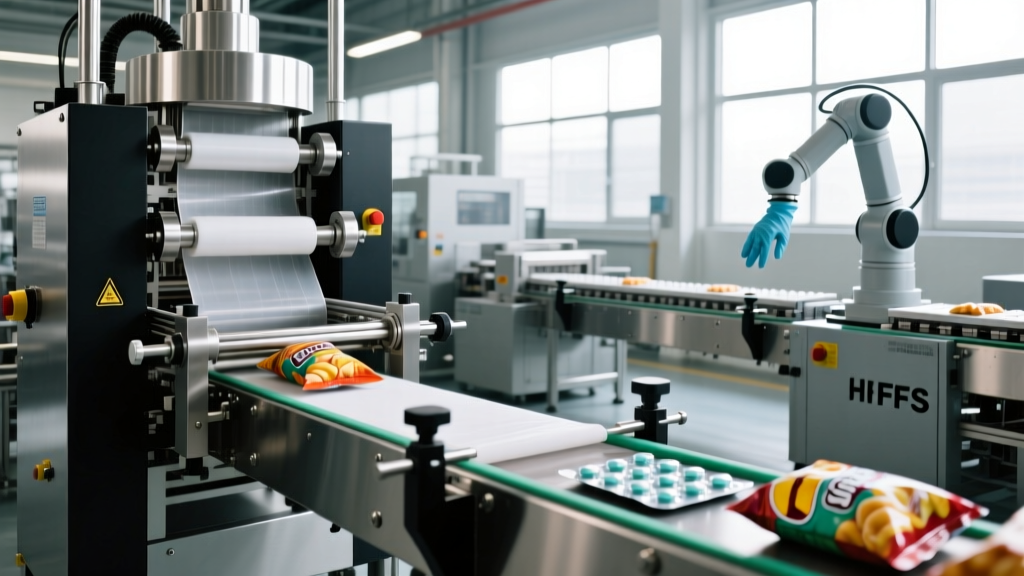
Maintaining PS labelers, such as the Herma 500 series or Axon 500 applicators, requires rigorous management of the web path and adhesive contact points. The most pervasive failure mode in PS automated packaging machinery is adhesive ooze—where pressure and ambient heat cause the acrylic or hot-melt adhesive to extrude past the liner edge, accumulating on the peel plate and platen roller.
Daily and Weekly Interventions
- Peel Plate Decontamination: Wipe the stainless-steel peel plate (typically set at a 12 to 15-degree bevel) with 99% isopropyl alcohol or a specialized citrus-based solvent like Chemsol. Never use abrasive pads, as micro-scratches on the peel edge will cause the liner to catch and snap at high speeds.
- Platen Roller Inspection: Check the durometer of the rubber platen roller. Standard rollers operate at Shore A 70-80. If the roller feels tacky or shows visible flat spots from prolonged static pressure, replace it immediately to prevent label skew.
- Static Elimination: Verify that ionizing bars (e.g., Meech or Fraser models) are free of dust. A failing ionizer will cause PS labels to cling to the web backing instead of dispensing onto the product.
Annual Servo and Calibration Overhaul
Modern PS automated packaging machinery relies on closed-loop servo motors for web advancement. Annually, technicians must recalibrate the web tension load cells. A miscalibrated tensioner will either stretch the label stock (causing post-application shrinkage and edge lifting) or allow slack (resulting in registration errors). Budget approximately $450 to $800 per applicator head for annual OEM calibration and firmware updates.
Shrink Sleeve Applicator Maintenance Protocols
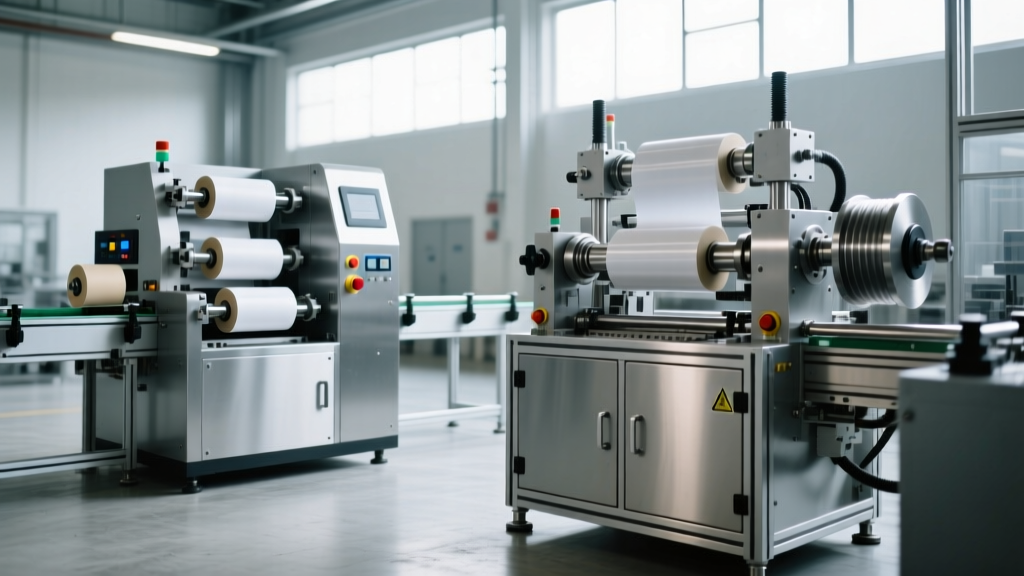
Sleeve labelers, such as the Krones Sleevematic or Axon sleeve applicators, eliminate adhesive handling but introduce high-speed mechanical cutting and thermal dynamics. The maintenance burden shifts from chemical cleaning to mechanical precision and thermodynamic efficiency.
Cutter Assembly and Mandrel Care
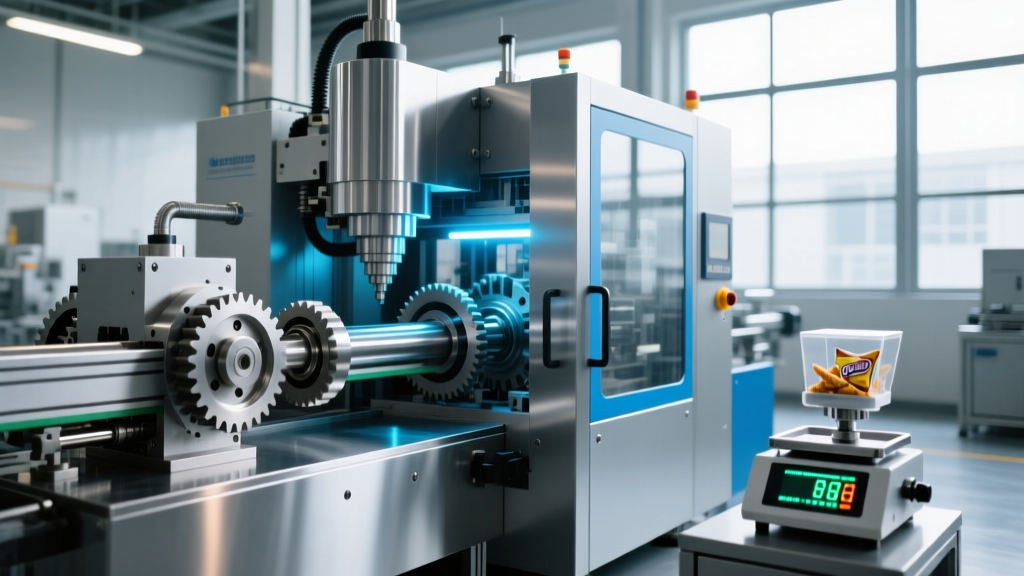
The rotary cutting head is the highest-wear component on a sleeve machine. Oscillating or rotary carbide blades slice the continuous tubular film at speeds exceeding 400 bottles per minute. Edge Case: If operators notice 'shredding' or micro-tears at the cut line, it is rarely a blade dulling issue; it is usually a misaligned mandrel causing the film to drag against the cutting chamber housing. Realigning the PTFE-coated mandrel requires laser-guided calibration tools to ensure concentricity within 0.05mm.
Steam Tunnel Descaling and Thermal Management
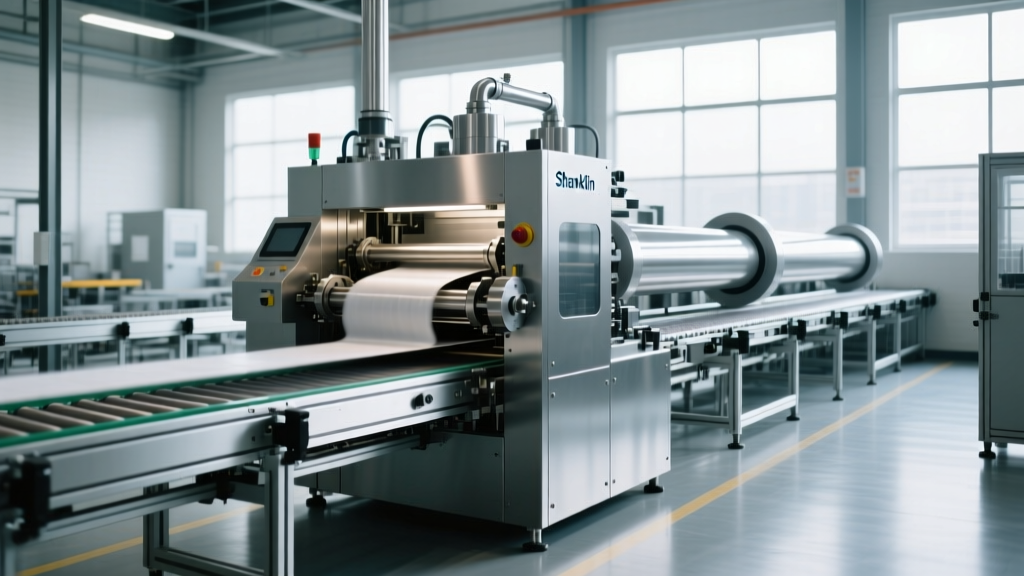
Unlike PS labelers, sleeve automated packaging machinery requires a downstream shrink tunnel. Steam tunnels operate at 3 to 5 bar of pressure and temperatures around 150°C. Over time, dissolved minerals in the facility's water supply calcify inside the stainless-steel distribution manifolds and nozzle jets.
- Quarterly Descaling: Flush the steam generator and manifolds with a food-grade descaling agent (e.g., a diluted citric or sulfamic acid solution). Failure to do so results in uneven steam distribution, causing 'smiling' or 'frowning' labels where the film shrinks asymmetrically.
- Electric Tunnel Alternatives: If your facility uses electric heat tunnels instead of steam, inspect the quartz or calrod heating elements quarterly for hot-spot degradation, and vacuum the intake filters weekly to prevent PET/PVC film dust from igniting.
Comparative Maintenance Matrix
| Component / Task | PS Labeler Interval | Sleeve Labeler Interval | Est. Part Cost (2026) |
|---|---|---|---|
| Peel Plate / Mandrel Cleaning | Daily (Shift end) | Weekly | $15 (Solvents) |
| Platen Roller / Carbide Blade | 6 Months | 500k cuts (~3 months) | $150 - $850 |
| Servo Tensioner / Cutter Motor | 12 Months | 12 Months | $1,200 - $2,500 |
| Steam Tunnel / Ionizer Bar | N/A (Ionizer: 6 mos) | Quarterly (Descaling) | $300 - $1,200 |
Predictive Maintenance and IoT Integration
As of 2026, relying solely on reactive or calendar-based maintenance for automated packaging machinery is a liability. Leading manufacturers are integrating IoT current-draw sensors directly onto labeler servo motors. By monitoring the amperage of the web-feed servo, maintenance software can detect a 10% to 15% spike in current draw, which reliably indicates bearing wear or web-path friction buildup weeks before a catastrophic snap occurs.
According to guidelines from the PMMI OpX Leadership Network, packaging lines that transition from preventative to predictive maintenance models see an average Overall Equipment Effectiveness (OEE) increase of 8% to 12%, primarily driven by the elimination of micro-stops caused by label misfeeds and web breaks.
For sleeve applicators, vibration analysis sensors mounted to the cutting head housing can detect the specific harmonic frequencies generated by a chipped carbide blade, prompting an automated work order before the film begins to shred and jam the downstream mandrel.
Safety and LOTO Protocols During Service
Maintenance on automated packaging machinery involves severe pinch points, high-voltage servo drives, and pressurized thermal systems. Technicians must strictly adhere to Lockout/Tagout (LOTO) procedures. The OSHA Control of Hazardous Energy standards mandate that all kinetic, electrical, and pneumatic energy sources be isolated and verified zero-energy before a technician reaches into a labeler web path or steam tunnel manifold. Specifically, steam tunnels must be allowed to depressurize and cool below 40°C before descaling, and PS applicator tamp cylinders must be mechanically blocked to prevent gravity-driven crushing injuries during platen roller replacement.
Sourcing OEM vs. Aftermarket Consumables
When replacing high-wear items like platen rollers or cutter blades, facility managers face a choice between OEM and aftermarket parts. For critical tolerance components like the Krones rotary cutter assembly, OEM parts are mandatory to maintain the 0.05mm concentricity required for clean film cuts. However, for standard Shore A 70 rubber platen rollers or basic ionizing bars, vetted aftermarket alternatives can reduce consumable costs by 30% to 40% without compromising the operational integrity of the automated packaging machinery.