Machine Tool Technology Pay: ROI Strategies for Equipment Auctions
Discover how advanced machine tool technology pays off during equipment auctions. Learn data-driven strategies to maximize resale ROI in 2026.
The Secondary Market Shift: Valuing Connected Iron
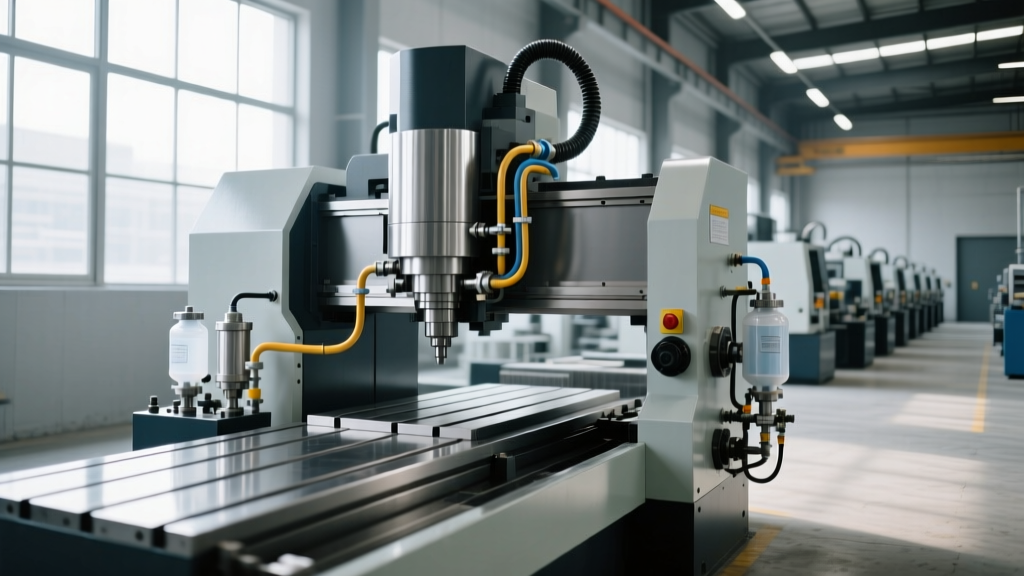
The secondary market for CNC equipment has fundamentally transformed. In 2026, auction buyers are no longer evaluating machinery based solely on cast iron mass, axis travel, and spindle taper condition. The modern liquidation landscape is driven by digital integration, edge computing capabilities, and verifiable machine history. Calculating the true machine tool technology pay requires auctioneers and shop owners to look beyond the base hardware and monetize the data architecture embedded within the equipment.
When a 5-axis machining center goes to auction, the financial premium commanded by connected, data-rich machinery—often referred to as 'smart iron'—can be substantial. Buyers utilizing platforms like Machinio or BidSpotter now filter listings for Industry 4.0 readiness, MTConnect compatibility, and digital twin synchronization capabilities. A machine equipped with active IoT telemetry and verified historical OEE (Overall Equipment Effectiveness) logs mitigates the inherent risk of buying used equipment, directly translating to higher hammer prices.
2026 Market Insight: According to recent secondary market analyses, 5-axis VMCs equipped with native MTConnect adapters and documented spindle run-hours command a 14% to 22% premium over identical mechanical models with wiped or legacy control systems.Quantifying the Tech Premium at Auction
To maximize your liquidation returns, you must explicitly package and present the technological assets of your machinery. The table below illustrates how specific technological integrations impact final auction valuations and the methods buyers use to verify these claims during pre-auction inspections.
| Technology Feature | Auction Premium Range | Buyer Verification Method |
|---|---|---|
| Native MTConnect / OPC-UA Integration | +8% to +12% | Live XML stream ping via Ethernet port |
| Verified Spindle & Axis Load Logs | +10% to +15% | Exported CSV from Fanuc FOCAS / Siemens MindSphere |
| Active Thermal Compensation Sensors | +5% to +9% | PMC ladder logic review and sensor calibration check |
| Automated Tool Breakage Detection (Renishaw/Blum) | +4% to +7% | Macro variable history and laser alignment test |
Creating a "Machine Health Passport" for Liquidation
The most effective strategy to secure the machine tool technology pay during an auction is the creation of a Machine Health Passport (MHP). This digital dossier shifts the burden of proof from the buyer to the seller, drastically reducing the 'fear of the unknown' discount that auctioneers typically apply to used CNCs.
Step 1: Extracting the Control Telemetry
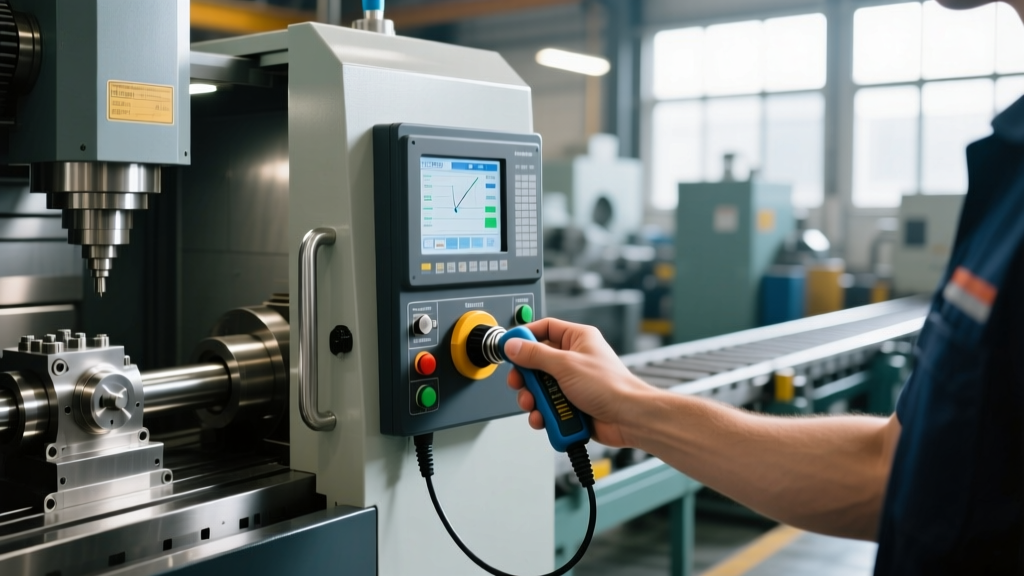
Do not simply wipe the control before listing the asset. For Fanuc 31i-B5 or 32i-A controls, utilize the FOCAS (Fanuc Open CNC API Specifications) library or the built-in data server function to export the last 24 months of spindle load meters, alarm histories, and axis servo error logs. For Siemens Sinumerik 840D sl systems, generate an archive via the 'Manage Data' HMI menu, ensuring you capture the Drive-CLiQ topology and safety integrated test logs.
Step 2: Documenting Metrology and Wear
Include the most recent Renishaw Ballbar (QC20-W) circular interpolation test results. A documented servo mismatch of less than 0.015mm and a backlash variance under 0.005mm proves the mechanical integrity of the ballscrews without the buyer needing to hire an independent laser interferometry technician. Pair this with thermal growth charts if the machine features active cooling loops.
Step 3: Compiling the Digital Twin Configuration
If your shop utilized the machine in a digital twin environment (e.g., Siemens NX CAM or Mastercam with machine simulation), include the verified kinematic model files (.mcs or proprietary formats). Buyers integrating the machine into automated lights-out manufacturing cells will pay a premium for plug-and-play digital readiness, saving them 40 to 60 hours of post-processor and simulation debugging.
Critical Warning: IP Protection vs. Data RetentionWhile preserving machine health data is vital for auction ROI, you must aggressively protect proprietary intellectual property. Before exporting the MHP, ensure all custom part programs (O-codes), proprietary macro variables (e.g., Fanuc #500 to #999 ranges), and custom PMC ladder logic modifications related to proprietary fixturing are securely overwritten or deleted. Retain only the OEM baseline parameters and machine health telemetry.
Timing the Liquidation: The Control Obsolescence Curve
Understanding when to liquidate is just as critical as how you package the asset. The machine tool technology pay depreciates rapidly once a control manufacturer announces the end-of-life (EOL) for a specific CNC generation's replacement parts. According to manufacturing technology lifecycle data tracked by organizations like AMT (The Association For Manufacturing Technology), the optimal liquidation window occurs 18 to 24 months before the control manufacturer transitions primary support to the next generation.
For example, as the industry transitions deeper into the Fanuc 35i and Siemens Sinumerik ONE ecosystems in 2026, equipment running on early-generation 30i or legacy 840D (non-sl) controls faces a steep valuation cliff. Liquidating these assets while they still possess active IoT retrofit kits (like CIMCO Machine Data Collection or MTConnect edge gateways) allows you to capture the 'smart machine' premium before the hardware is relegated to 'legacy iron' status.
Negotiating with Edge Computing Capabilities
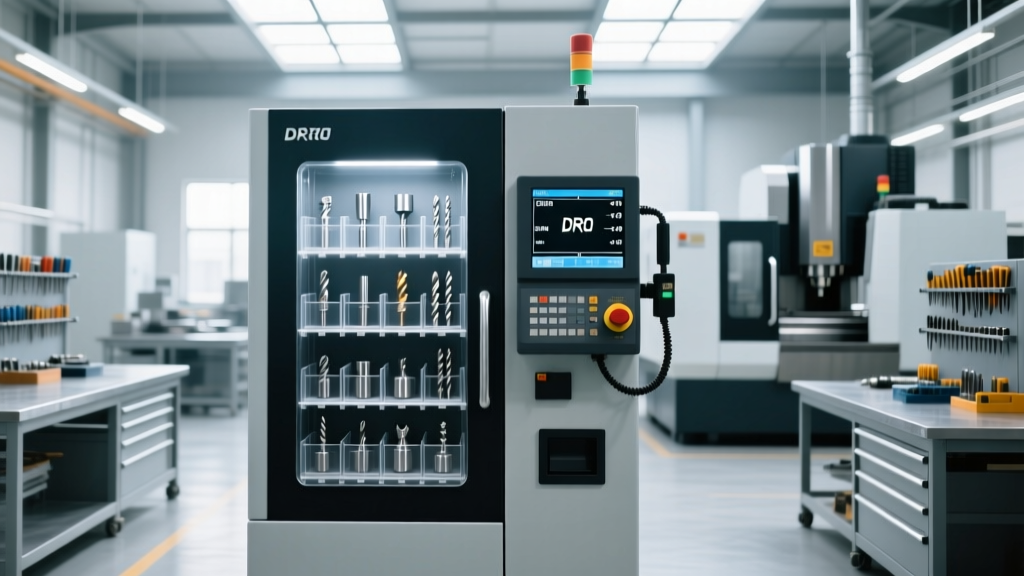
Modern machine shops are increasingly reliant on edge computing for real-time tool wear monitoring and adaptive feed control. If your liquidated equipment features integrated edge nodes—such as the DMG MORI CELOS architecture or Mazak's MAZATROL SmoothAi with local AI processing capabilities—highlight the hardware specifications in the auction listing.
Detail the exact processor architecture (e.g., Intel Core i7 industrial grade, 16GB RAM, 512GB NVMe SSD dedicated to the edge node). Buyers looking to deploy open-source predictive maintenance algorithms or integrate the machine into a broader MQTT broker network will specifically target these machines. By explicitly listing the edge computing specs, you bypass the generalist buyers and attract high-tech manufacturing firms willing to engage in aggressive bidding wars for turnkey Industry 4.0 assets.
The Final Pre-Auction Checklist
- Network Integrity: Verify that all Ethernet, Profinet, and EtherCAT ports are functional and free of physical damage.
- License Transfers: Confirm the transferability of embedded software licenses (e.g., Renishaw Productivity+, Sandvik Coromant CoroPlus) with the OEM prior to the auction date.
- Parameter Backups: Create three separate physical backups of the SRAM, FROM, and ladder logic on industrial-grade USB drives, storing one in the electrical cabinet and providing two to the auctioneer.
- Clean the Data Stream: Run a 12-hour dry cycle while logging the MTConnect XML output to prove real-time data generation capability to prospective buyers during the preview days.
By treating data and connectivity as tangible, monetizable assets rather than byproducts of the hardware, sellers can fundamentally alter the trajectory of their equipment liquidations. The machine tool technology pay is real, measurable, and highly sought after by modern manufacturers expanding their capacity in a tight labor market.