Linear vs Box Ways: CNC Maintenance & Breville Espresso Machine Cleaning Tool
Compare linear guideways and box ways for CNC machines. We analyze load capacity, damping, and why a breville espresso machine cleaning tool won't fix wipers.
The Core Debate: Sliding Friction vs. Rolling Elements in 2026
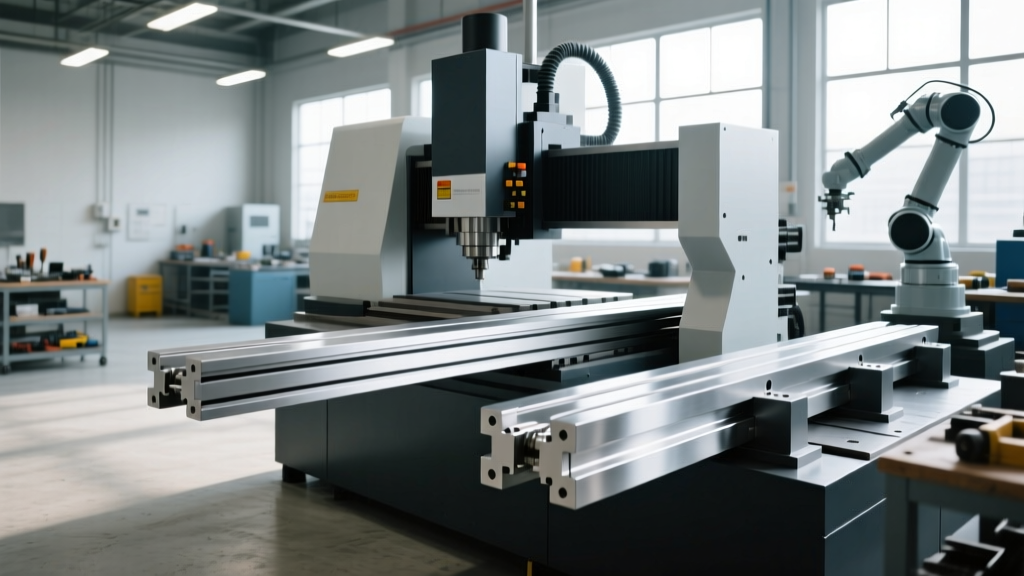
The architecture of a CNC machine tool’s slideway system dictates its ultimate capability, defining everything from chatter resistance during heavy roughing to contouring accuracy in high-speed die mold machining. As manufacturing tolerances tighten and aerospace alloys like Ti-6Al-4V dominate shop floors, the choice between traditional box ways and modern linear guideways remains one of the most critical decisions in capital equipment procurement. This is not merely a matter of old versus new; it is a fundamental divergence in tribology, kinematics, and maintenance philosophy.
The Physics of Stick-Slip and the Turcite-B Advantage
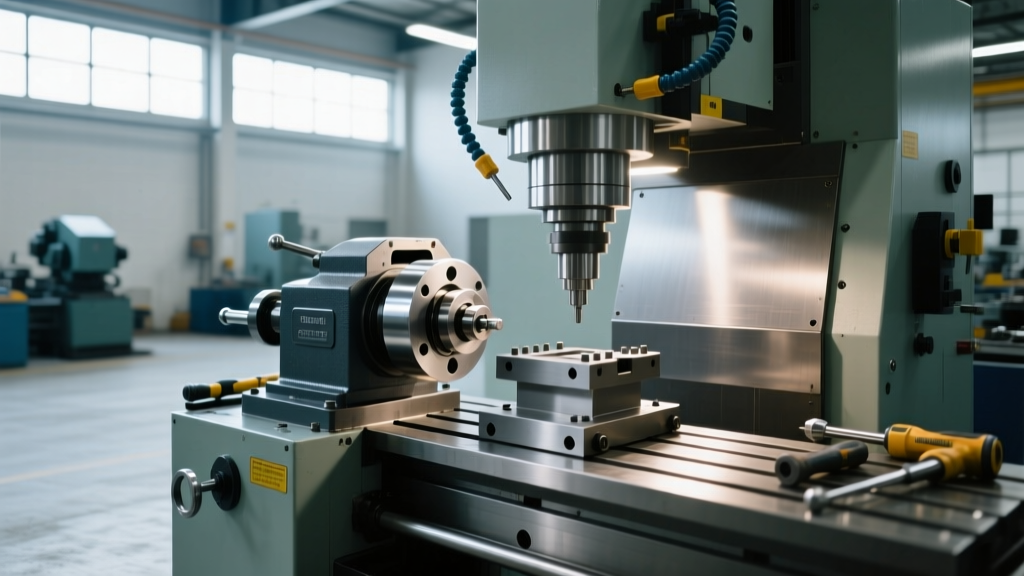
Box ways rely on sliding friction. Historically, cast iron sliding on cast iron suffered from the "stick-slip" phenomenon—a jerky motion caused by the static coefficient of friction being higher than the kinetic coefficient. This resulted in poor positioning accuracy at low feed rates. Modern box way systems eliminate this by bonding a PTFE-based polymer, such as Turcite-B or Rulon, to the moving saddle. This material is then hand-scraped to achieve 12 to 16 points per square inch (PPI), creating microscopic oil pockets that maintain a hydrodynamic film even at crawl speeds of 0.1 inches per minute. The result is zero stick-slip and unparalleled geometric longevity.
Shop Floor Blunder: The Breville Espresso Machine Cleaning Tool Incident
It sounds like an apocryphal shop-floor legend, but in late 2025, a junior technician at a mid-tier aerospace job shop attempted to use a stiff nylon breville espresso machine cleaning tool to scrape packed aluminum swarf out of a Mazak VARIAXIS box way wiper seal. The rationale was that the small, stiff bristles would reach into the wiper’s crevices without disassembling the way cover.
The Result: The aggressive nylon bristles tore the polyurethane lip of the wiper seal. Over the next three weeks, water-soluble coolant and microscopic abrasive swarf infiltrated the Turcite-B mating surface. The hydrodynamic oil film was compromised, leading to localized galling, severe stick-slip, and ultimately a $14,000 spindle crash due to a positioning error during a synchronized 5-axis interpolation. The lesson is absolute: precision way systems demand purpose-built maintenance protocols. Compressed air and OEM-approved soft-bristle brushes are mandatory; never improvise with stiff household or appliance tools.
Dynamic Damping and Heavy Metal Removal
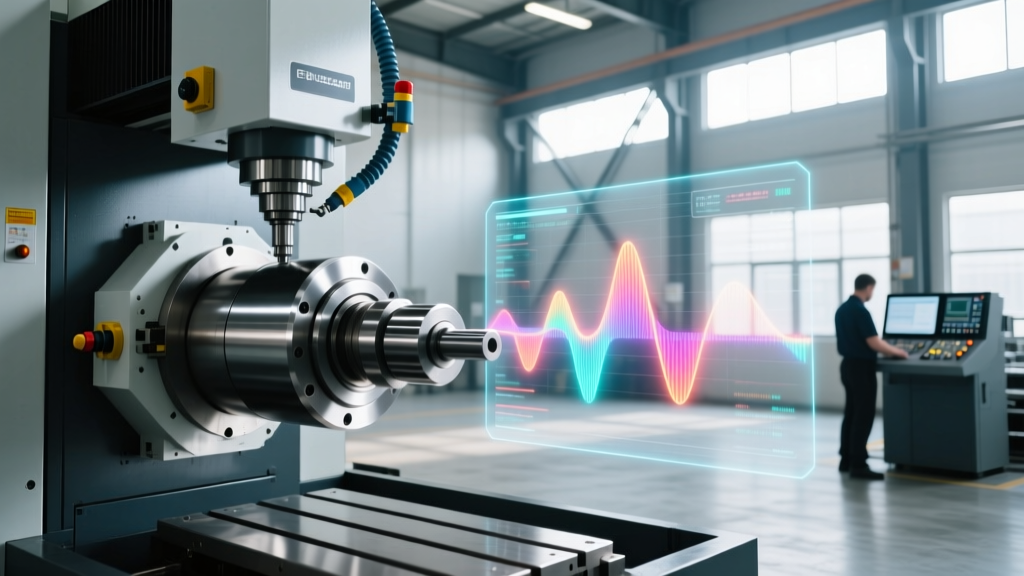
Where box ways unequivocally dominate is in vibration damping. The large surface area of a box way, combined with the viscous shear of the lubricating oil film and the internal damping characteristics of cast iron, provides a massive advantage in absorbing high-frequency chatter. According to Modern Machine Shop's analysis on box way relevance, a heavily preloaded box way system can absorb up to 3 to 5 times more vibrational energy than an equivalently sized linear roller guideway.
When taking aggressive depth-of-cut (DOC) passes on Inconel 718 or hardened tool steels, this damping capacity translates directly to extended tool life and superior surface finishes. Linear guideways, which rely on point or line contact of recirculating steel balls or rollers, simply cannot match the sheer mass and surface-area damping of a hand-scraped box way.
Comparison Matrix: Box Ways vs. Linear Guideways
| Feature | Traditional Box Ways | Linear Guideways (Ball/Roller) |
|---|---|---|
| Friction Type | Sliding (Hydrodynamic / Boundary) | Rolling (Recirculating Elements) |
| Friction Coefficient | ~0.04 to 0.08 (Turcite) | 0.002 to 0.003 |
| Damping Capacity | Exceptional (High mass & oil shear) | Low to Moderate (Depends on preload) |
| Max Traverse Speed | 15 - 30 m/min | 60 - 120+ m/min |
| Maintenance | High (Wipers, way lube, scraping) | Low (Sealed carriages, grease/oil) |
| Typical Cost Premium | +20% to 40% over linear equivalents | Baseline |
High-Speed Kinematics and Thermal Growth
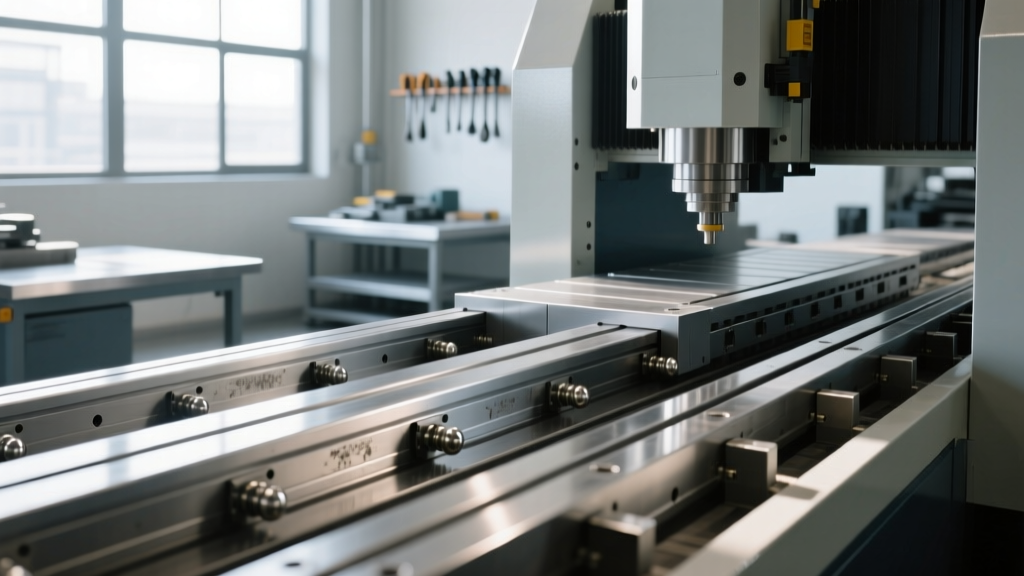
If box ways are the sledgehammer, linear guideways are the scalpel. Modern linear motion systems, such as the THK Linear Motion Systems SRG or NSK RA series, utilize recirculating ball or cylindrical roller bearings. Because rolling friction is virtually non-existent compared to sliding friction, linear rails generate significantly less heat during rapid traverses.
In high-speed machining (HSM) environments where feed rates routinely exceed 40 m/min and acceleration demands hit 1.5G, box ways would suffer from catastrophic thermal growth and oil film breakdown. Linear guideways maintain thermal stability and allow for the aggressive acceleration/deceleration profiles required to machine complex 3D contours in aluminum and graphite. Furthermore, the use of ball-retainer technology in premium linear rails eliminates friction between adjacent rolling elements, reducing particulate generation and extending maintenance intervals to over 10,000 hours in sealed environments.
The Vulnerability of Way Covers and Wipers
The Achilles heel of any linear guideway is contamination. Because the clearance between the recirculating balls and the raceway is measured in microns, a single piece of stringy swarf or a grain of silicon dust can cause a brinelling indent on the rail, leading to premature carriage failure. This is why Hennig Way Cover Systems and telescopic steel covers are non-negotiable. Operators must verify that way wipers are making uniform contact with the rail profile and that the automatic lubrication system is delivering the precise ISO VG 68 or VG 220 way oil required, rather than relying on manual grease guns which can blow out the end seals.
"The transition from box ways to linear rails in the 2010s sacrificed damping for speed. In 2026, we are seeing a renaissance of hybrid designs—machines utilizing heavy-duty roller linear guideways on the X and Y axes for speed, but retaining traditional box ways on the Z-axis to manage the massive dynamic loads and chatter of heavy face milling."
— Senior Applications Engineer, Tier-1 Aerospace OEM
2026 Decision Framework: Selecting Your Way System
Choosing between linear and box ways requires an honest audit of your shop’s specific part geometry, material mix, and cycle time requirements. Use the following framework to guide your capital expenditure:
- Choose Box Ways If: Your primary workload involves heavy roughing of hardened steels, titanium, or Inconel. If your tooling relies on large-diameter face mills and you are constantly fighting chatter marks on deep cavity walls, the damping ratio of hand-scraped box ways with Turcite-B linings is mandatory. Expect to pay a 25% premium and allocate more time to way-lube maintenance.
- Choose Linear Guideways If: You are running high-volume production of aluminum components, medical implants, or 3D die molds requiring high-speed contouring. If your cycle times are bottlenecked by rapid traverse rates and non-cutting acceleration times, the low-friction kinematics of preloaded linear roller rails will yield a faster ROI.
- Choose Hybrid (Roller Linear + Box Z-Axis) If: You operate a 5-axis trunnion or horizontal machining center (HMC) where the Z-axis spindle head must remain rigid under extreme cutting forces while the rotary tables demand high-speed positioning.
Ultimately, the guideway system is the foundation of machine tool accuracy. Whether you are maintaining the hydrodynamic film of a box way or ensuring the wiper seals of a linear rail are free of debris, respect the engineering tolerances. Leave the stiff nylon brushes for the breakroom coffee machine, and invest in proper, OEM-specified maintenance tooling for your CNC assets.