Linear vs Box Ways: Optimizing CNC Guides for Machine Deburring Tools
Compare linear vs box ways for CNC mills. Learn which guide system maximizes rigidity, reduces chatter, and optimizes automated machine deburring tools.
The Rigidity Imperative: Why Way Systems Matter for Deburring
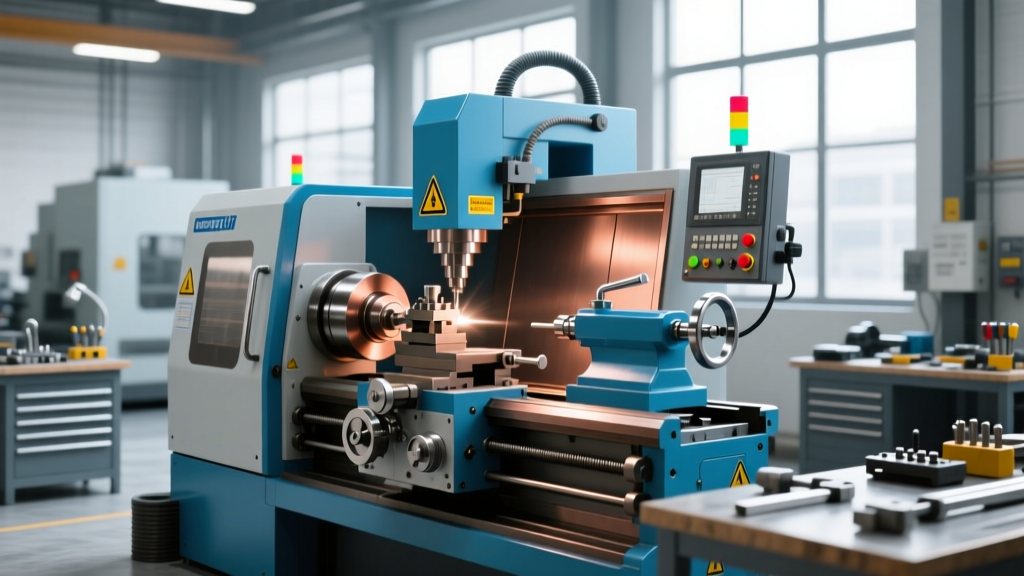
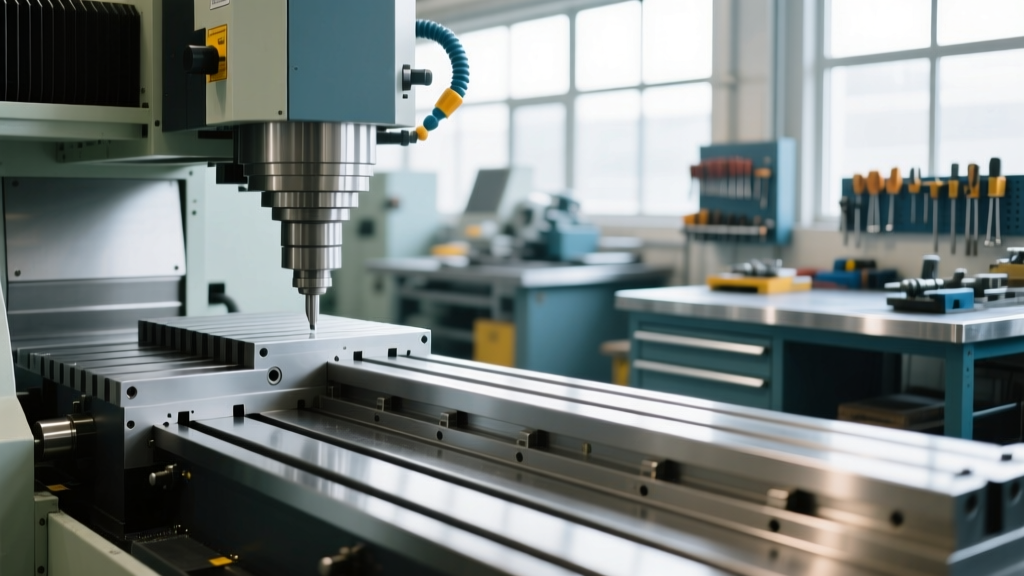
Integrating automated machine deburring tools into a CNC machining center introduces unique dynamic loads that standard milling or turning operations rarely produce. When a spindle-mounted deburring tool—such as a back-deburring blade or an orbital chamfer mill—engages and exits a cross-hole or an interrupted edge, the cutting forces spike and drop instantaneously. This interrupted cutting cycle excites the machine structure, making the underlying way system (linear guideways vs. traditional box ways) the critical variable in determining surface finish quality, tool life, and chatter prevention.
Selecting the correct machine tool guide system is not merely a question of rapid traverse speeds; it is a fundamental decision about structural damping. This analysis breaks down the mechanical realities of linear versus box ways specifically through the lens of deploying heavy-duty machine deburring tools in 2026 production environments.
⚠️ Vibration Warning for Spindle-Mounted Deburring: High-frequency chatter during cross-hole deburring does not just ruin the edge break; it causes micro-chipping on carbide tooling and accelerates spindle bearing wear. If your primary secondary operation involves aggressive automated deburring, the damping coefficient of your way system is more critical than its maximum feed rate.Linear Guideways: Speed, Precision, and Light-Duty Edge Breaking
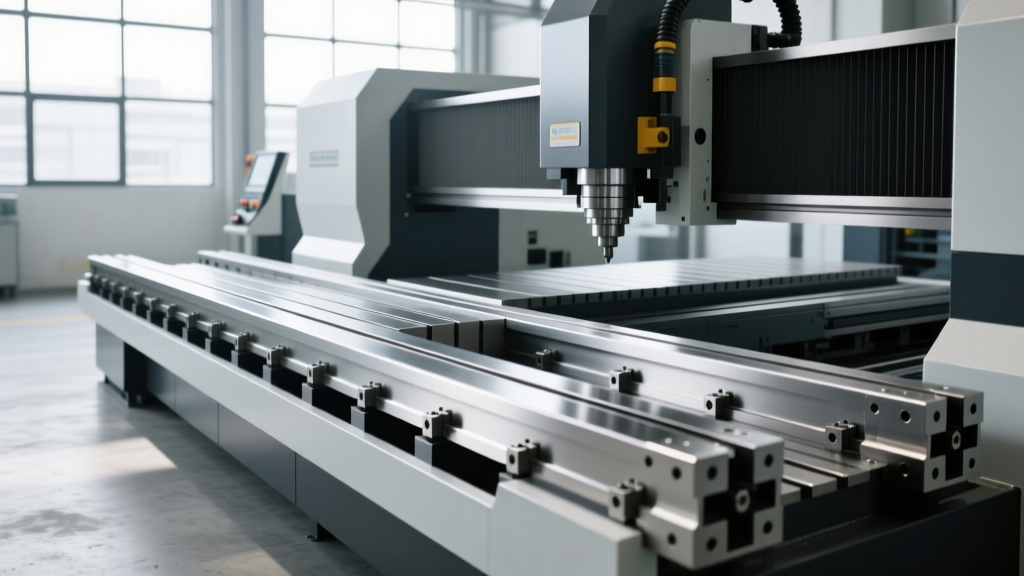
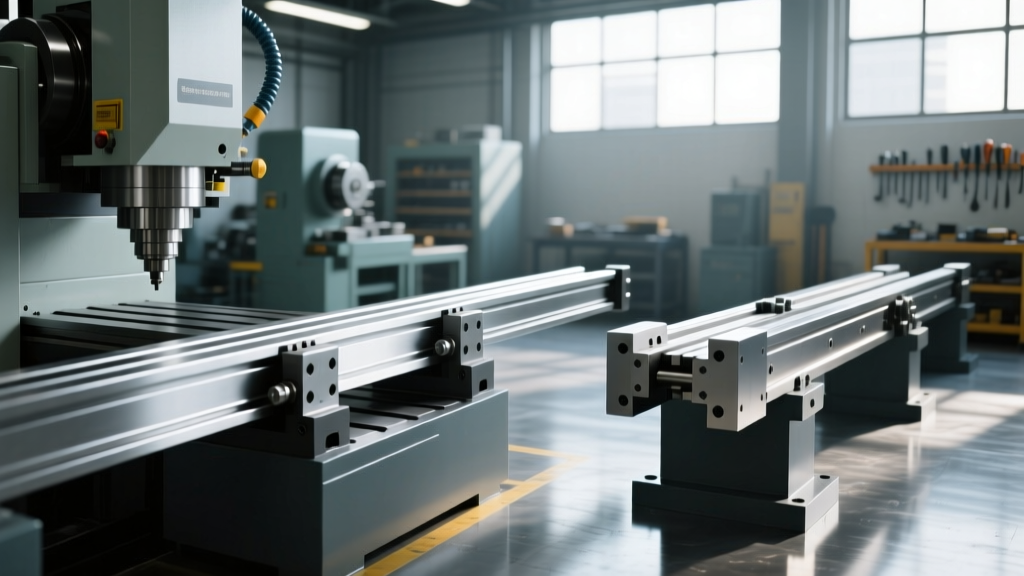
Linear guideways utilize recirculating ball or roller bearings running along hardened steel rails. Dominating the market with series like the THK SHS and NSK NH lines, linear ways are the default choice for modern high-speed vertical machining centers (VMCs) like the Haas VF-2SS or Okuma GENOS series. They offer exceptionally low friction coefficients (typically around 0.003) and permit rapid traverse rates exceeding 48 m/min.
Technical Profile & Load Dynamics
Because linear bearings rely on point or line contact, they are incredibly stiff under static loads but transmit high-frequency vibrations directly from the cutting zone into the machine casting. When a machine deburring tool encounters an uneven cast surface or exits a bore, the resulting shockwave travels through the carriage blocks with minimal attenuation.
Best-Fit Machine Deburring Tools for Linear Ways
Linear way machines excel when paired with low-shock, continuous-contact deburring solutions. Ideal tooling includes:
- Nylon/Abrasive Radial Brushes: Used for light surface deburring and edge blending where cutting forces remain constant and low.
- Solid Carbide Chamfer Mills: Best for continuous peripheral edge breaking on pre-milled aluminum or mild steel profiles.
- Thermal/CO2 Deburring Systems: Where the tool itself applies minimal mechanical side-load to the spindle.
According to engineering data from THK, utilizing roller-type linear guides (rather than ball-type) can increase rigidity by up to 200%, slightly mitigating chatter when using moderately aggressive chamfering tools on linear-way VMCs.
Box Ways: Damping, Heavy Interruption, and Aggressive Chamfering
Box ways represent the traditional, heavy-duty approach to machine tool motion. The mating surfaces of the cast iron saddle and bed are precision hand-scraped and coated with a low-friction polymer composite, typically Turcite-B or Rulon 142. Machines utilizing box ways, such as the DN Solutions Mynx 5500 or Kitamura Mycenter series, sacrifice rapid traverse speeds (usually capping around 20–24 m/min) in exchange for massive structural damping and superior dynamic load capacity.
Turcite-B Coatings and Stick-Slip Elimination
The broad surface area contact of box ways, combined with the viscoelastic properties of the Turcite-B liner, acts as a massive vibration sink. The polymer layer absorbs and dissipates the high-frequency harmonic vibrations generated during interrupted cuts. Furthermore, the wide stance of box way gibs prevents the saddle from tipping or lifting under heavy side-loads, a common failure mode when using long-reach deburring tools.
Ideal Deburring Applications
Box ways are mandatory for shops running high-shock automated deburring operations. Recommended tooling pairings include:
- Back-Deburring Tools (e.g., Heule COFA, Cogsdill Spin-Off): These tools deploy a carbide blade to chamfer the backside of a cross-hole. The mechanical snap of the blade engaging and disengaging the hole creates severe shock loads that box ways effortlessly absorb.
- Heavy-Duty Indexable Chamfering Cutters: Such as the Sandvik Coromant CoroBurr series, utilized for large-diameter, multi-pass chamfering on steel forgings and castings.
- Peel-Milling Deburring: Using high-feed cutters to remove large burrs left from roughing operations on titanium or Inconel components.
Comparison Matrix: Linear vs. Box Ways for Deburring Operations
| Feature / Metric | Linear Guideways (Ball/Roller) | Box Ways (Hand-Scraped / Turcite) |
|---|---|---|
| Static Rigidity | High (especially with roller types) | Extremely High (broad surface contact) |
| Dynamic Damping | Low (transmits high-frequency chatter) | Excellent (3x to 5x higher damping coefficient) |
| Shock Load Tolerance | Moderate (risk of brinelling rails) | Exceptional (absorbs interrupted cut shocks) |
| Max Rapid Traverse | 40 – 60 m/min | 15 – 24 m/min |
| Ideal Deburring Tool Type | Abrasive brushes, continuous chamfer mills | Back-deburring blades, heavy indexable cutters |
| Stick-Slip at Low Feeds | None (smooth micro-feeding) | Minimal (mitigated by Turcite-B liners) |
Real-World Cost & Maintenance Analysis (2026 Perspective)
When calculating the total cost of ownership for a machining cell dedicated to parts requiring intensive machine deburring tools, maintenance profiles diverge sharply between the two way systems.
Linear Way Maintenance Realities
Linear carriages are sealed units. If a heavy shock load from a deburring tool causes a ball bearing to spall or brinell the rail, the entire carriage block must be replaced. In 2026, a single OEM linear carriage block (e.g., THK SHS35) costs between $400 and $800, while replacing the entire rail and block assembly on one axis can exceed $2,500 in parts alone, plus 8–12 hours of downtime for laser alignment and ballbar calibration.
Box Way Maintenance Realities
Box ways are inherently more durable against shock loads, but they require consistent way-lube management. If the automatic lubrication system fails and the Turcite-B runs dry, galling can occur. However, when box ways eventually wear out (typically after 15–20 years of heavy use), they can be rebuilt. A full way-scraping and realignment job by a certified technician costs between $18,000 and $30,000, but it effectively restores the machine to factory-new geometric tolerances, a feat impossible with worn linear rails.
💡 Expert Tip: Way Lube Viscosity Matters. For box-way machines running heavy automated deburring cycles, do not use standard ISO 68 way oil. Upgrade to an ISO 220 tacky way lubricant (like Mobil Vactra Oil No. 4) to maintain the hydrodynamic film under the high static pressures generated by heavy side-load deburring tools.Decision Flowchart: Selecting Your Way System
Use this practical framework to specify your next CNC machining center based on your deburring requirements:
- Step 1: Analyze the Burr Type. Are you breaking light, continuous machined edges (Go to Step 2a), or are you back-deburring cross-holes and removing heavy forging flash (Go to Step 2b)?
- Step 2a (Light/Continuous): Specify Linear Guideways. You will benefit from the high-speed positioning to move the part between milling and deburring operations rapidly, maximizing spindle utilization.
- Step 2b (Heavy/Interrupted): Specify Box Ways. The damping will protect your spindle bearings from the shock loads of tools like the Heule COFA and prevent chatter marks on the chamfered surface.
- Step 3: Evaluate Production Volume. If cycle time is the absolute bottleneck and the burrs are light, linear ways win. If part quality, tool life of expensive indexable deburring cutters, and machine longevity are the priorities, box ways provide the superior ROI.
Frequently Asked Questions
Can I use a box-way machine for high-speed aluminum milling and deburring?
Yes, but you will sacrifice cycle time. While a box-way machine will provide a mirror finish when deburring aluminum due to the lack of chatter, its limited rapid traverse (typically 20 m/min) will increase non-cutting time compared to a linear-way machine capable of 50 m/min rapids.
Do linear roller guides bridge the gap between ball guides and box ways?
Linear roller guides (such as the THK SRG series) offer significantly higher load capacity and better damping than ball-type linear guides. They are an excellent compromise for shops that need high traverse speeds but want to run moderately aggressive machine deburring tools without upgrading to a full box-way machine.
How does spindle extension affect way system selection for deburring?
When using long-reach machine deburring tools (extensions over 150mm), the moment arm amplifies cutting forces at the spindle nose. Box ways resist this tipping moment far better than linear guides, making them mandatory for deep-bore or extended-reach automated deburring applications.