Henri Line Machine Tools: Chip Conveyor & Swarf Alternatives Compared
Compare OEM Henri Line machine tools chip conveyors against Mayfran, Hennig, and LNS alternatives. Analyze costs, swarf types, and coolant filtration.
The Swarf Management Bottleneck in Henri Line CNC Cells
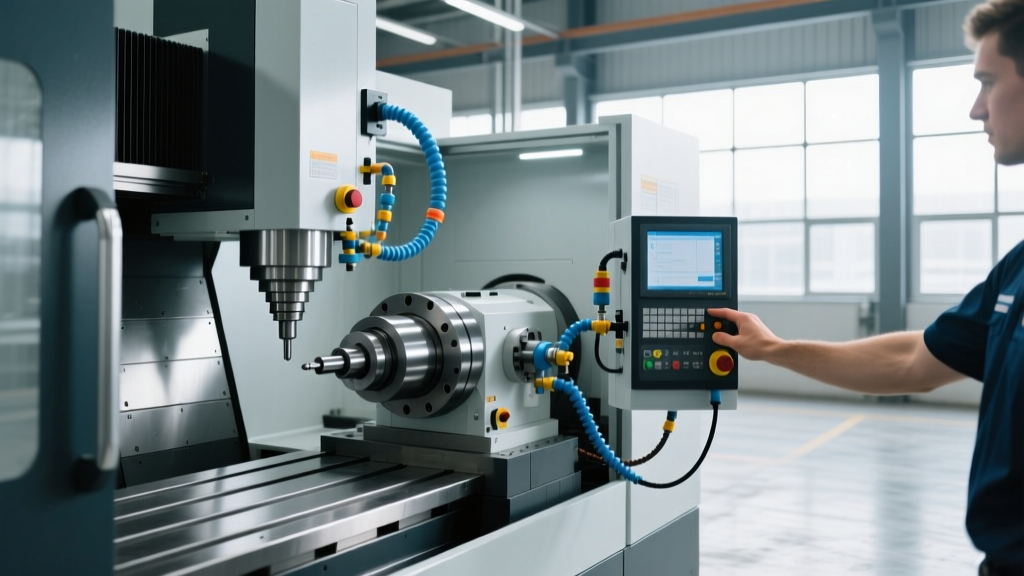
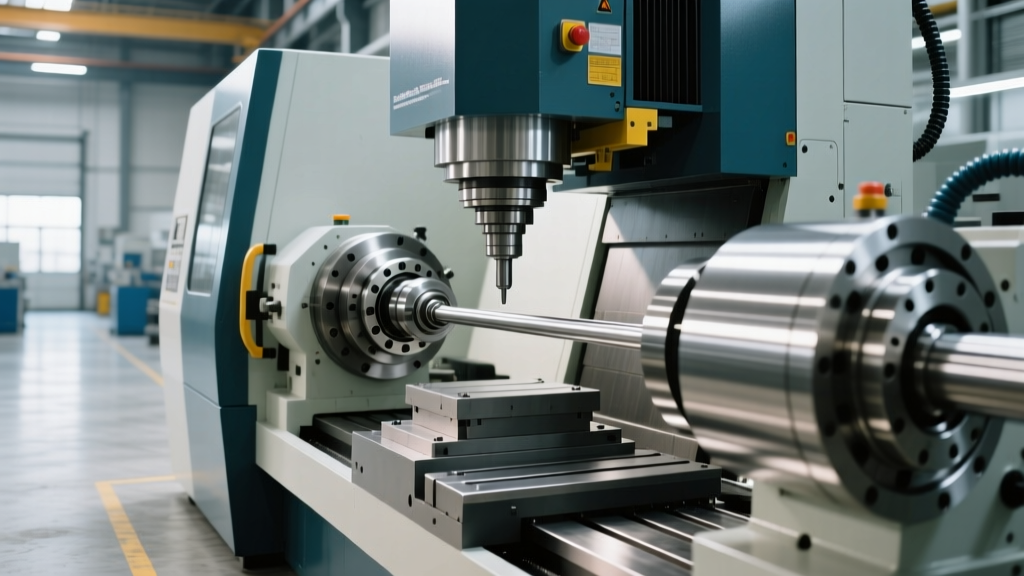
Integrating Henri Line machine tools into high-volume production cells often reveals a critical bottleneck: swarf management. While the HL-800T turning centers and HL-500 vertical machining centers offer exceptional rigidity and spindle speeds for 2026 production targets, the standard OEM chip conveyors shipped with these units frequently struggle with modern, high-pressure coolant environments and aggressive material removal rates. When machining 4140 steel or sticky 6061-T6 aluminum, the volume and morphology of chips can overwhelm standard hinge-belt systems, leading to unplanned downtime, coolant carryover, and premature pump failure.
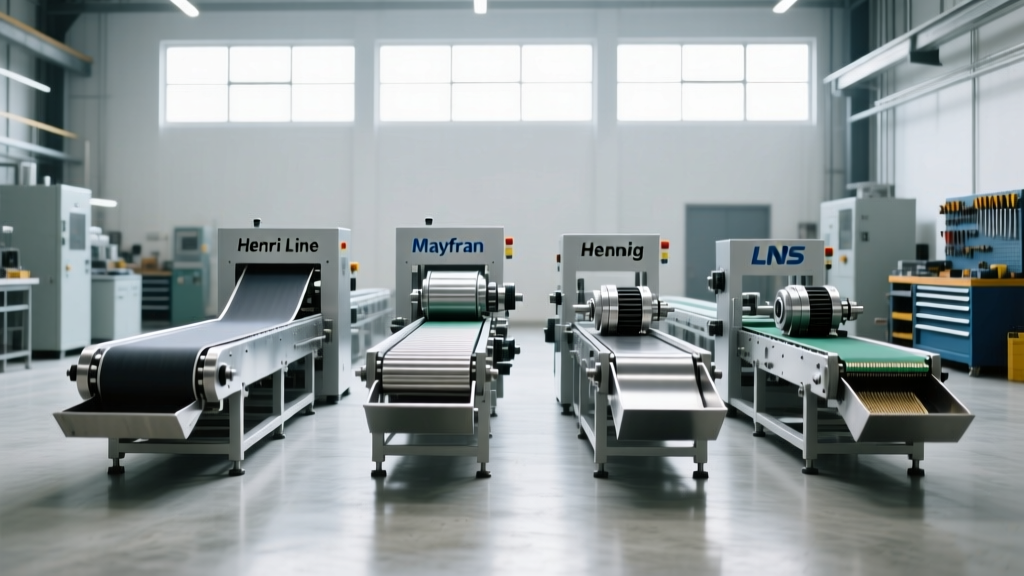
This analysis compares the baseline OEM swarf management systems provided with Henri Line machine tools against three premier aftermarket alternatives—Hennig, Mayfran, and LNS—providing a concrete decision framework for shop floor managers and manufacturing engineers.
Evaluating the OEM Henri Line Chip Conveyor Setup
Most Henri Line machine tools ship from the factory with a standard heavy-duty hinge-belt conveyor (typically a 12-inch wide, 1.5 HP driven unit) or a basic scraper conveyor for fine-chip applications. While adequate for general-purpose job shop work, these OEM units present specific failure modes in continuous production environments.
Common OEM Failure Mode: Hinge-belt conveyors on Henri Line lathes are highly susceptible to 'bird-nesting' when machining ductile materials like 304 stainless steel or Inconel 718. Long, stringy chips wrap around the drive sprockets, eventually stalling the motor and triggering a VFD fault code (typically E-402 on Henri Line controls).Furthermore, the OEM scraper units designed for cast iron and aluminum fines suffer from 'packing.' Fine chips bypass the wiper seals and accumulate in the lower trough, eventually jamming the return flight. The cost to replace an OEM Henri Line conveyor assembly in 2026 hovers around $8,500 to $11,200, but the hidden cost of lost production during a mid-cycle jam far exceeds the hardware price.
Premier Aftermarket Alternatives for Henri Line Integrations
To eliminate these bottlenecks, manufacturers are retrofitting Henri Line machine tools with specialized aftermarket conveyors. Below is an analysis of the top three alternatives based on material-specific performance.
1. Hennig Apollo Disc Conveyor (Best for Stringy & Bushy Chips)
The Hennig Apollo utilizes a series of overlapping steel discs rather than a continuous hinge belt. When stringy chips from Henri Line turning operations wrap around the discs, the overlapping rotation naturally shears and pulls the swarf up the incline without binding the drive shaft.
Cost: $14,500 - $16,800 installed.
Best Application: HL-800T lathes machining aerospace alloys and ductile steels.
2. Mayfran ConSep 2000 (Best for High-Pressure Coolant & Fines)
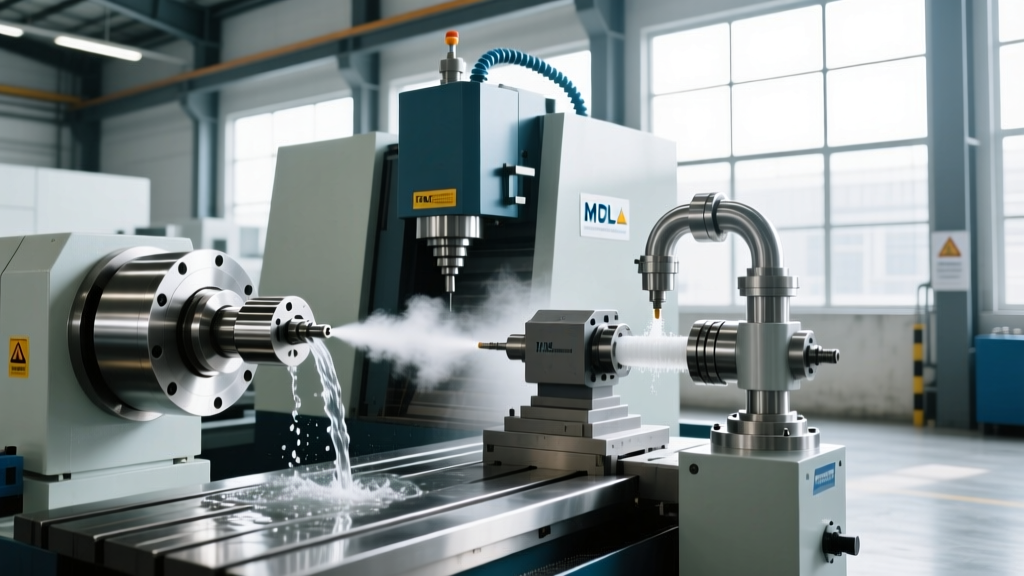
When Henri Line VMCs are equipped with 1,000 PSI through-spindle coolant, standard conveyors flood and fail to separate fines. The Mayfran ConSep 2000 combines a sloped wedge-wire screen with a continuous belt. The coolant drains through the screen into a clean tank, while the belt moves the solids. This system consistently achieves coolant clarity of 25-50 microns, protecting the Henri Line spindle bearings and high-pressure pump seals.
Cost: $22,000 - $28,500 depending on tank capacity.
Best Application: HL-500 VMCs running deep-hole drilling or high-volume aluminum milling.
3. LNS Turbo-Filtrex (Best for Compact Footprints)
Space constraints in automated Henri Line cells often preclude large conveyor tanks. The LNS Turbo-Filtrex uses a compact rotating drum filter integrated directly into a slim-profile conveyor. It handles the high chip loads of multi-spindle turning while maintaining a footprint that fits within standard 36-inch aisle clearances.
Cost: $18,900 - $21,000.
Best Application: Tightly packed robotic-tended Henri Line turning cells.
Comparison Matrix: OEM vs. Aftermarket Swarf Systems
| Feature | Henri Line OEM Hinge-Belt | Hennig Apollo Disc | Mayfran ConSep 2000 |
|---|---|---|---|
| Capital Cost (Approx.) | $8,500 - $11,200 | $14,500 - $16,800 | $22,000 - $28,500 |
| Stringy Chip Handling | Poor (High jam risk) | Excellent (Self-cleaning) | Good |
| Fines Filtration (Microns) | None (Recirculates fines) | None (Recirculates fines) | 25 - 50 µm |
| Coolant Carryover Loss | High (Up to 15 gal/day) | Moderate | Very Low (Drip trays included) |
| Preventative Maintenance | Monthly belt tensioning | Annual gearbox oil change | Weekly screen backwash |
Decision Framework: Material-Specific Swarf Routing
Do not default to the most expensive system. Base your Henri Line conveyor upgrade on the specific material matrix running through the cell.
- If machining >70% 6061-T6 or 7075 Aluminum: The primary enemy is fine, abrasive chips that destroy way covers and clog standard filters. Action: Bypass the OEM scraper and install the Mayfran ConSep 2000. The wedge-wire screen prevents aluminum fines from returning to the Henri Line coolant reservoir, extending coolant life by up to 40%.
- If machining >70% Ductile Steels (1018, 4140, 304 SS): The primary enemy is long, continuous stringers. Action: Install the Hennig Apollo. The disc mechanism eliminates the bird-nesting that plagues the Henri Line OEM hinge-belts, reducing operator intervention from daily to weekly.
- If machining Exotics (Titanium, Inconel) with High-Pressure Coolant: The chips are brittle but the coolant volume is massive. Action: Use a modified LNS drum filter system rated for 1,000 PSI return flows to prevent tank overflow and manage the high thermal load of exotic swarf.
The Hidden Economics of Coolant Carryover
Many shops justify sticking with the OEM Henri Line conveyor by citing the lower upfront capital cost. This ignores the mathematics of coolant carryover. A standard hinge-belt conveyor operating at a 45-degree incline without adequate cleats or drip pans will carry out approximately 0.5 to 1.2 ounces of coolant per pound of chips.
In a Henri Line HL-800T cell producing 800 lbs of steel swarf per shift, an OEM conveyor can drag out up to 6 gallons of premium semi-synthetic coolant daily. At $45 per gallon for modern bio-stable coolants, this equates to $270 per day, or over $67,000 in lost coolant annually per machine. A Mayfran or LNS system with integrated drip recovery pays for its premium price tag in under 7 months through coolant savings alone.
Integration Note for Henri Line M-Codes
When retrofitting any third-party conveyor, ensure the Henri Line PLC is programmed to utilize the dedicated M-code (typically M31 for conveyor forward, M33 for reverse) with a 2-second delay interlock. Starting the conveyor simultaneously with the spindle can cause a voltage sag on the machine's main breaker if the conveyor motor draws high inrush current under a heavy chip load.
Frequently Asked Questions
Can I reuse the Henri Line factory coolant tank when upgrading the conveyor?
In most cases, no. Aftermarket systems like the Mayfran ConSep require specific baffle configurations and pump suction depths that differ from the stamped steel tanks provided by Henri Line. Budget an additional $3,500 to $5,000 for a custom-fabricated stainless steel reservoir to ensure proper fluid dynamics and prevent pump cavitation.
Do disc conveyors like the Hennig Apollo handle cast iron fines?
No. Disc conveyors are engineered specifically for stringy, bushy, and tangled chips. Fine cast iron or powdered metal swarf will fall through the gaps between the discs and accumulate in the conveyor housing. For Henri Line machines dedicated to cast iron brake rotor or housing production, a magnetic hinge-belt or scraper conveyor remains the mandatory choice.
What is the expected lifespan of an upgraded conveyor in a 24/7 cell?
While an OEM Henri Line hinge-belt typically requires belt replacement every 18 to 24 months in a 24/7 environment, heavy-duty aftermarket units like the Hennig or LNS systems are rated for 7 to 10 years of continuous operation, provided the annual gearbox maintenance and chain tensioning protocols are strictly followed.