CBD Candy Manufacturing Equipment (2026)
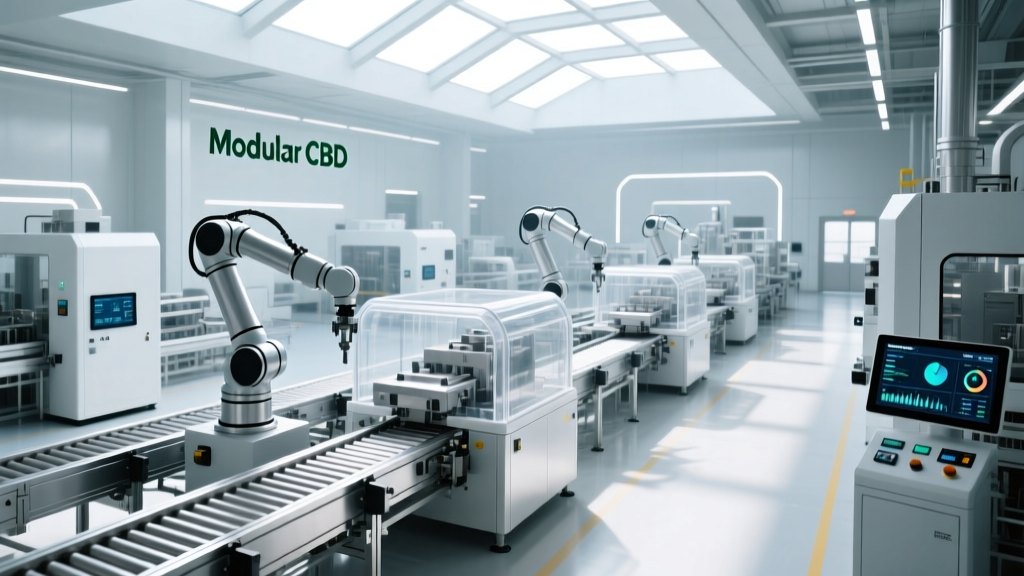
Explore 2026 trends in modular CBD infused candy manufacturing equipment. Micro-dosing, servo depositors, and flexible lines.
Key Components of Modular Systems
Precision Dosing and Infusion Modules
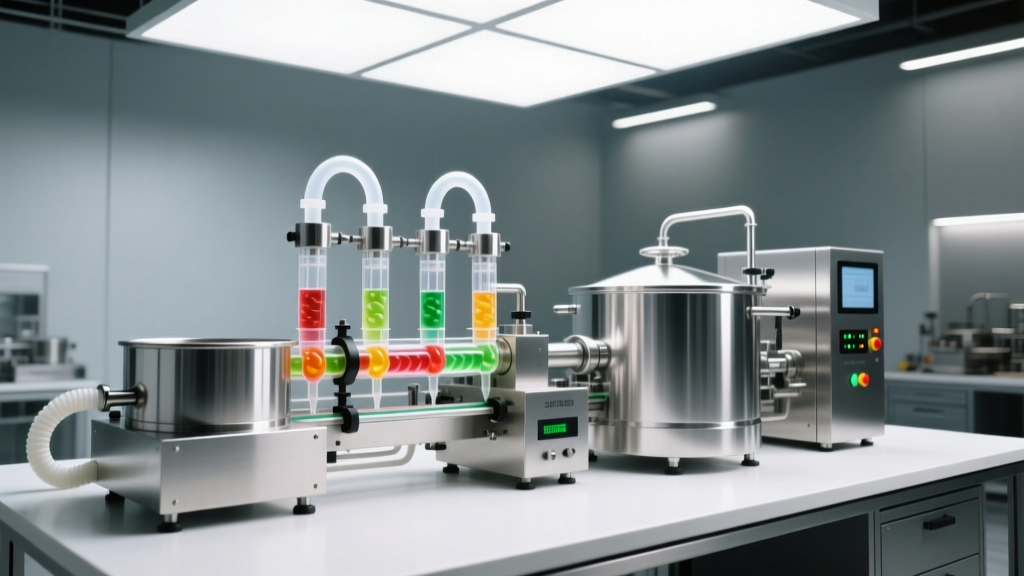
Micro-dosing Module: A precision injection component in cannabis candy manufacturing equipment designed to inject exact milligram quantities of cannabinoids into confectionery masses, ensuring strict dose uniformity across high-speed production runs while preventing active ingredient degradation through localized temperature control.
Modern infusion modules utilize mass flow meters and progressive cavity pumps to inject distillate or live resin directly into the cooked sugar mass. This inline injection method operates at 140°C, preventing the thermal degradation of tetrahydrocannabinol (THC) and cannabidiol (CBD) compounds. Systems configured for 500 kg/hr throughput maintain a dosing accuracy of ±1.5%, which is critical for meeting state-level compliance mandates for edible uniformity.
Cooking and Depositing Systems
Modular cooking systems utilize scraped-surface heat exchangers to manage high-viscosity sugar syrups. The scraped-surface design prevents localized burning, which is a common failure point when integrating lipid-based cannabis extracts into hydrophilic candy bases. Following cooking, servo-driven depositing modules accurately fill molds with a volumetric precision of 0.05 milliliters per cavity.
THC vs CBD Process Equipment Differences
While the mechanical architecture of THC infused candy manufacturing equipment and CBD infused candy production equipment shares similarities, the rheological handling requirements differ. THC distillates often require higher baseline temperatures to maintain optimal viscosity for injection, typically around 65°C in the holding tanks.
Conversely, broad-spectrum CBD extracts contain minor cannabinoids and terpenes that are highly volatile. CBD infused candy manufacturing equipment must incorporate vacuum-assisted cooking chambers that lower the boiling point of the sugar mass, allowing infusion to occur below 115°C to preserve terpene profiles. Facilities running both compounds must specify dual-zone temperature control on their infusion skids.
Equipment Selection Framework
Facility managers must align equipment specifications with target production volumes and compliance requirements. The following matrix guides the selection between entry-level modular skids and fully automated continuous lines.
| Feature | Entry-Level Modular Skid | Fully Automated Continuous Line |
|---|---|---|
| Base Capital Cost | $185,000 | $750,000+ |
| Throughput Capacity | 150 kg/hr | 1,200 kg/hr |
| Changeover Time | 45 minutes | 120 minutes |
| Dosing Accuracy | ±2.5% | ±1.0% |
| Footprint Requirement | 400 sq ft | 2,500 sq ft |
Compliance and GMP Standards
All cannabis candy manufacturing equipment must adhere to strict sanitation protocols to prevent cross-contamination between active and non-active product runs. The Food and Drug Administration Good Manufacturing Practices dictate that all product contact surfaces must be constructed from 316L stainless steel to resist corrosion from acidic fruit flavorings and lipid-based extracts.
Automated Clean-in-Place (CIP) systems are mandatory for commercial operations. A properly engineered CIP cycle utilizes turbulent flow at 2.5 meters per second to flush sugar residues and cannabinoid lipids from internal piping. According to the National Confectioners Association Market Research, automated CIP integration reduces manual sanitation labor by 60% while ensuring validated swab-test pass rates for THC residue clearance.
Frequently Asked Questions
What is the primary advantage of modular THC infused candy process equipment?
Modular equipment allows producers to scale capacity incrementally and swap specific units, such as upgrading a depositor head for a new gummy shape, without replacing the entire production line. This reduces long-term capital expenditure and minimizes facility downtime during reconfiguration.
How does CBD infused candy manufacturing equipment handle terpene preservation?
Specialized CBD equipment utilizes vacuum cooking technology to lower the required thermal threshold for sugar mass preparation. By cooking and infusing at temperatures below 115°C, the system prevents the flash-off of volatile terpenes inherent in full-spectrum and broad-spectrum hemp extracts.
What accuracy is required for cannabis candy manufacturing equipment dosing?
State regulatory bodies typically mandate a dosing variance of no more than ±10% per unit. However, premium commercial producers calibrate their THC infused candy manufacturing equipment to achieve ±1.5% variance to ensure consistent consumer experiences and avoid regulatory compliance failures during third-party laboratory testing.
Conclusion and Next Steps
Selecting the right CBD infused candy production equipment requires balancing throughput demands with strict homogenization and sanitation mandates. Modular architectures provide the flexibility required to adapt to shifting market preferences and evolving state regulations. To transition from pilot batches to full-scale commercialization, facility managers must audit their current throughput bottlenecks. Request a modular line simulation from your vendor to map specific changeover times for your target SKUs and validate the dosing accuracy against your state compliance thresholds.