Battery vs Propane: Storeroom Semi-Automated Material Handling Equipment Consultants Weigh In
Discover how storeroom semi-automated material handling equipment consultants evaluate battery vs. propane forklifts for MRO and AS/RS facilities in 2026.
The Storeroom Dilemma: Emissions vs. Uptime in 2026
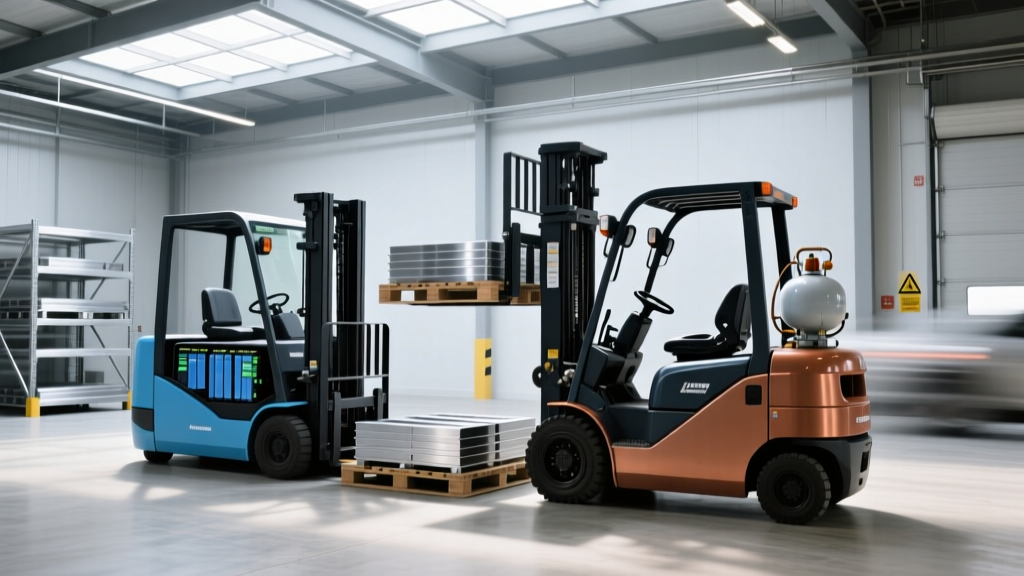
When facility managers hire storeroom semi-automated material handling equipment consultants, the first audit almost always targets the powertrain of the facility's forklift fleet. In 2026, the debate between battery-powered and propane (LPG) material handling equipment is no longer just about indoor air quality versus raw lifting power. It is fundamentally about how the power source interacts with semi-automated infrastructure, specifically Automated Storage and Retrieval Systems (AS/RS), LiDAR-guided Automated Guided Vehicles (AGVs), and optical inventory scanning arrays.
While the broader warehousing sector has aggressively pivoted to Lithium Iron Phosphate (LiFePO4) batteries, certain heavy-duty MRO (Maintenance, Repair, and Operations) storerooms and hybrid indoor-outdoor lumber yards still rely on advanced propane systems. This analysis breaks down two distinct 2026 case studies, providing a concrete framework for choosing the right powertrain for semi-automated material environments.
Consultant Insight: The primary failure point in semi-automated storerooms is not the forklift itself, but the exhaust byproduct interfering with automated navigation sensors. Powertrain selection must be treated as an IT and sensor infrastructure decision, not just a mechanical one.The Hidden Cost of Propane: Sensor Fouling in Semi-Automated Aisles
Modern LPG forklifts, such as those equipped with PSI 2.4L engines and 3-way catalytic converters, are significantly cleaner than their predecessors. However, they still emit trace unburned hydrocarbons, nitrogen oxides, and microscopic oil aerosols from crankcase ventilation. According to OSHA standard 1910.178 regarding powered industrial trucks, ventilation must be maintained to keep carbon monoxide below 50 ppm, but OSHA does not regulate the microscopic particulate matter that coats optical sensors.
In a semi-automated storeroom utilizing LiDAR-based AGVs or optical AS/RS cranes, this aerosol settles on the sensor lenses. Facilities operating propane forklifts within 20 feet of AGV navigation corridors report a 14% to 18% increase in LiDAR fault codes, phantom braking events, and optical misreads compared to all-electric facilities. This requires automated systems to be downshifted in speed or demands rigorous daily sensor-cleaning protocols, directly eroding the ROI of the automation investment.
Case Study 1: Aerospace MRO Storeroom (Lithium-Ion Transition)
Facility Profile
- Footprint: 45,000 sq. ft. fully enclosed, climate-controlled MRO parts storeroom.
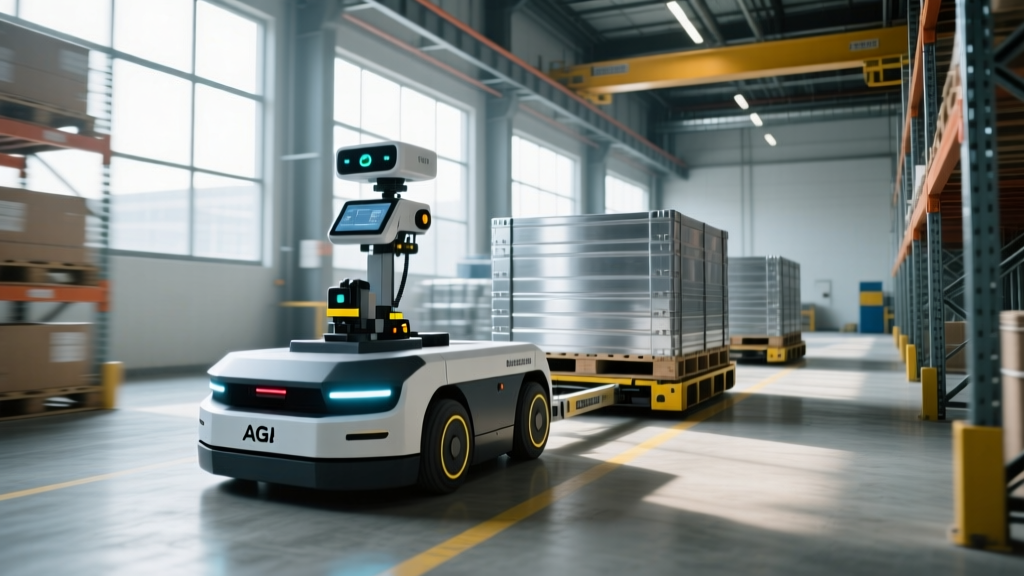
- Automation Level: Semi-automated. Human-driven order pickers interface with robotic goods-to-person (G2P) AGVs.
- Previous Fleet: 4x Propane-powered counterbalance forklifts (Yale GLP050VX).
- 2026 Upgrade: 4x 48V LiFePO4 Electric Forklifts (Yale ERP050VE) with integrated battery management systems.
The Operational Shift
The aerospace facility was experiencing a 9% downtime rate on their G2P AGVs due to LiDAR occlusion caused by propane exhaust particulate. Furthermore, the facility's automated fire-suppression optical smoke detectors were triggering false alarms due to LPG vapor accumulation near the 30-foot ceiling.
By transitioning to the Yale ERP050VE equipped with a 48V / 750Ah LiFePO4 battery pack ($14,500 per battery module), the facility eliminated airborne hydrocarbons. The Li-ion batteries support high-frequency opportunity charging; operators plug into 3-phase 480V fast chargers during 15-minute shift breaks, eliminating the need for a dedicated battery swap room and freeing up 400 sq. ft. of high-value rack space.
Result: AGV fault codes dropped by 88% within 30 days. The U.S. Department of Energy's Alternative Fuels Data Center notes that electric forklifts eliminate local tailpipe emissions entirely, which directly stabilized the facility's automated HVAC and fire-suppression sensor arrays.
Case Study 2: Heavy Machinery Parts Yard (Propane Retention)
Facility Profile
- Footprint: 60,000 sq. ft. hybrid facility (40% enclosed high-bay storeroom, 60% outdoor lumber and steel yard).
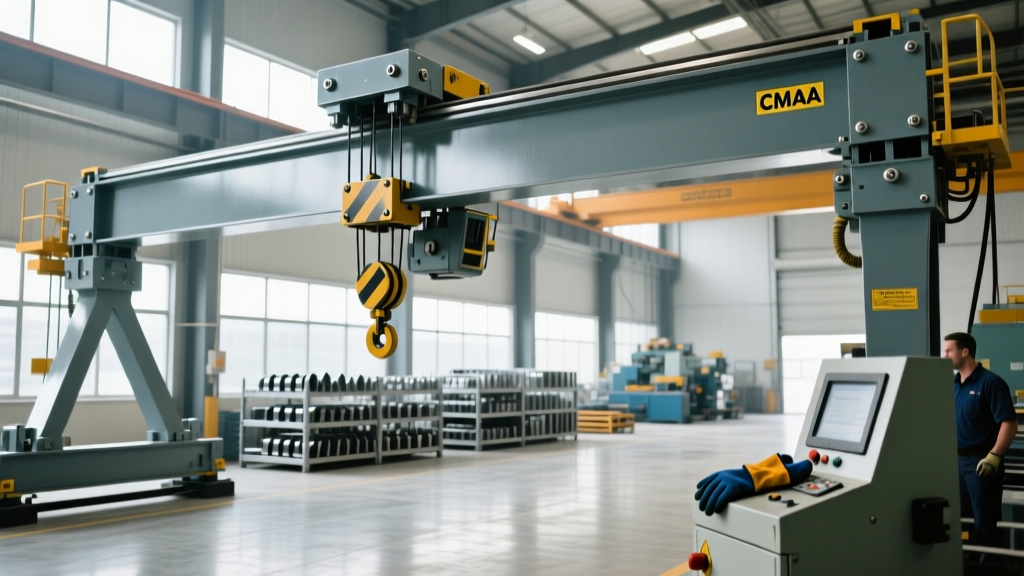
- Automation Level: Semi-automated outdoor gantry cranes and automated yard management RFID portals.
- Fleet: 6x Hyster H50FT (5,000 lb capacity LPG forklifts).
Why Battery Failed Here
While battery technology has advanced, Li-ion systems still suffer from voltage sag and thermal throttling in extreme temperature transitions. This facility's forklifts move 8,000-lb engine blocks from 20°F outdoor winter yards into 72°F indoor automated bays. The rapid condensation on battery contactors and the thermal management systems required to protect LiFePO4 cells in sub-freezing temperatures resulted in a 22% loss in usable runtime during Q1.
Furthermore, the facility operates on a continuous 24/7 cycle with only 10-minute shift changes. The DOE highlights propane's high energy density, allowing a standard 33-lb LPG cylinder to be swapped in 90 seconds, delivering immediate 100% power output regardless of ambient temperature. The facility retained propane but upgraded to enclosed, catalytic-equipped LPG models and installed automated exhaust extraction hoods at the indoor staging zones to protect the RFID portal readers from soot buildup.
5-Year TCO Matrix: Li-Ion vs. LPG in Semi-Automated Environments
The following matrix reflects 2026 average industrial pricing for a single 5,000-lb capacity forklift operating 2,000 hours annually in a hybrid automated facility.
| Cost Category (5-Year) | LiFePO4 Electric (48V) | Propane (LPG) w/ Catalyst |
|---|---|---|
| Base Equipment CapEx | $52,000 | $34,500 |
| Battery / Fuel System CapEx | $14,500 (Included in above) | $500 (Tank/Bracket) |
| Energy/Fuel Cost (2k hrs/yr) | $22,500 ($4,500/yr @ $0.15/kWh) | $52,500 ($10,500/yr @ $3.50/gal) |
| Preventative Maintenance | $4,000 ($800/yr) | $12,500 ($2,500/yr) |
| Automation Downtime Penalty | $0 | $8,500 (Sensor cleaning/AGV faults) |
| Total 5-Year Cost | $78,500 | $108,500 |
Critical Edge Cases: When to Ignore the Battery Trend
Despite the clear TCO advantages of Li-ion in enclosed automated spaces, storeroom semi-automated material handling equipment consultants will still prescribe propane under specific operational constraints:
- Grid Constraints: If the facility's local electrical grid cannot support the 480V / 3-phase draw required for rapid Li-ion opportunity charging without a $150,000+ transformer upgrade, propane remains the pragmatic choice.
- Cold Storage Transitions: For facilities moving loads directly from -10°F freezers to automated shipping docks, standard Li-ion batteries require expensive internal heating elements that drain runtime. Propane engines generate waste heat that naturally keeps the hydraulic fluid and powertrain operating at optimal viscosity.
- Peak Load Surges: If the storeroom handles highly irregular, massive peak loads (e.g., unloading 40 tons of steel in a 2-hour window once a month), the voltage sag on electric forklifts during continuous maximum-capacity lifting can trigger automated system resets. Propane maintains constant torque regardless of duty-cycle intensity.
Final Framework for Facility Managers
Choosing between battery and propane for a semi-automated storeroom requires mapping the forklift's physical path against the facility's digital infrastructure. If your forklifts operate primarily indoors and share aisles with LiDAR-navigated AGVs, optical AS/RS cranes, or automated inventory drones, LiFePO4 electric forklifts are mandatory to protect your automation ROI. The elimination of sensor fouling and the reclamation of battery-swap square footage will yield a positive ROI within 28 months.
Conversely, if your material handling flow dictates heavy, multi-shift transitions between extreme outdoor temperatures and indoor automated bays, and your electrical infrastructure lacks the capacity for rapid charging, modern catalytic-equipped propane forklifts paired with localized exhaust extraction systems remain a highly viable, high-uptime solution.