Bulk Mining & Ag Systems vs Material Handling Equipment in Warehouse
Compare bulk mining and agriculture conveyors with standard material handling equipment in warehouse settings. Learn CEMA specs, costs, and failure modes.
The Engineering Mismatch: Unit Load vs. Bulk Solids
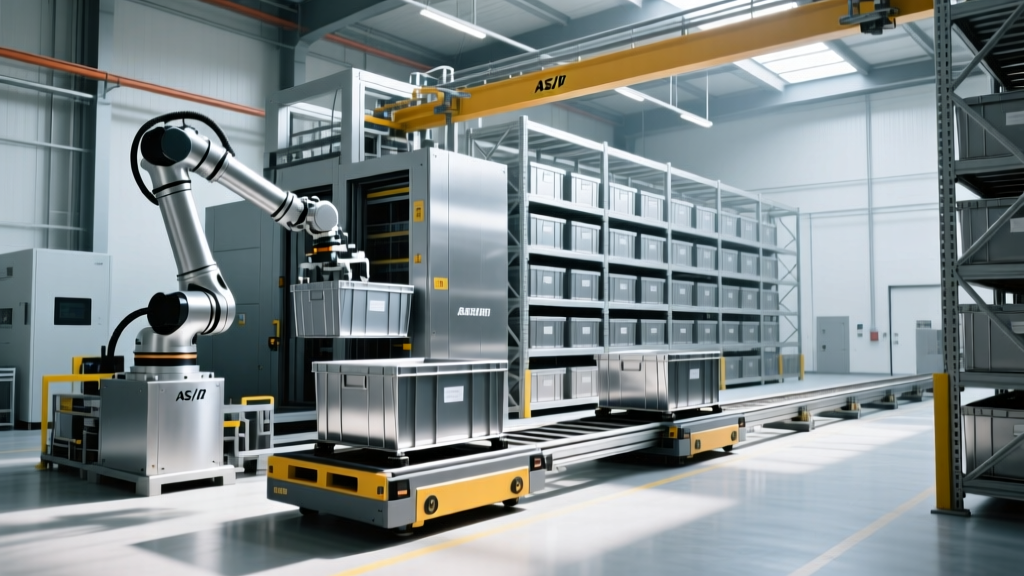
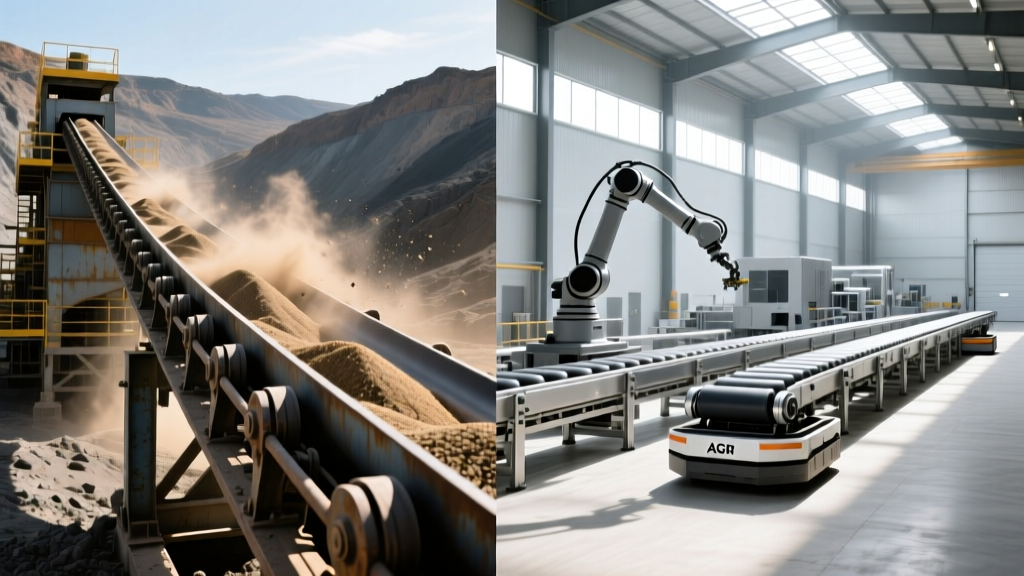
Procurement teams expanding from finished-goods logistics into raw material processing frequently encounter a catastrophic engineering blind spot. The operational assumptions baked into standard material handling equipment in warehouse environments are fundamentally incompatible with the physics of bulk solids. While warehouse systems are designed to move discrete, predictable unit loads (pallets, totes, cartons) in controlled climates, bulk material handling for mining and agriculture must move continuous, abrasive, and often hygroscopic masses across extreme environmental gradients.
Attempting to adapt light-duty warehouse conveyors for grain, ore, or aggregate transport results in rapid mechanical degradation. According to the Conveyor Equipment Manufacturers Association (CEMA), bulk solids require specialized load-bearing calculations that account for material surcharge angles, abrasiveness, and bulk density—variables that simply do not exist in unit-load warehousing.
Component-Level Failure Analysis
When standard warehouse equipment is deployed in mining or agricultural processing facilities, failure does not occur randomly; it follows a predictable sequence of component degradations.
Bearing and Seal Ingress
Standard warehouse roller conveyors typically utilize stamped steel or light cast-iron pillow block bearings with basic IP54-rated seals. In a grain silo or copper crushing facility, airborne particulate matter is microscopic and highly abrasive. Within 400 to 600 operating hours, these particulates breach IP54 seals, destroying the bearing races. Bulk systems require CEMA E or F class components equipped with heavy-duty labyrinth seals and triple-lip rubber contacts (IP66 to IP69K rated), such as the Dodge Imperial or SKF SYR series, which physically exclude silica and grain dust.
Belt Ply and Carcass Degradation
Warehouse belts are generally 2-ply or 3-ply EP (polyester/nylon) fabrics designed for smooth carton transit. In mining, a single dropped piece of manganese ore will puncture a standard EP carcass, leading to longitudinal ripping. Agricultural bulk handling requires belts with heavy-duty rubber covers (minimum 3/16-inch top cover thickness) and, in high-tension mining applications, steel-cord (ST) reinforcement to resist impact and tearing.
CRITICAL WARNING: The IP-Rating TrapNever specify motors below IP66 for outdoor agricultural bulk handling or below IP65 for indoor mining transfer points. Standard warehouse gearmotors (typically IP54 or IP55) will suffer dielectric failure when exposed to high-pressure washdowns or conductive mineral dust. Always require epoxy-stator encapsulations for bulk drive units.
Equipment Selection Matrix: Mining/Ag vs. Warehouse
The following matrix contrasts the technical specifications required for heavy bulk processing against standard warehouse logistics. This framework should dictate your RFP requirements when sourcing equipment.
| Specification | Bulk Mining & Agriculture Systems | Standard Warehouse Equipment |
|---|---|---|
| CEMA Classification | CEMA E, F, or G (Heavy/Extra Heavy) | CEMA B or C (Light/Medium) |
| Idler Roll Spacing | 3 to 4 feet (Impact zones: 1 to 2 feet) | N/A (Slider bed or 12-inch roller centers) |
| Belt Speed Tolerance | 300 to 1,000+ FPM (High inertia starts) | 60 to 200 FPM (Controlled acceleration) |
| Dust Mitigation | Enclosed hoods, dust collection skirts, foggers | Open-air design, minimal dust generation |
| Drive Mechanism | Shaft-mounted or inline helical gearboxes (50-200 HP) | 24V MDR (Motorized Drive Rollers) or 1HP AC |
| Structural Frame | 6-inch to 12-inch structural C-channel or truss | 10-gauge to 12-gauge formed sheet steel |
Capital Expenditure and Maintenance Cost Realities
Budgeting for bulk material handling requires a complete recalibration of cost expectations. As of early 2026, heavy-duty structural steel prices have stabilized, but the specialized components required for bulk transport maintain a significant premium over warehouse alternatives.
- Capital Costs (CAPEX): A standard 24V Motorized Roller (MDR) warehouse conveyor system costs between $400 and $900 per meter, including basic controls. In contrast, a CEMA E rated troughed belt conveyor for aggregate or grain processing ranges from $2,800 to $4,500 per meter. This cost includes the heavy-duty truss structure, vulcanized belting, and enclosed dust-skirting systems.
- Maintenance Costs (OPEX): Warehouse MDR systems are largely 'run-to-failure' with modular, plug-and-play roller replacements costing roughly $120 per zone. Bulk systems require preventative maintenance regimens. Belt splicing, idler replacement, and gearbox oil analysis typically consume 3% to 5% of the initial CAPEX annually. Failing to budget for this OPEX is the primary reason bulk processing plants experience unplanned downtime in their first 18 months.
'The transition from unit-load to bulk handling is not merely a change in scale; it is a transition from managing discrete kinetic events to managing continuous fluid-like friction and abrasive wear.' — NIOSH Mining Program Engineering Guidelines.
4-Step Procurement Framework for Hybrid Facilities
For agricultural cooperatives or mining supply distributors that must handle both raw bulk materials and finished packaged goods, a bifurcated procurement strategy is mandatory. Follow this framework to prevent cross-contamination of equipment specifications.
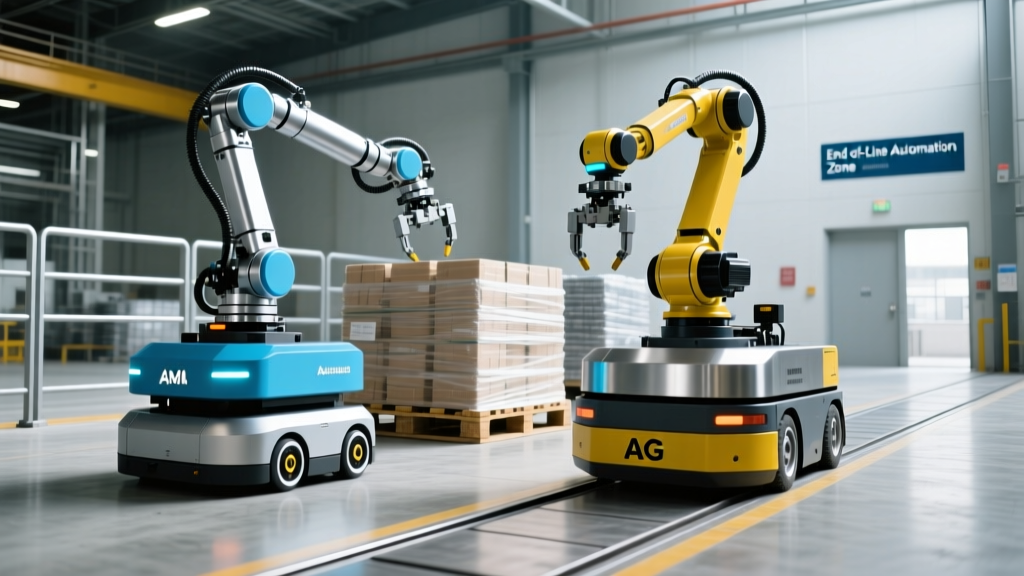
- Map the Decoupling Point: Identify the exact physical location in your facility where bulk solids are converted into discrete unit loads (e.g., the bagging station or palletizing cell). Upstream of this point, mandate CEMA E/F bulk specifications. Downstream, standard warehouse equipment is permissible.
- Specify Environmental Zoning: Do not allow warehouse-grade control panels (NEMA 1 or NEMA 12) to be installed in bulk processing zones. Mandate NEMA 4X (stainless steel or fiberglass) enclosures for all VFDs and PLCs within 50 meters of bulk transfer points to prevent conductive dust from shorting variable frequency drives.
- Mandate Spillage and Cleanup Integration: Bulk conveyors will spill material. Unlike a warehouse where a dropped box is a minor inconvenience, spilled grain or ore creates combustible dust hazards or slip-and-fall liabilities. Your RFP must include integrated return-belt scrapers, enclosed return pans, and washdown-ready slope designs. Refer to OSHA Grain Handling Standards for specific combustible dust mitigation requirements in agricultural settings.
- Audit the Drive Train Sizing: Warehouse equipment relies on fractional horsepower drives. Ensure your bulk conveyor vendor provides a complete CEMA drive calculation sheet proving that the selected gearbox service factor is minimum 1.5 for continuous 24/7 mining operations, or 1.2 for seasonal agricultural harvesting peaks.
Edge Case: Handling Bagged vs. Loose Bulk
A common procurement error occurs when facilities attempt to use bulk troughed conveyors to move 50kg bagged minerals or agricultural feed. The sharp edges of the bags, combined with the friction of the troughing idlers, will rapidly degrade the bag material, causing micro-tears and product loss. For bagged bulk materials, specify a slider-bed conveyor with a UHMW (Ultra-High Molecular Weight) polyethylene top sheet, or a flat-belt conveyor with CEMA C class idlers, bridging the gap between heavy-duty bulk requirements and the surface-protection needs of packaged goods.