Best 5 Axis Desktop CNC Machine Models for 2026 Prototyping
Compare top 5 axis desktop CNC machine models for 2026. Analyze kinematics, spindle specs, and CAM integration for micro-machining and lab prototyping.
A desktop 5-axis CNC machine is a compact, computer-controlled milling tool that moves a cutting tool or part along five different axes simultaneously. This enables the machining of complex geometries in a single setup. This selection guide is engineered for dental technicians, jewelry makers, and small-shop prototypers who require sub-micron precision without sacrificing valuable floor space.
Key Takeaways
- Core Function: 5-axis desktop mills eliminate secondary setups for complex 3D contours.
- Power Requirements: Most units operate on standard 110V/15A circuits, avoiding industrial 3-phase wiring.
- Material Limits: Desktop models excel at wax, plastics, aluminum, and titanium, but struggle with hardened steels.
Understanding 5-Axis Desktop Kinematics
Five-axis simultaneous machining refers to the continuous movement of the cutting tool along the X, Y, Z, A, and B axes to maintain optimal tool-to-part orientation. This continuous adjustment prevents tool deflection and allows shorter cutters to reach deep cavities.
Trunnion Table vs. Swivel Head
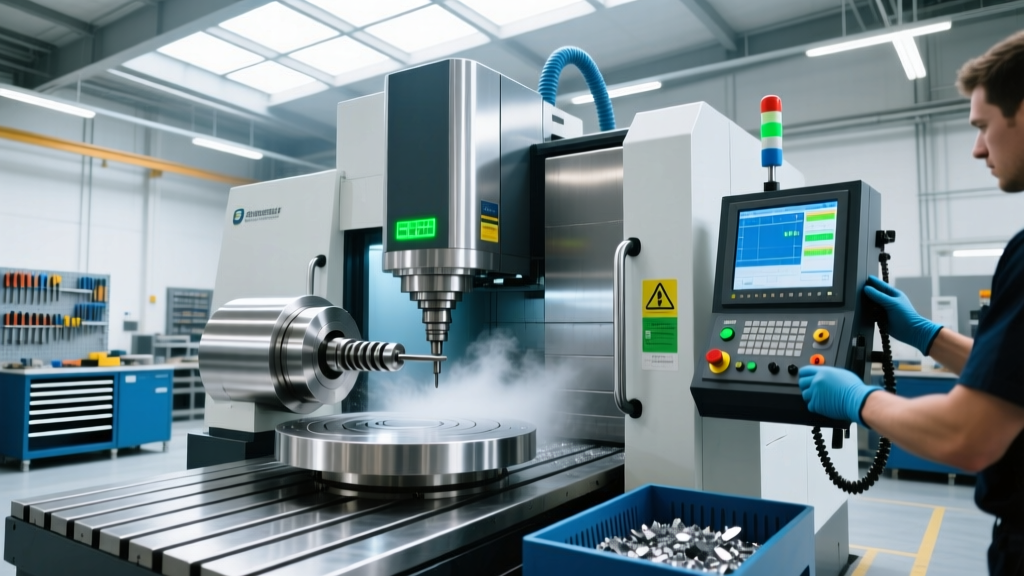
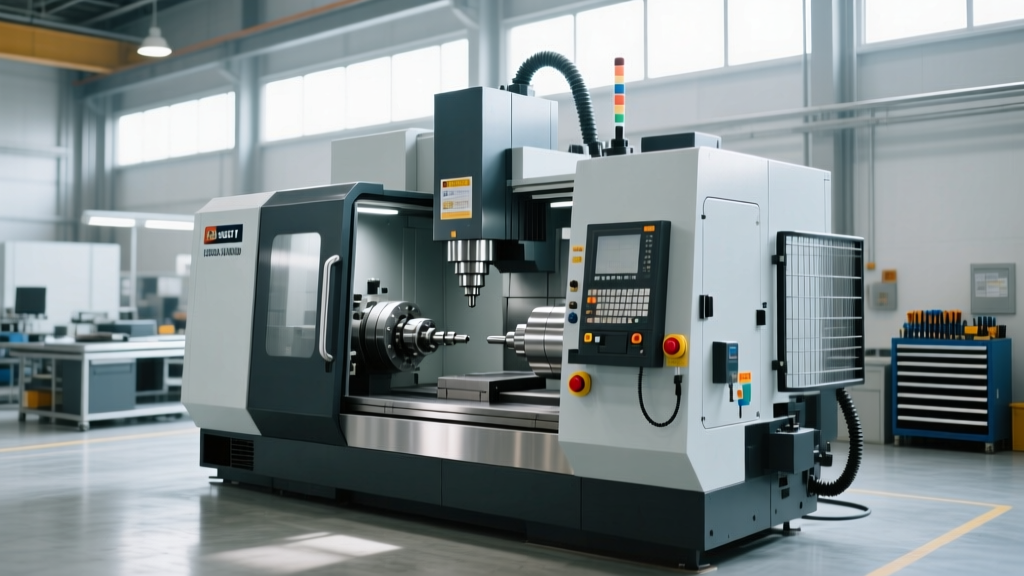
Desktop machines primarily utilize a trunnion table configuration. The workpiece tilts and rotates on the A and C axes while the spindle remains strictly vertical on the Z-axis. This design maximizes rigidity for small work envelopes compared to swivel-head configurations.
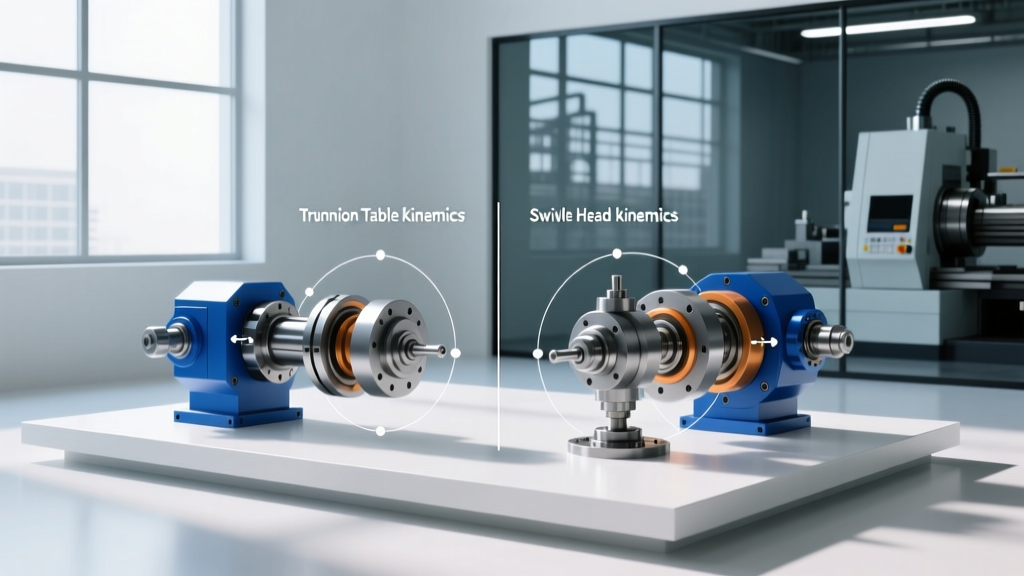
Swivel-head designs mount the rotary axes directly to the spindle. While effective for large gantry mills, this adds excessive weight and vibration to a desktop chassis. Consequently, trunnion tables dominate the sub-1000 kilogram desktop market.
Selection Framework and Decision Matrix
Choosing the right equipment requires matching machine stiffness to your primary material. Use the decision matrix below to align your production needs with the correct machine class.
| Material Focus | Required Spindle Speed | Minimum Machine Weight | Ideal Axis Configuration |
|---|---|---|---|
| Dental Wax / PMMA | 40,000 RPM | 80 kg | Trunnion (A/C) |
| Aluminum 6061 | 24,000 RPM | 150 kg | Trunnion (A/C) |
| Titanium Ti-6Al-4V | 12,000 RPM (High Torque) | 250 kg | Heavy Trunnion |
According to Sandvik Coromant 5-axis machining guidelines, maintaining a constant tool angle relative to the workpiece surface drastically improves surface finish and extends tool life. The matrix above ensures your spindle can maintain these optimal angles without stalling.
Critical Specifications for Small-Scale Milling
Evaluating hardware requires strict attention to physical constraints and drive systems. A standard desktop 5 axis CNC machine for small shop environments must fit through a standard 800 mm doorway and operate on standard electrical grids.
Work Envelope and Footprint
Expect a maximum work envelope of 150 x 150 x 100 mm for true desktop units. The physical footprint usually measures 600 x 600 mm. Verify that the Z-axis clearance accommodates the added height of your specific trunnion table and workholding vise.
Positional Accuracy and Feedback
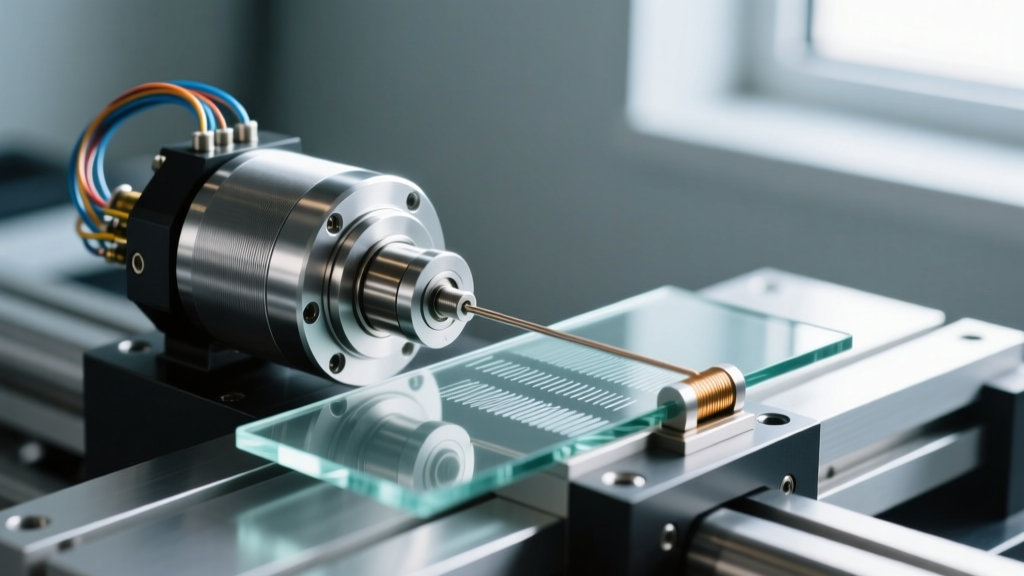
High-end desktop models utilize closed-loop servo motors with glass scale linear encoders. This hardware combination achieves a 0.005 mm positional tolerance across all linear axes. Open-loop stepper systems will lose steps during aggressive 5-axis contouring.
Software and Controller Compatibility
Hardware is useless without a reliable post-processor. Autodesk Fusion 360 CNC programming tools support generic 5-axis post-processors, but desktop machines often require custom kinematic tuning.
Ensure your chosen machine includes a validated post-processor for your specific CAM software. Simultaneous 5-axis toolpaths generate massive G-code files. The machine controller must possess at least 4 GB of RAM to buffer these complex toolpaths without stuttering.
Frequently Asked Questions
What is the best desktop 5 axis CNC for aluminum?
The best desktop 5 axis CNC for aluminum features a high-torque spindle (minimum 2.2 kW) and a cast-iron trunnion table to absorb chatter. Aluminum requires high material removal rates, demanding superior machine rigidity over ultra-high RPMs.
Are there cheap 5 axis CNC router alternatives for hobbyists?
True 5-axis simultaneous routers under $10,000 are virtually non-existent due to the cost of harmonic drives and closed-loop servos. Hobbyists often use 3+2 axis indexing or add a cheap 4th-axis rotary table to a 3-axis router as a budget alternative.
How much space does a 5 axis CNC for small shop environments require?
A complete 5 axis CNC for small shop environments requires a 1.5 x 1.5 meter operational footprint. This accounts for the machine chassis, chip conveyor, coolant reservoir, and operator clearance for loading raw material.
Final Selection and Next Steps
Selecting the correct desktop 5-axis mill hinges on matching the trunnion rigidity and spindle torque to your primary material. A mismatched machine will yield poor surface finishes and broken micro-endmills. Your immediate next step is to download the manufacturer specific CAM post-processor and run a dry-run simulation of your most complex 3D toolpath to verify kinematic limits.