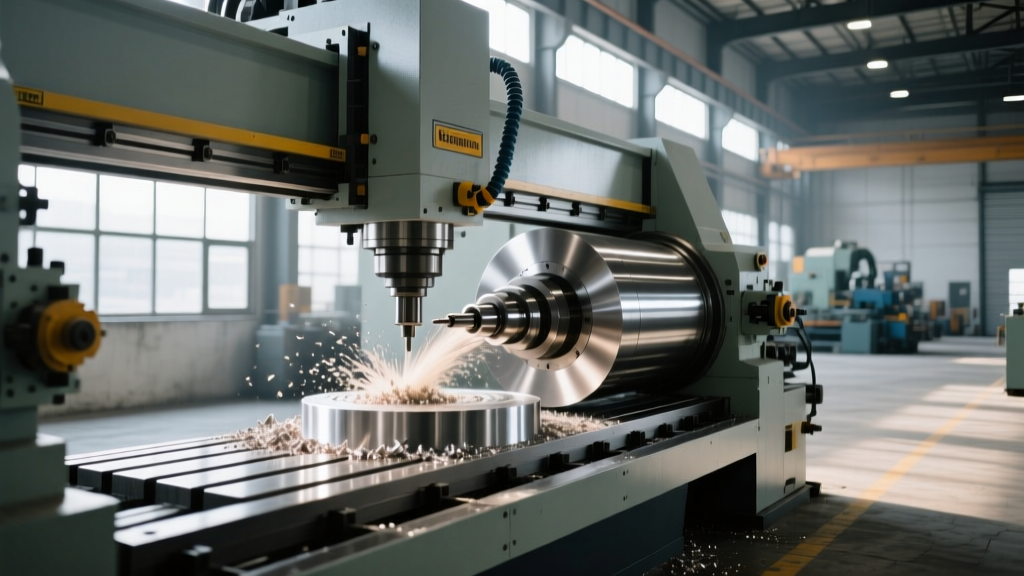
Best Precision Machining Tools for Oil & Gas Parts (2026)
Discover the best precision machining tools for oil and gas components in 2026. Compare inserts, holders, and cutters for Inconel and Duplex alloys.
Field machining tools for the oil and gas industry primarily consist of portable flange facers, line boring machines, and orbital lathes designed to repair critical infrastructure like valves and pipelines on-site without dismantling. Deploying these precision instruments allows facilities to restore sealing surfaces and bore alignments directly in the field. This guide is engineered for maintenance engineers, turnaround planners, and reliability technicians overseeing upstream and downstream facility integrity. By utilizing on-site precision equipment, plant managers avoid the massive logistical costs and safety risks associated with extracting and transporting multi-ton valve assemblies.
Key Takeaways
- Portable flange facers and line boring machines eliminate the need to dismantle heavy valves for repair.
- Modern 2026 equipment features IoT telemetry for real-time tolerance monitoring during cuts.
- Proper tool selection reduces turnaround downtime by up to 15% compared to traditional extraction methods.
- Adherence to American Petroleum Institute standards is mandatory for all field-machined pressure boundaries.
Core Field Machining Tools for Oil and Gas Valves
Field Machining: The practice of bringing portable, heavy-duty machine tools directly to a fixed industrial asset to perform milling, boring, or facing operations without dismantling the component from its installed location, ensuring minimal operational disruption.
Flange Facing: A precision machining process that resurfaces the sealing area of a pipe flange or valve face to restore absolute flatness, ensuring a reliable leak-proof gasket seal under the extreme pressure conditions typically found in modern hydrocarbon transport and processing networks.
Portable Flange Facing Machines
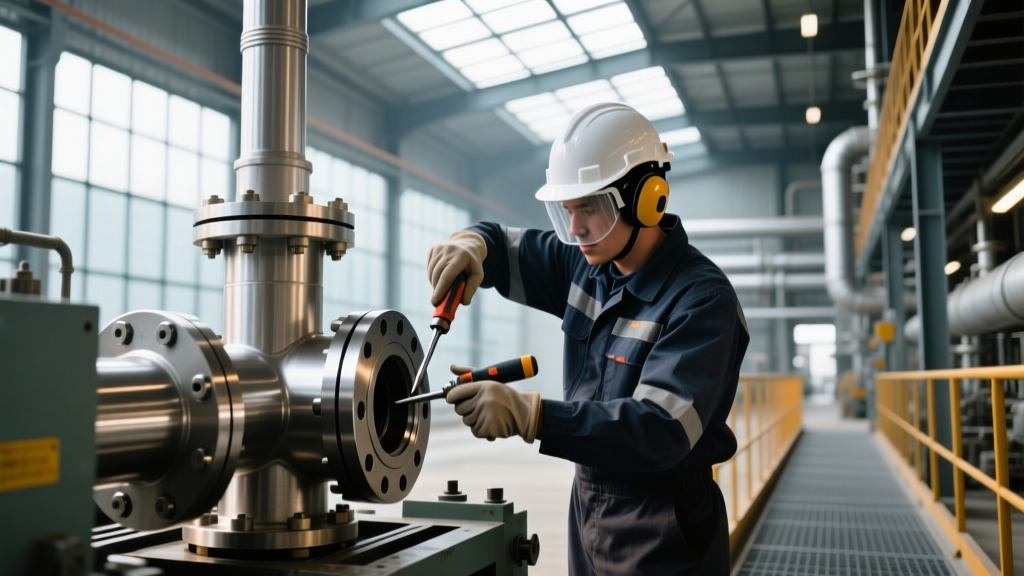
Portable flange facing machines are the primary tools for restoring valve mating surfaces. These units mount directly to the flange bolts or inner diameter to machine the face back to specification. According to the American Petroleum Institute Standard 6D, pipeline valve flanges must maintain strict flatness tolerances to prevent fugitive emissions. Modern facing machines can achieve a 32 microinch surface finish, which is optimal for spiral wound gaskets.
Inline Boring and Line Boring Equipment
Inline boring tools repair the internal cylindrical surfaces of valve bodies and pipeline tees. When valve seats become scored by abrasive hydrocarbon flow, line boring machines restore the precise concentricity required for tight shutoff. These machines utilize a rigid boring bar that spans across the pipeline, supported by outboard bearings to prevent deflection during heavy cuts.
Portable Valve Repair and Lapping Kits
For minor surface degradation, portable valve lapping kits provide a non-machining alternative. These kits use abrasive pastes and rotating lapping plates to polish gate and globe valve seats. While less aggressive than milling, lapping is highly effective for restoring the mirror finish required on high-pressure gas valve trim components.
2026 Advancements in On-Site Precision Machining
CNC Integration and IoT Telemetry
The latest generation of field machining tools incorporates localized Computer Numerical Control interfaces and Internet of Things sensors. These sensors monitor cutting forces, vibration, and tool wear in real-time. Data is transmitted to a ruggedized tablet, allowing operators to adjust feed rates dynamically and prevent tool breakage inside critical pressure vessels.
Advanced Tooling Materials
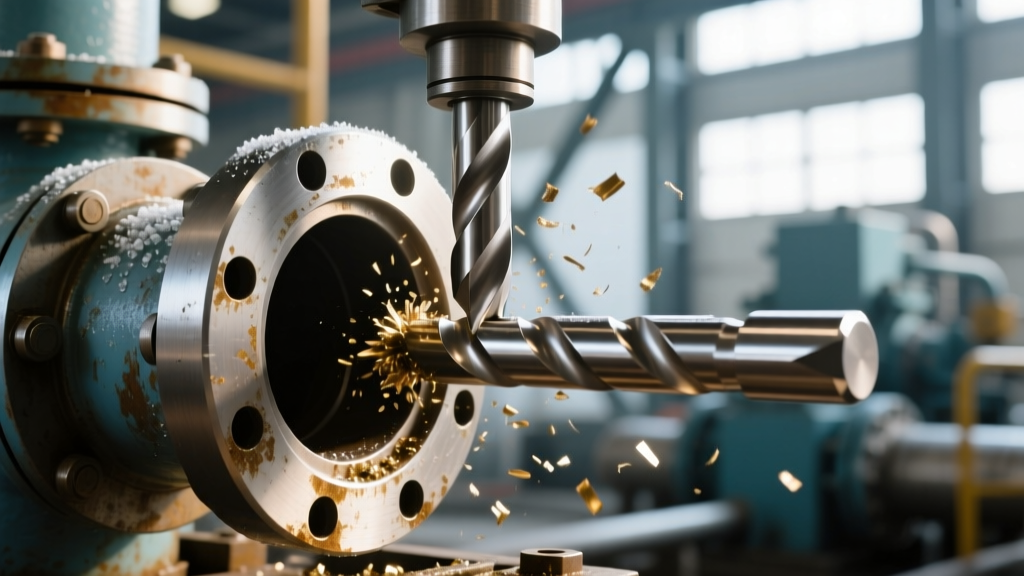
Tooling inserts have evolved significantly to handle the hardened alloys used in modern sour gas service valves. Polycrystalline diamond and advanced ceramic inserts now allow for a 12.5 millimeter depth of cut on high-nickel alloys without rapid degradation. This material advancement reduces the number of tool changes required during a continuous 24-hour turnaround shift.
Field Machining Tool Selection Decision Framework
Selecting the correct equipment requires matching the tool capability to the specific valve degradation profile. Use the matrix below to determine the optimal approach for your maintenance scenario.
| Degradation Type | Recommended Tool | Expected Setup Time | Primary Output Metric |
|---|---|---|---|
| Gasket Sealing Surface Pitting | Portable Flange Facer | 45-minute setup | 32 microinch Ra finish |
| Internal Seat Scoring | Inline Boring Machine | 3-hour setup | 0.002-inch concentricity |
| Minor Trim Wear | Orbital Lapping Kit | 20-minute setup | Mirror polish finish |
Equipment providers like Climax Portable Machine Tools offer modular systems that can transition between facing and boring configurations using the same base mounts, maximizing versatility during complex turnarounds.
Frequently Asked Questions
What are the safety requirements for using portable valve repair equipment?
Operators must adhere strictly to Occupational Safety and Health Administration safety management guidelines regarding rotating machinery and confined spaces. Hot work permits are often required if machining generates sparks near hydrocarbon sources. Furthermore, all portable machines must be properly grounded to prevent static discharge in explosive atmospheres.
How accurate are on-site flange facing machines compared to shop lathes?
High-quality on-site flange facing machines achieve tolerances nearly identical to stationary shop lathes. When properly mounted and calibrated, portable facers can hold flatness tolerances within 0.001 inches across a 120-inch diameter flange. The critical variable is the rigidity of the mounting system and the experience of the operator.
Can inline boring tools for pipelines handle high-strength steel?
Yes, modern inline boring tools are specifically engineered to machine high-strength, low-alloy steels commonly used in sour gas pipelines. By utilizing low-speed, high-torque hydraulic drives and specialized carbide inserts, these machines can effectively bore through thick-walled pipeline valves without stalling or damaging the cutting head.
Conclusion and Next Steps
Deploying the correct field machining tools for the oil and gas industry transforms valve repair from a logistical bottleneck into a streamlined, on-site procedure. Portable flange facers, line boring machines, and lapping kits provide the precision necessary to maintain pressure boundaries while keeping critical infrastructure online. The integration of IoT telemetry and advanced cutting materials in 2026 further guarantees that field repairs meet stringent American Petroleum Institute specifications.
Your immediate next step is to audit your facility's critical valve inventory and identify the top five valves with the highest historical failure rates. Cross-reference these assets with the decision framework provided above to pre-stage the appropriate portable machining equipment before your next scheduled turnaround.