Best 5 Axis CNC Milling Machines (2026 Guide)
Compare the best 5 axis CNC milling machines for 2026. Haas, DMG Mori, and Mazak specs, pricing, and facility requirements.
Manufacturing shop owners and production managers evaluating multi-axis equipment need a structured approach to capital expenditure. Utilizing a 5 axis milling machine bidc framework ensures your investment aligns with exact shop floor requirements. This guide delivers the core metrics, cost benchmarks, and technical specifications required to make an informed purchasing decision in 2026.
Executive Summary
- The BIDC framework aligns machine specifications directly with production goals and facility constraints.
- Mid-range 5-axis machining centers average $185,000 USD, excluding tooling and software.
- Direct-drive torque motors significantly outperform worm gear systems in high-precision aerospace applications.
Understanding the BIDC Framework
The Buyer's Investment and Deployment Criteria (BIDC) evaluates four distinct pillars: Budget, Integration, Dynamics, and Capacity. According to the Society of Manufacturing Engineers, shops utilizing structured deployment criteria reduce initial setup times by 22 percent during the first year of operation.
Skipping this framework often leads to purchasing machines with excessive travel distances or inadequate spindle torque. The BIDC methodology forces buyers to map specific part geometries to machine kinematics before requesting quotes.
Core Technical Specifications
Spindle Speed and Drive Systems
High-speed machining of aluminum aerospace components requires a minimum 15,000 RPM spindle. For hard metals like titanium or Inconel, prioritize high-torque spindles peaking at 8,000 RPM with enhanced cooling jackets.
Direct-drive torque motors eliminate mechanical backlash found in traditional worm gear systems. This results in superior surface finishes during simultaneous 5-axis contouring operations.
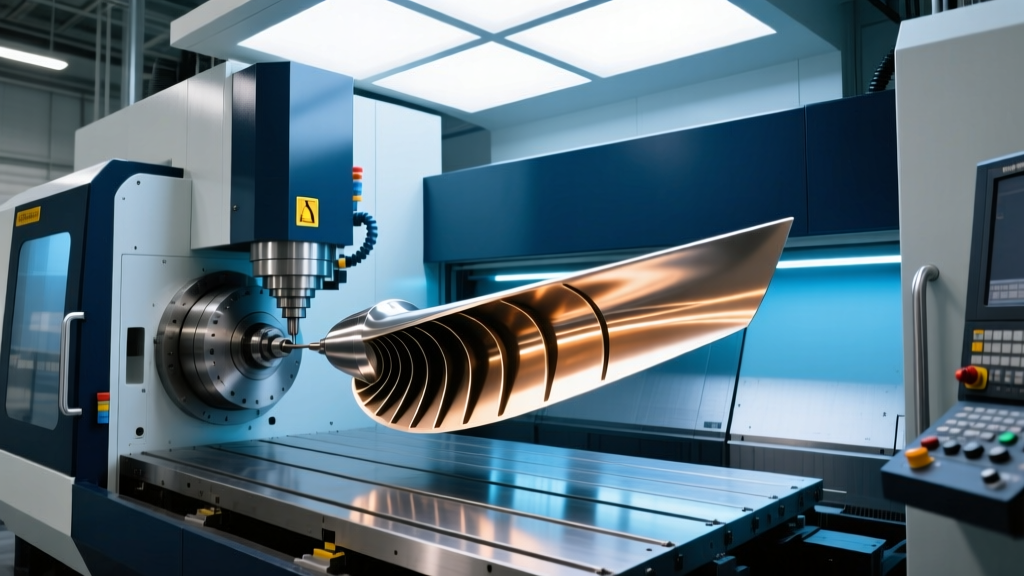
Kinematics and Work Envelope
Machine geometry dictates the maximum part size and tool accessibility. Selecting the correct kinematic style prevents costly fixture redesigns down the line.
Trunnion Table: A 5-axis kinematic configuration where the rotary table is mounted on a tilting trunnion, providing the A-axis and C-axis movements while the spindle remains strictly vertical on the Z-axis.
Trunnion tables excel at heavy, dense parts because the table bears the load directly. Conversely, swivel-head machines are better suited for extremely long, heavy components that would unbalance a tilting table.
Financial Modeling and ROI
Entry-level 5-axis machines start around $125,000 USD, while fully loaded production centers easily exceed $450,000 USD. Facilities must also allocate an additional $35,000 USD for advanced 5-axis CAM software licenses like hyperMILL or Mastercam.
Data from Modern Machine Shop indicates that job shops achieving full 5-axis utilization recover their capital investment within an 18-month timeframe. This rapid ROI relies on reducing part setups from three operations down to a single operation.
The BIDC Evaluation Matrix
Use this comparison table to benchmark potential machine purchases against your specific production requirements.
| Criteria | Entry-Level (Job Shop) | Mid-Range (Production) | High-End (Aerospace/Medical) |
|---|---|---|---|
| Target Footprint | 2.5 square meters | 4.0 square meters | 6.5+ square meters |
| Spindle Interface | 40-taper tooling | 40-taper or 50-taper | HSK-A63 or HSK-E50 |
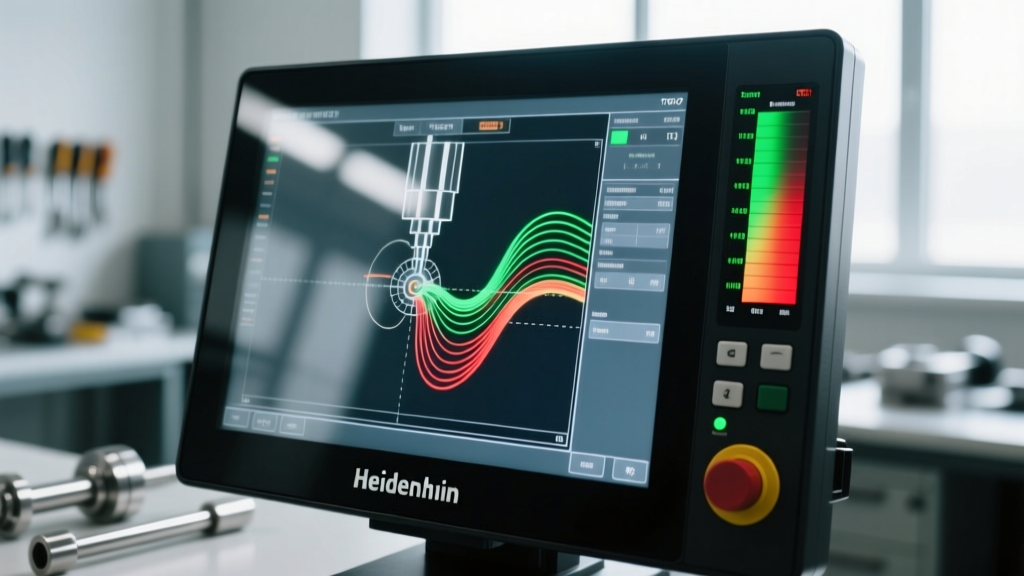
| Control System | Haas NGC or Fanuc 0i | Heidenhain TNC 7 | Siemens Sinumerik One |
| Accuracy Tolerance | ± 0.0005 inches | ± 0.0002 inches | ± 0.00008 inches |
Frequently Asked Questions
What is the total cost of ownership for a 5 axis CNC machine?
Beyond the initial $145,000 to $350,000 USD purchase price, buyers must factor in annual maintenance contracts, premium tooling holders, and specialized CAM programming training. Expect operational costs to add 15 percent to the base price annually.
Which 5 axis milling machine is best for a small job shop?
Small job shops benefit most from compact trunnion-style machines with 40-taper spindles and integrated probing. These machines offer a smaller footprint, faster setup times, and lower initial capital requirements while maintaining high versatility for mixed-material work.
How do you calculate the ROI for a 5 axis machine?
Calculate ROI by measuring the labor hours saved through part consolidation and reduced fixture setups. If a machine eliminates two secondary operations per part, multiply the saved setup and run time by your shop's hourly burden rate to find monthly savings.
Conclusion and Next Steps
Evaluating multi-axis equipment requires moving beyond basic spec sheets to apply a rigorous deployment strategy. The 5 axis milling machine bidc framework ensures your chosen equipment matches your facility's spatial, financial, and technical realities.
As your immediate next step, download a blank BIDC evaluation spreadsheet and populate it with data from your top three shortlisted machine builders before scheduling factory run-offs.