Safety Compliance and the Cost of CNC Milling Machine
Discover how OSHA, ANSI B11.8, and ISO 16090 safety standards impact the true cost of CNC milling machine purchases, including hidden retrofit expenses.
The Hidden Financial Impact of Machine Tool Safety
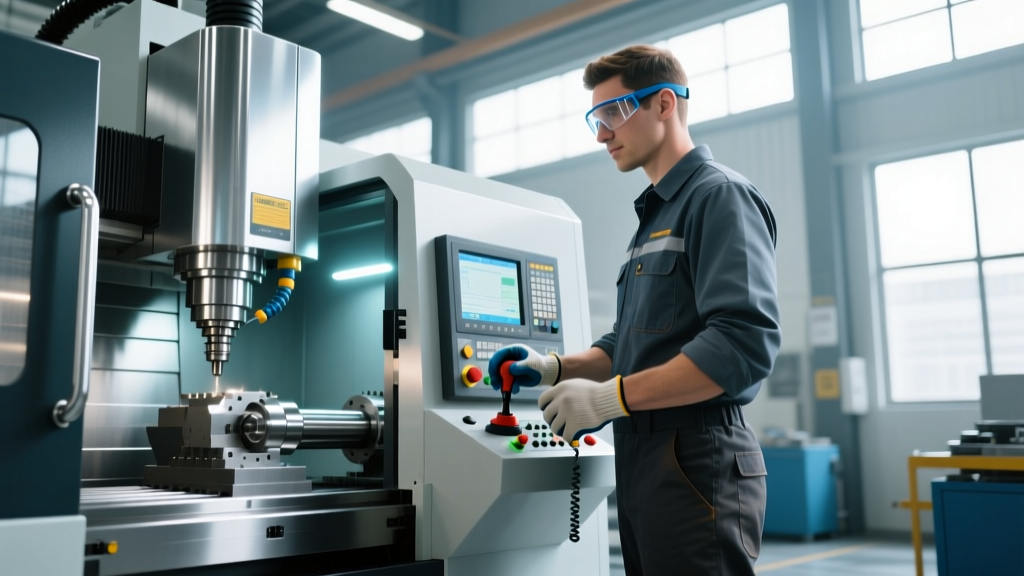
When budgeting for new manufacturing equipment, shop owners and procurement managers typically focus on spindle speed, axis travel, and control packages. However, the base MSRP rarely reflects the final capital expenditure required to legally operate the equipment on a North American or European shop floor. In 2026, stringent enforcement of workplace safety regulations means that the true cost of cnc milling machine ownership must include comprehensive safety automation, physical guarding, and compliance certifications.
Failing to account for these requirements leads to severe financial friction. A machine purchased without the proper Category 3 or Performance Level d (PLd) safety circuits will fail OSHA inspections, resulting in daily fines, mandatory work stoppages, and expensive aftermarket retrofitting. Understanding how safety standards dictate hardware pricing is essential for accurate capital expenditure planning.
Compliance Premium Snapshot: Depending on the machine tier and regional requirements, factory-installed safety and compliance packages add between 8% and 14% to the base price of a CNC milling machine. For grey-market or non-compliant imports, aftermarket retrofitting can inflate the total cost by up to 22%.The Baseline: Base Price vs. Compliant Price Matrix
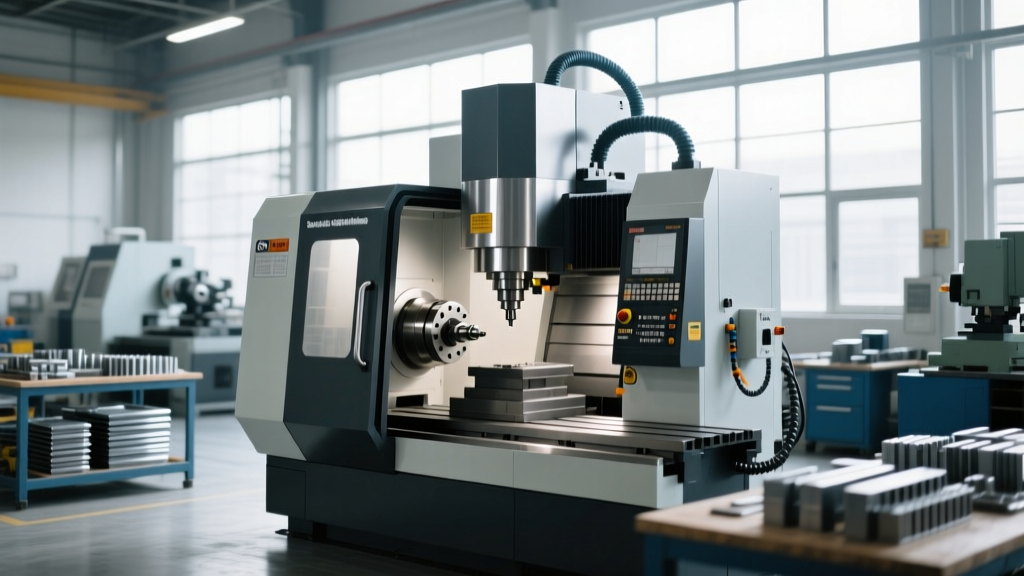
The financial impact of safety standards scales with machine complexity. A 3-axis vertical machining center (VMC) requires basic interlock guarding, while a 5-axis multi-tasking mill demands redundant safety PLCs, automated door interlocks, and laser area scanners to manage complex kinematic envelopes.
| Machine Tier (2026 Market) | Base MSRP Range | Required Safety Add-ons | Total Compliant Cost |
|---|---|---|---|
| Entry-Level 3-Axis VMC (e.g., Haas Mini Mill class) | $45,000 - $65,000 | $3,500 - $5,000 (Basic interlocks, E-stop relays, polycarbonate shielding) | $48,500 - $70,000 |
| Mid-Range 4/5-Axis VMC (e.g., DMG MORI M2 class) | $120,000 - $180,000 | $12,000 - $18,000 (Safety PLC, light curtains, dynamic braking, CE package) | $132,000 - $198,000 |
| High-End Multi-Tasking Mill (e.g., Mazak INTEGREX class) | $350,000 - $500,000+ | $25,000 - $40,000 (Redundant GuardLogix systems, laser scanners, automated roof interlocks) | $375,000 - $540,000+ |
Mandatory Standards Driving Upfront Hardware Costs
The hardware required to satisfy regulatory bodies is not optional; it is engineered into the machine's electrical cabinet and physical enclosure. Two primary frameworks dictate these costs for milling operations.
OSHA 29 CFR 1910.212 and ANSI B11.8
In the United States, the Occupational Safety and Health Administration (OSHA) enforces general machine guarding under 29 CFR 1910.212, while the specific technical requirements for milling machines are detailed in the ANSI B11.8 standard. Compliance requires that any access point to the cutting zone be protected by physical barriers or presence-sensing devices.
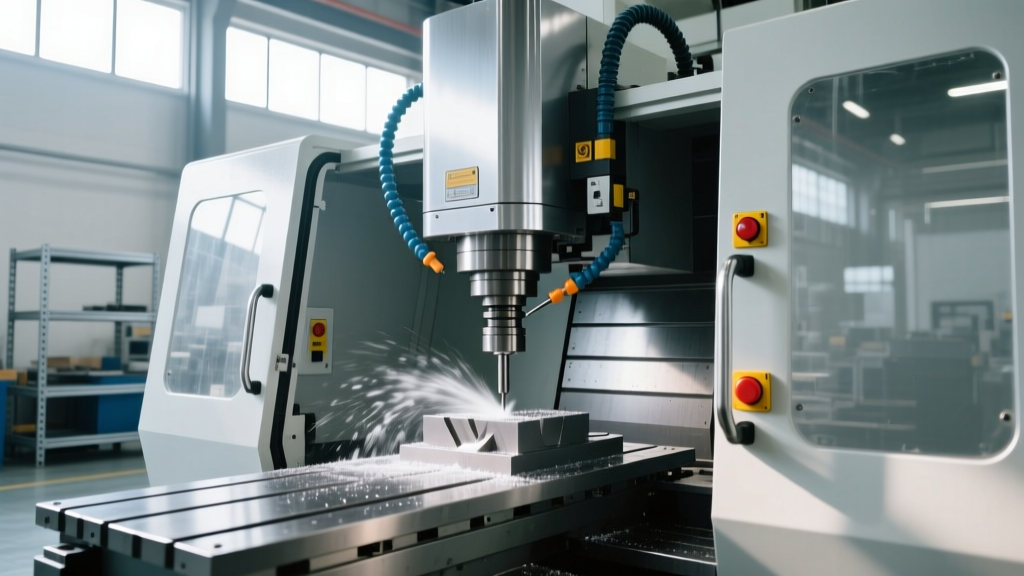
- Polycarbonate Enclosures: Standard acrylic windows shatter under the impact of a broken carbide endmill or ejected workpiece. ANSI B11.8 mandates the use of specialized polycarbonate (e.g., Makrolon) with specific thickness ratings (usually 12mm to 15mm for heavy milling), which costs 300% more than standard acrylic.
- Dual-Channel E-Stops: A single emergency stop button is legally insufficient. Machines must utilize dual-channel, positively driven contacts wired to a safety relay to ensure that a single wire failure does not defeat the E-stop circuit.
ISO 16090-1 and the CE Marking Premium
For facilities operating globally or purchasing European-manufactured equipment, ISO 16090-1:2017 outlines the safety requirements specifically for milling machines and boring mills. Achieving CE marking requires a comprehensive risk assessment and the integration of advanced safety controllers.
This standard mandates that safety functions (like door interlocks and spindle overrides) be separated from the standard CNC control logic. This forces manufacturers to install dedicated safety hardware, such as an Allen-Bradley GuardLogix or Pilz PNOZ safety PLC, alongside the standard machine controller, directly increasing the electrical bill of materials.
Warning: The Grey-Market Import TrapPurchasing a low-cost CNC mill directly from overseas manufacturers via platforms like Alibaba often bypasses ANSI and OSHA compliance. While the initial invoice may show a $25,000 machine, bringing it into legal compliance in 2026 requires hiring a certified safety integrator to rip out non-compliant Chinese relays, install UL-listed safety contactors, and retrofit guarding. This aftermarket integration routinely costs $10,000 to $15,000, entirely erasing the initial discount and voiding the manufacturer's warranty.
Itemized Breakdown of Safety Component Costs
To accurately forecast the cost of cnc milling machine compliance, procurement teams must evaluate the specific safety components required for their operational risk profile. Below is a 2026 pricing guide for standard safety automation hardware used in milling environments.
- Safety PLCs (e.g., Pilz PNOZ m B1, Allen-Bradley GuardLogix 5580): $2,800 - $4,500. These units process dual-channel signals from interlocks and E-stops, ensuring safe torque off (STO) on the spindle and axis drives.
- Type 4 Light Curtains (e.g., SICK C4000, Keyence GL-R): $2,200 - $3,500 per pair. Required for large-format boring mills or gantry mills where physical sliding doors are impractical. They create an invisible optical barrier that halts the machine if an operator breaches the perimeter.
- Solenoid Interlocks with Guard Locking (e.g., Schmersal AZM201): $450 - $750 each. Unlike simple limit switches, these devices physically lock the machine door shut while the spindle is rotating, preventing operators from opening the enclosure during high-speed cuts. A standard 5-axis mill requires at least two.
- Dynamic Spindle Braking Resistors: $600 - $1,200. Safety standards dictate maximum stopping times for spindles after an E-stop is triggered. Heavy milling spindels require external braking resistors to dissipate kinetic energy and halt rotation within 2 to 4 seconds.
Decision Framework: Auditing Vendor Quotes for Compliance
When evaluating quotes from machine tool builders, use this step-by-step framework to ensure the proposed cost of cnc milling machine includes all necessary safety architecture.
- Request the Safety Circuit Schematic: Do not accept a quote that simply lists 'Safety Package'. Demand the electrical schematic to verify the presence of a dedicated safety PLC or dual-channel safety relays.
- Verify Guarding Material Specifications: Check the bill of materials for the enclosure windows. Ensure it specifies polycarbonate (Makrolon or Lexan) with a documented thickness (minimum 12mm for heavy cutting). If it lists 'acrylic' or 'PETG', reject the quote.
- Confirm Safe Torque Off (STO) Integration: Ensure the servo drives and spindle drive feature native STO functionality (SIL 3 / PL e) wired directly to the safety controller, rather than relying on main contactors to cut power.
- Audit the Risk Assessment Documentation: For CE-marked machines, the vendor must provide a complete ISO 12100 risk assessment document. If they cannot produce this, the CE mark is likely self-certified and legally invalid in strict jurisdictions.
FAQ: Compliance and Financial Offsets
Can safety equipment costs be expensed or deducted?
Yes. In the United States, the IRS Section 179 deduction allows businesses to deduct the full purchase price of qualifying equipment, including mandatory safety guarding and automation upgrades, in the year they are placed in service. Additionally, many state-level OSHA consultation programs offer grants or workers' compensation premium discounts for facilities that implement verified safety guarding on CNC machinery. Consult OSHA's Machine Guarding resources for state-specific compliance assistance programs.
Does retrofitting an older CNC mill cost more than buying new?
Retrofitting a legacy CNC mill (e.g., a 2012-era VMC with outdated relay logic) to meet 2026 ANSI B11.8 standards typically costs between $8,000 and $14,000. This involves replacing the electrical cabinet's safety circuitry, upgrading door interlocks to solenoid locks, and installing polycarbonate shielding. While expensive, it is often 50% cheaper than purchasing a brand-new compliant machine, provided the spindle and ball screws are still within tolerance.
Are light curtains legally required on all CNC mills?
No. Light curtains are generally only required on large-format gantry mills, floor-type boring mills, or open-architecture machines where installing physical interlocked guards is mechanically unfeasible or hinders necessary crane loading. Standard enclosed vertical machining centers (VMCs) satisfy OSHA and ISO requirements using physical polycarbonate enclosures with solenoid interlocks, which are significantly cheaper than presence-sensing light curtains.