CNC Machining Aluminum: Machine & Tool Maintenance Schedules
Optimize uptime with precise maintenance schedules for CNC machining aluminum. Master tool life, coolant filtration, and high-RPM spindle care.
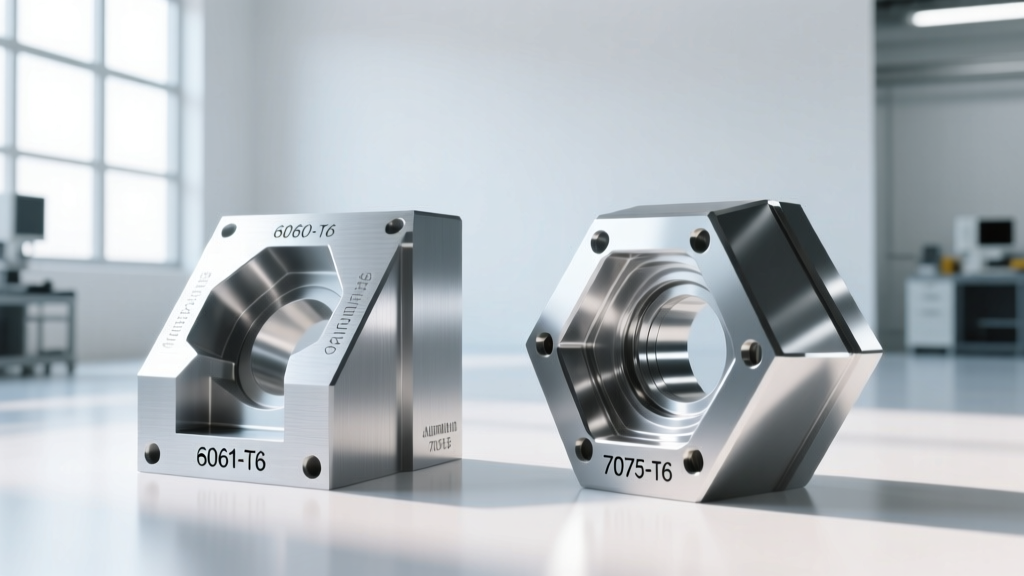
CNC machining aluminum—particularly aerospace-grade 7075-T6 and commercial 6061-T6—imposes a unique operational profile on vertical and horizontal machining centers. Unlike steel or titanium, which demand high torque and low RPMs, aluminum removal relies on extreme spindle speeds (12,000 to 24,000 RPM) and rapid traverse rates frequently exceeding 800 IPM. This specific kinematic environment accelerates wear on high-speed spindle bearings, way covers, and coolant filtration systems. Adhering to a rigid, material-specific maintenance schedule is the only way to prevent catastrophic machine degradation and maintain tight tolerances.
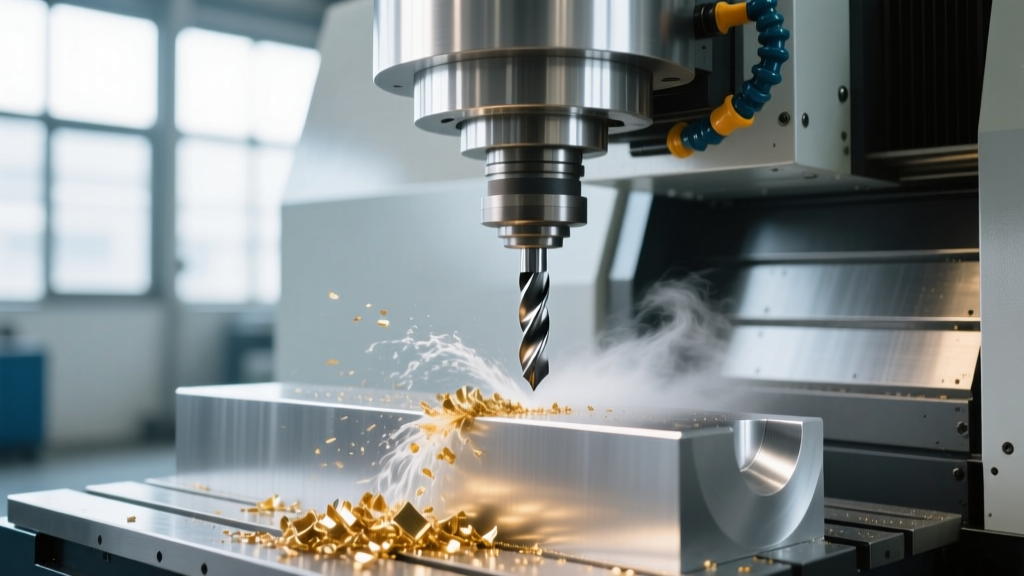
Critical Alert: The Aluminum Chip HazardAluminum's high ductility produces long, stringy chips that easily wrap around toolholders and spindle noses. If way wipers fail, these sharp chips infiltrate linear guide blocks, causing catastrophic rail scoring. Always verify way wiper integrity before initiating high-speed adaptive clearing toolpaths.
High-RPM Spindle Bearing Service Intervals
When CNC machining aluminum, shops typically utilize HSK-A63 or CAT40 tooling interfaces paired with 15,000 to 24,000 RPM spindles. These spindles rely on grease-packed ceramic hybrid bearings to manage the extreme centrifugal forces and thermal expansion. According to SKF Super Precision Bearing guidelines, the grease life in high-speed spindles is significantly shorter than in standard 8,000 RPM torque spindles.
Grease Degradation and Rebuild Timelines
Under continuous high-speed aluminum roughing, spindle bearing grease degrades due to thermal shearing. Shops running 20,000 RPM spindles for 60+ hours a week must schedule a spindle teardown and regreasing every 8,000 to 10,000 operating hours. Ignoring this interval leads to bearing cage failure, which can destroy the spindle shaft and cost between $4,500 and $8,000 to rebuild. For machines equipped with automated oil-air spindle lubrication systems, verify the metering valves every 500 hours to ensure the precise 0.05cc per cycle dosage is reaching the bearings without flooding them, which causes parasitic heat generation.
Linear Guide Way Wipers and Ball Screw Lubrication
The high traverse rates required for aluminum machining place immense stress on way covers and ball screws. Standard felt way wipers are entirely insufficient for aluminum; the sharp, work-hardened chips act like sandpaper, slicing through felt and entering the linear rail carriages.
- Way Wiper Upgrades: Retrofit all axis covers with specialized polyurethane scraper wipers (such as those from Hennig or KabelSchlepp). These must be inspected monthly and replaced every 6 months or 2,000 hours, whichever comes first.
- Ball Screw Starvation: Rapid traversing at 800 IPM can physically wipe lubricant off the ball screw shaft faster than the automatic lubricator can replenish it. During heavy aluminum roughing cycles, reprogram the machine's automatic lube cycle from the standard 30-minute interval to a 15-minute interval to prevent ball nut starvation and subsequent backlash errors.
Tooling Lifecycle and Replacement Matrix
Tool wear in aluminum is rarely abrasive; it is primarily adhesive. Built-up edge (BUE) occurs when aluminum welds to the cutting edge, eventually breaking off and taking the carbide substrate with it. Selecting the correct coating and tracking its specific lifecycle is vital for cost control. The Sandvik Coromant Aluminum Milling Knowledge base emphasizes that uncoated or specialized low-friction coatings are mandatory to prevent BUE.
| End Mill Specification | Ideal Alloy Target | Avg. Cost (1/2 in.) | Expected Tool Life | Failure Mode |
|---|---|---|---|---|
| Uncoated Carbide (3-Flute, 45° Helix) | 6061-T6, 6063 | $28 - $35 | 450 Linear Inches | Flute packing, chip welding |
| TiB2 Coated (3-Flute, 50° Helix) | 7075-T6, 2024-T3 | $45 - $55 | 850 Linear Inches | Edge chipping on hard inclusions |
| ZrN Coated (2-Flute, High Core) | A380 Cast, 356-T6 | $55 - $70 | 1,200 Linear Inches | Abrasive flank wear from silicon |
"Tracking tool life by linear inches cut rather than time is critical in aluminum. A 3-flute TiB2 coated end mill running at 60 IPM will last three times longer in calendar days than one running at 180 IPM, but the linear inch yield remains relatively constant. Use your CNC controller's macro variables to track exact linear travel per tool."
Coolant Concentration and Filtration Schedules
Aluminum machining generates massive volumes of fine swarf (aluminum dust) alongside larger chips. If this swarf is not filtered out, it recirculates through the coolant pump, acting as a lapping compound that destroys pump seals and leaves a matte, scratched finish on machined surfaces. Furthermore, aluminum is highly reactive to improper coolant chemistry, leading to white oxidation and staining.
Chemical Maintenance Parameters
For semi-synthetic coolants optimized for aluminum (such as Master Chemical's TRIM line), strict adherence to chemical balances is required. Reference the Harvey Tool Aluminum Technical Guide for specific fluid interaction warnings. Maintain the following daily checks:
- Concentration: Keep between 8% and 10% using a refractometer. Dropping below 7% invites bacterial growth and corrosion; exceeding 12% causes sticky residue that clogs machine way covers.
- pH Levels: Maintain a pH between 8.8 and 9.2. If pH drops below 8.5, the coolant loses its ability to protect the aluminum from galvanic oxidation, resulting in black or white staining on the finished parts.
- Tramp Oil: Aluminum fines bind with tramp oil (way lube leaking into the sump) to form a thick sludge. Skim tramp oil daily and use a coalescer weekly.
Filtration Hardware Servicing
Standard 100-micron mesh drum filters are inadequate for high-volume aluminum machining. Upgrade to a vacuum filtration system utilizing 30-micron to 50-micron filter paper. The filter paper roll must be checked weekly, and the vacuum chamber seals must be inspected every 500 hours to ensure fine aluminum dust is not bypassing the media.
The 500-Hour Preventative Maintenance Checklist
To systematize the maintenance of a CNC mill dedicated to aluminum, implement this strict 500-hour (approximately 6 to 8 weeks) service schedule. Assign these tasks to a specific technician and log them in the machine's digital maintenance tracker.
Pro-Tip: Spindle Runout VerificationAt the 500-hour mark, mount a 0.0001-inch dial indicator on the spindle nose and measure runout at the toolholder flange. If runout exceeds 0.0002 inches, the toolholder retention knobs may be yielding, or the spindle taper requires cleaning with a specialized taper wiper and isopropyl alcohol.
Critical 500-Hour Action Items
- Toolholder Retention Knobs: Remove all retention knobs from CAT40/HSK holders. Inspect for micro-fractures and measure the gauge line. Replace any knob that shows visible wear or has been in service for over 2,000 hours. A failed pull-stud at 20,000 RPM is lethal.
- Coolant Tank Evacuation: Completely drain the sump. Shovel out accumulated aluminum sludge from the bottom corners and chip auger troughs. Power-wash the interior before refilling with fresh water and concentrate.
- Axis Servo Motor Brushes: If operating older DC servo motors, inspect brushes. (Note: Modern AC brushless servos require no brush maintenance, but their cooling fans and heat sink fins must be blown out with compressed air to prevent overheating during rapid traverse cycles).
- Way Lube Reservoir: Drain and flush the way lube reservoir. Refill with the exact OEM-specified ISO 68 way oil. Using the wrong viscosity will cause the oil to be thrown off the ways during high-speed aluminum milling, leading to stick-slip phenomena and poor surface finishes.
By treating CNC machining aluminum not just as a programming challenge, but as a distinct mechanical environment, shops can extend spindle life by up to 30%, eliminate catastrophic way cover failures, and ensure consistent surface finishes across multi-week production runs.