CNC Engraving Machine for Metal vs Fiber Laser: 2026
Compare a rotary CNC engraving machine for metal against fiber laser alternatives. Analyze costs, depth limits, and 2026 shop decision frameworks.
The Core Dilemma: Rotary CNC vs. Fiber Laser
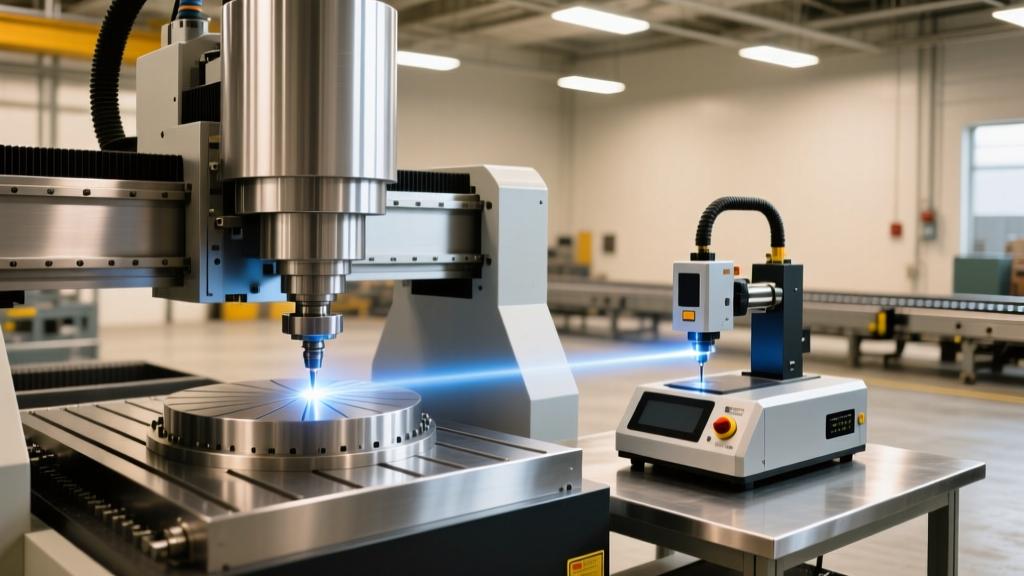
When sourcing a cnc engraving machine for metal, fabrication shops and machine facilities typically face a binary technological choice: traditional rotary CNC milling or non-contact fiber laser systems. While both technologies permanently mark metals, their underlying physics dictate vastly different capabilities regarding depth, speed, material compatibility, and operational overhead. Selecting the wrong platform for your specific application leads to either bottlenecked production cycles or premature tooling failure.
Executive Summary: The 2026 Verdict
Deploy a Rotary CNC Engraver if your application demands deep 3D relief (0.5mm to 5.0mm), structural part serialization that must survive heavy abrasion, or if you are machining tough, reflective alloys like Inconel or thick copper.
Deploy a Fiber Laser Engraver if your priority is high-speed 2D annealing, barcode/QR serialization, variable data marking, and eliminating mechanical tooling consumables entirely.
Rotary CNC Engraving Machines for Metal: Capabilities & Costs
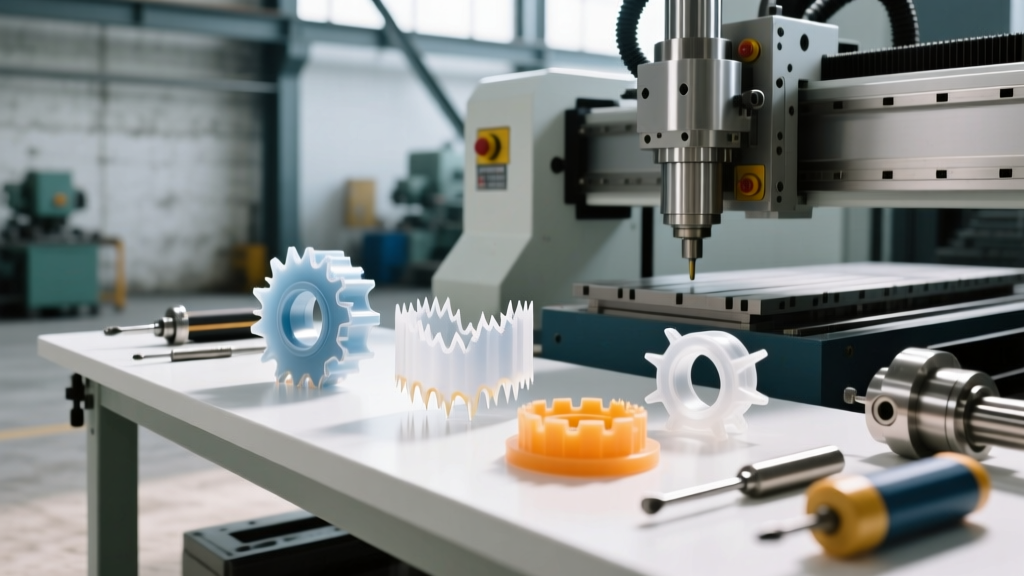
A dedicated CNC engraving machine for metal utilizes high-RPM spindles (typically 20,000 to 60,000 RPM) paired with micro-grain solid carbide V-bits or ball-nose end mills. Unlike standard CNC mills, engravers prioritize spindle runout accuracy over heavy-torque material removal.
Critical Specifications and Pricing
- Desktop/Prosumer Tier: Systems like the Roland EGX-350 (priced around $8,500) offer excellent entry-level precision. They utilize air-cooled spindles and ER11 collets, suitable for soft metals like 6061 aluminum, brass, and acrylic.
- Industrial Tier: Systems like the DATRON M8 or specialized Benchman CNCs range from $65,000 to over $95,000. These feature liquid-cooled spindles, precision-ground collets (runout <0.003mm), and integrated vacuum tables or mist-coolant systems necessary for aerospace-grade titanium and stainless steel.
Tooling and Machining Realities
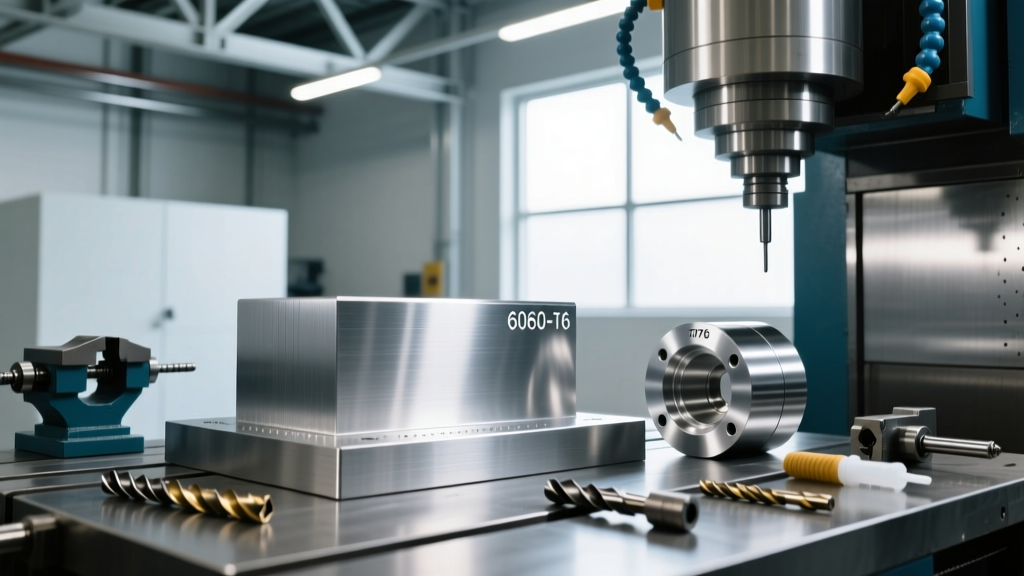
The limiting factor in CNC metal engraving is spindle runout. If your machine has a runout exceeding 0.01mm, the micro-tips of a 120-degree carbide V-bit will snap under lateral load. For engraving 6061-T6 aluminum, optimal parameters typically involve a 12,000 RPM spindle speed, a feed rate of 40 IPM, and a depth of cut (DOC) not exceeding 0.005 inches per pass. Attempting deeper cuts in a single pass causes chip evacuation failure, leading to tool welding and ruined workpieces.
Fiber Laser Engravers: The Non-Contact Alternative
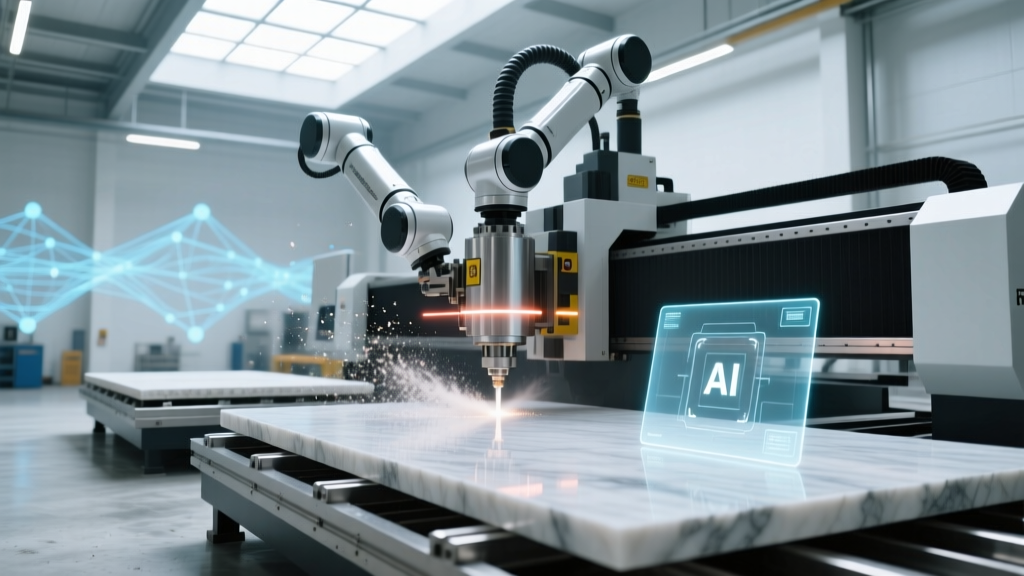
Fiber lasers (operating at a 1064nm wavelength) have largely replaced CO2 lasers for metal marking. The beam is delivered via a fiber optic cable to a galvo-scanner head, allowing for marking speeds that CNC machines physically cannot match. According to Epilog Laser's material processing guidelines, fiber lasers excel at annealing stainless steel and deep engraving tool steels without inducing mechanical stress.
MOPA vs. Q-Switched Technology
When evaluating laser alternatives, the distinction between Q-Switched and MOPA (Master Oscillator Power Amplifier) is critical:
- Q-Switched (Standard): Fixed pulse width. Excellent for basic deep engraving and removing anodized layers. Units like the Boss Laser FC-50W cost approximately $14,000.
- MOPA (Advanced): Variable pulse width (10ns to 500ns). This allows operators to mark anodized aluminum without breaking the oxide layer (preventing corrosion) and generate specific colors on stainless steel and titanium via controlled surface oxidation. High-end MOPA systems like the Epilog FiberMark 24 command prices near $32,000.
Head-to-Head Specification Matrix
| Metric | Desktop CNC Engraver (e.g., Roland EGX) | 50W MOPA Fiber Laser |
|---|---|---|
| Max Engraving Depth | 5.0mm+ (Milling capability) | ~0.5mm (Deep engraving mode) |
| Marking Speed | 10 - 60 IPM (Feed rate limited) | Up to 280 inches/second (Galvo limited) |
| Edge Quality | Sharp, mechanical V-groove | Thermal melt zone, slight burring on deep cuts |
| Copper/Brass Handling | Excellent (Mechanical removal) | Poor to Fair (High reflectivity risks optics) |
| Consumable Costs | High (Carbide bits, coolant, collets) | Near Zero (F-theta lens replacement every 5+ years) |
Decision Tree: Matching Technology to Application
Use this framework to finalize your capital equipment purchase:
- Does the mark require tactile depth greater than 0.2mm?
Yes: Buy a CNC engraving machine for metal. Lasers take exponentially longer to achieve deep reliefs and create excessive thermal burrs that require secondary deburring.
No: Proceed to step 2. - Are you marking highly reflective alloys like pure copper or beryllium copper?
Yes: Buy a CNC engraver. The 1064nm wavelength of standard fiber lasers reflects off copper, risking catastrophic back-reflection damage to the laser's isolator optics.
No: Proceed to step 3. - Is the production volume high with variable data (e.g., sequential serial numbers, dynamic QR codes)?
Yes: Buy a Fiber Laser. The software integration for dynamic databases and the 10-second marking cycle time will yield an ROI within months.
No: A CNC system may offer better versatility if you also need to cut out part profiles or drill holes.
Hidden Operational Costs & Edge-Case Failures
Brochures rarely highlight the secondary costs associated with metal marking. Understanding these failure modes is essential for accurate 2026 budget forecasting.
CNC Tooling Wear and Coolant Management
Engraving stainless steel (e.g., 304 or 316L) work-hardens the material rapidly. If your CNC engraver lacks a high-pressure mist coolant system, the heat generated at the cutting edge will anneal the carbide tool, causing micro-chipping within 50 to 100 linear inches of cutting. Furthermore, shops must comply with strict air quality standards. As outlined in OSHA's metalworking fluid guidelines, aerosolized coolants and fine metal particulates require localized exhaust ventilation (LEV) systems, adding $2,000 to $5,000 to your initial CNC setup cost.
Laser Reflectivity and F-Theta Lens Degradation
While fiber lasers are marketed as 'maintenance-free,' marking oily or dirty metals causes a hidden failure mode. When a laser strikes residual machining oil on a steel part, the oil vaporizes and settles onto the F-Theta focusing lens. Over time, this carbon buildup absorbs the laser's energy, causing the lens to crack from thermal shock. Operators must implement a strict pre-marking cleaning protocol using isopropyl alcohol, and budget $400 to $800 for replacement F-Theta lenses every 3 to 5 years depending on shop cleanliness.
'The biggest mistake shops make in 2026 is buying a standard Q-switched fiber laser for medical device marking. Medical implants require deep, burr-free marks that won't harbor bacteria. A CNC engraver with a single-flute diamond bit produces a mirror-finish groove that a thermal laser simply cannot replicate without post-processing.' — Machining Process Engineer, Tier 1 Medical Supplier
Final Procurement Advice
If your shop primarily produces aerospace tags, deep-cavity molds, or tactile signage, invest in a rigid CNC engraving platform with a liquid-cooled spindle and precision collets. If your workflow revolves around high-volume electronics housings, tool serialization, and rapid barcode generation, a 50W MOPA fiber laser is the undisputed champion of efficiency. Map your exact depth requirements and material reflectivity before signing the purchase order to avoid costly technological mismatches.