How to Work a CNC Machine for Aluminum: Maintenance Schedules
Learn how to work a CNC machine for aluminum with precise maintenance schedules, coolant pH management, and spindle care for 6061 and 7075 alloys.
The Aluminum Paradigm: Why Standard Maintenance Fails
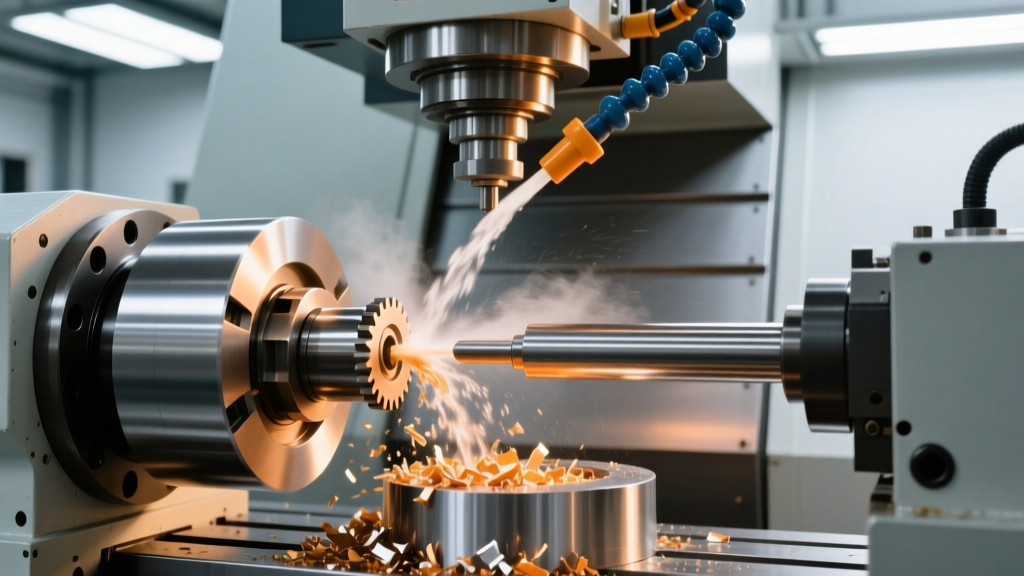
Machining aluminum alloys like 6061-T6 and 7075-T6 demands a fundamentally different approach to equipment upkeep than cutting steel or titanium. When training new operators on how to work a CNC machine for aluminum production, the curriculum must heavily emphasize fluid management, chip morphology, and thermal stability over simple G-code editing. Aluminum generates high volumes of fine, abrasive particulate and stringy, work-hardened chips that can rapidly degrade machine components if not managed aggressively.
⚠️ Critical Warning: The Grinding Paste EffectAluminum fines that bypass way-cover seals will mix with ISO 68 way lube (such as Mobil Vactra No. 2). This combination creates a highly abrasive lapping compound that will score linear guideways and ballscrews within months, leading to catastrophic positioning errors and $15,000+ replacement costs.
Daily Operator Shift Routine (The 15-Minute Protocol)
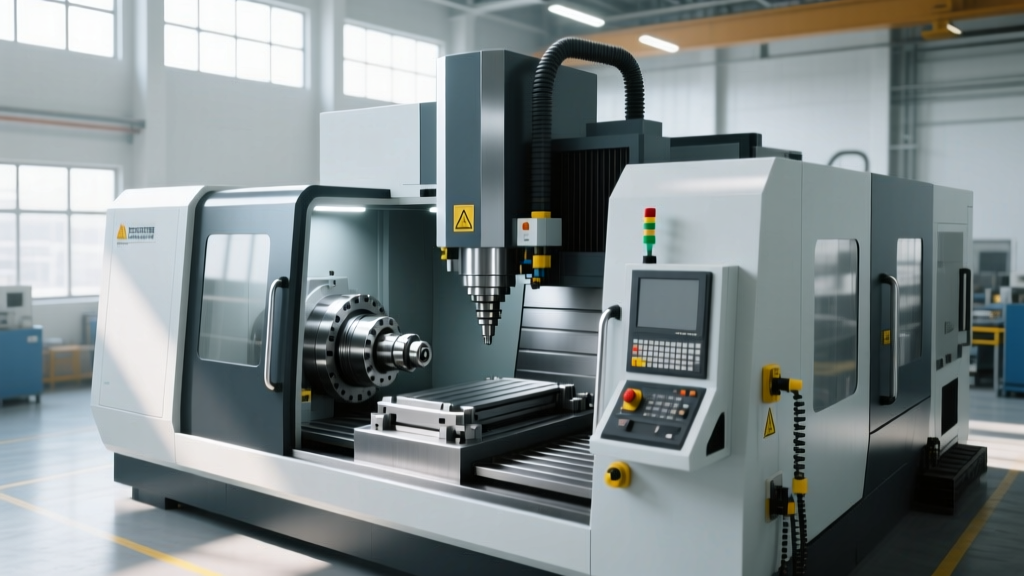
Understanding how to work a CNC machine efficiently means empowering operators to catch micro-failures before they cascade. The daily maintenance checklist for an aluminum-dedicated VMC (Vertical Machining Center) must include:
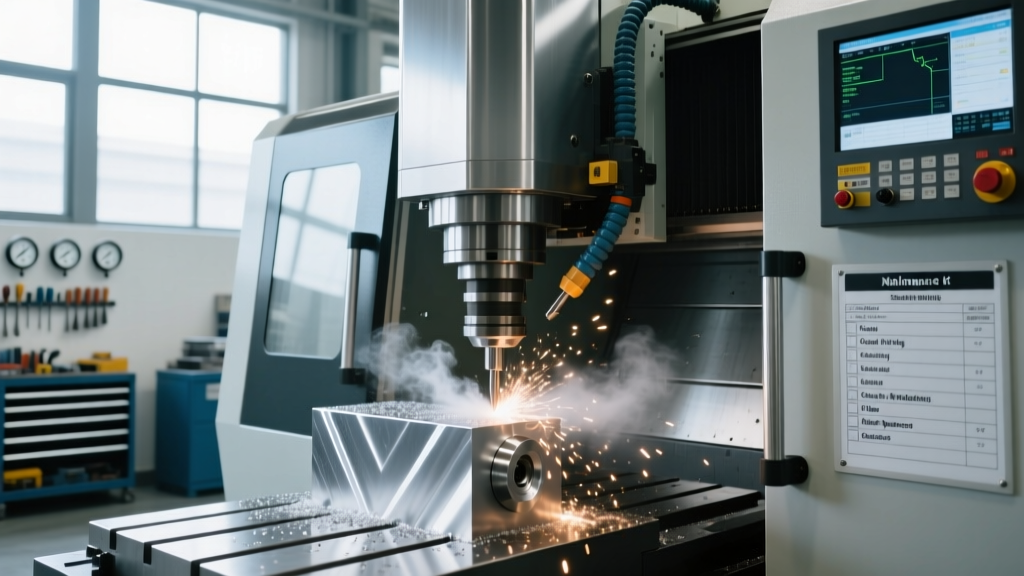
- Coolant Concentration Check: Use a handheld refractometer every morning. Aluminum requires a strict 8% to 10% concentration to prevent Built-Up Edge (BUE) and part staining.
- pH Level Verification: Test with litmus strips or a digital pH meter. The fluid must remain between 8.8 and 9.2. A drop below 8.5 causes the coolant to attack the aluminum, releasing hydrogen gas and turning parts gray/black.
- Tramp Oil Skimming: Run the belt or disc skimmer for at least 20 minutes per shift. Aluminum fines bind to tramp oil, creating a thick sludge that clogs TSC (Through Spindle Coolant) unions.
- Chip Conveyor Auger Inspection: Stringy 6061 chips can wrap around the conveyor drive shaft. Clear the tensioning bolts and verify the torque limiter is free of aluminum nesting.
Fluid Dynamics and Filtration Management
According to Master Fluid Solutions Technical Resources, synthetic and semi-synthetic coolants formulated for aluminum rely on specific lubricity additives that deplete over time. Simply adding water to top off the sump dilutes these additives, leading to premature tool wear and poor surface finishes on milled pockets.
| Parameter | Target Spec (Aluminum) | Corrective Action |
|---|---|---|
| Refractometer Reading | 4.0 - 4.5 Brix (x 2.2 Multiplier) | Add concentrated TRIM MicroSol 585XT |
| pH Level | 8.8 - 9.2 | Add pH increaser; check for anaerobic bacteria |
| Water Hardness | 50 - 150 ppm | Use RO water if hardness exceeds 200 ppm |
| TSC Filter Bag | 20-Micron Nominal | Replace weekly; never wash and reuse |
Way Cover and Lube System Integrity
Telescopic steel way covers are the primary defense against aluminum chips entering the machine's internal mechanics. During the weekly service interval, technicians must inspect the wiper seals on the X and Y-axis way covers. Aluminum chips have sharp edges that easily slice through standard polyurethane wipers. Upgrade to heavy-duty Kevlar-reinforced wipers if your shop runs 24/7 lights-out aluminum milling.
Additionally, verify the automatic way lube system's volumetric distributors (metering units). If a single zone fails to cycle, that axis will run dry. Use a thermal camera to scan the ballscrews after a 30-minute rapid-traverse cycle; any localized hot spots indicate lubrication starvation or misalignment.
Spindle Taper and Tool Holder Smearing
Aluminum dust is electrostatically charged and highly adhesive. It readily bypasses air purges and infiltrates the CAT40 or BT40 spindle taper. When a tool holder is clamped with aluminum dust inside the taper, the massive clamping force (up to 2,500 lbs on a standard retention knob) smears the aluminum into the spindle's ground surface. This causes TIR (Total Indicated Runout) to spike from 0.0001" to over 0.001", ruining finish passes and accelerating spindle bearing wear.
The Fix: Operators must wipe the tool holder taper with a lint-free cloth soaked in 99% isopropyl alcohol before every tool change. The spindle taper itself must be cleaned with a specialized taper-cleaning stick and alcohol at the end of every shift. Refer to the Haas Automation Service Manuals for specific spindle air-purge pressure settings (typically 25-30 PSI) to ensure positive outward airflow during tool changes.
Annual Overhaul and 2026 Calibration Costs
Even with flawless daily maintenance, thermal cycling and high-speed contouring will alter a machine's geometric accuracy. Budgeting for annual precision verification is a non-negotiable aspect of managing a high-end CNC fleet.
2026 Calibration & Service Cost Matrix
- Renishaw Ballbar QC20-W Testing: $1,200 - $1,800 per machine. Identifies servo mismatch, backlash, and squareness errors in under 20 minutes.
- Laser Interferometry (Full Volumetric): $3,500 - $5,500. Required for aerospace shops holding ±0.0002" true position tolerances on 7075 structural ribs.
- Spindle Vibration Analysis: $800 - $1,200. Baseline vibration signatures predict bearing failure 4-6 months in advance.
- Coolant Sump Deep Clean & Fluid Swap: $2,500 - $4,000 (outsourced). Includes high-pressure hydro-blasting of internal baffle plates to remove aluminum bio-film.
"The most common cause of premature spindle failure in aluminum machining isn't high RPMs; it's the microscopic aluminum dust that breaches the air seal and contaminates the ceramic bearings. Shop floors that master taper cleanliness double their spindle lifespan."
— Senior Applications Engineer, Sandvik Coromant Machining Knowledge Hub
Frequently Asked Questions (FAQ)
Why does my aluminum coolant smell like rotten eggs?
This indicates anaerobic bacteria growth, which thrives when tramp oil blankets the sump surface, cutting off oxygen. The bacteria reduce sulfur compounds in the coolant, producing hydrogen sulfide gas. Immediately skim the tramp oil, shock-treat the sump with a biocide, and increase aeration via an air sparger.
How often should I change the TSC union filter for aluminum?
While steel operations might run 6 months on a single filter, aluminum fines will blind a standard 100-micron washable screen in weeks. Install a 20-micron disposable bag filter housing and swap the bag every 400 to 500 spindle hours to protect the rotary union seals from abrasive scoring.
Can I use the same way lube for aluminum and steel cutting?
Yes, but the delivery rate must be adjusted. Aluminum cutting generates significantly less localized heat at the way-cover interface than heavy steel milling. You can often reduce the way lube discharge volume by 15-20% on aluminum-dedicated machines, which minimizes the amount of oil available to bind with aluminum fines and create sludge.