High-Torque Spindle CNC Machine Costs for Stainless Steel
Analyze capital and operational costs for a high-torque spindle CNC machine tailored for stainless steel, including ROI frameworks and tooling budgets.
The True Cost of Machining Stainless Steel
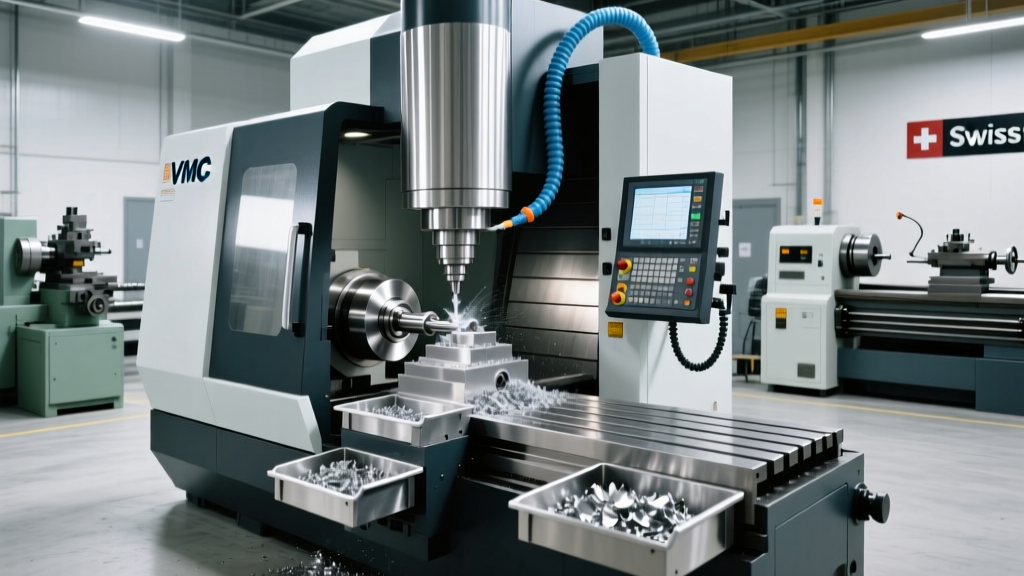
Stainless steel—specifically austenitic grades like 304 and 316L, alongside precipitation-hardening alloys like 17-4 PH—presents unique thermal and mechanical challenges in subtractive manufacturing. Its exceptionally low thermal conductivity means that up to 80% of the cutting heat remains in the tool and workpiece rather than evacuating with the chip. When paired with high work-hardening rates, standard 8,000 RPM belt-driven vertical machining centers (VMCs) quickly become financial liabilities. They lack the low-end torque required for heavy roughing, leading to tool chatter, severe work hardening, and catastrophic insert failure.
Procuring a high-torque, direct-drive spindle CNC machine is not a luxury for stainless applications; it is a baseline requirement for profitable unit economics. According to Sandvik Coromant's metallurgical guidelines, machining ISO M materials requires rigid setups and high-pressure coolant to manage the built-up edge (BUE) and stringy chip formation inherent to stainless alloys. This guide breaks down the exact capital expenditures (CapEx), operational costs (OpEx), and hidden maintenance budgets required to run a stainless-steel-focused CNC cell in 2026.
WARNING: Work Hardening & Spindle LoadIn 316L stainless, improper cutting parameters or spindle stalling can increase surface hardness by up to 60% due to work hardening. This spikes spindle load, accelerates P4-class bearing wear, and can snap solid carbide tooling instantly. Never compromise on low-end torque (below 2,000 RPM) when selecting a spindle for these materials.
Capital Expenditure: Pricing Tiers for Spindle CNC Machines
The base price of a machine is only the entry ticket. For stainless steel, you must prioritize torque curves over top-end RPM, and direct-drive or gear-driven spindles over belt-driven systems. Below is a comparative breakdown of three machine tiers configured for heavy stainless milling.
| Machine Tier | Representative Model | Spindle Specs & Torque | Est. 2026 Base Price |
|---|---|---|---|
| Entry-Level VMC | Haas DS-2 (Inline Direct-Drive) | 12,000 RPM / 120 ft-lb @ 2,000 RPM / BT40 | $115,000 - $128,000 |
| Mid-Range Production | DMG MORI CMX 600 V (speedMASTER) | 15,000 RPM / 130 Nm (95 ft-lb) / BT40 | $165,000 - $185,000 |
| High-End Heavy Duty | Okuma GENOS M460VE | 15,000 RPM / 200+ Nm (147+ ft-lb) / BIG-PLUS BT40 | $220,000 - $255,000 |
Spindle Specifications That Dictate Price
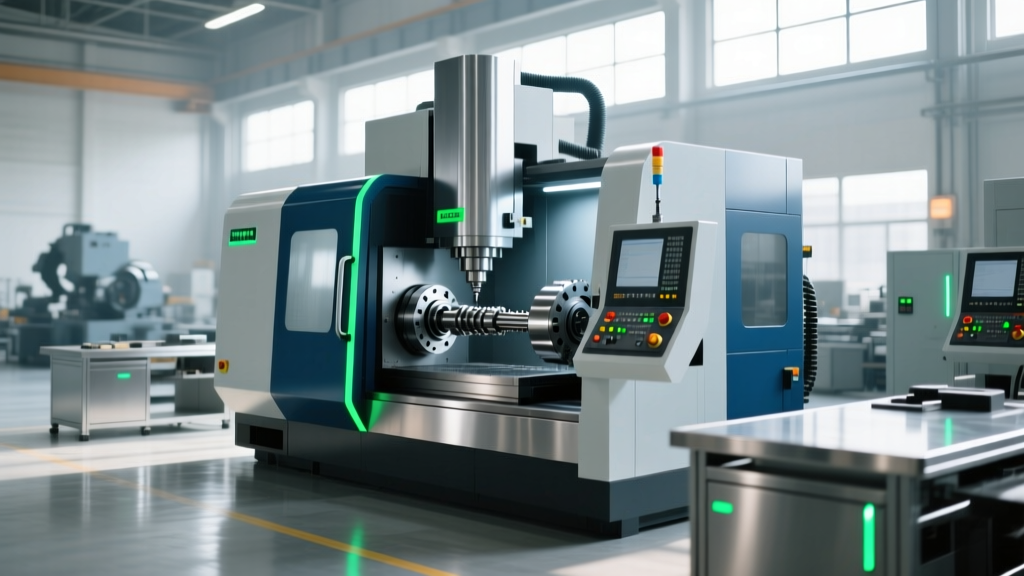
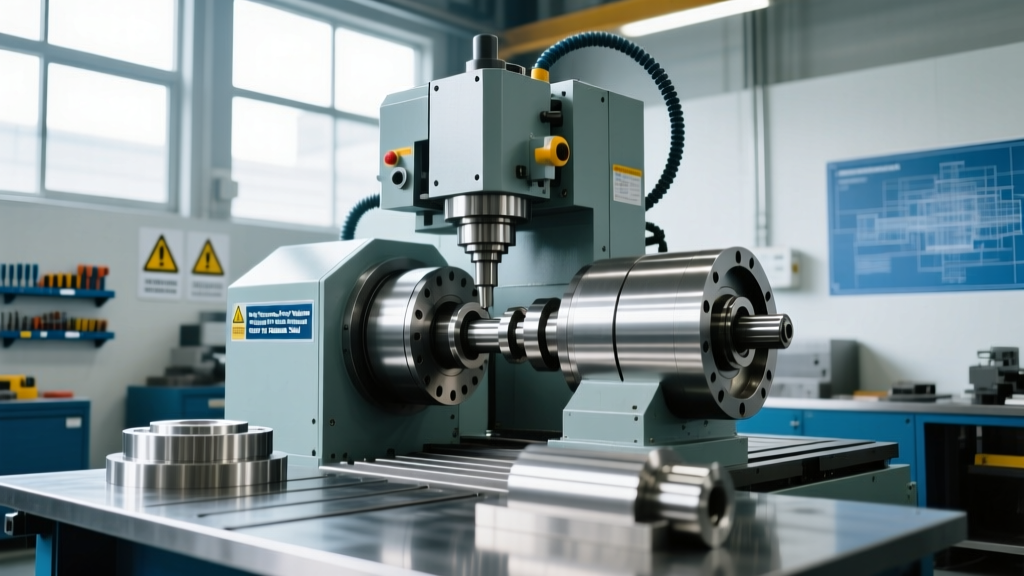
When budgeting, understand why certain spindles cost more. A standard belt-driven spindle loses up to 15% of its torque to belt slip and friction at low RPMs. Direct-drive spindles couple the motor directly to the spindle shaft, delivering 100% of the rated torque instantly. Furthermore, taper selection matters. While BT50 provides 30% more radial rigidity for roughing 17-4 PH, a BIG-PLUS BT40 dual-contact taper offers an excellent compromise, providing near-BT50 rigidity while maintaining faster tool change speeds and lower tooling costs.
Operational Budgeting: Tooling and High-Pressure Coolant
A high-torque spindle CNC machine will still bleed money if the ancillary systems are not optimized for ISO M materials. Stainless steel requires aggressive chip evacuation to prevent chip recutting, which destroys tool life.
High-Pressure Coolant (HPC) Integration
Standard flood coolant operating at 200 PSI is insufficient for stainless steel. You must budget for a 1,000 PSI through-tool high-pressure coolant package. This creates a localized hydraulic wedge that breaks stringy stainless chips at the shear zone.
- Integrated HPC Package Cost: $14,500 - $18,500 (factory-installed).
- Retrofit / Aftermarket HPC Unit: $9,000 - $12,000 (requires additional floor space and 460V power drop).
- Coolant Concentration Maintenance: Stainless requires premium semi-synthetic coolants (e.g., Master Fluid Solutions TRIM MicroSol 585XT) to prevent flash rusting. Budget $3.50 per gallon, with a 55-gallon sump requiring replacement every 6 months ($385/year per machine).
Consumable Tooling Costs
Solid carbide variable-helix endmills with AlTiN (Aluminum Titanium Nitride) or TiCN coatings are mandatory. Standard TiAlN coatings break down at the high cutting temperatures generated by 316L.
Tooling Cost Baseline (Per Machine, Monthly)Assuming a 2-shift operation (16 hours/day) milling 316L valve bodies:
- 1/2" Variable Helix Endmills: $115 - $140 per tool. Expected life: 140 minutes of cut time.
- Indexable Roughing Inserts (ISCAR HELIDO or similar): $18 per edge. 4 edges per insert.
- Monthly Consumable Budget: $3,800 - $5,200 per machine.
ROI Calculation Framework for 2026 Production Runs
To justify the $180,000+ investment in a mid-tier direct-drive spindle CNC machine, you must calculate the cost-per-part reduction against older, lower-torque equipment. Below is a framework based on a 10,000-part production run of 316L marine fittings.
"The ROI of a high-torque spindle isn't just in cycle time; it's in the elimination of secondary deburring operations. High-pressure coolant and rigid spindles produce clean, burr-free edges on austenitic stainless, saving $0.85 per part in manual finishing labor."
— 2026 Advanced Manufacturing Cell Audit, Midwest Precision Engineering
Step-by-Step ROI Breakdown
- Cycle Time Reduction: Direct-drive spindles allow for aggressive adaptive clearing toolpaths (e.g., Mastercam Dynamic Mill) without stalling. Expect a 18-22% reduction in roughing cycle times compared to belt-driven VMCs.
- Tool Life Extension: HPC at 1,000 PSI extends solid carbide tool life by 2.5x to 3x in stainless applications by keeping the cutting edge below 600°C. This reduces monthly tooling spend from $5,200 to $1,900.
- Labor Reallocation: Eliminating manual deburring saves 45 seconds per part. Over 10,000 parts, that is 125 labor hours saved (approx. $3,750 at $30/hr burden rate).
- Break-Even Point: With a $65,000 price premium over a standard VMC, the combined savings in tooling ($3,300/mo) and labor ($1,200/mo) yield a monthly net gain of $4,500. Break-even occurs at month 14.4.
Hidden Costs: Maintenance and Downtime
Stainless steel chips are notoriously abrasive and tend to nest in machine way covers and conveyor hinges. Budgeting for a spindle CNC machine must include the accelerated wear caused by this specific material.
Spindle Bearing Rebuilds
High-torque direct-drive spindles utilize high-precision ceramic hybrid bearings to manage the thermal expansion caused by heavy side-loading during stainless roughing. Even with proper oil-air lubrication, a spindle rebuild in a high-duty stainless environment will be required every 12,000 to 15,000 hours.
- Average Rebuild Cost: $12,500 - $16,000 (including P4-class bearings, seals, and balancing).
- Spindle Chiller Maintenance: Direct-drive spindles require dedicated oil chillers to maintain thermal stability. Budget $800 annually for chiller filter replacements and refrigerant checks.
Way Cover and Conveyor Degradation
The sharp, work-hardened chips generated from 316L will tear standard PVC way cover bellows within 18 months. Upgrade to stainless steel telescopic way covers with reinforced wipers during the initial CapEx phase (add $4,500 to the machine purchase price). Additionally, standard hinge-belt chip conveyors frequently jam with stringy stainless chips. Budget an extra $6,500 for a scraper-type or disc-style conveyor designed specifically for stringy, non-ferrous and stainless materials.
Final Procurement Directives
When issuing an RFQ for a stainless-steel-dedicated cell, do not accept standard catalog configurations. Mandate the following line items in your purchase order to protect your operational budget:
- Direct-drive or gear-coupled spindle with a verified torque curve showing minimum 100 Nm at 1,500 RPM.
- Factory-integrated 1,000 PSI through-tool coolant with a variable-frequency drive (VFD) pump to manage pressure spikes.
- Stainless steel telescopic way covers and a scraper-style chip conveyor.
- BIG-PLUS dual-contact spindle face and toolholders to maximize radial rigidity during heavy radial engagement roughing.
By aligning your capital budget with the specific metallurgical demands of stainless steel, you transform a notoriously difficult material into a high-margin production stream, ensuring your equipment pays for itself well before the end of its first depreciation cycle.