Dust & Chip Management for Computer Numerical Control CNC Machines
Master dust collection and chip management maintenance schedules for computer numerical control CNC machines to prevent downtime and extend tool life.
The Hidden Cost of Poor Chip Evacuation
When operating computer numerical control CNC machines, the sheer volume of removed material—often measured in hundreds of pounds per shift—creates an immediate logistical and mechanical challenge. Swarf, fines, and airborne particulate are not merely housekeeping issues; they are primary catalysts for catastrophic mechanical failure. Ingress of abrasive cast iron fines into way cover bellows can destroy linear guideways in under 400 operating hours, while aluminum stringers can wrap around spindle shafts, compromising labyrinth seals and leading to $15,000–$40,000 spindle rebuilds.
Maintenance protocols for computer numerical control CNC machines must prioritize chip conveyors and dust extraction systems with the same rigor applied to spindle bearings and ball screws. Neglecting these peripheral systems results in an average of 14% unplanned downtime in heavy-duty job shops, costing facilities upwards of $250 per hour in lost production and emergency repair labor.
CRITICAL SAFETY WARNING: Combustible Dust HazardsDry machining of aluminum, titanium, and magnesium generates highly reactive, combustible dust. According to OSHA's Combustible Dust National Emphasis Program, failure to properly ground dust collection ducting and utilize explosion-proof (EX) motors can result in deflagration. Always verify that your dust collector features NFPA 68 compliant burst panels and that ducting velocity maintains a minimum of 4,500 FPM to prevent particulate settling inside the pipes.
Preventative Maintenance Matrix: Conveyors & Extractors
A reactive approach to chip management guarantees premature component failure. The following maintenance matrix outlines the exact service intervals required to keep evacuation systems operating at peak OEM specifications.
| Interval | Chip Conveyor Tasks | Dust Collection Tasks |
|---|---|---|
| Daily | Inspect discharge chute for bridging/jams. Verify coolant level in conveyor sump. | Check differential pressure gauge (must remain between 2"–4" w.g.). Empty rotary airlock bins. |
| Weekly | Grease conveyor drive chain (NLGI #2 lithium complex). Inspect hinge belt for missing cotter pins. | Inspect pulse-jet solenoid valves for proper firing sequence. Check ducting for vacuum leaks. |
| Monthly | Check drive motor amperage under load. Adjust belt tensioner to OEM spec (typically 1/4" deflection). | Inspect PTFE membrane filters for blinding. Verify compressed air supply is clean/dry (dew point < 35°F). |
| Annually | Drain and flush sump. Replace gearbox oil (ISO VG 220). Inspect scraper blades for wear. | Replace filter cartridges if differential pressure exceeds 6" w.g. Test explosion vent integrity. |
Selecting and Maintaining the Right Chip Conveyor
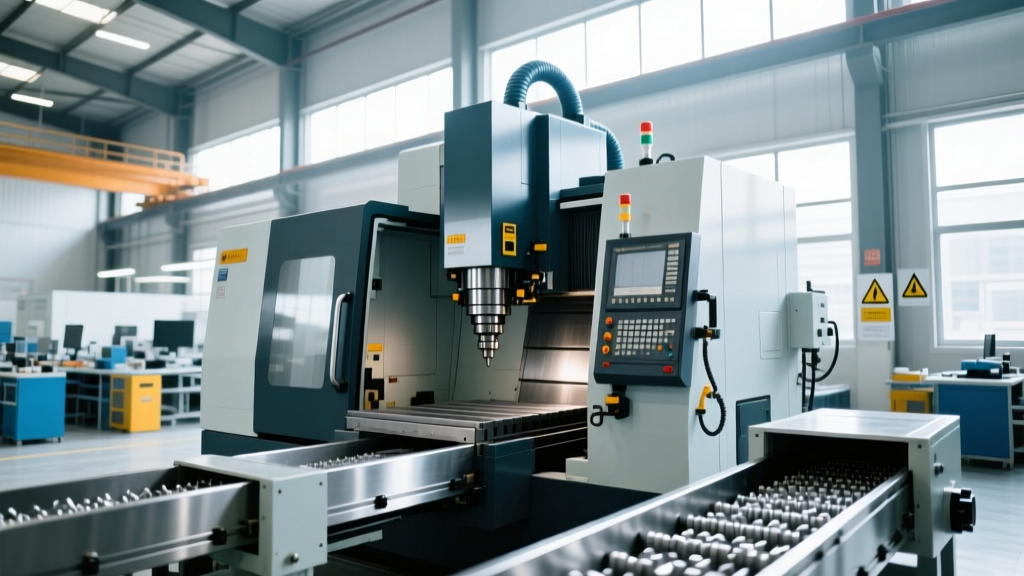
Not all chip conveyors are interchangeable. Matching the conveyor type to the specific material being milled or turned is the first step in reducing maintenance overhead.
Hinge Belt Conveyors
The industry standard for steel and aluminum. They utilize overlapping steel pans (typically 1.5mm to 3mm thick) linked by hinge pins. Maintenance Gotcha: Fine cast iron dust acts like lapping compound on the hinge pins. If machining cast iron, you must specify a conveyor with sealed, double-lipped hinge pins and an integrated scraper bar at the discharge to prevent fines from migrating into the lower return track.
Scraper-Type Conveyors
Required for fine, powdery chips (cast iron, brass, powdered metals). These use a drag chain with cross-flights to pull fines along the bottom of the trough. Wear Indicator: Measure the thickness of the UHMW polyethylene wear strips lining the trough every 6 months. Replacement is mandatory when wear exceeds 30% of the original thickness to prevent chain-on-steel contact, which causes severe galling and motor overload trips.
Auger (Screw) Conveyors
Ideal for long, stringy chips produced by drilling or machining stainless steel and Inconel. Because they lack a belt, there is no risk of stringers wrapping around a return sprocket and snapping the drive chain. Maintenance is largely limited to checking the hard-facing on the auger flighting for abrasive wear.
Dust Collection for Dry Machining and Routing
For CNC routers and dry-machining centers, airborne dust poses a severe threat to both operator health and machine electronics. The NIOSH guidelines on metalworking fluid and particulate exposure emphasize that capturing dust at the source is vastly superior to relying on ambient shop filtration.
"A properly designed source-capture dust collection system must achieve a minimum capture velocity of 2,000 FPM at the hood opening. For a standard 4-inch diameter CNC router dust boot, this translates to a requirement of approximately 350 to 400 CFM per spindle, factoring in static pressure losses across the flexible hose."
Filter Media Selection and Maintenance
Standard cellulose filters blind rapidly when exposed to the oily residue often present on pre-treated metals or when ambient humidity exceeds 60%. Upgrade to PTFE (Polytetrafluoroethylene) membrane filters. The microscopic non-stick coating allows the pulse-jet cleaning system to shed dust cakes efficiently with compressed air blasts of 90-100 PSI. If your differential pressure gauge consistently reads above 5 inches of water gauge even immediately after a pulse cycle, the filters are permanently blinded and must be replaced—attempting to wash PTFE cartridges will destroy the membrane.
IoT and Predictive Maintenance for Evacuation Systems
By 2026, modern CNC facilities are moving away from calendar-based maintenance toward condition-based monitoring. Integrating Motor Current Signature Analysis (MCSA) into chip conveyor drive motors allows the machine's PLC to detect jams before the mechanical torque limiter trips.
- Baseline Profiling: Record the normal running amperage of the conveyor motor when empty and when fully loaded.
- Anomaly Detection: A sustained 15% spike in amperage typically indicates a buildup of sludge in the sump or a failing bearing on the tail shaft.
- Automated Reversing: Program the CNC macro to automatically reverse the conveyor for 3 seconds if a current spike is detected, clearing minor jams without operator intervention.
Troubleshooting Common Evacuation Failures
Symptom: Conveyor Drive Chain Snapping Repeatedly
Root Cause: Misaligned head/tail shafts or a seized hinge pin creating a dead-spot in the belt. Fix: Use a laser shaft alignment tool to ensure head and tail shafts are perfectly parallel. Inspect the belt for stiff links by manually cranking the motor with power locked out; replace any seized cotter pins and apply penetrating lubricant to the hinge joints.
Symptom: Dust Collector Suction Drops After 2 Hours of Use
Root Cause: Moisture in the compressed air line is causing the pulse-jet system to inject water onto the filter media, turning dust into a concrete-like paste. Fix: Install a coalescing filter and refrigerated air dryer on the compressed air supply line dedicated to the dust collector. Drain the pulse-tank reservoir daily.
Symptom: Coolant Overflowing from Conveyor Sump
Root Cause: The chip load exceeds the conveyor's volumetric capacity, creating a dam that traps coolant, or the coolant pump return line is clogged with fines. Fix: Reduce the CNC feed rate during heavy roughing passes to produce smaller, manageable 'C-shaped' chips rather than long birds-nests, and install a secondary wedge-wire screen in the sump return trench to catch fines before they reach the conveyor trough.