CNC Chip Management & Dust Collection: Maintaining Your Air Compressor for CNC Machines
Master CNC chip management and dust collection. Learn exact maintenance schedules for pneumatic lines, separators, and the air compressor for CNC machines.
The Pneumatic Ecosystem: Linking Air Supply to Chip Evacuation
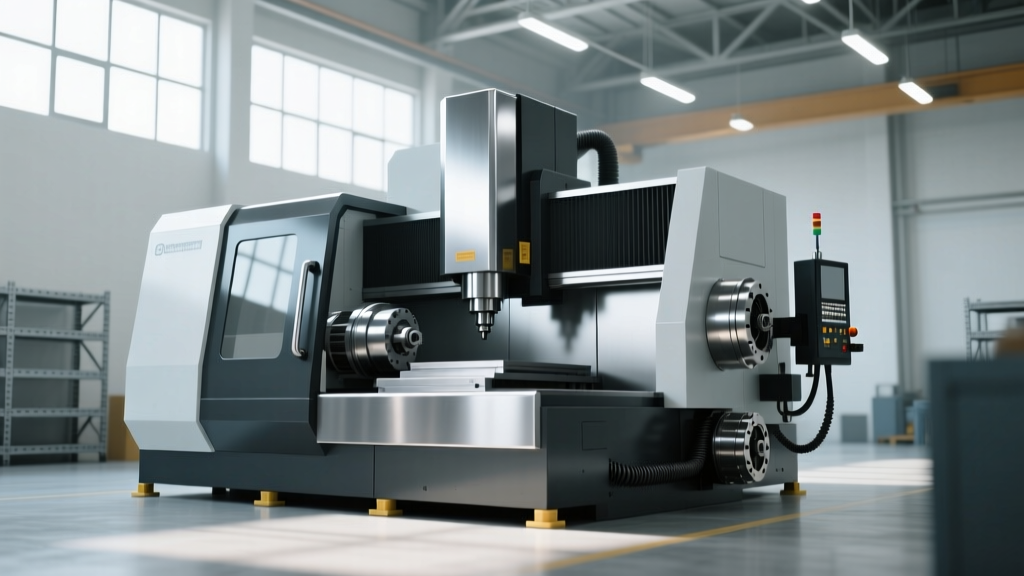
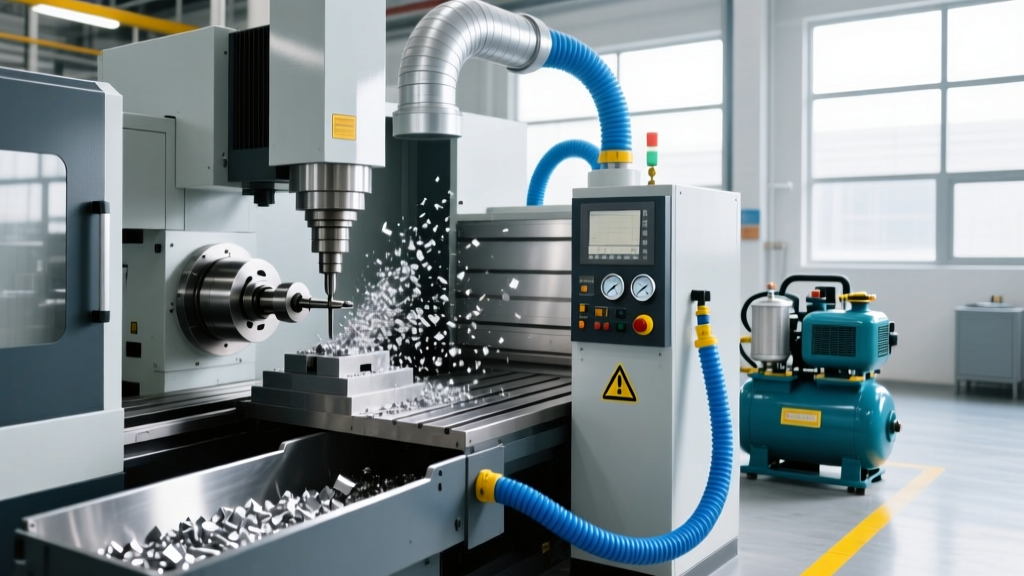
Effective CNC chip management and dust collection are rarely just about the physical conveyors or vacuum hoods. They are fundamentally dependent on stable, clean, and dry pneumatic power. Modern CNC machining centers utilize high-pressure air blasts to clear chips from the work zone, actuate pneumatic chuck cylinders, and maintain positive pressure in spindle air purges to prevent coolant intrusion. Furthermore, the industrial dust collectors attached to these machines—such as Donaldson Torit or Camfil units—rely on pneumatic pulse-jet systems to self-clean their filter media.
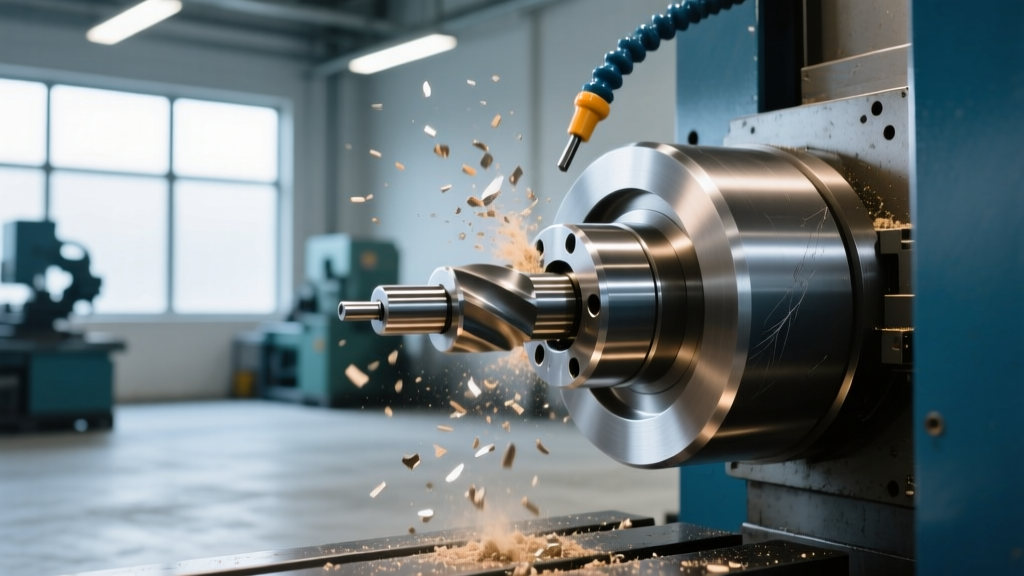
If your air compressor for CNC machines is poorly maintained, pressure drops and moisture contamination will cascade through the system. A drop below 85 PSI at the machine inlet causes chip-blast nozzles to fail, leaving stringy aluminum or abrasive cast iron chips in the cut zone, leading to recutting and premature tool failure. This guide details the exact maintenance schedules and troubleshooting frameworks required to keep your pneumatic chip and dust management systems operating at peak efficiency in 2026.
⚠️ OSHA Compliance Warning: Manual Chip ClearingWhen operators use manual air guns to clear chips from CNC fixtures, strict adherence to OSHA Standard 1910.242(b) is mandatory. Compressed air used for cleaning must be reduced to less than 30 PSI if dead-ended. Always equip manual chip-blowing stations with OSHA-compliant pressure-relief nozzles and chip deflectors to prevent severe laceration or embolism injuries.
Daily & Weekly Maintenance: The Air Compressor for CNC Machines
The foundation of reliable chip evacuation is the compressor itself. For a standard 3-to-5 machine CNC cell, a 15 HP rotary screw compressor (such as the Kaeser CSD series or Quincy QGV-15, typically costing between $8,500 and $11,000 fully installed) is the industry baseline. Neglecting daily and weekly checks on this unit directly impacts downstream chip management.
Daily Operator Checklist (Takes 5 Minutes)
- Drain Condensate: If your system lacks a zero-loss electronic drain trap, manually open the petcock on the main receiver tank. Moisture in the lines will rust internal pneumatic valves on chip conveyors and cause pulse-jet dust collector valves to stick.
- Check Fluid Levels: Verify the rotary screw airend oil level is between the high and low sight-glass marks. Low oil causes the compressor to run hot, degrading the lubricant and allowing varnish to build up in downstream pneumatic directional valves.
- Monitor Differential Pressure: Check the air/oil separator gauge. If the pressure drop exceeds 1.0 bar (14.5 PSI), the separator element is blinding, reducing total CFM output and starving your CNC air-blast manifolds.
Weekly Preventative Actions
- Inspect Coalescing Pre-Filters: CNC spindle air purges require ultra-clean air. Inspect the differential pressure indicator on your inline coalescing filters (e.g., Parker Hannifin or SMC series). If the indicator shows red, the 0.01-micron filter element is saturated.
- Clean Compressor Cooler Fins: Use a low-pressure blowgun (under 30 PSI) to clear metallic dust and oil mist off the compressor’s aftercooler fins. Machining environments are notorious for airborne oil mist, which clogs coolers and forces the compressor into thermal shutdown during heavy roughing cycles.
Monthly & Quarterly Service: Dust Collection and Chip Conveyors
While the compressor generates the air, the downstream components utilize it to manage the physical waste. The intersection of pneumatics and dust collection is the pulse-jet cleaning system. According to OSHA's combustible dust guidelines, maintaining proper suction in dust collectors handling aluminum or titanium fines is a critical safety imperative. If pulse-jet air pressure drops below 60 PSI, the filters will not pulse clean, leading to rapid blinding, loss of suction, and hazardous dust accumulation in the shop.
| Component | Maintenance Action | Interval | Est. Cost / Downtime |
|---|---|---|---|
| Compressor Air/Oil Separator | Replace element; change synthetic oil | Every 4,000 Hours | $450 - $800 / 2 Hours |
| Inline Coalescing Filters (0.01µm) | Replace filter elements and O-rings | Every 6 Months | $150 - $250 / 30 Mins |
| Dust Collector Pulse-Valves | Rebuild diaphragms (MAC or ASCO valves) | Annually | $85 per valve / 1 Hour |
| Hinged Belt Chip Conveyor | Check drive chain tension, grease bearings | Monthly | $20 (Grease) / 45 Mins |
| Pneumatic Chuck/Clamp Cylinders | Inspect rotary union for air leaks, replace seals | Every 12 Months | $300 - $600 / 3 Hours |
Troubleshooting Pneumatic Chip-Blasting and Dust Evacuation Failures
When chip management fails, operators often blame the machine tool builder or the vacuum system. However, 60% of intermittent chip-clearing faults trace back to pneumatic volume or pressure deficits. Use this diagnostic matrix to isolate the root cause.
Symptom 1: Chips Accumulating in the Work Zone Despite Active Air Blasts
- Cause A: Volume Starvation. The CNC program commands multiple air-blast M-codes simultaneously while the dust collector pulse-jet system fires. The momentary CFM demand exceeds the compressor's recovery rate, dropping line pressure from 110 PSI to 65 PSI.
- Fix: Install a dedicated 120-gallon secondary air receiver tank specifically for the dust collector pulse-jet system. This isolates the high-volume, short-duration pulse demand from the continuous CNC machine air supply.
- Cause B: Nozzle Occlusion. Swarf has physically packed into the 1/8" NPT brass air nozzles inside the machine casting.
- Fix: Remove nozzles and clear with a wire. Upgrade to engineered flat-jet air nozzles (e.g., EXAIR Super Air Knife or standard flat nozzles) which provide a wider, higher-velocity curtain of air using 30% less CFM than open copper tubes.
Symptom 2: Dust Collector Suction Drops Rapidly After Filter Changes
- Cause: Moisture in Pulse-Jet Air. If the air compressor's aftercooler or air dryer is failing, liquid water enters the dust collector's compressed air manifold. This water mixes with the captured metalworking fluid mist and fine metallic dust on the filter media, creating a cement-like paste that blinds the filters permanently. As noted by NIOSH guidelines on metalworking fluid exposure, controlling mist and particulate is vital for respiratory health, making blind filters a severe shop hazard.
- Fix: Install a point-of-use desiccant dryer or refrigerated air dryer rated for 20% above your total CFM requirement directly upstream of the dust collector manifold. Ensure the air dew point is maintained at least 20°F below the ambient shop temperature.
Sizing and Upgrading: When to Replace Your Air Compressor
As shops add 5-axis machines with complex hydraulic/pneumatic clamping and enclose them with high-static-pressure mist collectors, the original shop air compressor becomes obsolete. A standard rule of thumb for industrial rotary screw compressors is 4 CFM per 1 Horsepower.
💡 Sizing Framework for a 5-Machine CNC Cell- CNC Machine Baseline: ~5 CFM per machine (spindle purge, tool changer actuation, idle leaks) = 25 CFM
- Air Blast Chip Clearing: ~15 CFM peak demand per machine (intermittent) = 45 CFM peak
- Pulse-Jet Dust Collector: ~10 CFM average (requires high peak volume) = 10 CFM
- Total Required: 80 CFM continuous, with high peak tolerance.
- Recommendation: Upgrade to a 25 HP Variable Speed Drive (VSD) rotary screw compressor. A VSD unit (like the Atlas Copco GA 22 VSD) adjusts motor RPM to match exact CFM demand, eliminating the massive energy waste of traditional load/unload compressors idling during non-cutting cycles. Expect an ROI of 14-18 months based on energy savings alone.
Summary of Best Practices for 2026
Maintaining your air compressor for CNC machines is not an isolated task; it is the linchpin of your entire chip management and dust collection strategy. By strictly adhering to daily condensate draining, enforcing 0.01-micron coalescing filtration for sensitive spindle purges, and isolating dust collector pulse-jet air demands with secondary receiver tanks, you eliminate the hidden pneumatic faults that cause tool breakage, poor surface finishes, and hazardous shop environments. Budget $1,500 to $2,500 annually per compressor for preventative maintenance kits and synthetic lubricants to protect your six-figure machine tool investments.