Troubleshooting an Aluminium CNC Machine for Composite Cutting
Learn how to troubleshoot and repair an aluminium CNC machine repurposed for composite cutting, fixing spindle runout, linear guide pitting, and delamination.
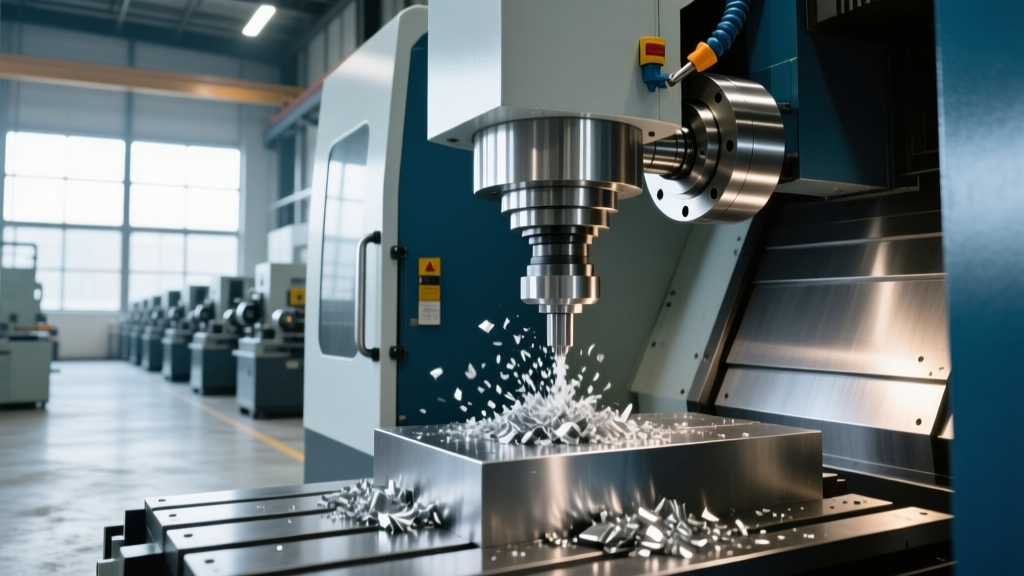
Repurposing a high-speed aluminium CNC machine for advanced composite material cutting is a common capital-saving measure in job shops transitioning into aerospace or drone manufacturing. Machines optimized for non-ferrous metals, such as the Haas DT-1 or Brother Speedio S500, feature the 15,000+ RPM spindles required for carbon fiber reinforced polymers (CFRP) and fiberglass (GFRP). However, the mechanical architecture designed to manage ductile, stringy aluminium chips is fundamentally incompatible with the highly abrasive, 5-micron micro-fines generated by composite milling.
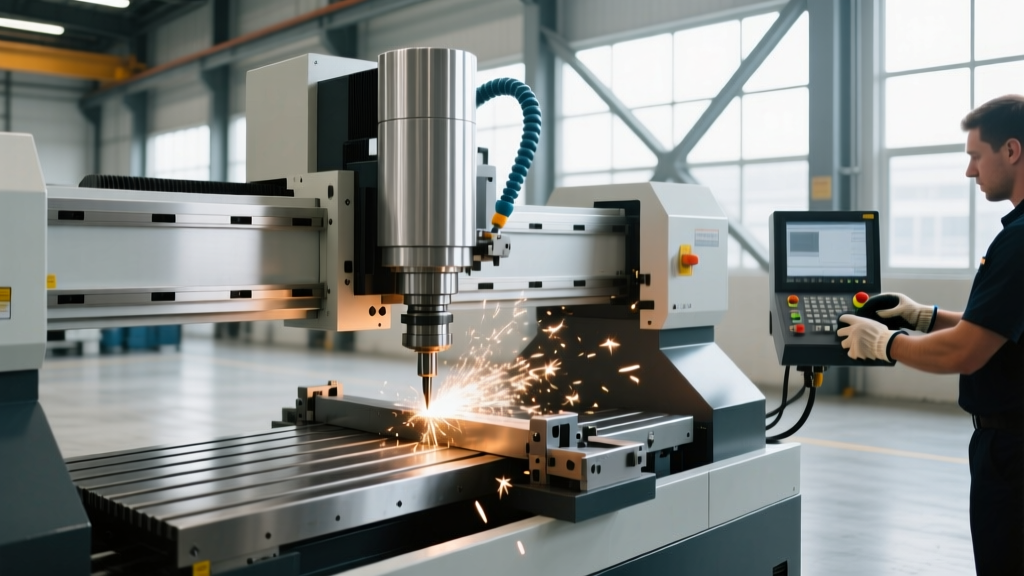
Within three to six months of cutting CFRP on a standard aluminium CNC machine, operators typically encounter catastrophic spindle runout, linear guide pitting, and severe part delamination. This troubleshooting guide details the exact mechanical failure modes, diagnostic procedures, and hardware retrofits required to stabilize an aluminium VMC for continuous composite production.
CRITICAL SAFETY WARNING: Carbon fiber and epoxy resin dust pose severe respiratory and dermatological hazards. Before opening any machine enclosures for repair, ensure the shop's HEPA filtration system (minimum 99.97% efficiency at 0.3 microns) is active. Never use standard shop vacuums, which will blow micro-fines back into the air; always use industrial vacuum systems equipped with ULPA filters.Symptom 1: Spindle Bearing Degradation and Runout Errors
The most frequent failure when cutting composites on an aluminium CNC machine is premature spindle bearing wear. Aluminium machining relies on standard labyrinth seals or light-contact lip seals to keep coolant out and grease in. Carbon fiber dust, however, is finer than talcum powder and easily bypasses standard labyrinth pathways. Once inside the spindle housing, the dust mixes with the bearing grease to form a highly abrasive lapping compound that destroys the ceramic or steel bearing races.
Diagnostic Procedure
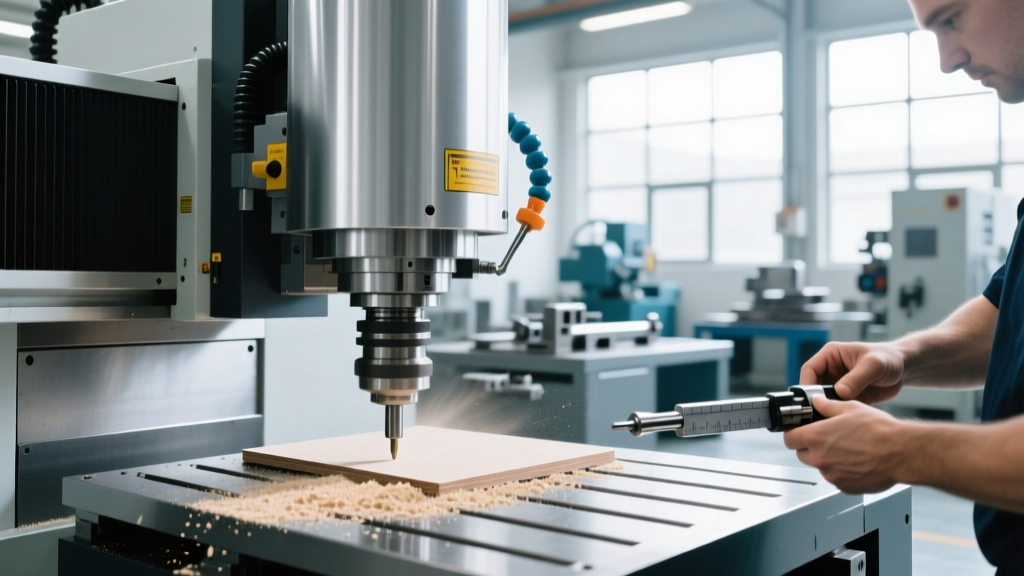
- Measure Static Runout: Use a high-precision dial indicator (0.0001" resolution) on the tool holder taper. Standard aluminium machining tolerates up to 0.0005" runout; composite cutting requires < 0.0002" to prevent ply delamination.
- Vibration Analysis: Attach an accelerometer to the spindle housing. Run the spindle at 12,000 RPM. If vibration amplitude exceeds 2.5 mm/s RMS (ISO 10816 standards), the bearings are pitted.
- Thermal Imaging: Use an infrared camera to check the spindle nose. A temperature delta of >15°C above ambient at idle indicates grease contamination and excessive friction.
The Repair and Retrofit Protocol
If the bearings are scored, a complete spindle rebuild is mandatory, typically costing between $6,000 and $12,000 depending on the OEM (e.g., Haas Automation spindle rebuild services). To prevent recurrence, you must retrofit the spindle with an air-purge seal system. Manufacturers like GMN or IBAG offer retrofit kits ($4,500–$8,000) that introduce a constant, low-pressure stream of clean, dry air (CDA) at 15-20 PSI out of the spindle nose. This positive pressure physically prevents carbon micro-fines from entering the bearing cavity.
Diagnostic Matrix: Spindle Vibration vs. RPM in Contaminated Units
| Spindle RPM | Healthy Bearing (mm/s RMS) | Dust-Contaminated Bearing (mm/s RMS) | Resulting Composite Defect |
|---|---|---|---|
| 5,000 | 0.8 - 1.1 | 2.2 - 3.0 | Minor edge fuzzing |
| 10,000 | 1.2 - 1.5 | 4.5 - 6.0 | Top-ply delamination |
| 15,000+ | 1.5 - 1.8 | 8.0+ | Catastrophic ply tearing, tool breakage |
Symptom 2: Severe Delamination and Edge Fraying on CFRP
Tooling optimized for aluminium relies on high positive rake angles and sharp, polished cutting edges to shear soft metal and evacuate stringy chips. When these same end mills are used on CFRP, the upward cutting forces lift the top plies of the composite, causing severe delamination and edge fraying.
Expert Insight: According to Sandvik Coromant's composite machining guidelines, the anisotropic nature of CFRP means cutting forces change drastically depending on the fiber orientation angle (0°, 45°, 90°). Standard aluminium tooling cannot manage these shifting vector forces.Tooling and Parameter Corrections
- Switch to Compression Routers: Replace standard 3-flute carbide end mills with compression-style routers (e.g., Onsrud 60-100 series). These tools feature a unique geometry where the bottom flutes push the material down while the top flutes pull it down, effectively clamping the laminate together during the cut.
- Implement PCD Coatings: Uncoated carbide wears out within 50-100 linear feet of cutting CFRP due to the abrasive carbon fibers. Upgrade to Polycrystalline Diamond (PCD) tipped or CVD-diamond coated tools (e.g., Harvey Tool PCD compression cutters, costing $180–$350 each). PCD extends tool life by 40x to 60x compared to standard carbide.
- Adjust Feeds and Speeds: Run the spindle at 18,000 RPM with a feed rate of 120-150 IPM. Maintain a light radial depth of cut (RDOC) of 0.125" (or less than the tool diameter) to reduce lateral stress on the resin matrix.
Symptom 3: Linear Guide Way Pitting and Ball Screw Backlash
Aluminium CNC machines typically utilize standard THK or NSK linear guide blocks with basic end-seals. Carbon fiber dust acts as a microscopic lapping compound. When it infiltrates the carriage block, it grinds away the recirculating ball bearings and scores the hardened steel rails, leading to X and Y-axis backlash and poor surface finishes on composite contours.
Mechanical Repair Steps
- Disassemble and Clean: Remove the axis way covers. Use a solvent-based degreaser (avoid water-based cleaners which cause flash rust on exposed steel) to strip all contaminated grease from the rails.
- Inspect for Pitting: Run a fingernail across the rail raceways. If you feel grooves deeper than 0.001", the rail must be replaced. Minor surface scoring can sometimes be polished out with a fine-grit diamond hone, but replacement is preferred for aerospace-grade composite tolerances.
- Upgrade Wiper Seals: Replace standard THK end seals with heavy-duty scraper seals (e.g., THK "UU" or "KK" type scrapers) designed specifically to wipe away fine particulate matter before it enters the ball retainer.
- Install Bellows Way Covers: Fabricate or purchase accordion-style bellows covers for the X and Y axes. This physical barrier is the only 100% effective method to keep abrasive dust off the linear guides. Budget approximately $1,200–$2,500 for custom-fitted polyurethane bellows.
Coolant System Contamination and Resin Swelling
Aluminium CNC machines are designed for flood coolant (typically water-soluble semi-synthetic oils). Using flood coolant on composites is a critical error. The fluid can penetrate the micro-cracks in the CFRP, causing the epoxy or bismaleimide (BMI) resin matrix to swell, weaken, and delaminate. Furthermore, the coolant mixes with carbon dust to create a highly conductive, toxic sludge that shorts out machine limit switches and way-wipers.
The Fix: Drain the flood coolant system entirely. Transition to a dry machining setup utilizing a high-volume, high-velocity air blast (minimum 80 CFM) paired with a localized mist extraction arm. If heat dissipation is absolutely necessary for thick titanium-composite stacks, use a Minimum Quantity Lubrication (MQL) system dispensing an evaporative, bio-based ester oil at a rate of 5-10 mL/hour. As noted in Modern Machine Shop's analysis on composite challenges, MQL provides sufficient lubrication for the cutting edge without risking resin degradation or creating conductive sludge.
Cost-Benefit Analysis: Reactive Repair vs. Proactive Retrofitting
| Intervention Type | Estimated Cost (USD) | Machine Downtime | Long-Term Viability for CFRP |
|---|---|---|---|
| Reactive Spindle Rebuild (Post-Failure) | $8,000 - $14,000 | 2 - 4 Weeks | Poor (Will fail again in 3 months) |
| Proactive Air-Purge Seal Retrofit | $4,500 - $6,000 | 2 - 3 Days | Excellent (Extends spindle life 5x) |
| Reactive Linear Guide Replacement | $3,500 - $5,000 | 1 - 2 Weeks | Poor (Without upgraded scrapers) |
| Proactive Bellows & Scraper Retrofit | $1,500 - $2,500 | 1 - 2 Days | Excellent (Near-zero way contamination) |
Expert FAQ: Aluminium VMC to Composite Conversion
Can I use my existing aluminium vacuum chuck for thin GFRP laminates?
Standard T-slot aluminium vacuum tables often lack the localized suction required to hold thin (under 0.125") GFRP sheets, leading to part lift and tool damage. You must machine a 0.75" thick MDF spoilboard to mount over the T-slots. The MDF acts as a porous, sacrificial vacuum plenum. Pair this with a regenerative blower (minimum 5 HP, 100" water lift) rather than a standard rotary vane pump to achieve the necessary CFM for holding composite laminates.
How often should I purge the air-purge seal system?
The air-purge system requires clean, dry air (CDA) with a dew point of at least -40°F. If your shop's air compressor lacks a desiccant dryer, moisture will be blown directly into the spindle bearings, causing rust. Check the inline coalescing filter on the purge line every 400 operating hours and replace it if pressure drop exceeds 5 PSI.
Is it worth converting an older Fadal VMC 15 for composite work?
Generally, no. Older machines like the Fadal VMC 15 typically max out at 8,000 or 10,000 RPM. CFRP requires surface speeds that demand 15,000 to 24,000 RPM to achieve a clean shear cut without fraying the fibers. Running a low-RPM machine will force you to use excessively large diameter tools or accept poor edge quality. Invest in a modern, high-RPM aluminium CNC machine or a dedicated composite router instead.