Cost Guide: 5-Axis CNC Machine Axis for Stainless Steel Parts
Analyze the true cost of adding a 5-axis CNC machine axis for stainless steel milling, including rigidity requirements, tooling, and ROI metrics.
The Financial Reality of Multi-Axis Stainless Machining
Machining austenitic (304/316) and martensitic (17-4PH) stainless steels demands extreme rigidity, high torque, and advanced thermal management. When machine shops upgrade from a standard 3-axis vertical machining center (VMC) to a full 5-axis configuration, the capital and operational budgets shift dramatically. Evaluating the cost of an additional CNC machine axis is not merely about the hardware price tag; it requires a complete recalibration of coolant delivery, toolholding, and programming budgets. This cost analysis breaks down the exact financial requirements for deploying a 5-axis CNC machine axis specifically tuned for stainless steel production in 2026.
2026 CapEx Baseline: 5-Axis Stainless Setup
Average Machine Cost: $185,000 – $310,000
Mandatory Options (HPC, Torque Spindle): $25,000 – $45,000
Specialized Toolholding & Initial Tooling: $12,000 – $18,000
Total Estimated Entry Budget: $222,000 – $373,000
CapEx Breakdown: Evaluating the CNC Machine Axis Hardware
Standard 12,000 RPM spindles often lack the low-end torque required for aggressive roughing in precipitation-hardening grades like 17-4PH. A high-torque or geared spindle option is non-negotiable for stainless steel. Furthermore, the physical addition of the B-axis CNC machine axis (tilting spindle or trunnion table) introduces overhang and reduces inherent rigidity compared to a fixed 3-axis column. To compensate, you must invest in premium, heavily ribbed castings and direct-drive torque motors.
| Machine Model (2026 Config) | Base Price | Stainless-Specific Upgrades | Total Budget |
|---|---|---|---|
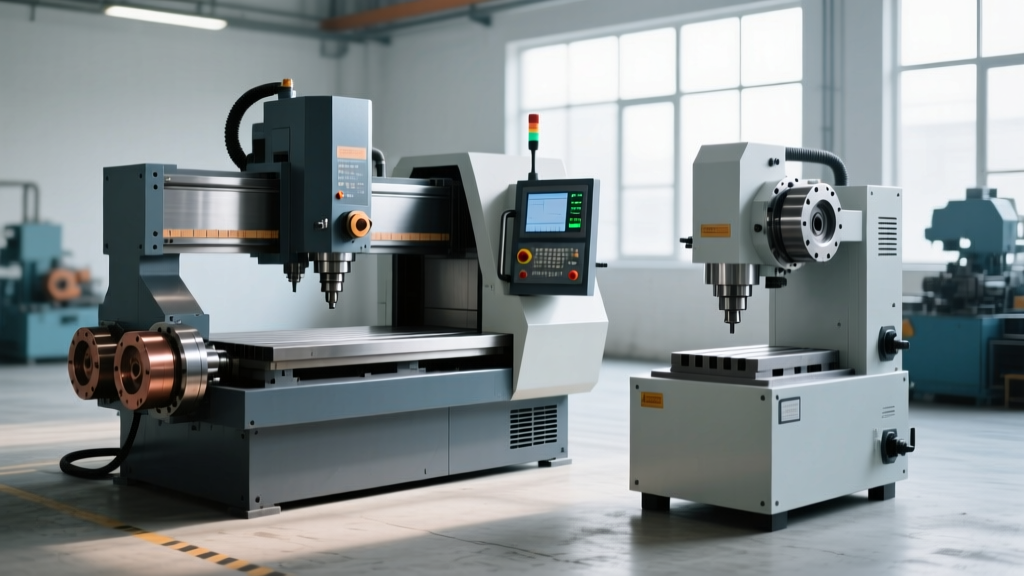
| Haas UMC-500 SS (Super Spindle) | $178,000 | 50-bar HPC, NGC, Chip Auger ($32,500) | $210,500 |
| DMG MORI CMX 50 U | $245,000 | 1000 PSI Coolant, Torque Spindle ($48,000) | $293,000 |
| Mazak VARIAXIS i-500 | $285,000 | High-Torque Spindle, HPC, Mazatrol SmoothAi ($55,000) | $340,000 |
For a comprehensive look at baseline machine configurations and torque curves, refer to the Haas Automation Universal Machining Centers documentation, which details the specific torque output required for tough alloys at lower RPMs.
The Hidden OpEx: Coolant, Tooling, and Fixturing
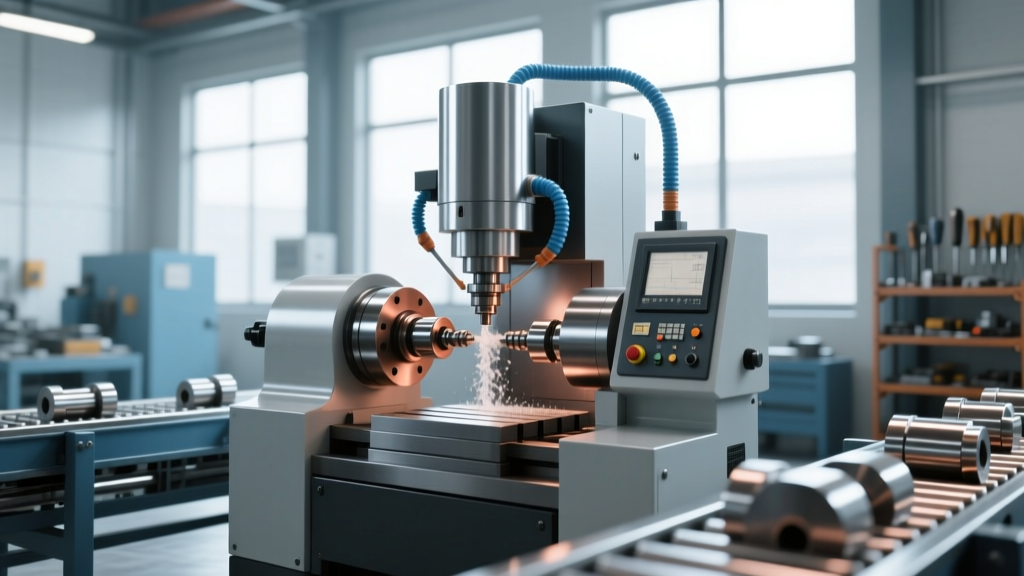
The operational expenditure (OpEx) for stainless steel on a multi-axis platform is where budgets frequently collapse. Austenitic stainless steels (300 series) possess low thermal conductivity and a severe tendency to work-harden. Standard flood coolant fails to penetrate the vapor barrier created at the cutting edge, leading to rapid insert degradation and built-up edge (BUE).
High-Pressure Coolant (HPC) Integration
To effectively machine 316L on a 5-axis platform, you need a minimum of 1,000 PSI (70 bar) coolant pressure delivered directly through the spindle. This penetrates the heat zone and breaks stringy chips before they can weld to the tool. Upgrading from a standard 300 PSI pump to a 1,000 PSI HPC system adds $15,000 to $22,000 to the initial CapEx, but reduces carbide tooling consumption by up to 30%. For deeper insights into coolant pressure dynamics, review Sandvik Coromant's Stainless Steel Milling Guide.
Toolholding: The Rigidity Tax
Standard ER collets are unacceptable for simultaneous 5-axis milling in stainless steel. The heavy radial forces cause micro-slippage in collets, resulting in tool deflection and catastrophic work-hardening of the part surface. You must budget for hydraulic or shrink-fit toolholders.
- Shrink-Fit Machine & Chiller: $6,500 – $9,000
- Initial Shrink-Fit Holder Inventory (30 pieces): $4,500
- Premium Carbide Endmills (AlCrN coated, variable helix): $140 – $220 per tool
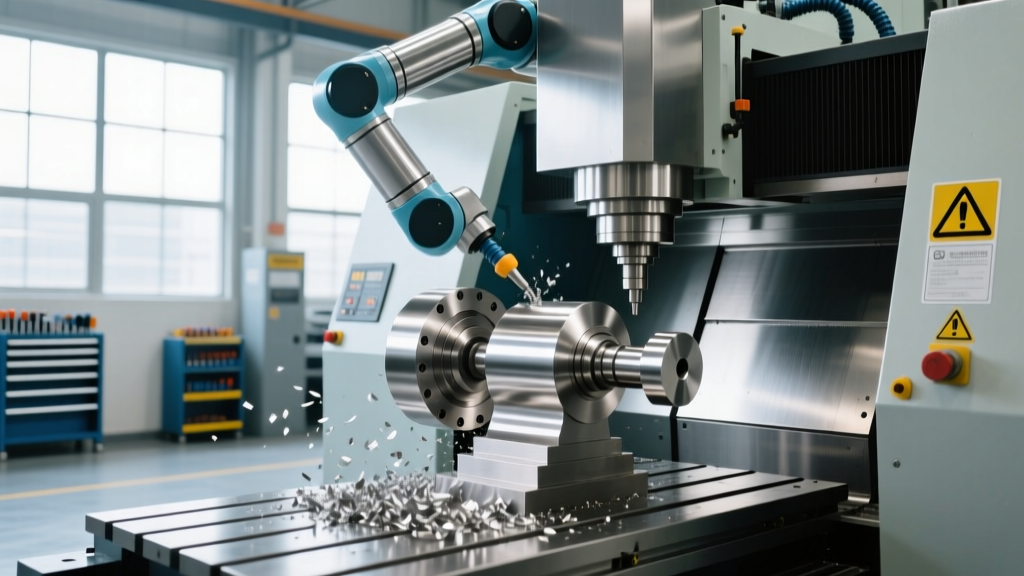
When utilizing the B-axis CNC machine axis (tilting spindle), the distance from the spindle bearing to the cutting edge increases. If the tool deflects even 0.002 inches during a heavy roughing pass in 17-4PH, it will rub rather than cut. This instantly work-hardens the stainless surface to over 40 HRC, destroying the endmill and potentially scrapping a $5,000 aerospace forging. Always use trochoidal toolpaths and limit radial depth of cut (RDOC) to 5-8% of tool diameter when operating at extreme B-axis angles.
ROI Decision Matrix: 3-Axis + Indexer vs. Full 5-Axis
Does your production volume justify a native 5-axis CNC machine axis configuration, or is a 3-axis VMC with a 4th-axis trunnion table sufficient? Use this decision framework to allocate your capital.
| Production Scenario | 3-Axis + 4th Axis Trunnion | Native 5-Axis Machine |
|---|---|---|
| Part Geometry | Prismatic parts requiring 4th-axis indexing (e.g., valve bodies). | Complex contours, impellers, medical implants requiring simultaneous interpolation. |
| Setup Time | High. Manual indicating and zeroing required between indexed positions. | Low. Single setup via probing cycles; TCP (Tool Center Point) control manages offsets. |
| Stainless Tool Life | Moderate. Limited tool approach angles force longer tool extensions. | High. Spindle tilting allows optimal cutting edge engagement and shorter tool stick-out. |
| Estimated ROI Timeline | 12–18 months (Lower initial CapEx). | 24–36 months (Higher CapEx, offset by labor reduction and scrap reduction). |
Programming and Software Budgets
Operating a 5-axis CNC machine axis for stainless steel requires advanced CAM capabilities to manage tool orientation, avoid collisions, and maintain constant chip thickness. Standard 2.5D CAM packages will not suffice.
- 5-Axis Simultaneous CAM Module: Upgrading Mastercam, Fusion 360, or hyperMILL to include full 5-axis simultaneous toolpaths typically costs between $8,000 and $15,000 in initial licensing, plus $2,500 annually for maintenance.
- G-Code Verification Software: A collision on a 5-axis machine can result in a $40,000 spindle rebuild and weeks of downtime. Software like VERICUT or ModuleWorks is mandatory for simulating complex stainless roughing passes. Budget $12,000 to $18,000 for a standalone verification license.
- Post-Processor Customization: A generic post-processor will not correctly handle the specific kinematics, TCP offsets, and rotary axis limits of your chosen machine. Expect to pay a certified integrator $3,000 to $5,000 to build and prove out a custom post-processor.
For further reading on advanced toolpath strategies and multi-axis economics, the Modern Machine Shop 5-Axis Machining Zone provides extensive case studies on shops that have successfully transitioned to multi-axis stainless production.
Strategic Budget Allocation for 2026
Investing in a 5-axis CNC machine axis for stainless steel is a high-barrier, high-reward endeavor. The initial capital outlay easily exceeds $250,000 when factoring in mandatory high-pressure coolant, torque-optimized spindles, and shrink-fit toolholding. However, the ability to complete complex aerospace and medical components in a single setup—while utilizing spindle tilting to maximize tool life and minimize work-hardening—yields a distinct competitive advantage. Allocate your budget heavily toward rigidity and thermal management (coolant) rather than excessive rapid traverse speeds, as stainless steel rewards slow, heavy, and stable cuts over raw speed.