CNC Wire Cut Machine Cost Analysis & 2026 Budget Guide
Detailed cost analysis for CNC wire cut machines in 2026. Compare CapEx, OpEx, wire consumables, and ROI frameworks for Sodick, Fanuc, and GF models.
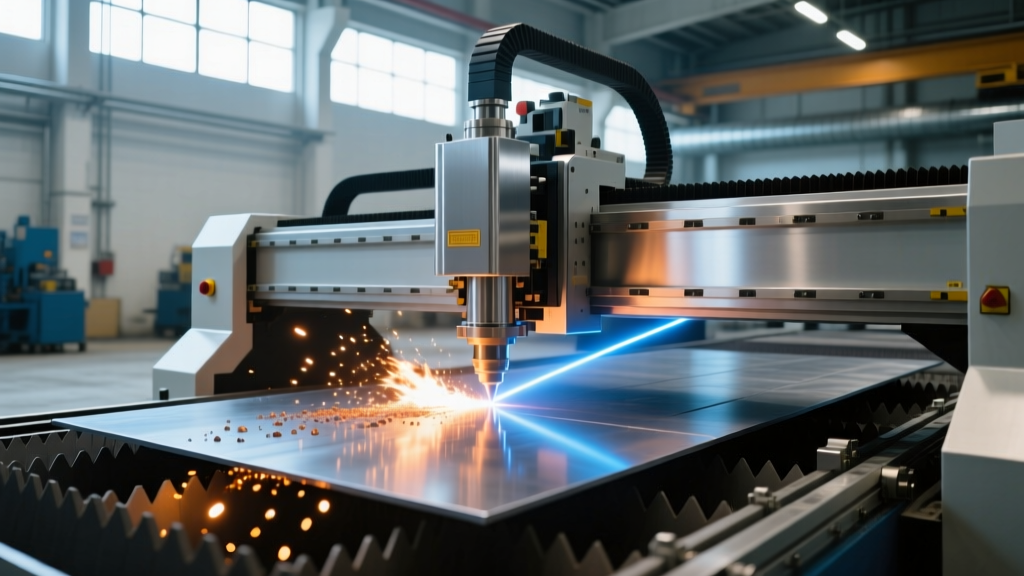
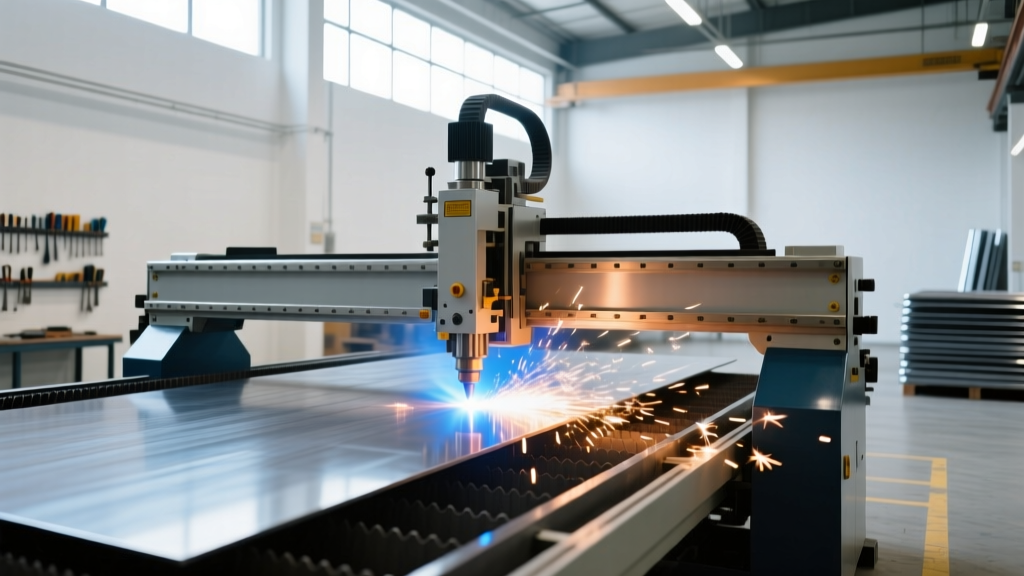
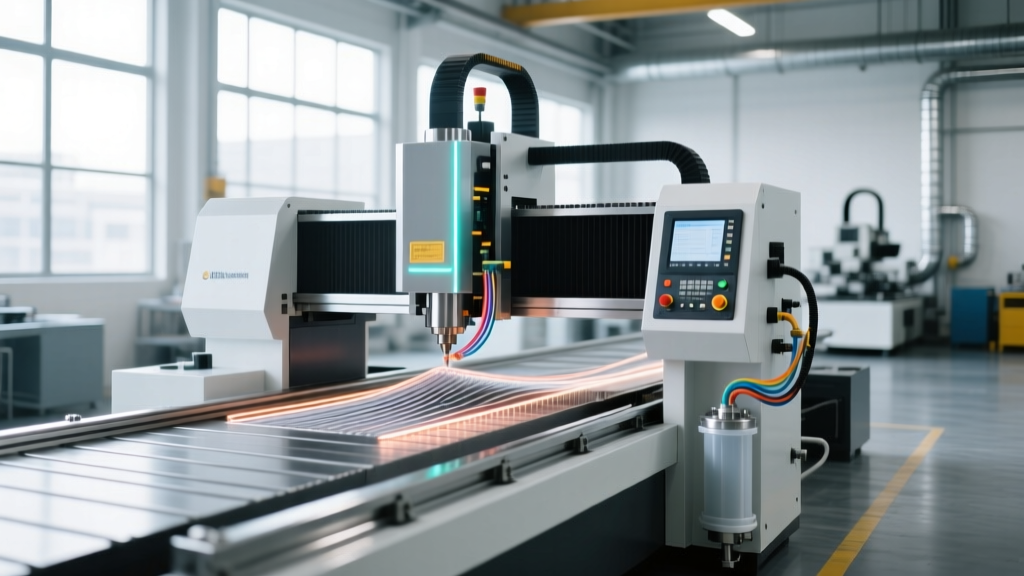
Purchasing a CNC wire cut machine (Wire EDM) is a capital-intensive decision that extends far beyond the initial invoice price. For toolrooms, aerospace contractors, and medical device manufacturers, Wire EDM remains non-negotiable for cutting hardened tool steels, titanium, and carbide with sub-micron surface finishes. However, miscalculating the total cost of ownership (TCO) is the primary reason shops fail to achieve their projected ROI. This 2026 budget guide breaks down the exact capital expenditures, hidden operational costs, and facility requirements necessary to accurately forecast your wire EDM profitability.
Executive CapEx Summary (2026 Market Rates):• Entry-Level / Used Market: $45,000 – $85,000
• Mid-Tier Production (Fanuc, Sodick): $130,000 – $190,000
• High-Precision / Micro-Machining (GF, Sodick Linear): $240,000 – $380,000+
Capital Expenditure: Machine Tiers and Pricing Matrix
The CNC wire cut machine market is strictly segmented by precision capabilities, axis configuration, and auto-threading reliability. When evaluating quotes, you must align the machine tier with your specific tolerancing requirements. A shop cutting extrusion dies to ±5µm does not need a $300,000 machine, while a medical implant manufacturer holding ±1.5µm cannot survive on an entry-level import.
| Machine Tier | Representative Models (2026) | Est. Price Range | Positioning Tolerance | Best Application |
|---|---|---|---|---|
| Production Workhorse | Fanuc RoboCut Alpha-CiB 600B | $145,000 - $165,000 | ±3.0µm | Stamping dies, general tooling |
| High-Precision Linear | Sodick AL400G / AL600G | $185,000 - $225,000 | ±1.5µm | Medical tooling, micro-molds |
| Ultra-Precision | GF Machining Solutions CUT P 350 | $280,000 - $350,000 | ±1.0µm | Aerospace turbine, optical molds |
According to Sodick's official Wire EDM specifications, the shift toward linear motor drives in mid-to-high-tier machines eliminates ball-screw backlash and wear, fundamentally altering the long-term maintenance budget. While linear machines carry a 15-20% premium upfront, they negate the $12,000-$18,000 ball-screw replacement costs that plague traditional machines after 7 to 10 years of heavy use.
Operating Expenses: The Consumable Economics
The true cost of running a CNC wire cut machine lies in the daily consumption of electrodes, dielectric fluids, and filtration media. Budgeting $0.15 per minute for consumables is a safe baseline for standard 8-hour shifts, but this fluctuates wildly based on material thickness and wire selection.
Wire Electrode Selection: Brass vs. Coated
Wire selection is the single largest variable in your daily OpEx. Shops must choose between standard brass and specialized coated wires based on the job's roughing vs. finishing requirements.
- Standard Brass Wire (CuZn37, 0.25mm): Costs between $4.50 and $6.50 per kilogram. Ideal for general cutting and finishing passes. A typical machine consumes 1.5 to 2.5 kg per 8-hour shift.
- Gamma-Phase Coated Wire: Costs $18.00 to $28.00 per kilogram. The zinc-rich coating vaporizes during the spark, providing a cooling effect that allows for 25-35% faster roughing speeds in thick die steels (over 100mm). The 4x material cost is easily justified when roughing time is reduced by a third.
- Fine/Micro Wire (0.10mm - 0.15mm Tungsten or Molybdenum): Used for micro-machining and small internal radii. Spools cost $150-$300 each but last significantly longer due to lower feed rates.
Dielectric Fluid and Filtration
Most modern CNC wire cut machines use deionized water as a dielectric. Maintaining the water's resistivity (typically between 10 and 20 µS/cm) requires ion-exchange resin. A 50-liter bag of high-quality mixed-bed resin costs roughly $250 to $400 and lasts 6 to 12 months depending on the volume of material eroded. Paper filtration cartridges ($45 to $85 each) must be replaced every 3 to 6 months to prevent suspended particulates from causing secondary sparking and poor surface finishes.
Facility Infrastructure and Hidden Environmental Costs
Wire EDM is uniquely sensitive to environmental variables. Failing to budget for facility preparation will result in scrapped parts and failed CMM inspections. Thermal expansion of steel is approximately 11.5 µm per meter per degree Celsius. A mere 3°C temperature swing in the shop will induce a 10.35µm error on a 300mm workpiece—completely destroying a ±2µm tolerance window.
"Shops often blame the machine for out-of-tolerance parts when the real culprit is the HVAC system. For ultra-precision Wire EDM, you must budget $15,000 to $30,000 for a dedicated, climate-controlled enclosure that maintains 20°C (68°F) with a variance of no more than ±1°C." — Manufacturing Engineering Lead, Precision Tooling Sector
Additional Facility Requirements:
- Power Supply: 480V, 3-phase power is standard. Machines draw an average of 4 to 8 kWh. At an industrial rate of $0.14/kWh, expect $9 to $15 daily in electricity per machine.
- Floor Loading: A fully loaded Wire EDM (machine + water tank + chiller) can weigh between 3,500 kg and 6,500 kg. Reinforced concrete slabs (minimum 150mm thick) are mandatory to prevent settling and geometric misalignment.
- Compressed Air: Clean, dry air (ISO 8573-1 Class 1.2.1) is required for the auto-threader and pneumatic seals. Budget $3,000 for a dedicated desiccant air dryer if your shop's central air is not medical-grade.
ROI Calculation and Payback Framework
To determine the true payback period of a CNC wire cut machine, shops must utilize a fully burdened hourly rate model. In 2026, the industry standard burdened rate for Wire EDM ranges from $95 to $140 per hour, depending on geographic location and overhead.
Step-by-Step Payback Formula:
- Calculate Total CapEx: Machine + Installation + HVAC Enclosure + Rigging.
- Estimate Annual OpEx: (Wire + Resin + Filters + Power) × Estimated Shifts.
- Determine Billable Hours: A machine running 24/7 lights-out yields ~6,500 spindle hours/year (accounting for maintenance and setup).
- Compute Gross Revenue Potential: Billable Hours × Shop Rate (e.g., 6,500 × $120 = $780,000).
- Subtract OpEx & Labor: Deduct consumables and operator programming time.
Result: A $180,000 mid-tier machine running two shifts a day typically achieves full ROI in 14 to 22 months, provided the auto-threader reliability supports unattended weekend cuts.
For deeper insights into machine selection and long-term reliability, reviewing the GF Machining Solutions CUT P series documentation provides excellent benchmarking data on thermal control integration and automated wire threading success rates, which are critical for maximizing unattended spindle hours.
Frequently Asked Questions
Is an auto-threader worth the $8,000 to $12,000 upgrade cost?
Absolutely. If a wire breaks during a 40-hour unattended weekend cut and the machine lacks a reliable auto-threader, the part is often scrapped, and the machine sits idle until Monday morning. Modern auto-threaders boast 99% success rates even in submerged conditions and bad break points, making them mandatory for any shop planning lights-out manufacturing.
Should I use oil-based dielectric instead of water?
Oil-based dielectric (costing $15-$25 per gallon) is superior for cutting tungsten carbide and achieving mirror-like surface finishes (Ra 0.1µm) because it prevents the oxidation and cobalt leaching associated with water. However, it requires a specialized fire-suppression system and strict air-quality ventilation, adding roughly $10,000 to your facility setup budget.
What are the annual maintenance contract costs?
Post-warranty preventative maintenance (PM) contracts from OEMs typically range from $3,500 to $6,000 annually. This covers bi-annual calibration, generator tuning, and auto-threader alignment. Skipping PMs to save money inevitably leads to degraded taper-cutting accuracy and costly generator board failures ($4,000+ to replace).