2026 Trends: Snack Weighers & Pharma Packaging Machinery Manufacturers
Discover how snack brands are adopting multi-head weigher tech from pharma packaging machinery manufacturers to achieve IP69K hygiene and sub-gram accuracy.
The Convergence of Snack and Pharma Packaging Standards
The snack food packaging sector is undergoing a radical precision upgrade. As consumer demand shifts toward functional snacks—such as vitamin-infused gummies, CBD/THC edibles in legalized markets, and fortified protein bites—manufacturers face stringent regulatory oversight regarding active ingredient dosing and allergen cross-contamination. To meet these demands, snack producers are increasingly adopting hygienic design principles and precision engineering originally pioneered by pharma packaging machinery manufacturers.
Traditional snack lines often tolerate 2 to 4 grams of product giveaway per bag. However, functional snacks with high-cost active ingredients cannot absorb this financial loss. Equipment engineered by pharma packaging machinery manufacturers operates on sub-gram tolerances, a standard now being retrofitted into high-speed snack food multi-head weighers. According to the FDA's FSMA Preventive Controls rule, facilities handling allergen-heavy or supplement-grade foods must implement rigorous environmental monitoring and equipment sanitation protocols, driving the shift toward pharmaceutical-grade packaging hardware.
Industry Callout: The Cost of GiveawayFor a snack producer running a $40/kg fortified nut mix at 100 bags per minute, a standard multi-head weigher with 3g of average giveaway loses over $6,300 in product per 8-hour shift. Upgrading to a pharma-spec weigher with 0.5g accuracy recovers this loss in under 14 days, funding the capital expenditure within a single quarter.
Next-Gen Multi-Head Weigher Architecture (2026 Specs)
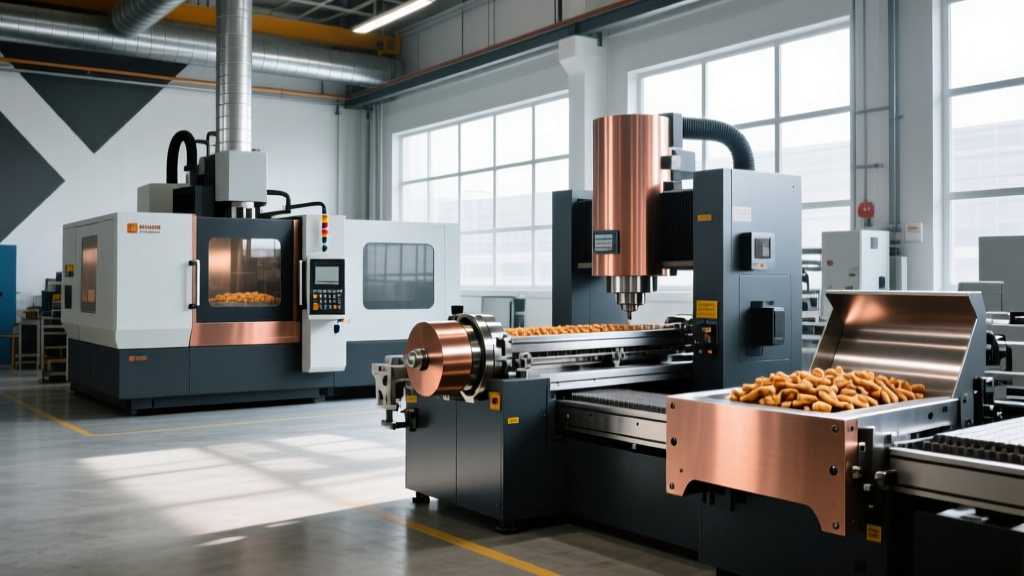
Modern multi-head weighers from top-tier suppliers like Ishida's multi-head weigher lineup and Yamato now integrate load cell sampling rates previously reserved for pharmaceutical powder dosing. Standard snack weighers sample load cells at 80 Hz, which is sufficient for bulky items like potato chips. However, sticky, dense, or micro-dosed functional snacks require 320 Hz sampling rates paired with advanced digital filtering to isolate the true weight from environmental vibrations caused by adjacent stamping presses or conveyors.
Material and Washdown Upgrades
Snack facilities are abandoning standard 304-grade stainless steel in favor of 316L marine-grade stainless steel for all product contact zones. This prevents pitting and corrosion from the aggressive peracetic acid (PAA) and caustic foam sanitizers required to eliminate allergen proteins (like peanut or dairy residues) between production runs. Furthermore, IP69K ingress protection ratings—capable of withstanding 1,450 PSI washdowns at 176°F (80°C)—are now the baseline for premium snack weighers, directly mirroring the cleanroom standards enforced by pharma packaging machinery manufacturers.
Standard vs. Pharma-Spec Multi-Head Weighers
| Feature | Standard Snack Weigher | Pharma-Spec Snack Weigher |
|---|---|---|
| Contact Material | 304 Stainless Steel / Polycarbonate | 316L Stainless Steel / FDA-Approved PEEK |
| Ingress Protection | IP65 (Low-pressure hose down) | IP69K (High-pressure, high-temp CIP) |
| Load Cell Sampling | 80 Hz | 320 Hz with AI vibration filtering |
| Weighing Accuracy | ± 1.5g to 3.0g | ± 0.2g to 0.5g |
| Typical Capital Cost | $45,000 - $70,000 | $95,000 - $160,000 |
AI and Hyperspectral Integration in Weighing Hoppers
The most significant technological leap in 2026 is the integration of hyperspectral imaging and edge-computing AI directly above the dispersion table. While traditional metal detectors only catch ferrous and non-ferrous metals at the end of the line, hyperspectral cameras analyze the near-infrared (NIR) reflectance of products as they enter the weigher. This allows the system to identify and reject foreign bodies like transparent plastics, stones, or clumped moisture before they ever enter the weigh hoppers.
Simultaneously, AI-driven combination algorithms now calculate optimal hopper weights in under 8 milliseconds. By utilizing machine learning models trained on the specific flow characteristics of sticky gummies or irregularly shaped freeze-dried fruits, the system predicts product bridging in the feed trays and adjusts the amplitude of the vibratory feeders in real-time. This eliminates the micro-stoppages that historically plagued snack packaging lines, pushing overall equipment effectiveness (OEE) past 88%.
Real-World ROI: Upgrading to Tool-less CIP Systems
Downtime during product changeovers is the primary margin killer in multi-SKU snack facilities. Legacy multi-head weighers require operators to use hand tools to remove weigh hoppers, doors, and chutes for cleaning—a process that takes 45 to 60 minutes. Modern pharma-spec snack weighers feature 100% tool-less, one-touch release mechanisms. Operators can strip the machine to its bare frame, run a 3-step Clean-in-Place (CIP) protocol (140°F caustic foam for 12 minutes, ambient rinse, 200 ppm PAA sanitization), and reassemble the unit in under 14 minutes. For a facility running three shifts with daily allergen changeovers, this reclaims over 250 hours of production time annually.
Procurement Framework: Selecting the Right Head Configuration
Selecting the correct multi-head configuration requires matching the geometry of the snack, the target bag weight, and the desired line speed. According to data tracked by PMMI, The Association for Packaging and Processing Technologies, misaligning head counts with product flow is the leading cause of post-installation bottlenecking.
- 14-Head Systems ($65,000 - $85,000): Ideal for target weights between 20g and 150g (e.g., single-serve nut packs, gummy samples). Maximum speeds cap around 120 weighments per minute (wpm). Best for low-to-medium volume functional snacks.
- 20 to 24-Head Systems ($95,000 - $125,000): The industry workhorse for family-sized bags (150g to 1kg). Capable of 180 wpm. The 24-head variant allows for 'twin-dump' operations, dropping two separate weighed portions into a single bag simultaneously, effectively doubling throughput for dual-compartment packaging.
- 28 to 32-Head Quad Systems ($140,000 - $180,000+): Required for micro-dosing high-value ingredients (e.g., THC/CBD gummies or expensive freeze-dried superfoods) where sub-gram accuracy is legally mandated, or for ultra-high-speed lines exceeding 240 wpm. These systems utilize four separate discharge chutes feeding four individual VFFS (Vertical Form Fill Seal) machines simultaneously.
"Snack producers can no longer treat multi-head weighers as simple volumetric buckets. When you are packaging active-ingredient gummies or allergen-free trail mixes, your weigher is a critical control point for regulatory compliance. The engineering tolerances we once reserved strictly for pharma packaging machinery manufacturers are now the exact baseline required to pass a modern FSMA audit."
— Senior Packaging Engineer, Global Snack Food Conglomerate
Maintenance and Calibration Protocols
To maintain pharma-level accuracy in a harsh snack manufacturing environment, facilities must implement rigorous calibration schedules. Environmental vibrations from nearby cartoners or palletizers can cause load cell drift. Advanced 2026 weighers feature built-in auto-calibration routines that deploy internal reference weights to verify load cell accuracy every 30 minutes without operator intervention. If a deviation greater than 0.1g is detected, the system automatically recalibrates or triggers an HMI alarm to halt the line, preventing thousands of non-conforming bags from reaching the distribution center.
Furthermore, pneumatic components must be monitored. Snack dust (especially from powdered cheese or seasoned nuts) easily infiltrates standard air cylinders, causing sticky hopper doors to open late and ruin the combination weight calculation. Specifying IP69K-rated, sealed stepper motors instead of pneumatic actuators for hopper gates eliminates this failure point entirely, reducing annual maintenance parts costs by up to 40% while ensuring the airtight integrity demanded by modern food safety frameworks.