Ecommerce Packaging Machinery: Sleeve vs Pressure-Sensitive Labeler Maintenance
Master ecommerce packaging machinery upkeep. Compare maintenance schedules, spare part costs, and failure modes for pressure-sensitive vs sleeve labelers.
The Core Divergence: Adhesive Mechanics vs Thermal Shrinking
Maintaining ecommerce packaging machinery requires a nuanced understanding of the specific stresses applied to different labeling technologies. In high-SKU ecommerce fulfillment centers, labelers endure 50 to 100+ changeovers daily. This rapid cycling accelerates wear, but the failure modes diverge sharply based on the underlying physics of the applicator.
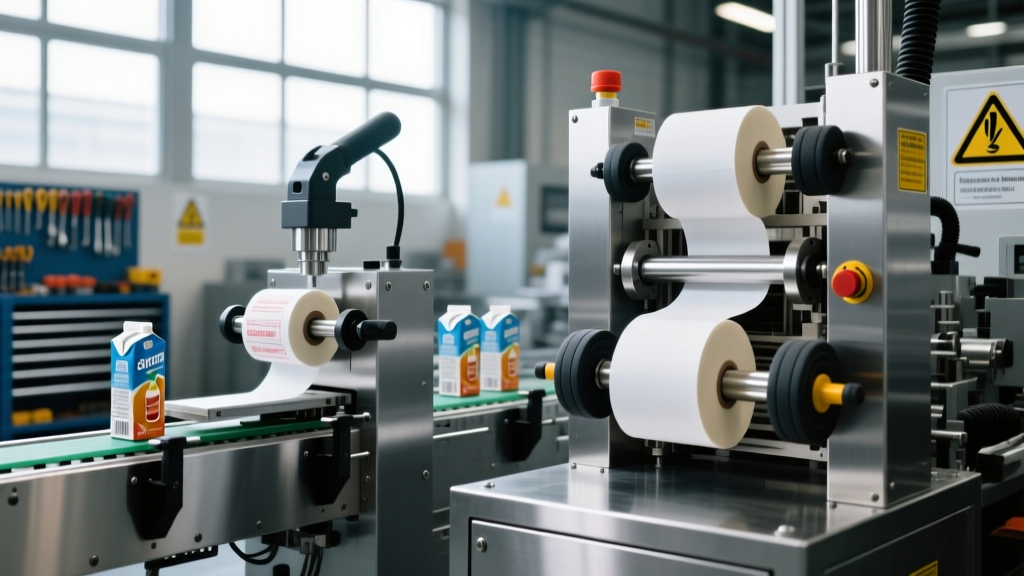
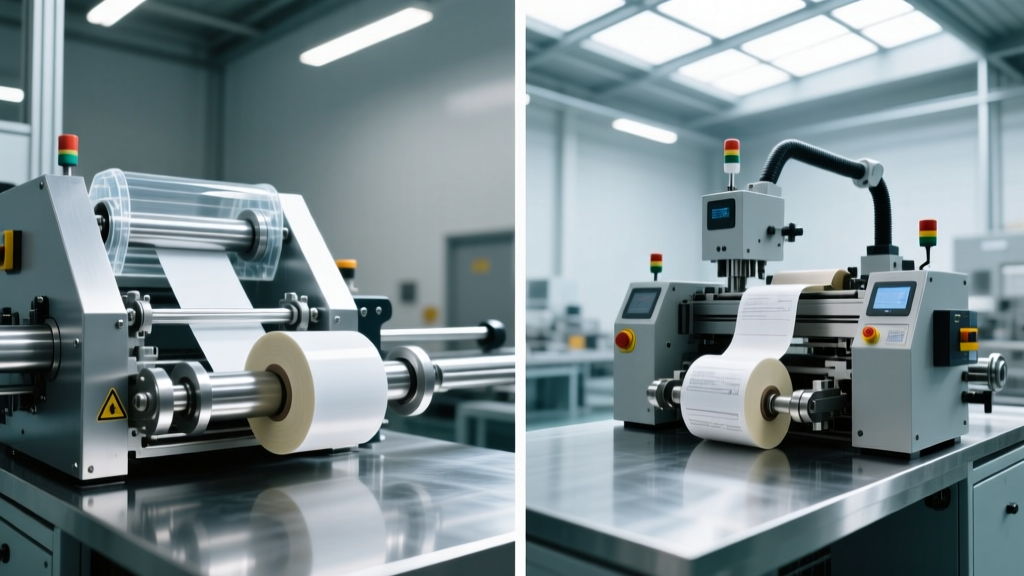
Pressure-sensitive labelers (PSL), such as the Herma 400 series or Weber Alpha systems, rely on precise web tension and mechanical peeling. Their primary enemy is adhesive ooze and particulate dust. Conversely, heat-shrink sleeve applicators like the Krones Variomatic or Axon sleeve systems rely on high-speed cutting mandrels and thermal/steam tunnels. Their primary enemies are friction-induced polymer wear and mineral scale buildup. Treating these two machines with a uniform maintenance schedule guarantees premature downtime.
Information Gain: The Ecommerce Changeover Factor
Traditional retail packaging runs the same SKU for 8 hours. Ecommerce runs demand short bursts (50-200 units) followed by a changeover. This means clutch/brake mechanisms in PSLs and servo-driven feed screws in sleeve labelers experience 10x more start/stop thermal cycling per shift. Maintenance intervals must be calculated by start/stop cycles, not just run hours.
Pressure-Sensitive Labeler (PSL) Maintenance Matrix
PSL systems fail most frequently at the dispense edge (peel plate) and the web path. Adhesive buildup alters the peel angle, causing label flagging or tearing, while dust from corrugated ecommerce boxes contaminates the photoelectric sensors.
| Interval | Component | Action & Specifics |
|---|---|---|
| Daily | Peel Plate & Platen | Wipe with citrus-based solvent (e.g., De-Solv-it). Never use abrasive pads on Teflon-coated plates; scoring ruins the low-friction surface. |
| Weekly | Web Path & Idler Rollers | Remove adhesive transfer using isopropyl alcohol. Check roller bearings for lateral play exceeding 1mm. |
| Monthly | Drive Belt & Tension Arm | Inspect O-ring drive belts for micro-cracks. Calibrate the dancer arm tension spring to manufacturer specs (usually 2-4 N for thin films). |
| Bi-Annual | Servo Motor & Gearbox | Check gearbox oil levels. Re-zero the servo encoder if label placement drift exceeds ±1.5mm over a 500-unit run. |
⚠️ Warning: The Peel Plate Trap
Operators often scrape hardened adhesive off stainless steel peel plates with metal putty knives. This creates microscopic grooves that catch the label backing web, leading to catastrophic web snaps at high speeds (150+ ft/min). Always use plastic scrapers and dedicated citrus solvents. Budget $150–$250 to replace Teflon-coated peel plates every 9-12 months as a preventative measure.
Heat-Shrink Sleeve Labeler Maintenance Protocol
Sleeve labelers eliminate the adhesive problem but introduce severe mechanical and thermal maintenance requirements. The cutting mandrel operates at extreme RPMs, and the shrink tunnel relies on precise fluid dynamics or thermal airflow.
Step-by-Step: Servicing the Cutting Mandrel and Tunnel
- Isolate and Lockout: Follow strict OSHA Lockout/Tagout procedures before accessing the cutting head. The kinetic energy stored in the servo drives requires a full 60-second discharge wait time.
- Inspect PEEK Wear Rings: The Polyether ether ketone (PEEK) rings guide the film tube over the mandrel. Check for uneven wear grooves. If the depth exceeds 0.5mm, replace immediately. Worn rings cause film tracking errors and jam the cutting blades.
- Blade Calibration: Sleeve labelers use tungsten carbide or specialized steel blades. After every 500,000 cuts (tracked via the HMI), remove the blade assembly. Clean the blade holder with compressed air to remove PET/PVC dust, and torque the mounting screws to exactly 4.5 Nm to prevent harmonic vibration.
- Steam Tunnel Descaling: For steam tunnels, mineral scale from boiler water restricts the micro-nozzles, causing uneven shrinking (the "dog-ear" effect). Flush the steam manifold with a 10% citric acid solution monthly. For electric tunnels, vacuum the heating element fins weekly to prevent localized overheating and film burn-through.
- Lubricate the Feed Screws: Apply a food-grade, PTFE-based dry lubricant to the film feed screws. Avoid wet greases, which attract PVC dust and form an abrasive paste that destroys the screw threads.
Spare Parts Inventory & Cost Analysis
Stocking the wrong parts for your ecommerce packaging machinery ties up capital, while missing critical spares halts the line. Based on 2026 pricing data and supply chain lead times, here is the optimal minimum inventory for a high-speed fulfillment center.
PSL Critical Spares
- Teflon Peel Plates: $180 each (Keep 2)
- O-Ring Drive Belts: $45 each (Keep 5)
- Photoelectric Sensors: $350 each (Keep 1)
- Web Tension Dancer Spring: $90 (Keep 2)
- Total PSL Buffer Cost: ~$975
Sleeve Critical Spares
- PEEK Mandrel Rings: $420 each (Keep 2 sets)
- Tungsten Carbide Blades: $280 each (Keep 4)
- Steam Micro-Nozzles: $110 each (Keep 6)
- Timing Belts (Feed): $150 each (Keep 2)
- Total Sleeve Buffer Cost: ~$2,480
Ecommerce Changeover Fatigue: Mitigating Operator-Induced Wear
According to industry analyses from the Packaging Machinery Manufacturers Institute (PMMI), over 40% of packaging line downtime is attributed to changeover inefficiencies and operator error. In ecommerce, where a single shift might pack cosmetics, supplements, and electronics, labelers are constantly re-threaded and adjusted.
To mitigate operator-induced wear:
- Standardize Tool-less Changeovers: Retrofit older PSLs with quick-release peel plate mounts and snap-in web guides. This eliminates the use of hex keys, which frequently strip threads and misalign the web path when overtightened by fatigued operators.
- Digital Recipe Management: Utilize the HMI to store exact servo positions and web tension parameters for every SKU. Forcing operators to manually guess the tension dial for a new ecommerce box size leads to over-tensioning, which stretches the backing paper and causes premature drive belt wear.
- Color-Coded Wear Parts: Implement visual management. Paint the acceptable wear limits on mandrel rings and peel plates with high-visibility enamel. If the bare metal shows through the paint, the part is tagged for immediate replacement, removing the guesswork from shift-start inspections.
Expert FAQ on Ecommerce Packaging Machinery Labelers
Why do my pressure-sensitive labels flag at the trailing edge on corrugated ecommerce boxes?
Trailing edge flagging on corrugated stock is rarely an adhesive failure; it is almost always a wipe-down pressure or dust issue. Ecommerce corrugated boxes generate high levels of fibrous dust when scored. If your PSL lacks a compressed air blow-off nozzle immediately preceding the label dispense point, dust embeds in the adhesive. Furthermore, check your wipe-down brush or sponge roller. If the durometer (hardness) is too low, it absorbs the impact rather than applying the necessary 3-5 lbs of pressure required to activate pressure-sensitive adhesives into the corrugated pores.
Our sleeve labels are shrinking unevenly, creating a 'smile' or 'frown' distortion. Is the tunnel broken?
Distortion in sleeve labels (smiling or frowning) is usually a symptom of uneven heat distribution or film tracking, not a broken heating element. First, check the steam tunnel's nozzle alignment; if the left-side nozzles are scaled over, the right side shrinks faster, pulling the graphic. Second, inspect the mandrel's centering. If the film tube is not extruded perfectly concentric to the container, one side of the sleeve has more material to shrink, causing structural distortion. Use a digital caliper to measure the gap between the mandrel and the container at 4 quadrants; it must be within ±0.2mm.
How do we validate maintenance schedules for our labeling equipment?
Move away from calendar-based maintenance to condition-based monitoring. Modern ecommerce packaging machinery features servo drives that log torque data. By integrating the labeler's PLC with your facility's CMMS (Computerized Maintenance Management System), you can set alerts for when the servo torque required to pull the web increases by 15% over baseline. This spike indicates idler roller bearing degradation or adhesive buildup on the platen, allowing your technicians to service the machine exactly when needed, rather than arbitrarily every 30 days. For deeper integration strategies, resources from Packaging Digest frequently detail IIoT sensor retrofits for legacy packaging lines.