Smart CNCs: Building Machine Learning Tools for High Content Screening
Discover how Industry 4.0 smart CNCs and precision machine tools manufacture the microfluidic and optical hardware for high content screening systems.
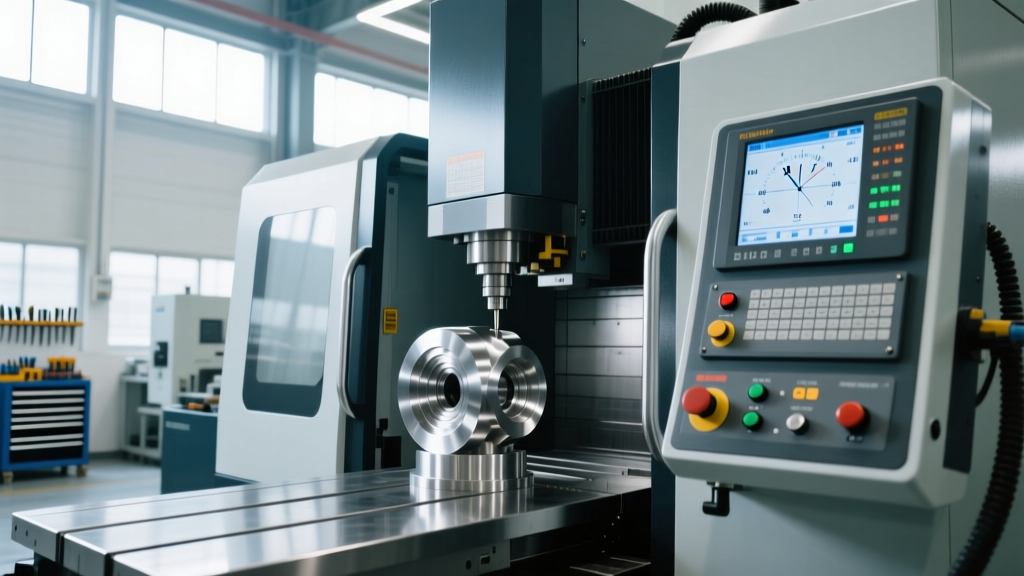
While software engineers and biologists develop the algorithms that power modern drug discovery, the physical execution of these assays relies entirely on ultra-precise hardware. The development of machine learning tools for high content screening (HCS) requires vast datasets of cellular imagery, which in turn demands automated microscopes, microfluidic cell-culture plates, and nanometer-accurate motion stages. Manufacturing these components pushes the limits of traditional machining. In 2026, biotech hardware manufacturers are turning to smart machine tools and Industry 4.0 connectivity to achieve the sub-micron tolerances required for next-generation HCS systems.
The Physical Substrate of High Content Screening
High content screening systems analyze thousands of cellular samples simultaneously, tracking morphological changes in response to chemical compounds. The hardware facilitating this includes 384-well and 1536-well microfluidic manifolds, cyclic olefin copolymer (COC) optical plates, and titanium optical mounting stages.
The machining requirements for these components are unforgiving:
- Microfluidic Channels: Must maintain a width tolerance of ±2 µm to ensure consistent laminar flow and prevent cellular shear stress.
- Optical Stages: Require surface flatness of less than 1 µm across a 300 mm travel distance to prevent autofocus algorithms from failing during rapid Z-axis image stacking.
- Material Challenges: COC polymers are highly sensitive to thermal deformation, while Titanium Grade 5 (Ti-6Al-4V) accelerates tool wear and requires aggressive cooling strategies.
'The software might be intelligent, but if the microfluidic chip has a 5-micron deviation in channel depth, the fluid dynamics change, the cells die, and the machine learning model trains on garbage data. Precision machining is the bottleneck of modern biotech.' — Dr. Aris Thorne, Director of Hardware Engineering at a leading Boston-based life sciences automation firm.
Industry 4.0 Connectivity: Bridging the CNC to the Cloud
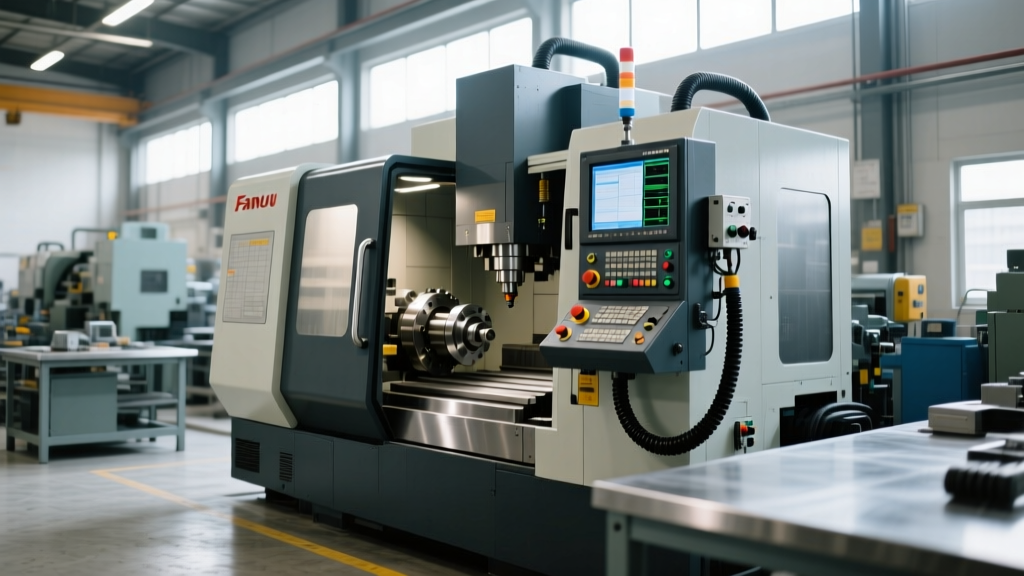
To maintain the required tolerances, machine shops producing HCS hardware utilize Industry 4.0 connected smart CNCs. According to the MTConnect Institute, standardizing machine communication via MTConnect and OPC-UA protocols allows shop floors to stream real-time spindle load, thermal displacement, and vibration data directly to Manufacturing Execution Systems (MES).
Smart Thermal Compensation in Action
When machining COC microfluidic plates, friction from micro-endmills generates localized heat, causing the polymer to expand. Smart CNCs like the Kern Micro HD utilize integrated temperature sensors embedded directly in the machine casting and spindle housing. The machine's AI-driven controller predicts thermal growth and automatically adjusts the axis positioning in real-time, compensating for deviations down to 0.1 µm without requiring operator intervention.
Furthermore, the NIST Smart Connected Manufacturing program highlights that digital twins of these CNC processes allow engineers to simulate micro-milling toolpaths before cutting physical material, identifying potential chatter or tool deflection that would ruin a $4,000 COC blank.
Case Study: 5-Axis Machining of 384-Well COC Plates
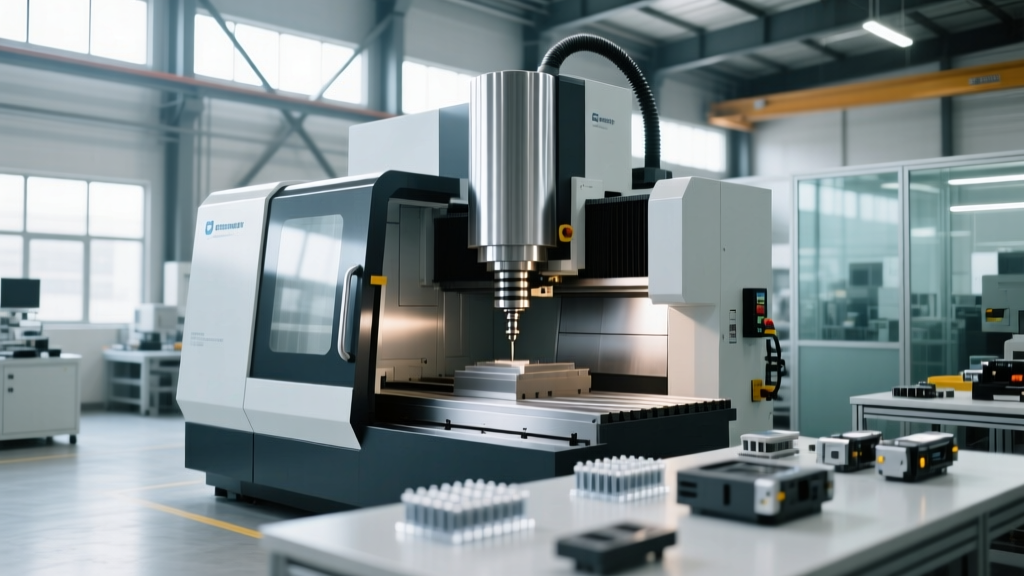
A mid-sized medical device contract manufacturer in Minnesota recently transitioned from 3-axis vertical machining centers (VMCs) to a 5-axis smart micro-milling cell to produce 384-well HCS microfluidic plates. The goal was to eliminate manual re-fixturing, which was introducing cumulative positional errors and inflating scrap rates.
| Metric | Legacy 3-Axis VMC Process | Smart 5-Axis Micro-Milling Cell (2026) |
|---|---|---|
| Machine Model | Standard 3-Axis VMC (15,000 RPM) | Kern Micro HD (160,000 RPM, Hydrostatic Guides) |
| Cycle Time per Plate | 3 hours 45 minutes (includes 2 manual flips) | 42 minutes (Single setup, continuous machining) |
| Positional Tolerance (Well-to-Well) | ±8 µm | ±0.8 µm |
| Scrap Rate | 18.5% (due to flip errors and tool breakage) | 1.2% (In-process probing and AE tool monitoring) |
| Cost Per Good Part | $315.00 | $142.00 |
The integration of a Renishaw Equator gauging system directly inside the 5-axis work envelope allowed the machine to probe the COC blank after the first operation, automatically updating the work coordinate system (WCS) for the second operation. This closed-loop feedback is a hallmark of smart manufacturing, ensuring that the physical hardware perfectly matches the CAD model required for HCS optical alignment.
Edge Cases: Acoustic Emission and Tool Wear in Polymer Milling
One of the most critical failure modes in manufacturing HCS microfluidics is micro-tool breakage. Cutting 1536 individual micro-channels requires 0.3 mm diameter carbide endmills spinning at 80,000 RPM. If a tool breaks and the machine continues to run, the entire plate is scrapped, and the subsequent toolpaths will crash into the uncut material.
Standard spindle load monitoring is insufficient for micro-tools because the cutting forces are too small to trigger a standard load threshold. To solve this, smart machine tools are now equipped with Kistler Acoustic Emission (AE) sensors. These piezoelectric sensors are mounted directly to the spindle housing and listen for the high-frequency stress waves (typically between 100 kHz and 1 MHz) generated when a cutting edge fractures.
The AE Response Protocol
- Detection: The AE sensor detects the specific frequency signature of a carbide micro-fracture within 2 milliseconds.
- Interrupt: The smart CNC controller instantly halts the spindle and axis feeds, preventing the tool shank from gouging the COC plate.
- Automated Recovery: The machine's Industry 4.0 interface sends an alert to the MES, automatically queues a sister tool from the tool magazine, re-establishes the tool length offset via a laser probe, and resumes the exact G-code line where it left off.
Regulatory Compliance and Traceability
Hardware used in pharmaceutical screening is subject to strict regulatory oversight. The FDA Medical Devices division requires comprehensive traceability for components used in diagnostic and screening equipment. Industry 4.0 smart machine tools automatically log every parameter of the machining process—spindle speed, feed rate, coolant pressure, and ambient temperature—and bind this data to the serial number of the specific HCS microfluidic plate. If a biotech firm experiences an anomaly in their screening data, they can trace the physical plate back to the exact second it was machined, verifying that no thermal or mechanical deviations occurred during production.
2026 Procurement Framework for Biotech Machine Shops
For machine shops looking to enter the high-content screening hardware supply chain, purchasing a standard CNC is no longer sufficient. The procurement strategy must prioritize data connectivity, thermal stability, and micro-machining capabilities. Use this framework when evaluating capital equipment:
- Spindle and Guide Technology: Reject standard ball-screw drives for optical stage manufacturing. Specify hydrostatic guideways and direct-drive linear motors to eliminate stick-slip friction, which causes surface finish anomalies that scatter optical lasers.
- Native MTConnect/OPC-UA Support: Do not buy machines that require third-party, retrofitted IoT gateways. The machine controller must natively output MTConnect data streams via an Ethernet port for seamless MES integration.
- Integrated Tool Measurement: Ensure the machine includes a non-contact laser tool setting system (e.g., Blum MicroCompact) capable of measuring tool runout and length to sub-micron resolutions inside the working area.
- Coolant Delivery Systems: For machining titanium optical mounts, specify high-pressure coolant systems (minimum 1,000 PSI / 70 bar) directed through the spindle to prevent built-up edge (BUE) on the micro-cutting tools.
The intersection of biotechnology and advanced manufacturing is where the next major leaps in drug discovery will occur. By leveraging smart machine tools, manufacturers can produce the flawless physical substrates that machine learning tools for high content screening require, turning algorithmic potential into clinical reality.