Top Tools Using Machine Learning for Bug Triage in Smart Workholding
Discover the top tools using machine learning for bug triage to monitor smart vises, chucks, and fixtures, ensuring OSHA and ISO safety compliance.
Translating Software 'Bug Triage' to Workholding Faults
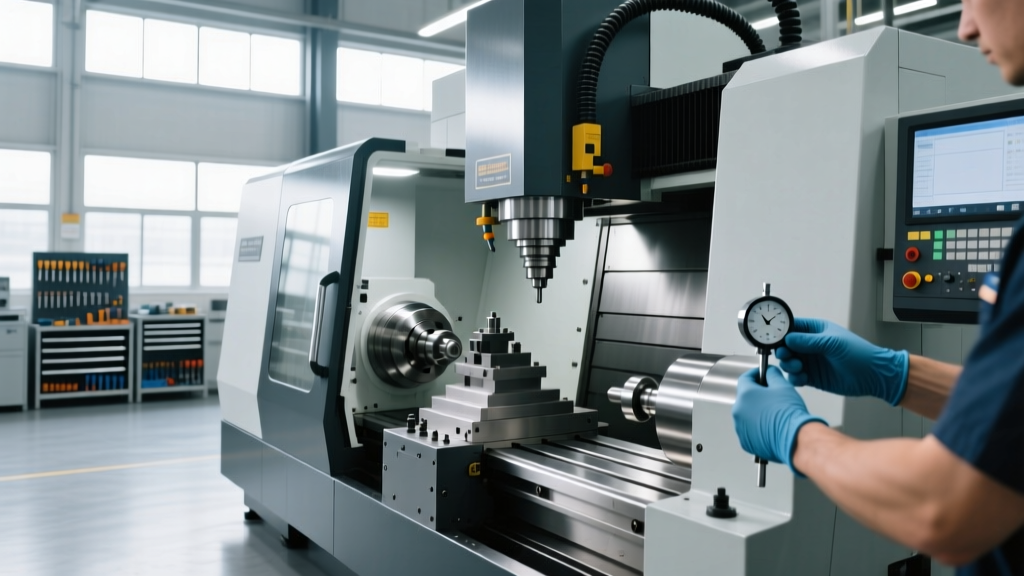
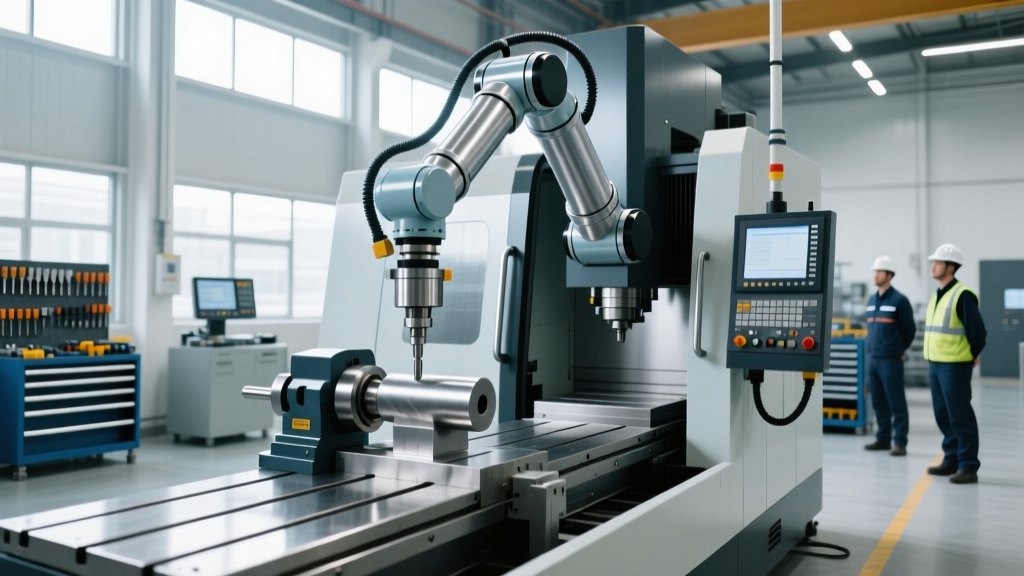
In traditional software engineering, bug triage is the process of categorizing and prioritizing code defects. However, in the realm of Industry 4.0 smart manufacturing, the definition of a 'bug' has expanded. When safety engineers and shop floor managers search for the top tools using machine learning for bug triage, they are increasingly referring to the prioritization of telemetry anomalies, sensor drift, and logic faults in IoT-enabled workholding systems. Modern CNC machine shops utilize smart vises, hydraulic chucks with integrated air sensing, and fixtures equipped with piezoelectric strain gauges. When these devices experience a 'bug'—such as a 15% drop in hydraulic clamping pressure or a false-positive strain gauge reading caused by high-pressure coolant ingress—the result is not a crashed application, but a potentially catastrophic workpiece ejection.
⚠️ SAFETY WARNING: According to OSHA Standard 1910.212, improper workholding and clamping failures are leading causes of severe lacerations and blunt force trauma in machining environments. A workpiece ejected from a 3-jaw chuck at 4,000 RPM carries kinetic energy comparable to a small-caliber firearm. ML-driven fault triage is no longer optional for high-mix, high-volume shops; it is a critical compliance safeguard.The Compliance Imperative: ISO 16090-1 and OSHA Standards
Safety compliance in machining is governed by stringent frameworks, most notably ISO 16090-1:2017 (Machine tools safety — Machining centres) and OSHA's general machine guarding requirements. These standards mandate that workholding systems must maintain verified clamping forces throughout the entire machining cycle, accounting for dynamic variables like centrifugal force and cutting torque.
For example, a standard 10-inch hydraulic 3-jaw chuck (such as the Schunk ROTA THW plus) can lose up to 30% of its static clamping force when ramping up to 5,000 RPM due to centrifugal effects on the master jaws. If the machine's PLC (Programmable Logic Controller) fails to apply the correct centrifugal compensation curve, the system has a 'bug.' Machine learning triage tools intercept these parameter mismatches in real-time, prioritizing them as critical safety faults before the spindle is permitted to engage, thereby ensuring continuous ISO compliance.
Top Tools Using Machine Learning for Bug Triage in Machining
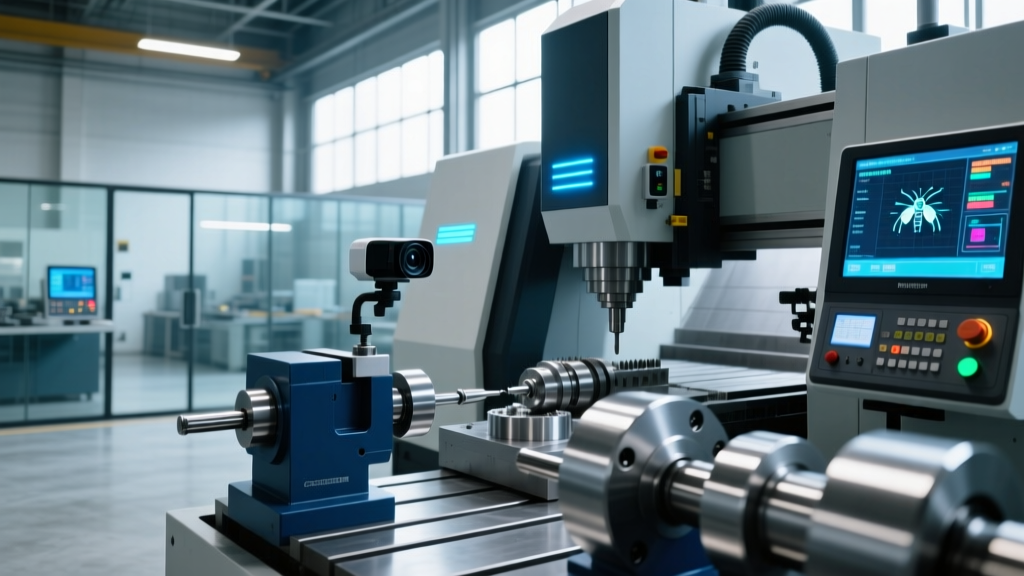
To manage the massive influx of telemetry data from smart fixtures and chucks, manufacturers rely on specialized ML platforms. Below are the leading systems currently deployed for workholding fault triage.
1. Siemens Senseye Predictive Maintenance
Siemens Senseye excels in time-series anomaly detection for heavy-duty workholding. By ingesting vibration and acoustic emission (AE) data directly from fixture-mounted sensors, Senseye's ML algorithms establish a baseline 'healthy' clamping signature. When a hydraulic fixture experiences micro-leaks or valve stiction, the system triages this as a high-priority degradation bug. It automatically generates a maintenance work order linked to the specific fixture ID, ensuring the tool is pulled from the production line before clamping force drops below the ANSI B11 safety threshold.
2. MachineMetrics Edge AI
MachineMetrics focuses on edge-computing ML triage, processing data locally at the CNC controller to eliminate latency. For smart vises like the Kurt DX6 equipped with IoT clamping monitors, MachineMetrics evaluates the strain gauge data at 1,000 Hz. If the system detects harmonic chatter indicating that the workpiece is micro-slipping within the vise jaws—a critical safety bug—it triages the fault instantly and sends an M-code command to halt the spindle. This localized triage prevents the workpiece from becoming a projectile while protecting the spindle bearings from crash damage.
3. Rockwell Automation Fiix CMMS with ML Triage
Fiix integrates directly with broader shop-floor ERP and CMMS (Computerized Maintenance Management Systems). Its ML triage engine is specifically tuned for mechanical wear-and-tear bugs in workholding. For instance, if a pneumatic tombstone fixture on a horizontal machining center (HMC) begins showing a 200-millisecond delay in clamp/unclamp actuation times, Fiix triages this as an impending solenoid failure. It cross-references the shop's inventory and automatically reserves the replacement SMC pneumatic valve, ensuring compliance with preventative maintenance schedules mandated by ISO 9001 and ISO 45001 safety protocols.
ML Triage Platform Comparison Matrix
| Platform | Primary Sensor Integration | ML Triage Focus | Compliance Output |
|---|---|---|---|
| Siemens Senseye | Acoustic Emission (AE), Vibration | Hydraulic pressure degradation, micro-leaks | Automated ISO 45001 hazard logging |
| MachineMetrics Edge | Piezoelectric Strain Gauges | Real-time clamping slip, chatter detection | Sub-millisecond spindle halt (OSHA 1910.212) |
| Rockwell Fiix | Pneumatic actuators, Proximity switches | Actuation latency, solenoid wear | CMMS work-order generation, audit trails |
Step-by-Step: Implementing ML Triage for Fixture Compliance
Deploying these tools requires a structured approach to ensure the ML models accurately distinguish between normal machining dynamics and genuine safety bugs.
- Sensor Calibration and Baselining: Before enabling ML triage, run the smart workholding (e.g., Hainbuch smart clamping devices) through 50 empty clamping cycles. The ML tool uses this data to map the baseline pneumatic/hydraulic pressure curves and actuation timing.
- Define Triage Severity Thresholds: Configure the software's severity matrix. A 5% deviation in clamping force should be triaged as a 'Low/Warning' bug (logged for the next shift change). A 15% deviation or high-frequency vibration spike must be triaged as 'Critical/Stop' (immediate M00 machine halt).
- Integrate with PLC Safety Routines: Ensure the ML platform's API is hardwired into the CNC's Safe Torque Off (STO) circuit. ML triage is useless if the software cannot physically override the spindle drive when a critical workholding bug is detected.
- Establish Audit Trails: Configure the platform to export weekly triage reports. Safety auditors require documented proof that clamping anomalies were identified, triaged, and resolved in accordance with NIST smart manufacturing guidelines and internal EHS (Environment, Health, and Safety) policies.
Real-World Edge Cases: When ML Triage Fails
While ML is highly effective, safety engineers must account for physical edge cases that can blind the triage algorithms, leading to dangerous false negatives.
- Coolant Ingress Blinding Optical Sensors: In high-pressure coolant environments (70+ bar), tramp oil and metallic particulates can coat the optical proximity sensors used to verify chuck jaw closure. The ML tool may read the sensor as 'closed and secure' (no bug detected), while the jaw is actually obstructed by a chip. Solution: Mandate daily sensor wipe-downs and implement secondary pneumatic seat-checks.
- Thermal Expansion of Aluminum Fixtures: When machining 6061-T6 aluminum on a tombstone fixture, the heat transfer can cause the fixture body to expand, altering the strain gauge readings. An untrained ML model might triage this thermal expansion as a 'loss of clamping force' bug, causing nuisance machine stops. Solution: Train the ML model using thermal compensation algorithms that correlate spindle load and ambient temperature with strain gauge outputs.
- Centrifugal Grease Migration: In manually adjusted chucks, high RPMs cause lubricating grease to migrate outward, increasing friction on the master jaw wedges. This mechanical binding can mask a true loss of hydraulic pressure, preventing the ML tool from triaging the fault. Solution: Strict adherence to manufacturer-mandated greasing intervals using specific high-temperature lithium-complex greases.
Workholding Safety FAQ
Q: Can standard CNC vises be retrofitted for ML bug triage?
A: Yes. Standard vises can be retrofitted with wireless piezoelectric load cells placed beneath the movable jaw. These transmit clamping force data via Bluetooth or Zigbee to edge ML platforms like MachineMetrics, allowing older equipment to participate in modern safety triage protocols.
Q: How often should the ML triage models be retrained?
A: Models should be retrained quarterly, or immediately after changing workholding hardware (e.g., switching from aluminum soft jaws to hardened steel serrated jaws), as the acoustic and vibration signatures of the clamping system will fundamentally change.
Q: Does ML triage replace physical pull-stud and fixture inspections?
A: No. ML triage is a supplementary compliance layer. Physical inspections for micro-fractures in fixture bodies, pull-stud necking, and chuck jaw wear remain mandatory under OSHA regulations and cannot be entirely digitized.