Meyco Machine and Tool Lubrication Systems vs. Direct OEM Alternatives Compared
Compare Meyco Machine and Tool lubrication systems against direct OEM alternatives. Analyze costs, schedules, and progressive vs. multi-point injectors.
The Sourcing Dilemma: Distributor vs. Direct OEM
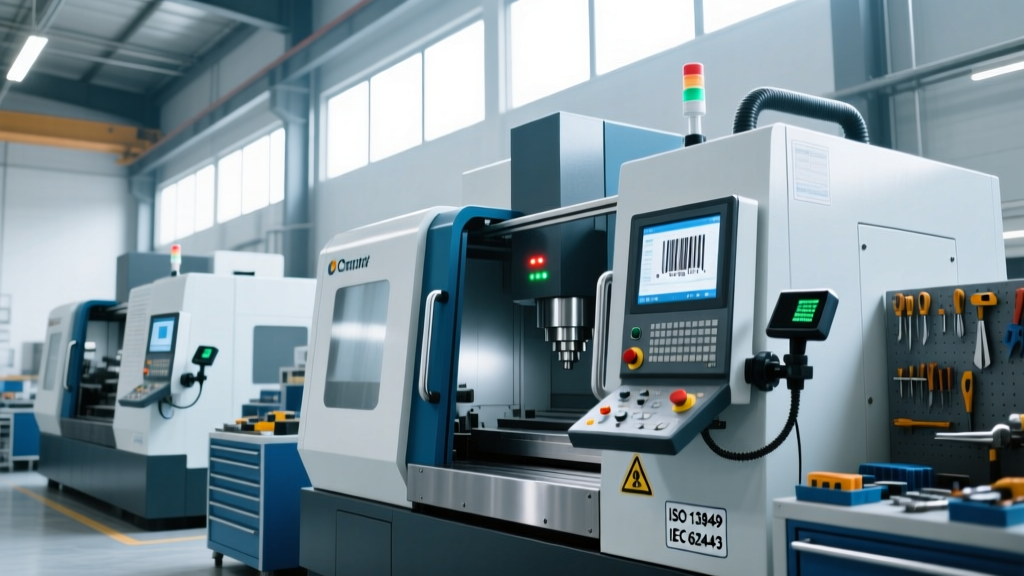
When outfitting, retrofitting, or maintaining CNC machining centers, shops face a critical procurement decision regarding fluid management: source modular components through specialized regional distributors like Meyco Machine and Tool, or rely exclusively on direct OEM (Original Equipment Manufacturer) proprietary packages. While OEMs typically bundle basic single-line resistance systems with new VMCs and lathes, these systems often lack the precision metering required for high-load, multi-axis contouring. Sourcing through established industrial suppliers opens the door to advanced progressive and multi-point architectures that drastically reduce way wear and spindle bearing failures.
This analysis breaks down the hardware architectures, fluid chemistry, and maintenance schedules of distributor-sourced aftermarket systems versus standard OEM baselines, providing a concrete framework for machine shop managers to optimize their lubrication infrastructure in 2026.
Decision Framework: When to Bypass OEM Lube Systems- Stick to OEM: Standard 3-axis VMCs running light-duty aluminum milling with linear guideways, where basic resistance lube is sufficient and warranty compliance is the primary concern.
- Source via Meyco Machine and Tool / Aftermarket: Heavy-duty box-way machines, 5-axis trunnion tables, or legacy equipment rebuilds requiring precise volumetric metering (progressive systems) and synthetic way oils to eliminate stick-slip friction.
Hardware Architecture: Progressive vs. Single-Line Parallel
The most significant divergence between OEM baseline systems and upgraded distributor alternatives lies in the metering architecture. Most OEMs install single-line parallel (resistance) systems because they are cheap to manufacture (typically under $450 per machine). However, these systems cannot guarantee that every lube point received fluid; if one line clogs, the pressure switch still trips, masking a dry guideway.
Distributors frequently supply Bijur Delimon progressive systems or SKF Lincoln Centro-Matic single-line positive systems. Progressive systems, such as the Bijur Multiport II, use a series of reciprocating pistons where the movement of one piston mechanically forces the next to cycle. If a single metering valve blocks, the entire system stalls and triggers an immediate, accurate alarm.
| Feature | OEM Baseline (Resistance System) | Bijur Delimon Multiport II (Progressive) | SKF Lincoln Centro-Matic (Positive) |
|---|---|---|---|
| Typical Retrofit Cost | N/A (Included) | $1,850 – $2,400 | $2,200 – $3,100 |
| Monitoring Accuracy | Low (System pressure only) | High (Piston cycle proximity switch) | Medium-High (Individual pin indicators) |
| Best Application | Light-duty linear guideways | Heavy box-ways, multi-axis trunnions | High-cycle transfer lines, large gantries |
| Operating Pressure | 15 – 30 PSI | 200 – 3,000 PSI | 250 – 5,000 PSI |
Sizing the Metering Valves (MJVs)
When upgrading to a progressive system, exact orifice sizing is critical. A standard Bijur Metering Junction Valve (MJV) with a 0.015-inch orifice delivers approximately 0.016 cubic inches of fluid per cycle. If a shop is retrofitting a 40-taper VMC with 12 lube points (X/Y/Z axes plus ball screws), the total volume per cycle is roughly 0.192 cubic inches. Pairing this with a 2.5 cc (0.15 cubic inch) displacement pump will result in incomplete cycles and false low-pressure alarms. Sourcing through specialized suppliers ensures you receive matched pump-to-valve displacement ratios, a common pitfall when buying generic components online.
Fluid Chemistry: Way Oils and Tackifier Additives
Hardware is only half the equation; the tribology of the fluid dictates the lifespan of the machine's scraping and Turcite-B way liners. OEMs often recommend generic ISO 68 way oils, but high-performance machining requires specialized tackifier packages.
According to SME technical literature on machine tool friction, the 'stick-slip' phenomenon on vertical and inclined axes is mitigated by polyisobutylene tackifiers. These polymers increase the oil's adhesion to cast iron and steel surfaces, preventing the lube from flinging off ball screws or draining off vertical columns during rapid traverses.
- Mobil Vactra Oil No. 2 (ISO 68): The industry standard for box-way machines. Contains a robust tackifier package and friction modifiers specifically designed to prevent stick-slip at low feed rates (under 10 IPM).
- Fuchs Renoslide 68: A premium alternative often stocked by industrial distributors, offering superior demulsibility. If your machine uses flood coolant, Renoslide separates from water-based coolants much faster than Vactra, preventing the formation of acidic sludge in the sump.
- Synthetic ISO 32/46 Alternatives: For machines equipped exclusively with precision linear guideways (e.g., THK or NSK rails), lighter synthetic oils reduce rolling resistance and thermal growth, though they require more frequent application cycles due to lower viscosity.
Optimizing the Maintenance Schedule: Beyond the OEM Baseline
OEM manuals typically suggest a vague 'check fluid levels daily' approach. To maximize uptime and prevent catastrophic gib-lock failures, shops utilizing advanced aftermarket systems must implement a strict, interval-based maintenance schedule.
Daily Operations (Shift Start)
- Reservoir Verification: Ensure way lube reservoir is above the 20% fill line. Running the pump dry for even 30 seconds can score the urethane pump elements.
- Cycle Counter Check: Verify the PLC lube cycle counter matches the expected interval (typically 1 cycle every 15 minutes of spindle-on time).
- Visual Line Inspection: Check clear polyurethane distribution lines for air bubbles, which indicate a suction leak at the pump inlet.
500-Hour Interval (Monthly)
- Filter Screen Flush: Remove the 40-micron bronze filter screen located at the pump outlet. Flush with mineral spirits and blow out with dry, oil-free compressed air (do not exceed 30 PSI to avoid rupturing the bronze mesh).
- Proximity Switch Test: Manually trigger the lube pump and verify the PLC receives the signal from the progressive divider valve's proximity switch within 4 seconds.
- Coolant Separation Check: Draw a 50ml sample from the way lube sump. If it appears milky, coolant is migrating past the way wipers. Replace the fluid and install upgraded polyurethane scraper wipers.
2000-Hour Interval (Annual Teardown)
- Pump Element Replacement: Replace the internal pump pistons and check valves. A worn pump element will drop system pressure from 300 PSI to under 150 PSI, failing to open the MJV pilot pistons.
- MJV Rebuild: Progressive divider valves accumulate microscopic swarf over time. Disassemble the valve bank, clean all bores with a non-chlorinated brake cleaner, and replace the O-ring seals and end-cap gaskets using an OEM rebuild kit (typically $85–$120 per valve block).
- Reservoir Sludge Purge: Completely drain the reservoir. Vacuum out the bottom 10% where heavy metallic particulates and degraded tackifiers settle. Refill with fresh ISO 68 way oil.
Troubleshooting Decision Tree: System Pressure Alarms
When a CNC throws a 'Lube Pressure Low' alarm, operators often default to resetting the alarm and adding fluid. Use this diagnostic framework to identify the root cause without unnecessary downtime:
Symptom: Pump runs, but pressure gauge reads 0-10 PSI (Target: 200+ PSI)- Branch A: Reservoir is full. Action: Check the main supply line for a burst fitting. If lines are intact, the internal pump relief valve is stuck open with debris. Drop the reservoir and clean the relief seat.
- Branch B: Reservoir is empty, but no leaks on the floor. Action: The machine is consuming oil. Check the way wipers. If wipers are missing or torn, the oil is being scraped directly into the chip conveyor. Replace wipers and verify way cover bellows integrity.
- Branch C: Progressive valve proximity switch did not trip. Action: A single MJV piston is seized with swarf. Isolate valve blocks one by one until pressure drops. Rebuild the seized block.
- Branch D: Proximity switch tripped, but PLC still shows alarm. Action: Electrical fault. Check the 24V DC signal wire from the switch to the I/O board for a broken connection or failed opto-isolator.
The ROI of Upgrading Your Lubrication Infrastructure
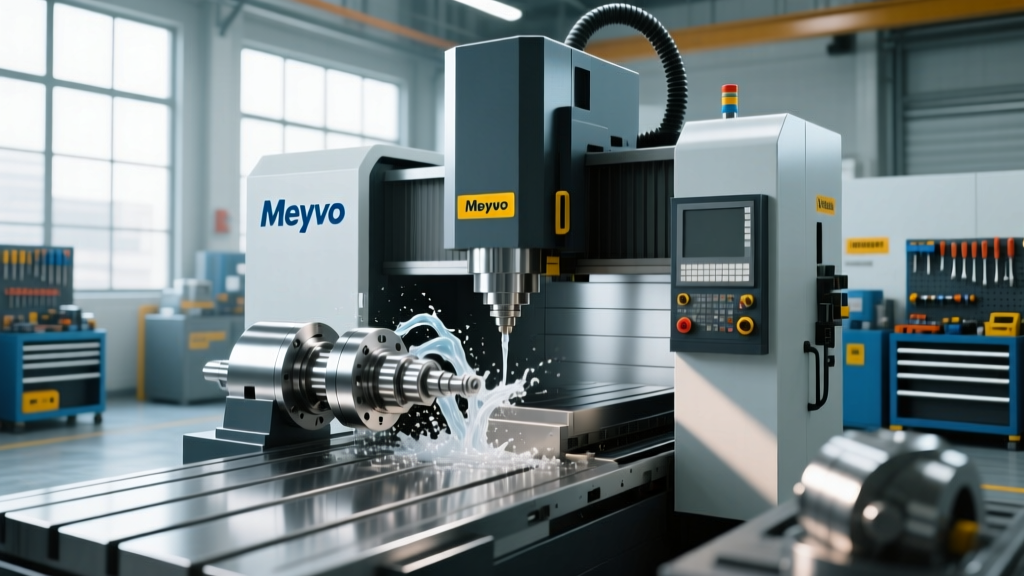
While sourcing advanced progressive systems and premium synthetic way oils through distributors like Meyco Machine and Tool requires an upfront capital expenditure of $2,000 to $4,000 per machine, the return on investment is realized rapidly through the prevention of way wear. Re-scraping a single axis on a 40-taper VMC or replacing a set of precision ball screws due to lubrication starvation routinely exceeds $12,000 in parts and labor, not including the cost of missed production deadlines.
By abandoning generic OEM resistance systems in favor of positively monitored, volumetrically metered progressive architectures, and adhering to a strict 500/2000-hour maintenance cadence, machine shops can extend the geometric accuracy of their equipment by 30% to 40% over the machine's operational lifespan. Evaluate your current fleet's lube architectures against the frameworks outlined above, and prioritize retrofits on machines performing high-precision contouring or heavy roughing operations where stick-slip and thermal growth are most detrimental.