Chip Conveyor Alternatives for Machine Tool Spindle Repair California
Compare chip conveyor alternatives to prevent swarf intrusion and avoid costly machine tool spindle repair in California shops.
The Hidden Catalyst Behind Spindle Failures in High-Volume CNC Shops
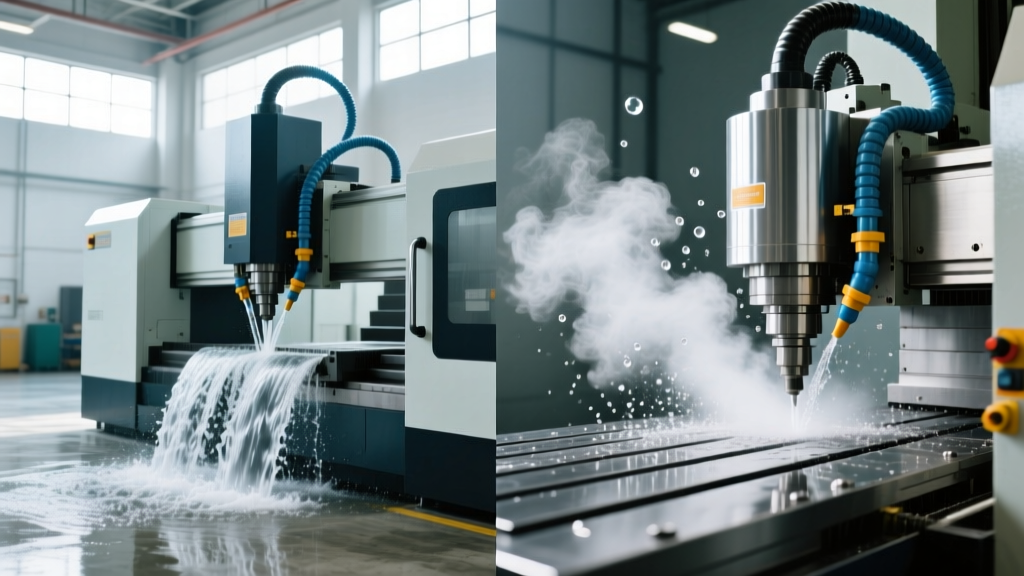
When CNC shops search for machine tool spindle repair California providers, they are often reacting to a symptom rather than addressing the root cause: inadequate swarf management. In high-production environments—particularly across Southern California’s aerospace corridors and the Bay Area’s medical device manufacturing hubs—stringy chips and abrasive fines are the primary culprits behind premature spindle bearing degradation.
A standard BT40 or CAT40 spindle rebuild on a workhorse like the Haas VF-4SS or Mazak VARIAXIS currently ranges from $12,500 to $16,000 in the California market, factoring in 2026 regional labor rates and OEM bearing lead times. For HSK-A63 interfaces on 5-axis machines like the DMG Mori DMU 50 3rd Gen, that invoice frequently exceeds $24,000. The financial bleed isn't just the repair; it's the 72 to 120 hours of machine downtime. Upgrading your chip conveyor and swarf extraction alternatives is a fraction of this cost and serves as your first line of defense against catastrophic seal breaches.
⚠️ Critical Failure Mode: The Air Purge BypassModern spindles utilize a labyrinth seal backed by an air purge to prevent contaminant ingress. However, long, stringy aluminum chips (common in 6061-T6 and 7075-T6 aerospace structural parts) can wrap tightly around the spindle nose. This physical mass restricts the air purge gap, creating a capillary wicking effect that draws coolant-soaked fines directly past the labyrinth and into the angular contact bearings (typically NSK or FAG). Once the Kluber NBU 15 or Mobil Velocite grease emulsifies, bearing failure at 10,000+ RPM is imminent.
Comparing Chip Conveyor Alternatives for Stringy Swarf
The standard hinge-belt conveyor that ships with 80% of new CNC machines is fundamentally flawed for non-ferrous, stringy chip generation. To protect your spindle and maintain untended machining cycles, shops must evaluate specialized alternatives.
| Conveyor Type | Best Material Match | Spindle Protection Level | Est. Retrofit Cost (2026) | Maintenance Interval |
|---|---|---|---|---|
| Standard Hinge Belt | Brittle Steel, Cast Iron | Low (Prone to jamming/stringing) | $2,500 - $4,000 | Monthly tension checks |
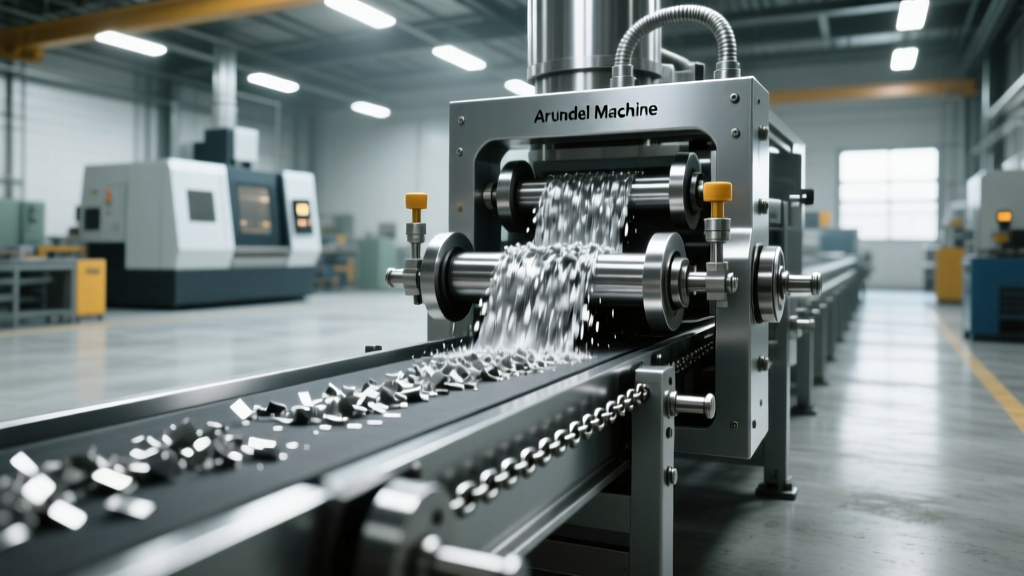
| Scraper / Drag Chain | Stringy Aluminum, Titanium | High (Clears nose area effectively) | $5,500 - $8,500 | Quarterly wear-plate inspection |
| Auger / Screw | Fine powders, Brass, Delrin | Medium (Fails on long strings) | $3,000 - $4,500 | Bi-annual bearing lube |
| Vacuum / Cyclone Extraction | Dry Machining Graphite, Composites | Very High (Zero coolant wicking) | $12,000 - $18,000 | Filter replacement (500 hrs) |
Deep Dive: The Scraper Conveyor Advantage
For California shops heavily invested in aluminum aerospace milling, the scraper conveyor is the premier alternative. Unlike a hinge belt that relies on gravity and friction, a scraper uses a heavy-duty drag chain with polyurethane or steel wiper blades that physically push stringy nests up the incline. According to Sandvik Coromant's chip management guidelines, controlling chip flow at the cutting zone is critical to preventing secondary cutting and machine component damage. A scraper system ensures that the chip pan remains clear, preventing the swarf pile from rising high enough to contact the spindle nose during deep Z-axis travels.
California-Specific Swarf Challenges: Thermal Growth and Title 22
Operating a machine shop in California introduces unique environmental and regulatory variables that directly impact machine tool geometry and swarf handling logistics.
Thermal Distortion in Aerospace Hubs
In high-speed machining (HSM) of titanium (Ti-6Al-4V) and Inconel 718, the heat transferred into the swarf is immense. If a standard conveyor fails to evacuate chips quickly, the accumulated hot swarf rests against the cast-iron machine bed. This causes localized thermal expansion. On a 5-axis trunnion table machine, a mere 2°C temperature differential across the bed can induce a 15-micron Y-axis squareness error. Over a 40-hour untended weekend run, this thermal growth ruins tight-tolerance aerospace profiles. High-velocity scraper or vacuum systems evacuate the heat source immediately, maintaining the thermal stability required for spindle-to-table alignment.
Coolant Disposal and Briquetting Alternatives
California’s Department of Toxic Substances Control (DTSC) enforces strict Title 22 regulations regarding hazardous waste. Swarf that is dripping with tramp oil or synthetic coolants cannot be legally transported to standard recyclers without costly centrifuging or briquetting. Investing in an integrated swarf briquetter alongside your conveyor alternative not only ensures DTSC regulatory compliance, but it also reclaims up to 98% of your expensive coolant, paying for the conveyor upgrade in reclaimed fluid savings within 14 months.
"Shops that view chip conveyors as mere housekeeping tools are leaving tens of thousands of dollars on the table in spindle rebuilds and coolant disposal fees. Swarf management is a precision engineering requirement."
— 2026 Advanced Manufacturing Fluid & Swarf Report
Decision Framework: Matching Conveyor to Material
Use this diagnostic flow to select the correct conveyor alternative based on your primary spindle load and material mix:
- Scenario A: 80%+ Aluminum (6061/7075) with HSM Toolpaths
- Problem: Long, bird-nesting stringy chips wrapping around the toolholder and spindle nose.
- Solution: Retrofit with a Scraper Conveyor equipped with a programmable reverse-cycle (M-code triggered every 45 minutes to break chip jams).
- Scenario B: Hard Milling (H13 Tool Steel, D2) & Dry Graphite
- Problem: Micro-fines infiltrating the spindle air purge and coolant tank, acting as lapping compound on bearings.
- Solution: Install a Drum Filter / Filtermat Conveyor paired with a 20-micron coolant filtration unit to prevent fines from recirculating through the spindle chiller.
- Scenario C: High-Mix Job Shop (Steel, Al, Plastics)
- Problem: Unpredictable chip morphologies causing intermittent hinge-belt stalls.
- Solution: Upgrade to a Cleated Hinge Belt with Integrated Wipers and install a spindle-nose air-blast collar (M-code activated at tool changes) to physically blow chips away from the seal gap.
Fines that bypass the conveyor and enter the coolant tank will eventually clog the spindle chiller's heat exchanger. If your spindle chiller fails to maintain the required 20°C (± 0.1°C), the spindle shaft will expand, pre-loading the bearings and mimicking a mechanical failure. Always pair your conveyor upgrade with a 50-micron bag filter on the coolant return line.
Final Verdict on Preventative Swarf Management
Relying on OEM baseline hinge conveyors in modern, high-speed California machine shops is a false economy. The Association For Manufacturing Technology (AMT) consistently highlights that automated, reliable chip evacuation is foundational to the profitability of untended manufacturing cells. By investing $6,000 to $12,000 into a material-specific scraper or filtration conveyor alternative, shop owners effectively eliminate the leading mechanical cause of seal breaches. This proactive approach drastically reduces the frequency of emergency machine tool spindle repairs, protects critical aerospace tolerances from thermal distortion, and ensures compliance with stringent state environmental regulations.