Automating Existing Machine Tools: Lubrication Systems Compared
Compare automated lubrication systems for retrofits. Learn how automating existing machine tools impacts lube schedules, costs, and uptime.
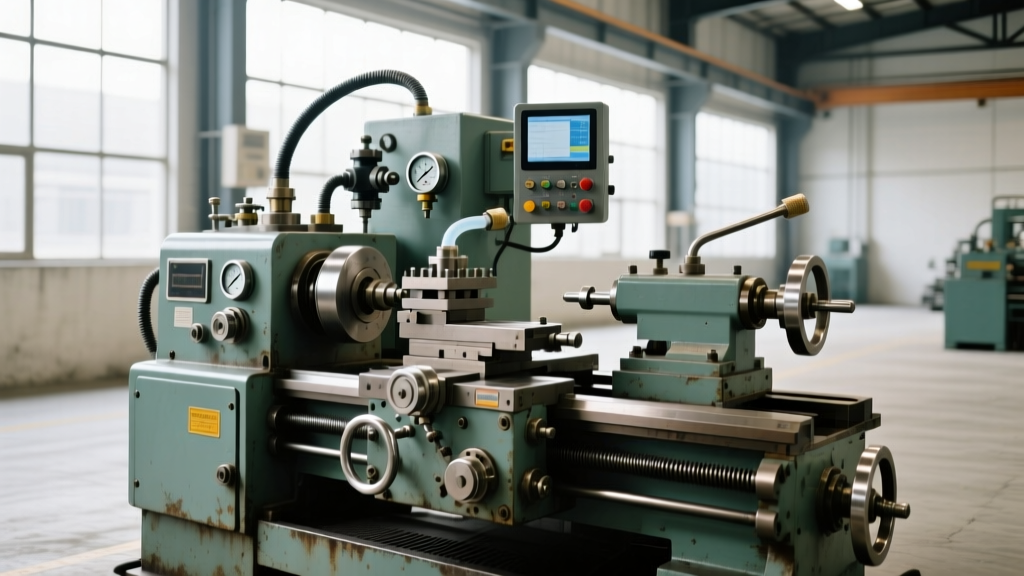
Transitioning a job shop to unattended or lights-out production requires eliminating manual interventions. The most frequent point of failure in unattended machining is way lube and spindle bearing starvation. When automating existing machine tools, upgrading from manual grease zerks and gravity-fed oilers to centralized automated lubrication is non-negotiable. This analysis compares the primary automated lubrication alternatives for retrofitting legacy CNC mills, lathes, and grinders, providing exact integration parameters and cost benchmarks.
⚠️ Automation Bottleneck Warning: Running a CNC mill unattended with a manual gravity oiler risks catastrophic way scoring if the operator forgets to fill the reservoir before a weekend lights-out run. Automated retrofits require positive-displacement pumps with pressure-switch feedback tied directly to the machine's PLC alarm macros to halt the cycle before damage occurs.The Baseline: Manual Greasing vs. Automated Centralized Systems
Before evaluating specific hardware, it is critical to understand the operational shift that occurs when automating existing machine tools. Manual lubrication relies on human memory and physical access, resulting in over-lubrication (wasting fluid and contaminating coolant) or under-lubrication (causing stick-slip and thermal growth).
| Metric | Manual Grease/Oil | Automated Centralized System |
|---|---|---|
| Metering Accuracy | Low (Operator dependent) | High (0.01 cc to 0.15 cc per shot) |
| Interval Consistency | Erratic (Shift-based) | PLC-controlled (Time or Distance) |
| Coolant Contamination | High (Over-greasing common) | Minimal (Precise volumetric dosing) |
| Retrofit Cost (Typical VMC) | $0 (Labor intensive) | $3,500 - $8,500 |
| Lights-Out Viability | None | Full (With PLC interlocks) |
Evaluating Automated Lubrication Alternatives for Retrofits
When automating existing machine tools, the physical layout of the machine and the viscosity of the lubricant dictate the system architecture. Below are the three dominant technologies used in retrofit applications.
1. Progressive (Series) Divider Systems
Progressive systems, such as the SKF Lincoln Quicklub series, utilize a single positive-displacement pump that feeds a master divider valve. The internal pistons in the divider valve meter fluid to each bearing or way surface in a strict sequence.
- Best For: CNC lathes, tailstocks, and medium-sized VMCs with 10 to 25 lubrication points.
- Pricing: $3,000 to $5,500 fully installed.
- Failure Mode & Edge Case: Because the system operates in series, a single blocked line (e.g., a pinched polyurethane tube or hardened grease) stops the entire valve assembly. This requires the installation of a cycle-monitoring proximity switch on the master divider to trigger a PLC alarm if a full cycle is not completed within the programmed time window.
2. Single-Line Parallel Systems
Single-line parallel systems, heavily utilized by Bijur Delimon, feature independent metering injectors for each lube point. The pump pressurizes the main header, forcing all injectors to discharge simultaneously. When the header reaches the set pressure (typically 300-400 psi), a pressure switch signals the pump to stop and the vent valve to open, resetting the injectors.
- Best For: Large horizontal boring mills (HBMs) and heavy-duty gantry mills with long way covers and 30+ lube points.
- Pricing: $4,500 to $8,500 (Higher due to individual injector costs and complex plumbing).
- Failure Mode & Edge Case: If one injector fails or a line blocks, the rest of the system continues to operate normally. While this prevents a total machine shutdown, it means a single axis could run dry unnoticed unless individual visual indicator pins are inspected or secondary flow sensors are installed.
3. Oil-Air / Minimum Quantity Lubrication (MQL)
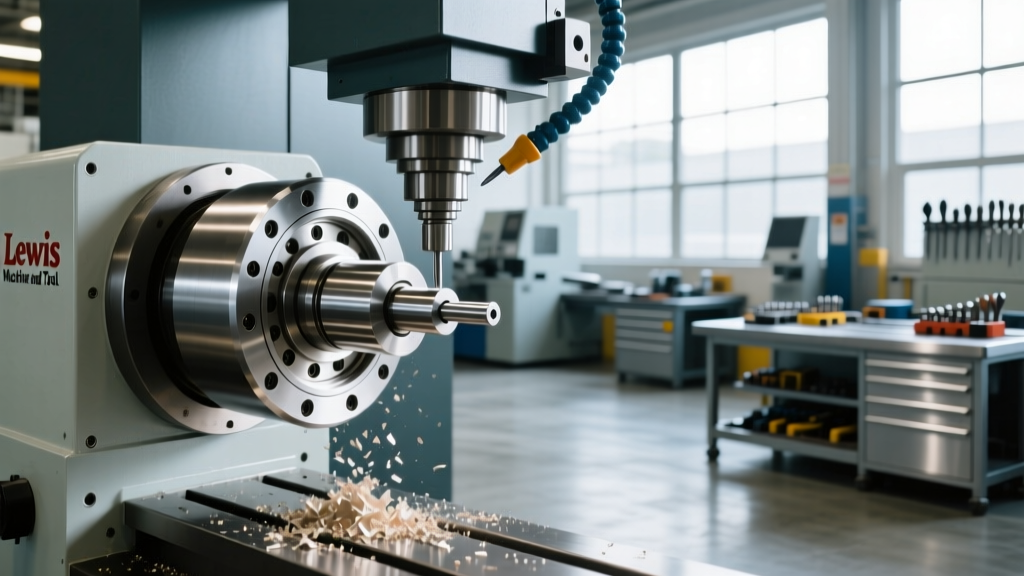
For high-speed spindles and enclosed gearboxes, traditional liquid oil floods the cavity, causing churning and thermal expansion. Oil-air systems inject microscopic droplets of ISO 220 spindle oil into a continuous stream of clean, dry compressed air.
- Best For: Retrofitting high-frequency spindles (20,000+ RPM) and precision grinding heads.
- Pricing: $6,000 to $12,000 (Requires specialized air preparation units and co-axial tubing).
- Failure Mode & Edge Case: Moisture in the shop air supply will emulsify the oil and destroy spindle bearings. An automated FRL (Filter-Regulator-Lubricator) with a 0.01-micron coalescing filter and desiccant dryer is mandatory.
Decision Matrix: Matching the System to Your Machine Tool
Selecting the correct hardware depends on the machine's kinematics and the required lubricant viscosity. Reference the matrix below when planning your retrofit.
| Machine Type | Recommended System | Lubricant Spec | Automated Schedule Target |
|---|---|---|---|
| Standard VMC (e.g., Haas VF-2) | Progressive (Series) | ISO 68 Way Oil | 2 cc per axis every 4 hours of cutting |
| Heavy Duty HBM / Gantry | Single-Line Parallel | ISO 220 Way Oil | 5 cc per axis every 800 meters of travel |
| CNC Lathe Chuck & Tailstock | Progressive (Series) | NLGI #2 Lithium Complex | 0.05 cc per cycle upon part load |
| High-Speed Milling Spindle | Oil-Air / MQL | ISO 22 Spindle Oil | Continuous 2 drops/min per bearing |
Critical PLC Integration Steps for Retrofitting
The hardware is only half the battle when automating existing machine tools. The lubrication pump must be seamlessly integrated into the machine's CNC controller to ensure safety and compliance. Follow this integration sequence:
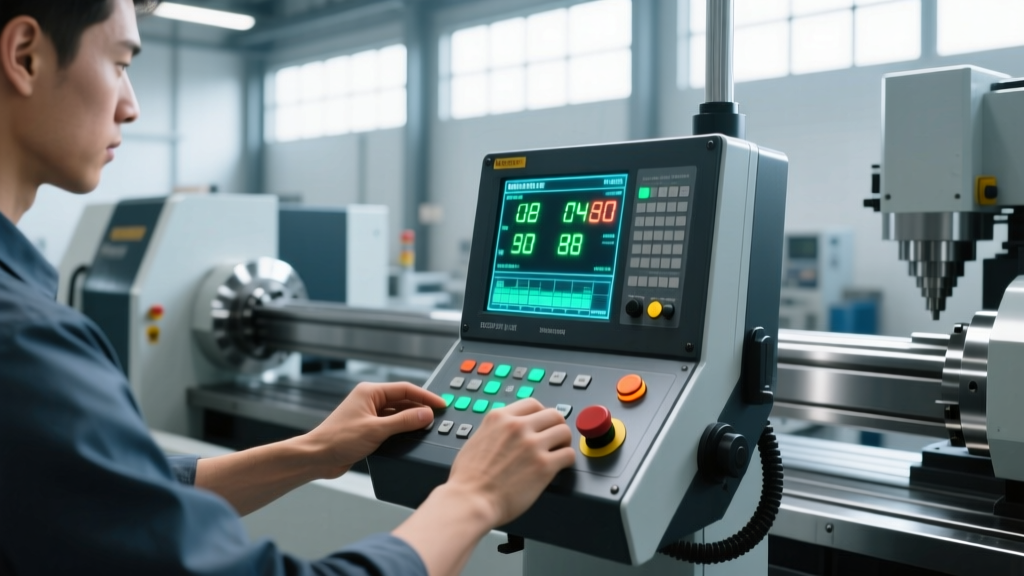
- Install the Pressure Switch: Wire a 24VDC pressure switch (set to 80% of the pump's max relief pressure) to a spare digital input on the machine's PLC I/O module.
- Map the M-Codes: Assign M24 (Lube Pump ON) and M25 (Lube Pump OFF) in the machine's macro variables. Ensure M24 is called in the safety header of every NC program.
- Program the Alarm Timer: Write a PLC ladder logic timer. When M24 is triggered, start a 15-second countdown. If the pressure switch input does not go HIGH before the timer expires, trigger a Feed Hold and display an operator alarm (e.g., 'ALARM 104: LUBE PRESSURE FAILURE').
- Implement MTConnect Monitoring: For modern smart shops, route the pressure switch and pump relay states through an edge gateway using the MTConnect standard. This allows facility managers to track lube cycle frequency on a dashboard, identifying degrading way covers or leaking lines before they cause a crash.
According to reliability guidelines published by SKF's automated lubrication division, over 36% of premature bearing and way failures in machine tools are traced back to improper lubrication volume or contaminated fluid. Automating the delivery process eliminates the human variance that causes these statistics.
Recalibrating Maintenance Schedules Post-Automation
Once the automated system is commissioned, the shop floor must abandon calendar-based maintenance schedules. Instead of 'greasing the lathe chuck every Friday,' the maintenance team must transition to condition-based and volumetric-based schedules.
For progressive systems, the primary maintenance task shifts to monitoring the cycle count of the master divider valve. If the PLC logs show that the time required to complete a full divider cycle increases from 12 seconds to 18 seconds over a month, it indicates rising backpressure in the lines—usually a symptom of way cover bellows collapsing or grease hardening in the winter months. Furthermore, facilities must implement strict fluid cleanliness protocols. As highlighted in SME's manufacturing technology resources, automated injectors feature internal check valves with tolerances as tight as 0.002 inches; a single particle of swarf or Teflon tape from a poorly sealed fitting will jam the injector permanently. Always use dedicated, filtered transfer pumps when refilling automated reservoirs, and never top off an ISO 68 way oil tank with an open funnel.