HMA Plant Equipment MN: Sustainable 2026
Looking for an HMA plant equipment manufacturer in MN? Compare 2026 sustainable specs, RAP capacities, and warm mix systems.
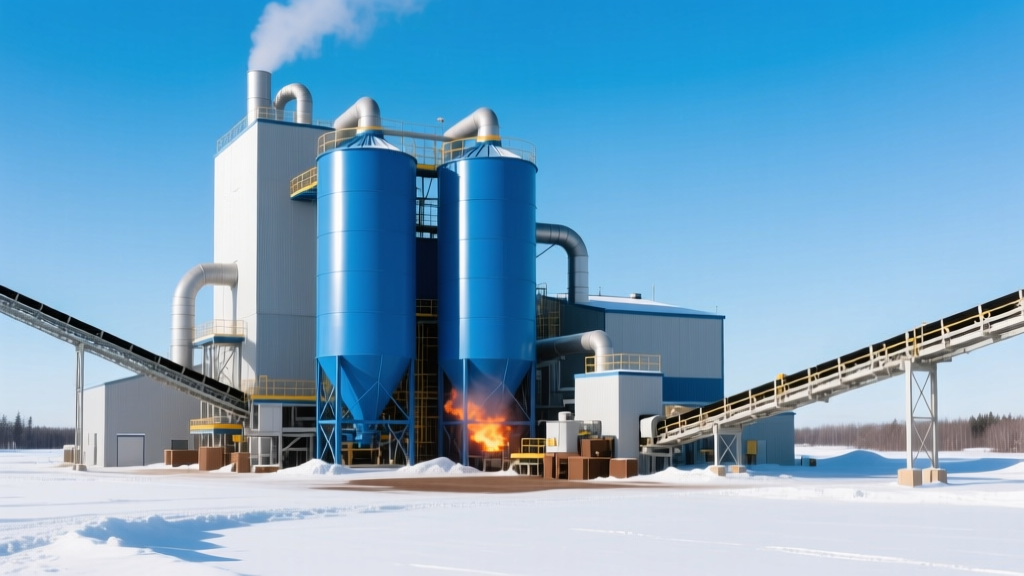
When sourcing heavy machinery for state infrastructure projects, finding a reliable HMA plant equipment manufacturer MN is critical for meeting stringent local specifications and environmental mandates. The shift toward green infrastructure in the Midwest means contractors are no longer just buying structural steel and industrial burners; they are investing in complex thermodynamic systems capable of processing high percentages of Reclaimed Asphalt Pavement (RAP) while minimizing thermal emissions. In 2026, Minnesota Department of Transportation (MnDOT) specifications heavily incentivize Warm Mix Asphalt (WMA) technologies and low-NOx combustion, forcing producers to upgrade or replace legacy parallel-flow drums with advanced counterflow architectures.
Whether you are expanding a municipal depot or commissioning a portable 400-TPH (tons per hour) setup for a highway expansion, the engineering tolerances required to survive Minnesota's sub-zero operating environments are unforgiving. This guide details the exact specifications, failure modes, and capital expenditure realities of procuring sustainable asphalt machinery from regional fabricators and distributors.
Why Choosing the Right HMA Plant Equipment Manufacturer MN Matters
The geographic and climatic realities of the Upper Midwest dictate that off-the-shelf machinery designed for southern states will rapidly fail in Minnesota. A specialized HMA plant equipment manufacturer MN understands the necessity of extreme cold-weather winterization, from insulated drag conveyors to pre-heated baghouse compartments. When ambient temperatures drop to -20°F, standard pneumatic valves freeze, and un-insulated liquid asphalt lines suffer catastrophic thermal shock.
Navigating Minnesota's Harsh Operating Conditions
Regional manufacturers and authorized local fabricators design structural components with higher-grade metallurgy to withstand thermal cycling. For example, the transition from a 300°F operating temperature to a -10°F overnight shutdown causes immense tensile stress on standard A36 carbon steel drum shells. Top-tier regional suppliers utilize T-1 structural steel for high-stress load-bearing zones and specify heavy-duty ceramic fiber insulation for all hot-gas pathways. Furthermore, local manufacturing hubs reduce the logistical nightmare of shipping oversized drum mixers and 120-ton silos across the country, allowing for modular, site-specific assembly that complies with local county road weight restrictions during transport.
Sustainable HMA Equipment MN: 2026 Core Specifications
The modern mandate for sustainable hma equipment mn revolves around three pillars: fuel efficiency, high-RAP integration, and particulate capture. MnDOT's latest guidelines (including Spec 3131 and 3132) encourage the use of WMA, which lowers production temperatures by 30°F to 50°F. This reduction drastically cuts natural gas consumption and limits the oxidation of the virgin asphalt binder.
| Component | Legacy Spec (Pre-2020) | 2026 Sustainable Spec (MN Standard) |
|---|---|---|
| Drum Mixer Type | Parallel Flow | Counterflow with High-RAP Collar |
| RAP Processing | 15% Max (Surface Course) | 40-50% via Indirect Heat Collar |
| Burner Technology | Standard Hauck/Beckett | Low-NOx, Modulating Ultrasonic Atomization |
| WMA Integration | Chemical Additives Only | Astec/Stansteel Foaming Kits (Water Injection) |
| Baghouse Filtration | Standard Nomex (8:1 A/C Ratio) | Aramid/P84 Blend (10:1 A/C Ratio, Insulated) |
Warm Mix Asphalt (WMA) and Foaming Technology
Rather than relying on expensive chemical surfactants, the latest WMA systems utilize mechanical foaming. By injecting precisely metered, high-pressure water into the hot binder just before it meets the aggregate, the asphalt expands into a micro-foam. This increases the binder's surface area, allowing for complete aggregate coating at 250°F instead of the traditional 300°F. According to the National Asphalt Pavement Association (NAPA), this not only reduces fuel costs by up to 15% but also significantly improves the working life of the mat during late-season Minnesota paving.
Key Components from a Top HMA Equipment Manufacturer
When evaluating a global or regional hma equipment manufacturer, buyers must scrutinize the sub-systems that dictate plant uptime. The drum mixer is the heart of the plant, but the ancillary systems are where profit margins are lost to maintenance downtime.
Counterflow Drum Mixers and High-RAP Collars
In a counterflow design, the aggregate moves opposite to the burner flame, ensuring that the virgin rock absorbs the maximum thermal energy before it reaches the combustion zone. However, introducing RAP directly into the flame causes the recycled binder to flash off, creating toxic blue smoke and carbon buildup. A specialized high-RAP collar introduces the recycled material further down the drum, utilizing conductive heat transfer from the virgin aggregate and hot gases rather than direct flame impingement. This allows producers to safely hit 50% RAP content without triggering MPCA (Minnesota Pollution Control Agency) opacity violations.
Baghouse Dew Point Management
The most common catastrophic failure in northern asphalt plants is baghouse blind-off. If the exhaust gas temperature drops below the dew point inside the filter housing, moisture condenses on the filter bags, mixing with fine limestone dust to form a concrete-like crust. For Minnesota operations, an advanced HMA plant equipment manufacturer MN will supply fully insulated baghouses equipped with automated recirculation dampers and pre-heat cycles to ensure the internal temperature never drops below 220°F during startup or sudden rainstorms.
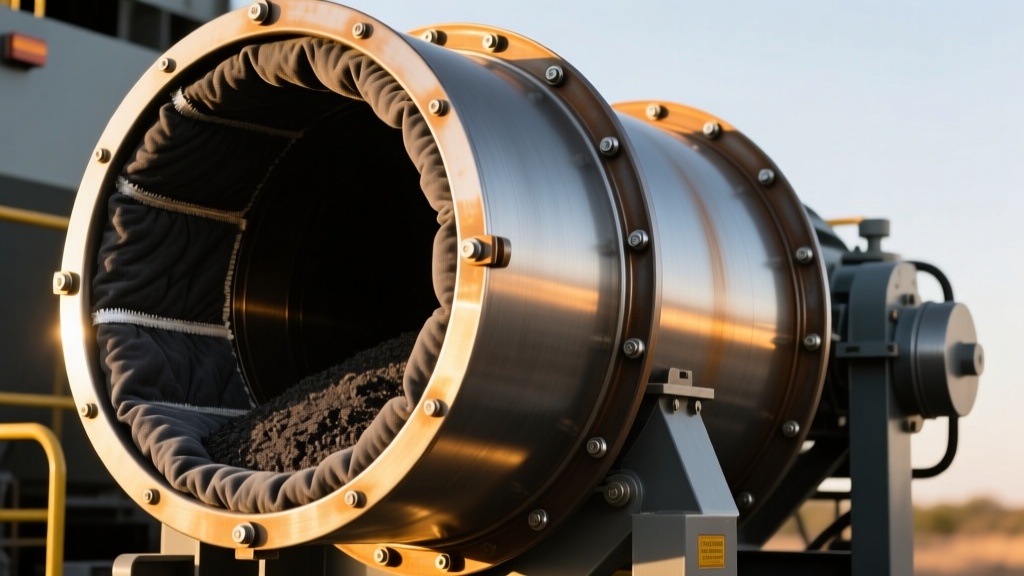
Evaluating an HMA Equipment Manufacturer MN for Custom Fabrication
Not all projects fit standard catalog dimensions. When retrofitting an existing site in the Twin Cities or Duluth, spatial constraints often require custom-engineered cold feed bins and specialized drag conveyor routing. A dedicated hma equipment manufacturer mn provides in-house CAD engineering to design modular, bolt-together structures that can be erected with smaller local cranes, bypassing the need for massive 500-ton rigging operations.
Pricing and ROI for Sustainable Upgrades
Capital expenditure for a modern, sustainable plant is significant, but the ROI on recycled materials justifies the outlay. Below is a baseline pricing matrix for a 400-TPH portable counterflow plant configured for Minnesota operations:
- Base Counterflow Drum & Chassis: $2,400,000 - $2,800,000
- High-RAP Collar & Elevator System: $115,000
- WMA Mechanical Foaming Kit: $48,500
- Insulated Pulse-Jet Baghouse (14,000 sq ft): $650,000
- Winterization Package (Heated lines, insulated silos): $85,000
With virgin liquid asphalt binder prices hovering near $600 per ton in the Midwest, utilizing 40% RAP (which costs roughly $15-$25 per ton to crush and screen) yields a material savings of over $20 per ton of finished mix. For a plant producing 200,000 tons annually, the high-RAP collar pays for itself in less than three weeks of continuous operation.
HMA Plant Equipment MN: Winterization and Failure Modes
Operating hma plant equipment mn from late April through November requires aggressive winterization protocols. The transition between seasons introduces freeze-thaw cycles that wreak havoc on electrical and pneumatic systems.
- Cold Feed Bin Bridging: Moisture in the virgin aggregate freezes, causing material to bridge over the feeder belts. Manufacturers now specify heavy-duty vibratory pan feeders and bin heaters to ensure consistent material flow.
- Drag Conveyor Chain Stretch: Thermal shock from hot mix hitting a freezing cold slat conveyor causes rapid metallurgical fatigue. Specifying forged, heat-treated alloy steel chains with automatic tensioners is mandatory for MN climates.
- Silo Cone Condensation: If hot mix sits in an uninsulated silo overnight, the binder drains to the bottom, resulting in a 'rich bottom' load that will fail MnDOT extraction tests. 4-inch polyurethane foam insulation with electric trace heating on the silo cones prevents this thermal segregation.

MnDOT Compliance and Emissions Standards
The Minnesota Pollution Control Agency (MPCA) enforces strict particulate matter (PM) and volatile organic compound (VOC) limits on hot mix facilities. Modern plants must achieve stack emissions of less than 0.02 grains per dry standard cubic foot (gr/dscf). This requires a two-stage dust collection system: a primary knock-out box or cyclone to capture heavy aggregate dust, followed by the secondary pulse-jet baghouse. Producers must also adhere to the MnDOT Asphalt Specifications regarding binder grading, ensuring that the plant's automated AC scales and temperature sensors are calibrated to within 0.1% accuracy to maintain performance-graded (PG) binder integrity.
Frequently Asked Questions
What specific features define reliable hma equipment mn for northern climates?
Reliable hma equipment mn must feature extreme cold-weather winterization packages. This includes fully insulated baghouses with dew-point monitoring, heated liquid asphalt and fuel oil lines, T-1 steel structural supports to handle thermal contraction, and enclosed, heated control towers. Without these features, the plant will suffer from frozen pneumatics and blinded filters during early spring and late fall paving seasons.
How do I verify an hma equipment manufacturer mn for custom high-RAP builds?
When vetting an hma equipment manufacturer mn, request case studies of their counterflow drum designs specifically utilizing high-RAP collars. Verify their ability to integrate indirect heat transfer systems that prevent blue smoke generation at 40%+ RAP rates. Additionally, ensure they provide localized MPCA emissions guarantee documentation and have regional service technicians available for rapid SCADA and burner troubleshooting.
Who is the most effective hma equipment manufacturer for integrating WMA technology?
The most effective hma equipment manufacturer for WMA technology will offer integrated mechanical foaming systems directly mounted to the liquid asphalt injection bar. Rather than relying on third-party chemical dosing pumps, native foaming kits utilize high-pressure water atomization to lower mix temperatures by up to 50°F, ensuring compliance with MnDOT's sustainability incentives while reducing fuel consumption by 12-15%.
What are the critical maintenance steps for hma plant equipment mn during winter shutdown?
Proper winterization of hma plant equipment mn requires draining all water lines, blowing out pneumatic hoses with compressed air, and applying heavy-grade synthetic lubricants to all drag conveyor bearings. The baghouse filters must be inspected for micro-tears, and the silo cones should be completely emptied and treated with a release agent to prevent binder oxidation and corrosion during the sub-zero dormant months.