Small-Scale Biodiesel Manufacturing Equipment: Startup Case Study
Explore a 500-GPD startup case study detailing small-scale biodiesel manufacturing equipment, CapEx costs, reactor specs, and critical failure modes.
The Micro-Refinery Model: Decentralized Fuel Production
The economics of biofuel production have historically favored massive, multi-million-gallon-per-year facilities. However, a distinct shift toward decentralized micro-refineries is redefining the sector. For startups entering the market, small-scale biodiesel manufacturing equipment offers a lower barrier to entry, localized feedstock sourcing, and reduced logistical overhead. This case study examines the deployment of a 500-gallon-per-day (GPD) continuous-flow transesterification skid by a representative Pacific Northwest startup, analyzing the specific equipment selections, capital expenditures, and operational edge cases encountered during their first year of production.
Core Economics of a 500-GPD Startup
- Target Output: 125,000 gallons annually (operating 250 days/year)
- Feedstock: Waste Vegetable Oil (WVO) sourced from regional restaurant aggregators at $0.85/gallon
- CapEx (Equipment Only): $142,500
- OpEx (Chemicals & Power): $1.15/gallon produced
- Wholesale Price (B100): $3.80/gallon (excluding RIN credits)
Equipment Bill of Materials (BOM) & Reactor Selection
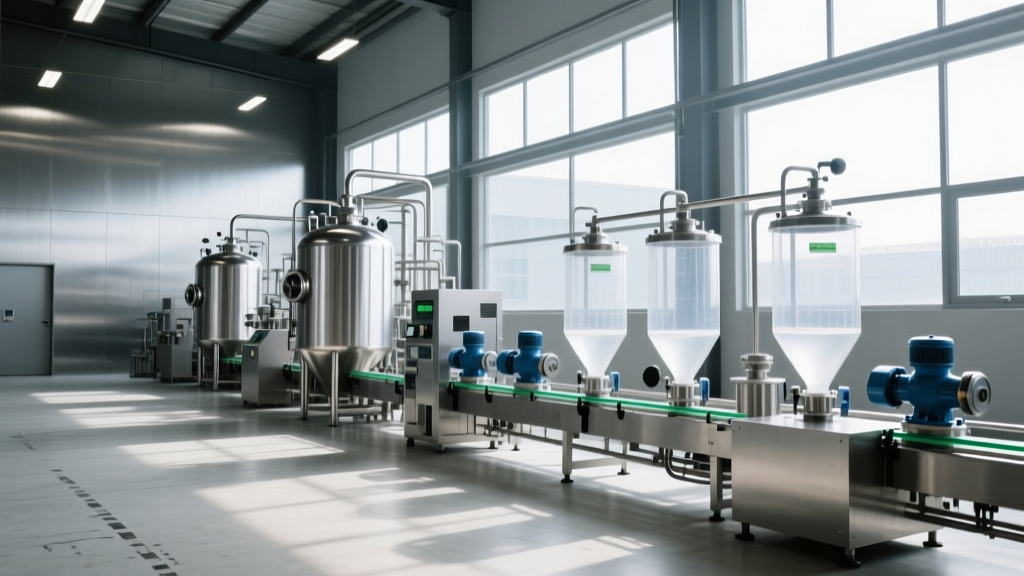
Selecting the right biodiesel manufacturing equipment for a micro-scale operation requires balancing automation with capital constraints. Batch processors are cheaper upfront but suffer from high labor costs and inconsistent quality. The startup opted for a semi-continuous skid-mounted system utilizing 316L stainless steel, which is mandatory to resist the corrosive effects of chloride ions present in wash water and the caustic nature of sodium methoxide catalysts.
| Equipment Component | Technical Specifications | Est. Cost (USD) |
|---|---|---|
| Transesterification Reactor | 500-gal 316L SS, jacketed, 3HP TEFC agitator (60 RPM) | $38,500 |
| Automated Titration System | Hanna Instruments HI84531 Mini Titrator | $2,200 |
| Centrifuge Separator | Westfalia LCA-205 Decanter (or equivalent 3-phase disc stack) | $45,000 |
| Methanol Recovery Still | 2-inch fractional distillation column, 304SS packing, 15kW reboiler | $24,000 |
| Dry Wash Columns | Dual 100-gal vessels with Magnesol media distribution grids | $12,800 |
| PLC Control Panel | Allen-Bradley CompactLogix with HMI, Class 1 Div 1 rated | $20,000 |
| Total Equipment CapEx | $142,500 | |
According to the U.S. Department of Energy's Alternative Fuels Data Center, maintaining precise temperature control during transesterification is critical. The jacketed reactor specified above utilizes a closed-loop thermal oil system to maintain the reaction mixture at exactly 60°C (140°F), staying safely below methanol's boiling point of 64.7°C while maximizing kinetic reaction rates.
Feedstock Pre-Treatment: Managing High FFA Edge Cases
Startups rarely have the purchasing power to secure virgin soybean oil; they rely on Waste Vegetable Oil (WVO). WVO typically contains Free Fatty Acids (FFAs) ranging from 2% to 8%. If FFAs exceed 2%, introducing a base catalyst (like sodium hydroxide) causes saponification—the mixture turns into soap, trapping the fuel and destroying the batch.
The Acid Esterification Solution
To mitigate this, the facility integrated an acid-catalyzed pre-treatment step. Using sulfuric acid (H2SO4) at 1% volume-to-volume (v/v) and a 20:1 methanol molar ratio, the startup converts FFAs into methyl esters before the primary base-catalyzed reaction. This requires a secondary 200-gallon settling tank equipped with a bottom-draw valve to purge the water byproduct generated during acid esterification. Skipping this water purge is a common failure mode that leads to severe emulsion formation in the primary reactor.
"The most expensive mistake a micro-refinery can make is assuming their feedstock is uniform. A single batch of WVO from a fryer that hasn't been filtered properly will spike your titration numbers, requiring an immediate recalculation of your catalyst dosage. Automated titration isn't a luxury; it's an insurance policy."
— Process Engineering Lead, Pacific Northwest Biofuels Initiative
Separation and Washing: Avoiding the Wastewater Trap
Following transesterification, the mixture must be separated into methyl esters (biodiesel) and glycerin. While gravity settling tanks are cheap, they require 12 to 24 hours per batch, effectively capping a micro-refinery's throughput. By investing $45,000 in a 3-phase disc stack centrifuge, the startup reduced separation time to 45 minutes per 500-gallon batch, enabling continuous daily processing.
Dry Washing vs. Water Washing
Historically, water washing (mist washing) was the standard for removing residual soaps and catalysts. However, water washing generates roughly one gallon of highly contaminated wastewater for every gallon of biodiesel produced. Disposing of this wastewater requires municipal permits and expensive treatment. Penn State Extension's research on small-scale biodiesel production highlights that dry washing is vastly superior for startups lacking industrial wastewater infrastructure.
The startup deployed a dual-column dry wash system utilizing magnesium silicate (Magnesol). The fuel is pumped through the media at a rate of 2 gallons per minute. This setup removes residual soaps, free glycerin, and trace methanol without generating a single drop of wastewater. The media requires replacement every 10,000 gallons, adding roughly $0.03 per gallon to the OpEx, a fraction of the cost of wastewater hauling.
Methanol Recovery: The Hidden Profit Center
Transesterification requires a 6:1 methanol-to-oil molar ratio, but the chemical reaction only consumes a 3:1 ratio. The excess 50% of methanol must be recovered. Failing to recover methanol not only wastes approximately $0.12 per gallon in raw chemical costs but also causes the final fuel to fail the ASTM D6751 flashpoint specification (which requires a minimum of 93°C).
⚠️ Safety Warning: Methanol Vapor Ignition
Methanol recovery stills operate under vacuum or at atmospheric pressure near 65°C. Because methanol vapors are heavier than air and highly flammable, all recovery equipment must be housed in a well-ventilated, explosion-proof enclosure. Electrical components, including reboiler heating elements and vacuum pumps, must carry a Class 1, Division 1 rating. Standard TEFC motors are insufficient for the recovery zone.
The startup's 2-inch fractional distillation column operates under a slight vacuum (20 inHg) to lower the boiling point, reducing thermal degradation of the fuel. By recovering 92% of their excess methanol, the facility reduced their net methanol consumption to 0.11 gallons per gallon of biodiesel produced, drastically improving their unit economics.
Regulatory Hurdles: BQ9000 and EPA RFS Compliance
Producing fuel that meets ASTM standards is only half the battle; selling it requires navigating federal and state frameworks. Startups must enroll in the EPA's Renewable Fuel Standard (RFS) program to generate Renewable Identification Numbers (RINs). RINs are tradable credits that can add $0.50 to $1.20 per gallon to the facility's revenue, often making the difference between operating at a loss and achieving profitability.
Furthermore, securing the BQ9000 accreditation is practically mandatory for commercial fuel distributors to purchase your product. BQ9000 requires rigorous lab testing protocols, including testing for total glycerin, water and sediment, and copper strip corrosion. The inclusion of the Hanna HI84531 titrator and an in-house gas chromatograph (an additional $25,000 investment not listed in the core BOM) allows the startup to perform these tests on-site, ensuring every 500-gallon batch is certified before it leaves the loading rack.
Strategic Takeaways for Prospective Founders
Entering the biofuel market with small-scale biodiesel manufacturing equipment is highly viable, provided the capital allocation prioritizes separation technology and methanol recovery over reactor volume. Startups that attempt to scale using gravity settling and water washing inevitably drown in hidden OpEx and permitting delays. By engineering a tight, automated, and dry-wash-centric micro-refinery, founders can achieve a localized, high-margin fuel production model that is resilient to global supply chain fluctuations.