Top US Calf Nursery Equipment Manufacturer: Lean Assembly Insights
Discover how a leading US calf nursery equipment manufacturer uses lean assembly cells and CNC machining to produce durable hutches and feeding kits.
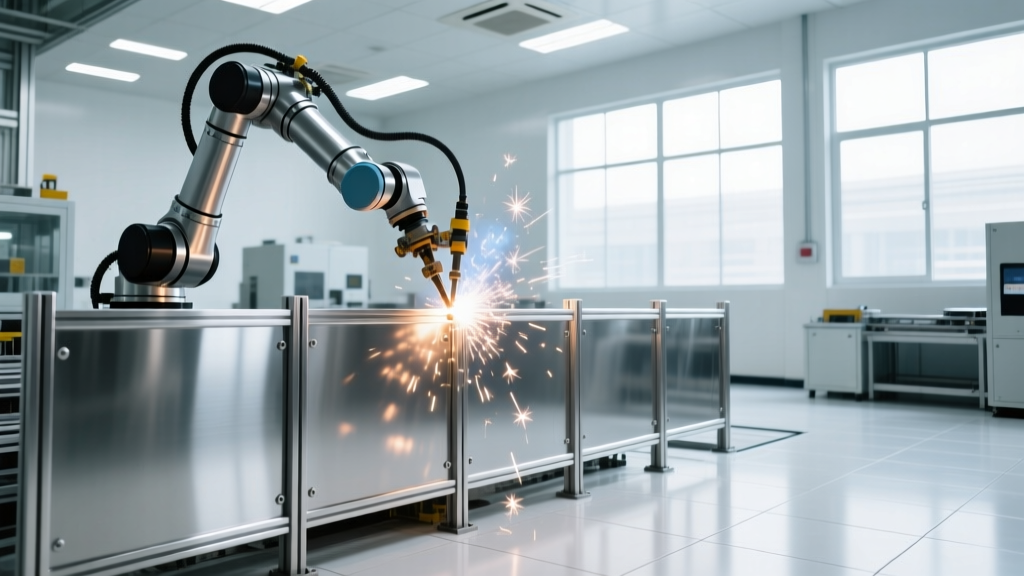
Modern dairy operations demand exceptional durability and biosecurity from their livestock infrastructure. When sourcing from a premier calf nursery equipment manufacturer, the underlying production methodology directly dictates product lifespan, structural integrity, and delivery reliability. In 2026, the agricultural machinery sector has fully embraced advanced manufacturing paradigms. The shift toward automated lean assembly cells, coupled with high-precision CNC machining and rotational molding, has revolutionized how livestock housing and feeding systems are fabricated. This deep dive explores the manufacturing processes that separate top-tier US producers from generic overseas suppliers, ensuring your dairy investment withstands harsh environmental and chemical stresses.
The Role of Lean Assembly Cells in Agricultural Machinery
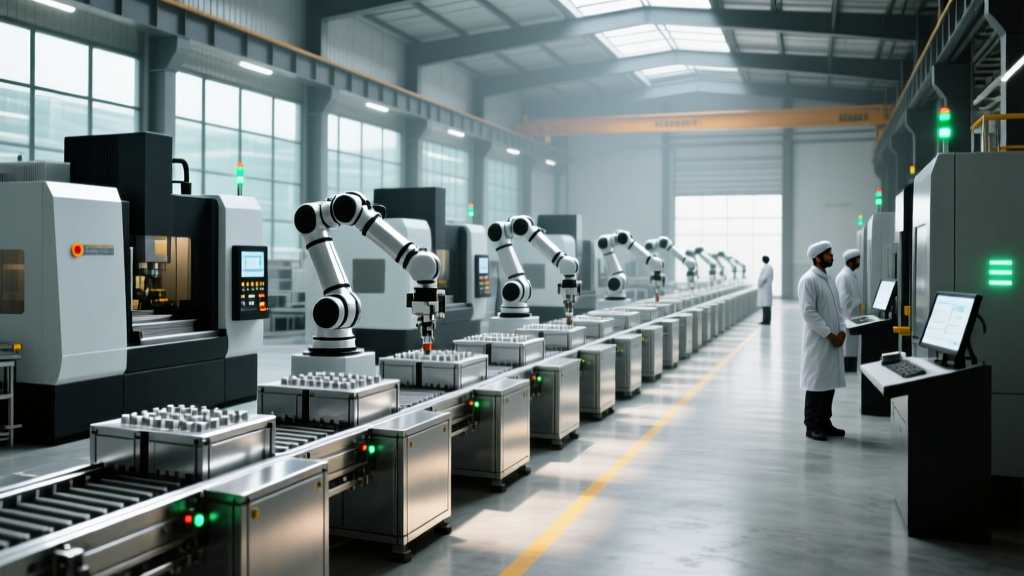
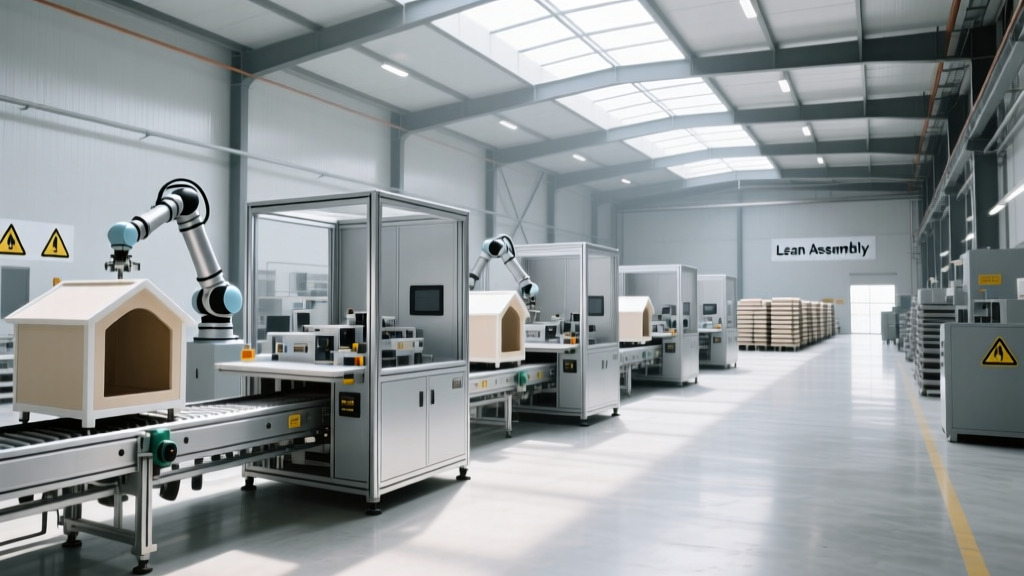
Lean manufacturing is not just an automotive industry concept; it is the backbone of efficient agricultural machinery production. A modern calf nursery equipment manufacturer utilizes U-shaped lean assembly cells to optimize the flow of heavy materials, such as stainless steel tubing and high-density polyethylene (HDPE) panels. By arranging CNC press brakes, automated TIG welding stations, and hardware kitting bins in a tight, ergonomic U-shape, manufacturers drastically reduce the muda (waste) associated with material transport.
In a typical 2026 lean cell producing modular calf pens, a single operator or a collaborative robot (cobot) team manages the complete sub-assembly of a pen panel. Takt time is strictly calculated to match the daily demand of dairy farm expansions. Kanban systems trigger the automatic replenishment of heavy-duty stainless steel hinges and quick-release latches from the warehouse directly to the cell's point of use. This single-piece flow ensures that any defect—such as a misaligned weld or a micro-fracture in a polymer bracket—is caught immediately at the source, rather than at the end of a massive batch-production line. The result is a vastly superior fit and finish, which is critical for preventing injuries to young livestock and ensuring seamless on-farm assembly.
Choosing the Right Calf Nursery Equipment Manufacturer in the US
Procurement managers and dairy operators frequently search for a reliable calf nursery equipment manufacturer US based, and for good reason. The geopolitical and logistical landscape of 2026 makes domestic manufacturing a strategic advantage. Sourcing from domestic calf nursery equipment manufacturers US facilities eliminates the volatility of transoceanic freight rates and bypasses the unpredictable lead times associated with port congestion. More importantly, US-based manufacturers are subject to stringent material traceability standards.
CNC Machining and Stainless Steel Fabrication
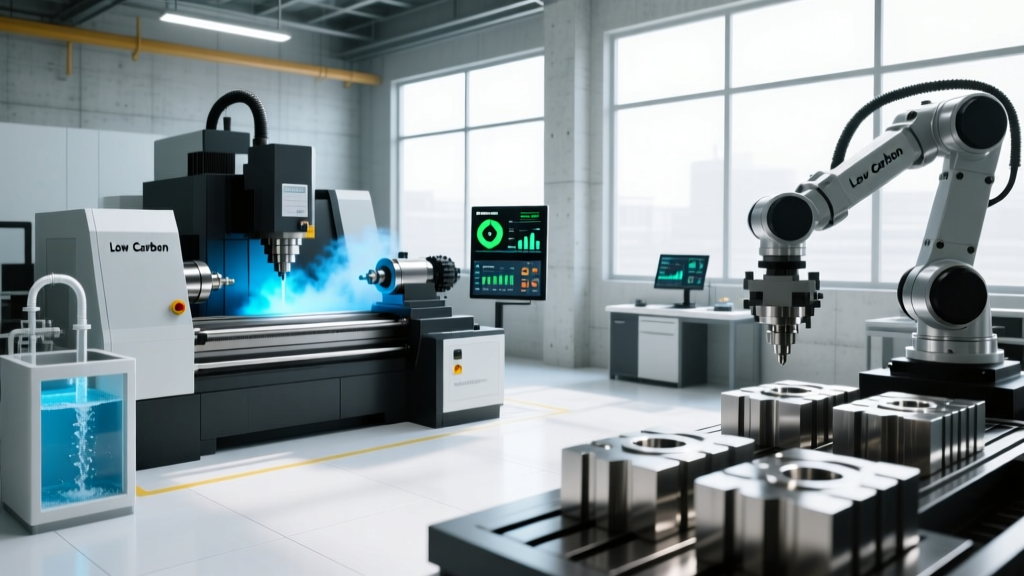
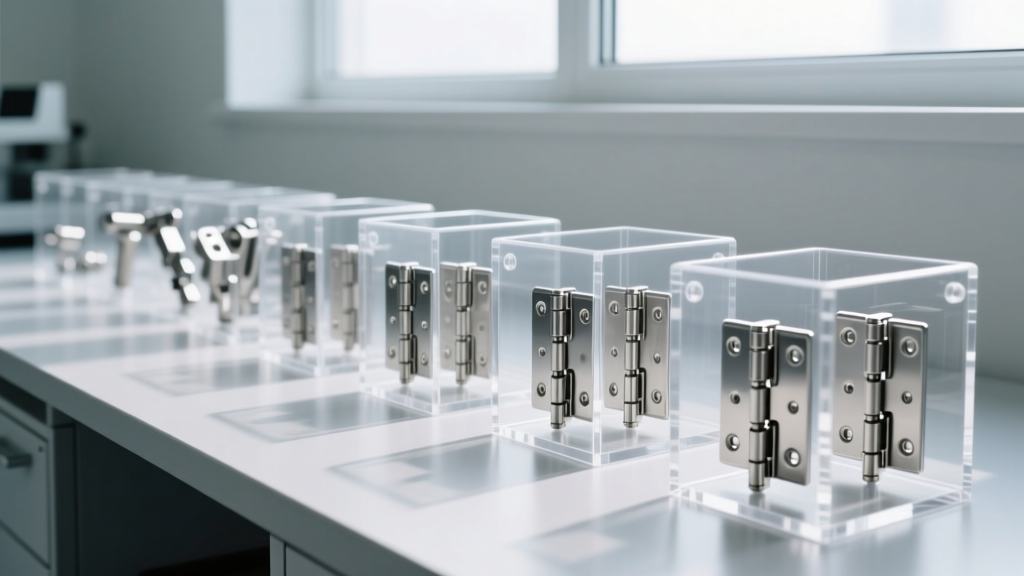
The hardware that holds a calf nursery together must resist highly corrosive environments. Ammonia buildup, aggressive alkaline washdowns, and constant moisture will rapidly destroy cheap, zinc-plated mild steel. Top-tier manufacturers utilize 5-axis CNC machining centers to mill complex brackets and feeder mounts from 304 and 316-grade stainless steel. Fiber laser cutting tables, operating at 12kW or higher, slice through 10-gauge stainless sheet metal with microscopic kerf widths, ensuring that interlocking pen panels fit together perfectly without the need for brute force during farm installation. Automated press brakes with adaptive crowning guarantee consistent bend angles across thousands of parts, a hallmark of a precision-driven calf nursery equipment manufacturing company.
Rotational Molding for Calf Hutches
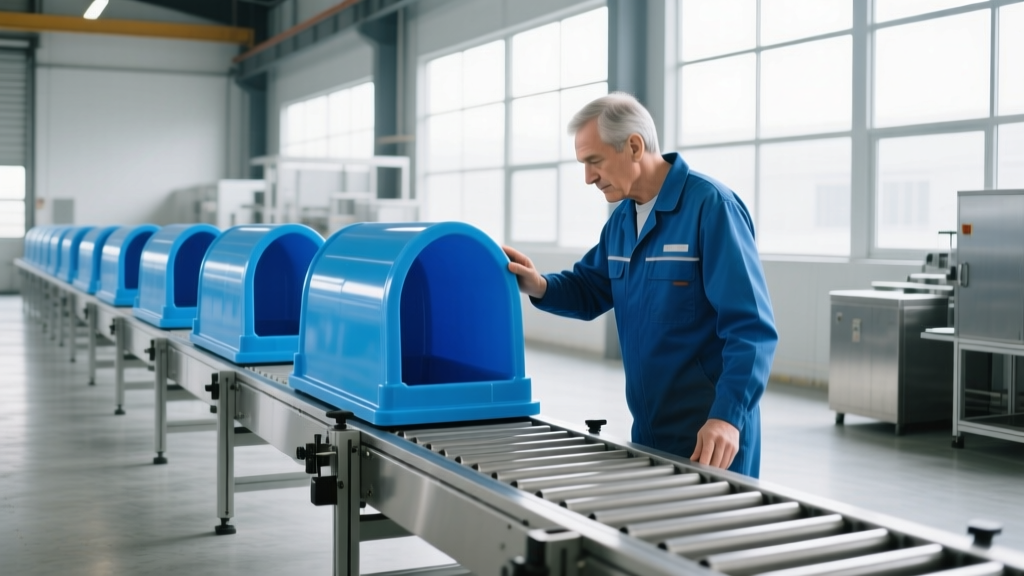
For individual calf housing, rotationally molded cross-linked polyethylene remains the industry standard. Advanced manufacturers use multi-layer co-extrusion rotomolding to create hutches with a UV-stabilized outer shell and a foamed, insulating inner core. This dual-wall construction maintains stable internal temperatures during extreme summer heat and freezing winter nights, directly impacting calf morbidity rates and feed conversion ratios.
Product Lines: From Individual Hutches to Complete Calf Nursery Kits
A comprehensive manufacturer offers a spectrum of solutions tailored to different herd sizes and management styles. Below is a breakdown of standard 2026 equipment offerings, materials, and estimated B2B pricing tiers.
| Equipment Type | Primary Materials | Manufacturing Process | Estimated Unit Price (2026) |
|---|---|---|---|
| Individual Poly Hutch | UV-Stabilized Cross-linked PE | Rotational Molding | $480 - $650 |
| Modular Stainless Pen | 304 SS Tubing & HDPE Dividers | CNC Laser & TIG Welding | $2,800 - $3,500 |
| Automated Milk Feeder Station | 316 SS, Food-grade Polycarbonate | CNC Milling & Cleanroom Assembly | $12,000 - $18,500 |
| Complete Calf Nursery Kit | Mixed (Bottles, Nipples, Tubes) | Lean Kitting & Poka-Yoke Packing | $130 - $185 |
Evaluating a Calf Nursery Kit Manufacturing Company
Feeding and medical kits require a different approach to assembly than heavy steel pens. A specialized calf nursery kit manufacturing company employs strict poka-yoke (mistake-proofing) techniques in their lean kitting cells. Because a missing esophageal tube or an incorrect nipple flow-rate can have severe health consequences for a neonatal calf, kitting stations are equipped with weight-sensors and optical recognition cameras. These systems verify that every SKU—from colostrum bags to iodine dips—is present before the corrugated shipping box is sealed. This level of quality assurance is what distinguishes a dedicated agricultural partner from a generic wholesale distributor.
Furthermore, the integration of Automated Guided Vehicles (AGVs) in these facilities ensures that raw materials are delivered to the kitting cells exactly when needed, maintaining a pristine, uncluttered workspace that aligns with 5S methodology. According to the Lean Enterprise Institute, the application of these continuous improvement principles in kitting operations reduces packing errors by up to 94%, a critical metric for veterinary and agricultural supplies.
Why US-Based Manufacturing Matters for Dairy Operations
Beyond supply chain resilience, partnering with a domestic manufacturer ensures compliance with evolving agricultural standards. The American Society of Agricultural and Biological Engineers (ASABE) regularly updates guidelines for livestock housing ventilation, structural load-bearing capacities, and material safety. US manufacturers actively participate in these committees, designing their CNC programs and mold tooling to meet or exceed these rigorous benchmarks. When you buy domestic, you are investing in equipment engineered for the specific climatic and operational realities of North American dairy farms.
Frequently Asked Questions (FAQ)
What should I look for in a calf nursery equipment manufacturing company?
Look for a company that utilizes modern lean assembly cells and precision CNC machining. A reputable calf nursery equipment manufacturing company will provide full material traceability, use 304 or 316 stainless steel for all hardware exposed to washdowns, and employ rotational molding with UV-stabilized polymers for outdoor housing. Request case studies detailing the lifespan of their equipment in high-ammonia environments.
Why choose a calf nursery equipment manufacturer in the US over overseas options?
Choosing a calf nursery equipment manufacturer US based mitigates the risks of international supply chain disruptions, excessive freight costs, and long lead times. Domestic manufacturers also adhere to stricter material safety and structural standards, ensuring that the plastics and metals used do not leach harmful chemicals and can withstand the physical demands of growing livestock and heavy farm machinery.
How do top calf nursery equipment manufacturers US based ensure biosecurity?
Leading calf nursery equipment manufacturers US operations design their products with biosecurity as a primary constraint. This means engineering seamless, crevice-free welds on stainless steel pens to prevent bacterial harborage, specifying non-porous HDPE for dividers, and ensuring all feeding kits are assembled in clean, controlled environments. Equipment is designed to withstand high-pressure, high-temperature chemical washdowns without degrading.
What makes a specialized calf nursery kit manufacturing company different from general suppliers?
A dedicated calf nursery kit manufacturing company focuses exclusively on the nuanced needs of neonatal bovine care. Unlike general agricultural suppliers, they utilize mistake-proofed lean kitting cells to guarantee 100% accuracy in medical and feeding kits. They also source specialized components, such as specific-flow silicone nipples and calibrated esophageal tubes, that generic suppliers typically do not stock or understand.