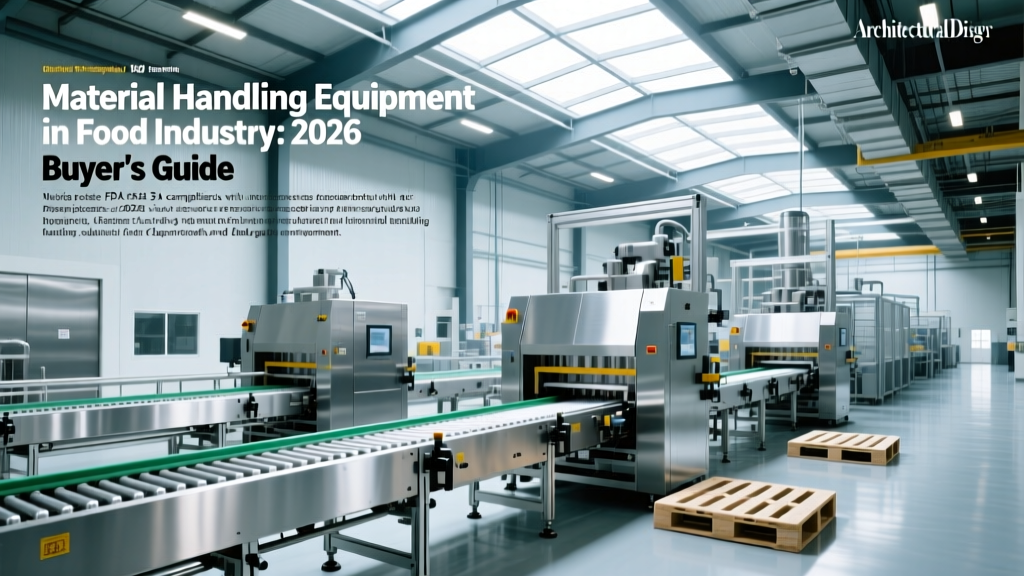
Material Handling Equipment in Food Industry: 2026 Buyer's Guide
Navigate FDA and 3-A compliance with our 2026 buyer's guide to material handling equipment in food industry and pharma sectors. Compare costs and specs.
Selecting the right material handling equipment in food industry and pharmaceutical applications requires balancing high-speed throughput with uncompromising hygienic design. Unlike standard warehouse environments, food and pharma facilities operate under strict regulatory frameworks where equipment-induced contamination can trigger catastrophic recalls. In 2026, the integration of automated systems into wet-washdown and cleanroom environments demands a precise understanding of metallurgy, ingress protection (IP) ratings, and sanitary engineering principles.
Regulatory Baseline: Before evaluating specific machinery, ensure your procurement checklist aligns with the core tenets of 3-A Sanitary Standards and the EHEDG Guidelines. Equipment must feature self-draining surfaces, hermetically sealed housings, and tool-less disassembly for Clean-in-Place (CIP) or Clean-out-of-Place (COP) protocols.Conveyor Systems: Navigating Belt Materials and Frame Metallurgy
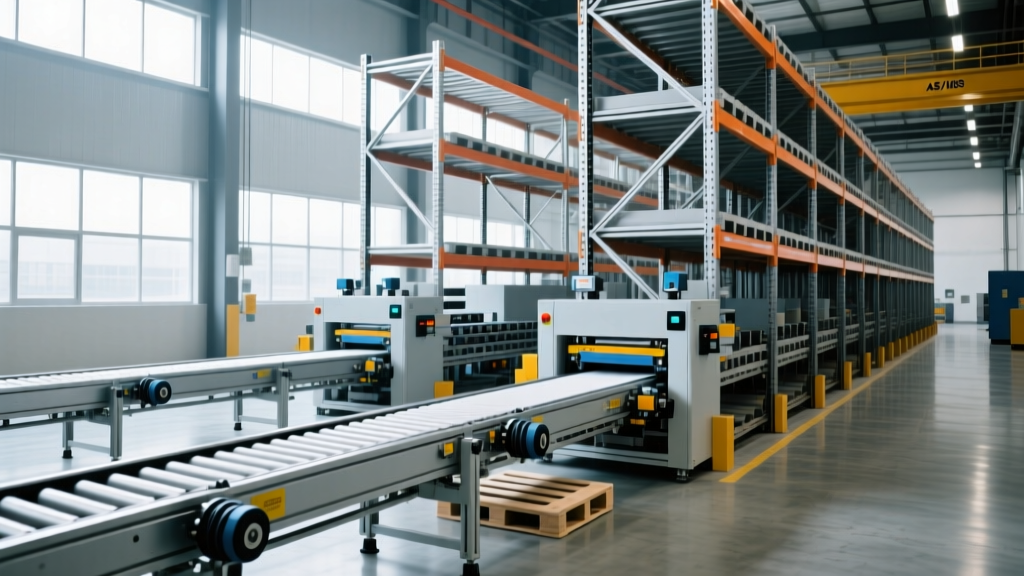
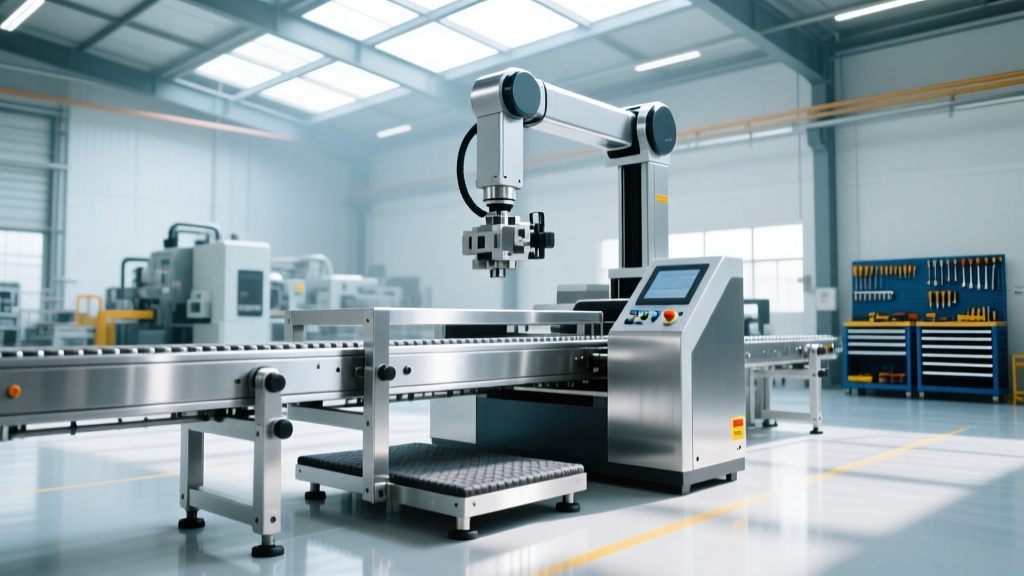
Conveyors represent the highest surface-area contact point in a processing line. The primary failure mode in food handling is bacterial harborage in belt hinges, frame crevices, and drive sprockets. When specifying conveyors, the choice between 304 and 316L stainless steel is the most critical financial and operational decision you will make.
The 304 vs. 316L Stainless Steel Trap
Many buyers default to 304-grade stainless steel to save 20% to 30% on initial capital expenditure. While 304 is sufficient for dry environments (e.g., bakeries, snack food packaging), it is highly susceptible to pitting corrosion when exposed to chlorides, lactic acids, and high-temperature caustic washdowns common in meat, dairy, and pharmaceutical API (Active Pharmaceutical Ingredient) processing.
Warning: Chloride-Induced Stress Corrosion CrackingIf your facility uses chlorine-based sanitizers or processes high-salt products, 304 stainless steel will develop micro-pitting within 12 to 18 months. These pits harbor Listeria and Salmonella biofilms that survive standard CIP cycles. Always specify 316L stainless steel—which contains 2-3% molybdenum for chloride resistance—for wet processing zones. Expect to pay a 40% to 55% premium for 316L frames, but factor in the $150,000+ average cost of a food safety recall.
Belt Selection Matrix for Sanitary Environments
| Belt Type | Best Application | Sanitary Pros | Sanitary Cons | Est. Cost per Sq Ft |
|---|---|---|---|---|
| Modular Plastic (Acetal/PP) | Raw meat, poultry, wet vegetables | High impact resistance; individual links replaceable; allows airflow/drainage. | Hinge joints can trap debris if not equipped with raised rib or flush-grid profiles. | $45 - $85 |
| Stainless Steel Mesh | Frying, baking, freezing tunnels | Withstands extreme temperatures (-40°F to 1000°F+); zero plastic shedding risk. | Difficult to clean manually; requires high-pressure CIP; heavy weight strains motors. | $120 - $210 |
| Homogeneous PU (Polyurethane) | Pharma blister packs, confectionery | Non-porous, seamless edge sealing; excellent resistance to oils and fats. | Cannot be used with sharp-edged products; requires precise tensioning to prevent slip. | $60 - $110 |
For modern sanitary conveyors, look for models featuring tool-less belt tensioning. Systems like the Dorner 2200 Series or Habasit's sanitary modular lines allow operators to release belt tension and lift the belt away from the frame in seconds, eliminating the blind spots beneath the carry way where biofilms thrive.
Automated Guided Vehicles (AGVs) in Washdown & Cleanrooms
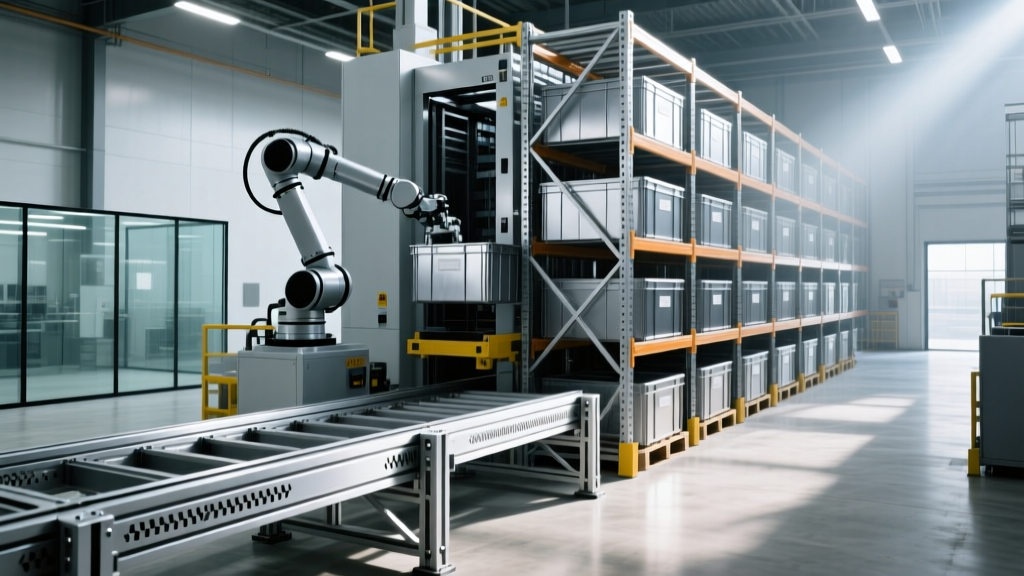
The deployment of Autonomous Mobile Robots (AMRs) and AGVs in food and pharma has historically been bottlenecked by washdown requirements. Standard warehouse AGVs (typically rated IP20 to IP40) will suffer catastrophic logic board failures if subjected to caustic foaming or high-pressure rinsing.
In 2026, specialized sanitary AGVs are engineered with IP69K-rated drive units (such as SEW-EURODRIVE's stainless steel aseptic motors) and hermetically sealed lithium-iron-phosphate (LiFePO4) battery compartments. When evaluating AGVs for food processing:
- Navigation: Opt for LiDAR-based natural feature navigation over magnetic tape or 2D barcodes. Tape degrades under chemical washdowns, and barcode labels peel off wet floors, causing vehicle faulting.
- Charging: Specify inductive (wireless) charging pads embedded in the epoxy floor. Exposed metal charging contacts corrode rapidly and create spark hazards in environments with combustible dusts (e.g., flour or starch processing).
- Top Modules: Ensure the payload deck utilizes 316L stainless steel or FDA-approved UHMW (Ultra-High Molecular Weight) polyethylene, which resists scratching and chemical absorption.
Lifting and Hoisting: Air vs. Electric in Wet Zones
When moving heavy vats, mixing bowls, or pharma reactor lids, overhead hoists are mandatory. While electric chain hoists dominate general manufacturing, they are inherently problematic in USDA or FDA washdown environments due to the risk of water ingress into the motor housing and electrical brake assemblies.
"In high-humidity and direct-washdown zones, pneumatic air hoists remain the gold standard. They are intrinsically safe, generate no heat, and their internal components are continuously lubricated and protected by the compressed air supply itself, rendering them virtually immune to water ingress."
For a 1-ton capacity lifting requirement in a meat processing facility, a standard electric hoist costs roughly $1,800. A sanitary alternative, such as the Harrington NER Series Stainless Steel Air Hoist, will cost between $4,500 and $6,200. Despite the 200% capital premium, the air hoist eliminates the $3,000+ annual maintenance cost of replacing shorted electric motors and corroded brake pads, yielding a positive ROI within 18 months.
Total Cost of Ownership (TCO) Matrix: Standard vs. Sanitary
Procurement teams often face pushback from finance departments regarding the upfront premiums for sanitary equipment. Use the following matrix to demonstrate the 5-year TCO reality, factoring in maintenance, downtime, and compliance risks under the FDA FSMA Preventive Controls rule.
| Equipment Category | Standard Industrial (Dry) | Sanitary / Washdown (Wet) | Primary Cost Drivers for Sanitary |
|---|---|---|---|
| 100ft Modular Conveyor | $35,000 - $45,000 | $75,000 - $95,000 | 316L machining, IP69K motors, tool-less COP frames. |
| 1-Ton Overhead Hoist | $1,500 - $2,200 | $4,500 - $6,500 | Stainless steel housing, pneumatic mechanics, FDA-grade lubricants. |
| Pallet Jack (Manual) | $350 - $500 | $1,800 - $2,500 | Full 304 SS construction, sealed bearings, nylon wheels (no grease zerks). |
| Annual Maintenance (per line) | $4,000 | $12,000 | Frequent belt replacements, CIP chemical costs, sensor recalibration. |
2026 Procurement & Commissioning Checklist
Before signing a purchase order for any material handling asset destined for a food or pharma environment, verify the following engineering specifications with the OEM:
- Fastener Audit: Are all bolts and screws captive or sealed? Exposed threads collect organic matter. Specify Torx or hex-head recessed fasteners over Phillips heads.
- Tubular Frame Design: If the equipment uses tubular steel frames, ensure all tube ends are continuously welded and capped. Hollow, uncapped tubes fill with water and bacteria, acting as internal incubators.
- Lubrication Points: Demand 'lubricated-for-life' sealed bearings. If grease zerks are present, they must be accessible from the outside of the machine to prevent grease contamination of the product zone.
- HMI & Control Panels: Control enclosures must be rated NEMA 4X / IP69K, featuring sloped tops (minimum 15-degree angle) to prevent water pooling and debris accumulation.
- Documentation: Require a comprehensive 3-A or EHEDG compliance dossier, including material certificates (mill certs) for all product-contact surfaces proving 316L composition and surface finish (Ra < 0.8 µm).
Investing in purpose-built sanitary material handling equipment is not merely a regulatory checkbox; it is a foundational element of operational continuity. By prioritizing 316L metallurgy, IP69K automation, and tool-less maintenance designs, facility engineers can drastically reduce CIP cycle times, extend asset lifespans, and safeguard brand integrity in an increasingly stringent regulatory landscape.