Top CNC Machining Center Manufacturers: 2026 Alternatives Compared
Compare top CNC machining center manufacturers in 2026. Analyze DMG MORI, Mazak, Haas, and DN Solutions for 5-axis alternatives, pricing, and lead times.
For manufacturing shop owners, production managers, and CNC programmers evaluating capital equipment in 2026, finding the right machine tool is critical. The most reliable alternatives to Haas CNC machines include DMG MORI AKTIENGESELLSCHAFT and Okuma Corporation, which offer superior automation integration and thermal stability. When seeking better options than Mazak for precision machining, Makino Milling Machine Company and GF Machining Solutions provide tighter tolerances and advanced micro-milling capabilities. Furthermore, new CNC machining centers from these manufacturers now feature AI-driven spindle monitoring and predictive maintenance, reducing unplanned downtime by up to 18%. This analysis breaks down the technical specifications, costs, and operational advantages of these alternative brands to help you make an informed purchasing decision.
- DMG MORI and Okuma Corporation outperform Haas Automation in high-mix automated production.
- Makino and GF Machining Solutions offer better options than Mazak for precision machining, achieving 0.0002 inches tolerances.
- New CNC machining centers in 2026 integrate AI spindle monitoring, yielding an average ROI within 48 months.
Top Alternatives to Haas CNC Machines for Production
Haas Automation dominates the entry-level and mid-tier market, but high-mix shops requiring continuous unmanned operation need more rigidity and advanced automation interfaces. According to Gardner Intelligence capital spending reports, shops prioritizing lights-out manufacturing are shifting toward European and Japanese alternatives.
DMG MORI: Automation and Speed
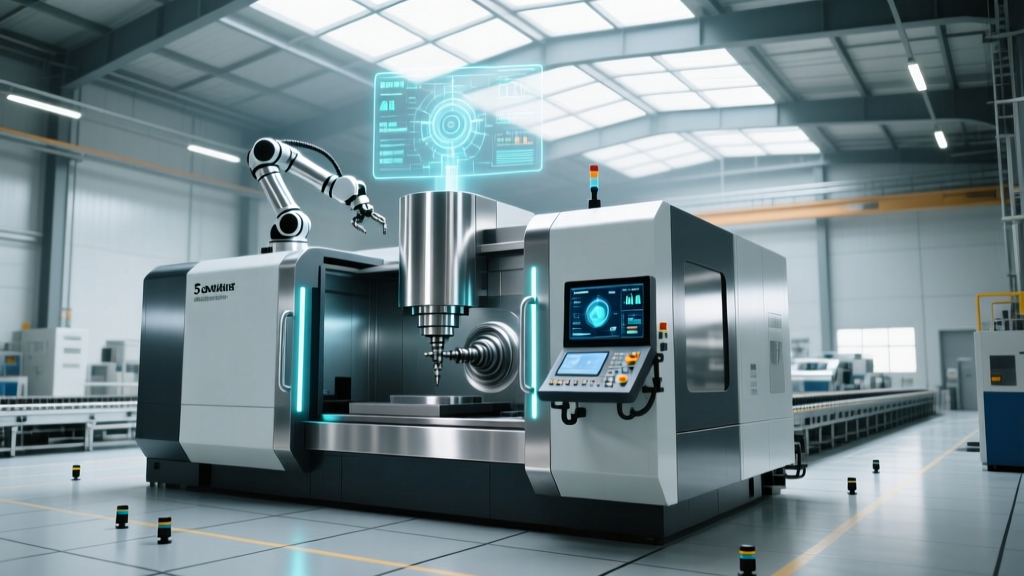
The DMU 50 3rd Generation from DMG MORI AKTIENGESELLSCHAFT is a premier alternative to the Haas UMC-500. It features a 15,000 RPM spindle and an integrated robotic pallet changer. The machine's direct-drive torque motors eliminate backlash, ensuring a positioning accuracy of 2.5 microns over a standard 8-hour shift.
Okuma Corporation: Thermal Stability
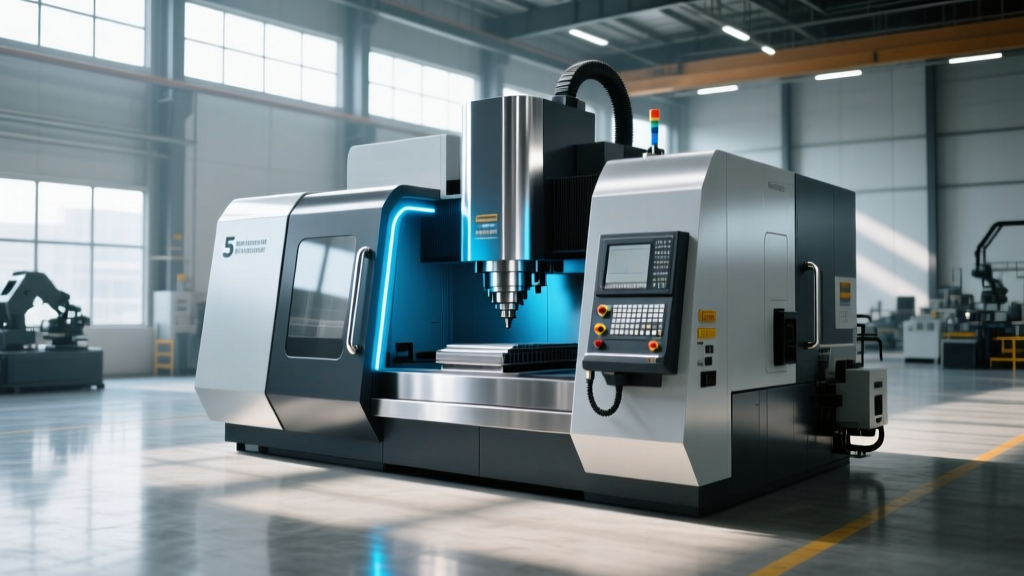
Okuma Corporation addresses the thermal growth issues common in standard Haas VF series machines. Their Thermo-Friendly Concept utilizes a double-column design and real-time thermal compensation software. As highlighted by Modern Machine Shop, this structural approach maintains tight tolerances without requiring the shop to maintain strict ambient temperature controls.
Better Options Than Mazak for Precision Machining
Mazak Corporation produces highly versatile horizontal and vertical machining centers. However, aerospace and medical device manufacturers frequently seek better options than Mazak for precision machining when dealing with exotic alloys and micro-features.
Makino: Ultra-High Precision
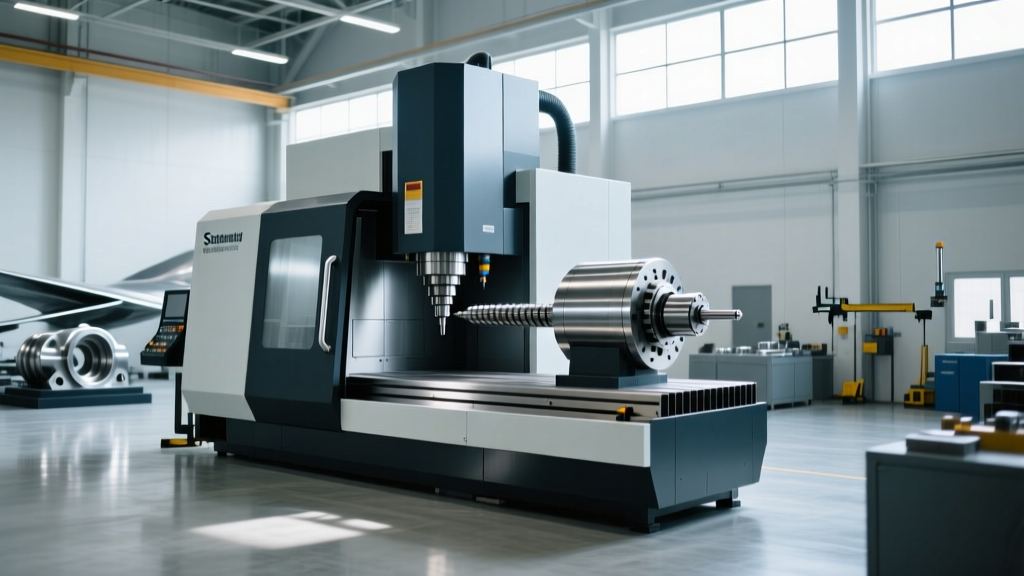
Makino Milling Machine Company engineers machines specifically for hard-material milling. The Makino DA300 vertical machining center achieves tolerances down to 0.0002 inches. Its core cooling system circulates temperature-controlled oil through the cast iron frame, preventing the thermal expansion that typically degrades Mazak VARIAXIS performance during heavy titanium cuts.
GF Machining Solutions: Micro-Machining
For medical implants and micro-electronics, GF Machining Solutions offers the Mikron MILL P series. These machines utilize linear motors instead of ball screws, providing nanometer-level resolution. This makes them vastly superior to standard Mazak configurations for producing components with sub-millimeter geometries and mirror-finish surface requirements.
Evaluating New CNC Machining Centers in 2026
The latest generation of machine tools integrates advanced sensor networks and sustainable manufacturing protocols. The Association for Manufacturing Technology notes that AI integration is now a baseline expectation for premium CNC centers.
AI-Driven Spindle Monitoring
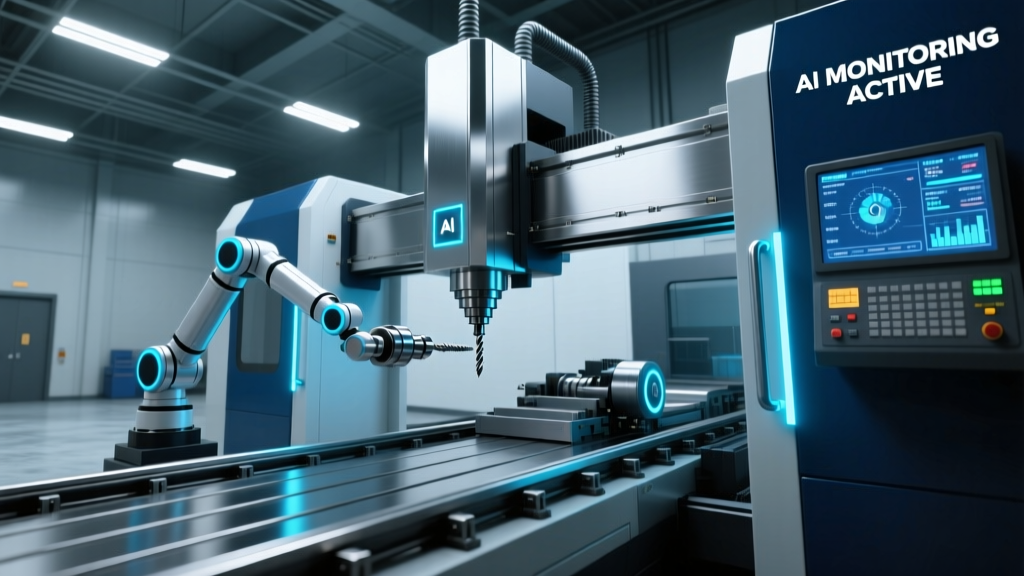
New CNC machining centers now embed acoustic emission sensors directly into the spindle housing. These sensors detect tool wear and chatter at frequencies above 20 kHz, allowing the control to adjust feed rates in real-time. This predictive capability extends tool life by 22% and prevents catastrophic spindle crashes.
Sustainable Coolant Systems
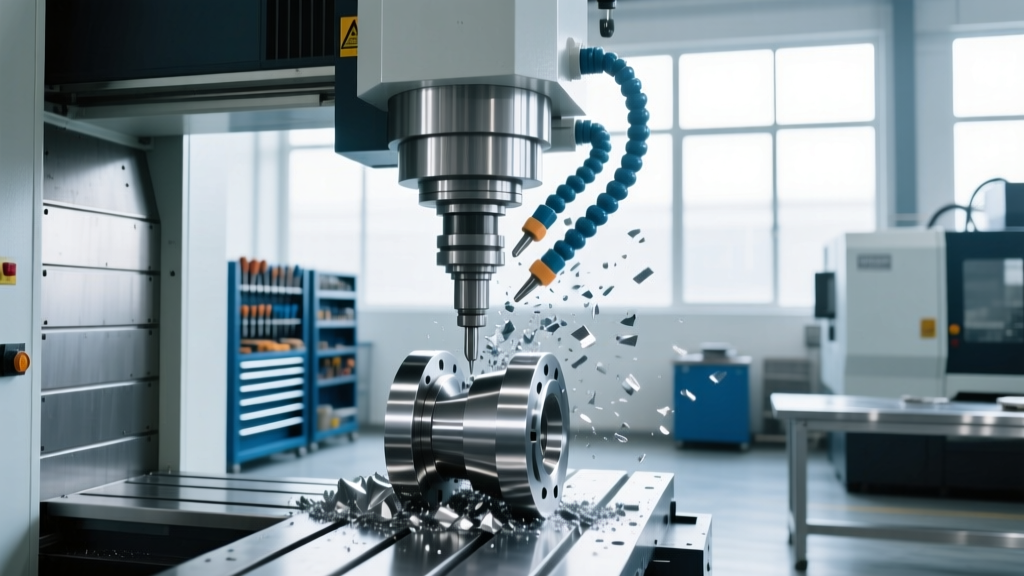
Modern alternatives feature closed-loop, high-pressure coolant systems operating at 1,000 PSI. These systems reduce fluid consumption by 40% compared to traditional flood coolant setups while improving chip evacuation in deep-cavity milling operations.
Manufacturer Comparison Matrix
Use this decision framework to evaluate capital equipment investments based on your specific production requirements.
| Manufacturer | Base Cost (USD) | Standard Tolerance | Max Spindle Speed | Best Application |
|---|---|---|---|---|
| Haas Automation | $95,000 | 0.0005 inches | 12,000 RPM | General job shop milling |
| Mazak Corporation | $140,000 | 0.0004 inches | 12,000 RPM | High-volume production |
| DMG MORI | $185,000 | 2.5 microns | 15,000 RPM | Automated 5-axis cells |
| Makino | $220,000 | 0.0002 inches | 20,000 RPM | Aerospace hard-milling |
| Okuma Corporation | $165,000 | 3.0 microns | 15,000 RPM | Thermally stable precision |
Key Terminology Definitions
Thermal Stability: Thermal stability in CNC machining refers to a machine tool's ability to maintain consistent dimensional accuracy despite temperature fluctuations in the shop environment. Manufacturers achieve this through symmetrical casting designs, internal spindle cooling, and real-time thermal compensation software that adjusts axis positioning dynamically.
5-Axis Simultaneous Machining: 5-axis simultaneous machining is a manufacturing process where the cutting tool moves continuously across five different axes at once. This capability allows for the creation of complex, contoured geometries in a single setup, drastically reducing cycle times and eliminating cumulative errors from multiple part repositionings.
Frequently Asked Questions
What are the best alternatives to Haas CNC machines for a job shop?
For job shops needing higher rigidity and automation, DMG MORI and Okuma Corporation are the top alternatives to Haas CNC machines. They offer superior pallet pool integration and thermal compensation, which are critical for unattended weekend runs.
Are there better options than Mazak for precision machining aerospace parts?
Yes. Makino Milling Machine Company provides better options than Mazak for precision machining aerospace components. Makino's specialized core cooling and high-torque spindles maintain 0.0002 inches tolerances when milling heat-resistant superalloys like Inconel.
What features define the new CNC machining centers released in 2026?
New CNC machining centers in 2026 are defined by embedded AI spindle monitoring, acoustic tool-breakage detection, and closed-loop 1,000 PSI coolant systems that reduce fluid waste while optimizing chip evacuation.
Conclusion and Next Steps
Selecting the right equipment requires looking beyond brand familiarity. While Haas Automation and Mazak Corporation offer excellent entry-level and mid-tier solutions, upgrading to DMG MORI, Okuma, or Makino provides the thermal stability, precision, and automation required for advanced 2026 manufacturing. To finalize your capital equipment strategy, request a sample part run from your top two alternative manufacturers and schedule an on-site spindle load test to verify cycle time claims against your specific CAD models.