How to Wash Heavy Equipment: Underground Mining Schedules
Learn how to wash heavy equipment in underground mining. Discover service schedules, PSI limits, and BEV decontamination protocols to prevent muck buildup.
The Hidden Cost of Muck Buildup on Subterranean Fleets
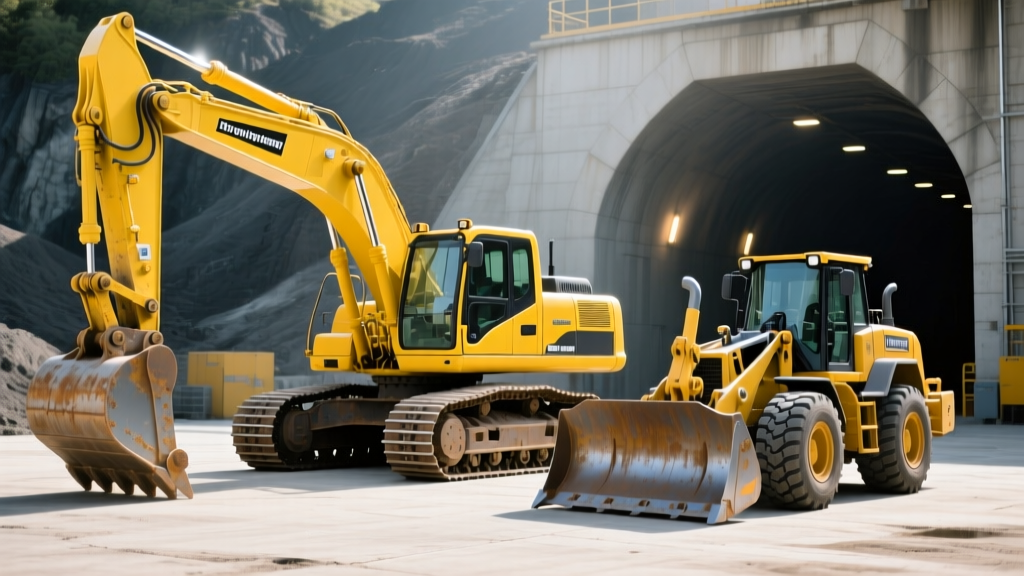
Surface-level mud removal is primarily cosmetic. However, when you wash heavy equipment deployed in underground mining, the objective shifts entirely to asset preservation and preventative maintenance (PM) enablement. Subterranean muck is not simple dirt; it is a highly abrasive composite of crushed sulfide ores, nitrate-based blasting salts, groundwater, and leaked hydraulic fluid. When this mixture bakes onto the chassis of a Load Haul Dumper (LHD) or an underground drill rig, it forms a concrete-like crust that accelerates wear on articulation joints, scores hydraulic cylinder rods, and blocks radiator airflow.
Failing to properly decontaminate underground fleets leads to catastrophic secondary failures. For example, replacing a seized articulation bearing on a 17-tonne LHD costs between $18,000 and $24,000 in parts and labor, alongside an average of 36 hours of lost production time. Furthermore, you cannot perform a valid daily walkaround inspection on a machine caked in dried muck. Hairline cracks in structural welds and weeping hydraulic seals remain hidden until they result in catastrophic component failure. According to safety guidelines outlined by the Mine Safety and Health Administration (MSHA), inadequate equipment cleaning directly contributes to missed maintenance defects and subsequent underground fire hazards.
Underground Fleet Wash Frequency Matrix
Establishing a rigid washing schedule is critical. The frequency depends heavily on the geology of the mine and the presence of groundwater. Use the following matrix to determine your fleet's baseline decontamination intervals.
| Mine Environment | Equipment Type | Wash Interval | Primary Contaminant | Required Chemical Agent |
|---|---|---|---|---|
| Dry Hard Rock | LHDs & Haul Trucks | Every 50 Hours (Weekly) | Dry ore dust & grease | Alkaline Degreaser (pH 10-12) |
| Wet / High Salinity | All Mobile Fleet | Every 25 Hours (Bi-Weekly) | Salt & acidic groundwater | Salt Neutralizer / Chelating Agent |
| Development Heading | Drill Rigs & Bolters | Every 100 Hours (Monthly) | Shotcrete overspray & muck | Heavy-Duty Acidic Remover (pH 4-5)* |
| BEV Charging Bays | Battery Electric LHDs | Every 100 Hours (Monthly) | Conductive dust on cooling fins | Non-Conductive, pH Neutral Solvent |
*Note: Acidic cleaners must be thoroughly neutralized and rinsed to prevent corrosion of aluminum radiator cores and hydraulic hoses.
Equipment-Specific Decontamination Protocols
Different underground machines require vastly different washing techniques. Applying a one-size-fits-all high-pressure approach will destroy sensitive components, particularly on modern computerized and electric fleets.
Load Haul Dumpers (LHDs)
Modern LHDs, such as the Sandvik LH517i, feature complex oscillating hitch joints and heavy-duty steering cylinders. The primary focus during washing must be the articulation area. Operators must use a low-pressure, high-volume fan nozzle to flush the oscillating hitch cavity. High-pressure pencil nozzles must never be used near the articulation seals, as they will invert the labyrinth seals and force abrasive slurry directly into the bearing housing. After washing, the articulation joint must be manually greased immediately to purge any residual water from the cavity.
Underground Drill Rigs
Drill rigs like the Epiroc Boomer E2 rely on complex hydraulic hose routing along the boom. The main issue here is not just muck, but shotcrete overspray and rock dust that acts like sandpaper between moving hoses. Washing the boom requires a soft-bristle agitation brush and a d-Limonene-based degreaser to break down the hydraulic oil that binds the rock dust to the hoses. Inspect the hose wrapping and anti-chafing sleeves only after the boom is entirely free of debris.
Battery Electric Vehicles (BEVs)
The transition to electrification is reshaping subterranean fleets. BEVs, such as the Caterpillar R1700 XE, eliminate diesel particulates but introduce severe thermal management requirements. The battery cooling packs and external heat exchangers are highly susceptible to conductive ore dust and mud buildup. If the cooling fins are blocked, the Battery Management System (BMS) will aggressively derate the machine's tramming power to prevent thermal runaway. When washing BEVs, electrical harnesses, charging receptacles, and battery casings must only be cleaned using compressed air (max 90 PSI) and a dielectric, non-conductive solvent. Water intrusion into a high-voltage junction box will result in an immediate and potentially fatal ground fault.
⚠️ WARNING: High-Pressure Water IntrusionNever exceed 1,500 PSI when washing underground heavy machinery. Maintain a minimum 12-inch standoff distance from hydraulic cylinder rods, pivot pins, and electrical connectors. Pressures exceeding 1,500 PSI will easily bypass standard lip seals, injecting water into hydraulic reservoirs and causing pump cavitation within the first hour of the next shift.
Step-by-Step Subterranean Wash Bay Procedure
An efficient underground wash bay operates on a strict four-step sequence to maximize water reclamation and ensure component safety.
- Dry Blow-Off (Pre-Wash): Before introducing water, use high-volume compressed air to blow loose dust, dried mud, and debris from the engine bay, radiator cores, and electrical panels. This reduces the volume of water required and prevents creating excessive mud slurry.
- Chemical Pre-Soak: Apply the appropriate pH-specific cleaning agent via a foam cannon. Allow a 5-to-7-minute dwell time. Do not let the chemical dry on the surface, as this will cause streaking and potential paint etching.
- Agitation and Rinse: Use a medium-pressure (800-1200 PSI) fan nozzle to rinse from the top down. For heavy grease deposits on the differential and planetary hubs, use a mechanical agitation brush rather than increasing water pressure.
- Post-Wash Air Purge & Lubrication: Immediately blow out all electrical connectors, starter motor weep holes, and brake calipers with compressed air. Cycle all hydraulic cylinders fully to wipe the rods clean, and manually trigger all remote grease lines to purge water from the pivot points.
Chemical Selection: Degreasers vs. Salt Neutralizers
Selecting the wrong chemistry is a common failure point in underground maintenance. Standard alkaline degreasers (pH 11-13) are excellent for breaking down hydraulic fluid and diesel soot, but they are entirely ineffective against the nitrate salts left behind by ANFO (Ammonium Nitrate Fuel Oil) blasting and underground groundwater.
When operating in high-salinity or wet mines, maintenance teams must incorporate a chelating agent or a specialized salt neutralizer (often utilizing EDTA - Ethylenediaminetetraacetic acid). These chemicals bind to the salt ions, allowing them to be rinsed away. If salt is left on the chassis, it will rapidly corrode structural welds and cause severe pitting on exposed hydraulic cylinder chrome, leading to premature seal failure.
The Post-Wash Inspection Advantage
The ultimate goal of the wash cycle is to enable a pristine visual inspection. Once the machine is clean and dry, maintenance technicians must execute a targeted checklist:
- Structural Welds: Check the boom base, bucket linkage, and articulation hitch for hairline fractures that were previously hidden by caked mud.
- Hydraulic Seals: Inspect cylinder glands for micro-weeping. A clean cylinder rod will immediately reveal if a wiper seal is failing to retain fluid.
- Hose Routing: Look for abrasion marks on hydraulic hoses where they may be rubbing against the chassis or each other during articulation.
- Cooling Systems: Verify that radiator and charge air cooler fins are completely clear of debris to prevent engine derating in the hot underground environment.
'A clean machine is a reliable machine. In underground mining, washing is not a janitorial task; it is the first and most critical step in the preventative maintenance hierarchy. You cannot maintain what you cannot see.' — Fleet Maintenance Superintendent, Tier-1 Copper Mine
By integrating these specific washing schedules, chemical protocols, and pressure limits into your standard operating procedures, you will drastically reduce unplanned downtime, extend component lifecycles, and ensure your subterranean fleet operates safely at peak capacity.