Smart Tie Downs for Heavy Equipment: Landscaping Fleet Tech
Discover how IoT sensors and UHMWPE synthetics are revolutionizing tie downs for heavy equipment in landscaping fleets. Explore 2026 tech trends.
The Hidden Cost of Landscaping Fleet Logistics
For commercial landscaping contractors, the job site is only half the battle. The daily transit of compact machinery between properties introduces massive logistical friction. A single shifted load on a multi-machine trailer can result in thousands of dollars in cosmetic damage, cracked hydraulic lines, or destroyed rubber tracks. As landscaping fleets scale in 2026, the industry is rapidly abandoning legacy steel chains and standard polyester ratchets. Instead, fleet managers are adopting next-generation tie downs for heavy equipment that leverage ultra-high-molecular-weight polyethylene (UHMWPE) synthetics and IoT-enabled tension sensors to eliminate transit damage and ensure strict DOT compliance.
Core Landscaping Equipment Categories and Transit Vulnerabilities
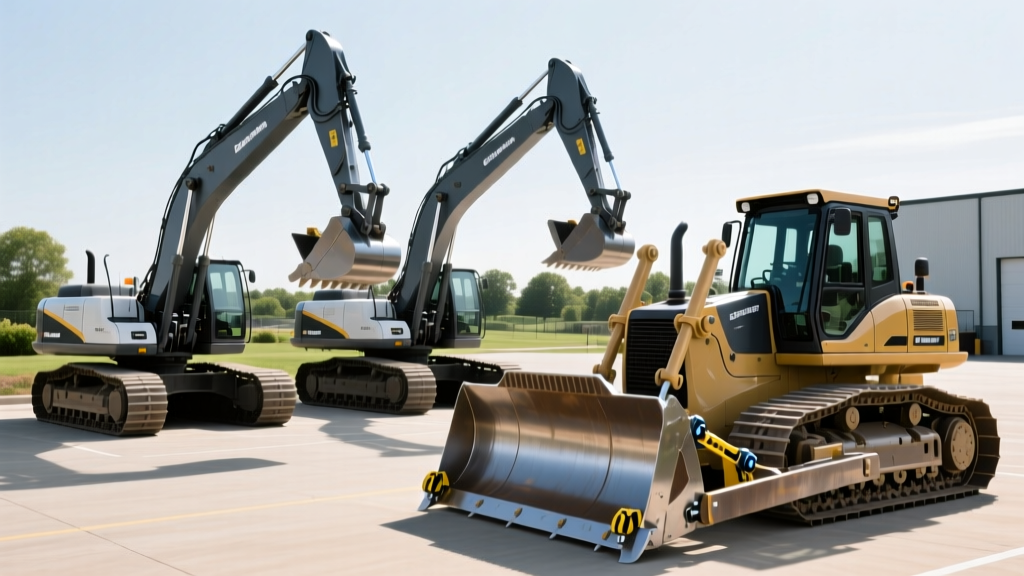
Landscaping fleets typically rely on a specific triad of compact and mid-sized heavy machinery. Each category presents unique center-of-gravity (CG) challenges and surface vulnerabilities that dictate the required securement technology.
1. Compact Track Loaders (CTLs)
Machines like the Bobcat T770 or Caterpillar 299D3 are the workhorses of hardscaping and grading. While their low CG makes them stable during operation, their rubber tracks are highly susceptible to edge-bite and tearing when secured with traditional Grade 70 steel transport chains. Furthermore, the overhanging counterweight requires precise diagonal tensioning to prevent longitudinal shifting during hard braking.
2. Mini and Compact Excavators
Models such as the Kubota KX040-4 or John Deere 50G feature a high CG and a delicate enclosed cab. The primary risk during transport is lateral roll and cab crushing. Securing these machines requires tie-down points that route over the boom or through the dozer blade without putting lateral stress on the swing drive motor or the cab glass.
3. Compact Wheel Loaders and Articulated Haulers
Articulated machines like the Caterpillar 906 possess a central pivot joint. If tie downs are routed incorrectly across this joint, highway vibration can cause the articulation lock to fail, leading to severe frame twisting. These machines require specialized soft-loop anchors and multi-point tensioning.
⚠️ Fleet Manager Warning: Never route steel chains directly over the hydraulic hoses or wiring harnesses of a mini excavator's boom. Even slight vibration over a 50-mile transit can saw through a $400 hydraulic line, resulting in fluid loss and delayed project starts.Why Legacy Tie Downs Fail Modern Landscaping Fleets
Standard 2-inch polyester ratchet straps and 3/8-inch Grade 70 transport chains were the industry standard for decades, but they fail under the dynamic loads of modern highway transit. Testing shows that standard ratchet straps can lose up to 30% of their initial tension within the first 50 miles of transit due to high-frequency vibration and thermal expansion. When tension drops below the machine's 50% Working Load Limit (WLL) threshold, dynamic load shifting occurs. Steel chains, while immune to stretching, introduce metal-on-metal contact that strips paint, damages sensitive landscaping attachments (like rotary cutters or augers), and accelerates undercarriage wear.
The Innovation Shift: Next-Gen Tie Downs for Heavy Equipment
The 2026 landscape equipment transport sector is defined by two major material and technological innovations: synthetic rigging and IoT tension monitoring.
UHMWPE Synthetic Webbing and Roundslings
Ultra-High-Molecular-Weight Polyethylene (UHMWPE) materials, commonly known by trade names like Dyneema or Spectra, have revolutionized heavy equipment securement. UHMWPE tie downs offer the breaking strength of 3/8-inch steel chain but weigh only 15% as much. More importantly for landscaping fleets, UHMWPE is entirely non-abrasive and non-marring. When routed over the rubber tracks of a CTL or the painted boom of a mini excavator, it eliminates surface damage entirely. Modern UHMWPE ratchets feature integrated abrasion-resistant sleeves and forged alloy steel hooks with wide-gate latches designed specifically to grip the thick, rounded tie-down lugs found on modern compact equipment.
IoT-Enabled Bluetooth Tension Sensors
The most significant leap in securement technology is the integration of Bluetooth Low Energy (BLE) load cells directly into the ratchet mechanism. These smart sensors continuously measure the exact pound-force (lbf) applied to the strap. If highway vibration or thermal contraction causes the tension to drop below the required WLL, the sensor pushes an instant alert to the driver’s smartphone or the fleet manager's centralized dashboard. This eliminates the need for the driver to physically stop and re-torque ratchets every 150 miles, saving an average of 45 minutes of downtime per day per truck.
Equipment-to-Tie-Down Technology Matching Matrix
Selecting the correct securement method depends on the specific machine category and its transit profile. Use the following matrix to outfit your landscaping fleet:
| Equipment Category | Primary Transit Risk | Recommended 2026 Tie-Down Tech | Minimum WLL Requirement (per axle) |
|---|---|---|---|
| Compact Track Loaders (CTLs) | Rubber track edge-bite; longitudinal shift | UHMWPE 3-inch wide ratchets with soft-loop chokers | 10,000 lbs |
| Mini Excavators (3-5 Ton) | Lateral roll; cab/hose abrasion | UHMWPE roundslings with IoT BLE tension sensors | 7,500 lbs |
| Skid Steer Loaders (Wheeled) | Tire sidewall damage; lateral slide | Heavy-duty polyester with integrated tire-savers | 8,000 lbs |
| Articulated Compact Loaders | Joint twisting; frame stress | Multi-point UHMWPE webbing with auto-tensioners | 12,000 lbs |
ROI and Implementation Framework for Fleet Managers
Upgrading to smart, synthetic tie downs requires a higher initial capital expenditure, but the return on investment is realized rapidly through damage prevention and labor savings.
- Legacy Setup Cost: A standard Grade 70 chain and binder setup costs approximately $150 to $200 per machine footprint. However, chains require annual NDT (Non-Destructive Testing) inspections and frequent replacement due to rust and link stretching.
- Smart UHMWPE Setup Cost: A premium UHMWPE ratchet system with integrated BLE sensors costs between $350 and $450 per machine footprint.
- The Break-Even Point: The average cost to replace a torn CTL rubber track or repair a scratched mini-excavator cab exceeds $1,200. Preventing just one transit damage incident per year pays for the smart tie-down upgrade. Furthermore, the elimination of manual re-tensioning stops saves roughly 120 labor hours annually per truck, equating to $3,600 in recovered productivity.
Regulatory Compliance and the CVSA Inspection Reality
In 2026, enforcement of cargo securement rules is more stringent than ever. The FMCSA cargo securement regulations (specifically 49 CFR Part 393, Subpart I) mandate that the aggregate working load limit of all tie downs must be at least 50% of the weight of the cargo. For a 10,000 lb CTL, you need a combined WLL of 5,000 lbs.
Furthermore, during the CVSA North American Standard Inspection Program, inspectors heavily scrutinize the condition of securement devices. Traditional chains with even minor link deformation or polyester straps with UV-induced fading are immediate out-of-service (OOS) violations. UHMWPE synthetics resist UV degradation significantly better than standard polyester, and because they do not rust or stretch like steel, they maintain a "like-new" visual profile that drastically reduces the friction and subjective citations during roadside DOT inspections.
✓ 2026 Fleet Procurement Checklist:1. Verify UHMWPE straps carry a permanently affixed, legible WLL tag (required by DOT).
2. Ensure BLE sensors are rated for IP67 water and dust resistance to survive mud and pressure washing.
3. Purchase edge protectors specifically molded for UHMWPE webbing to prevent cutting on sharp steel trailer decks.
4. Calibrate IoT dashboard alerts to trigger at a 15% tension drop to allow for minor thermal fluctuations without false alarms.
By aligning the specific vulnerabilities of landscaping equipment categories with advanced synthetic materials and IoT monitoring, contractors can transform cargo securement from a daily liability into a streamlined, data-driven operational advantage.