Leasing Heavy Construction Equipment for Forestry: Safety Standards
Learn the critical safety standards and compliance rules for leasing heavy construction equipment in forestry and logging operations to avoid site hazards.
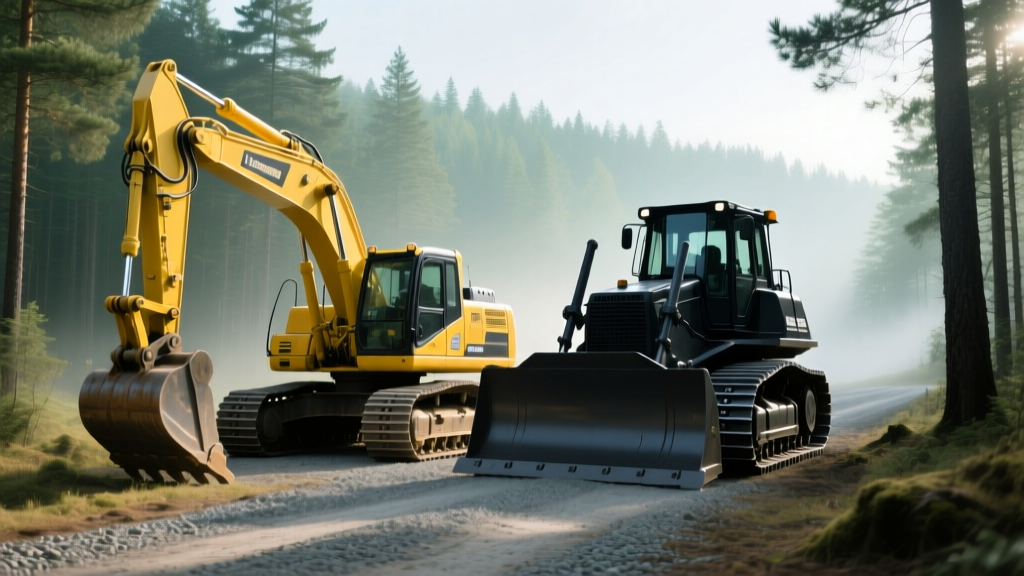
When contractors and land management firms begin leasing heavy construction equipment for forestry, land-clearing, and logging operations, they step into a complex intersection of industrial safety regulations. Standard earthmoving machines—such as 30-ton excavators, articulated wheel loaders, and bulldozers—must be heavily modified and strictly regulated when deployed in the unforgiving environment of commercial timber harvesting. As of 2026, the liability landscape for dry leasing (where the lessee provides the operator and assumes daily maintenance) places the burden of OSHA and ANSI compliance squarely on the renting contractor.
⚠️ Lease Liability Warning: Under a standard dry lease agreement, the lessee assumes 100% of the compliance burden for OSHA 1910.266 (Logging Operations) and OSHA 1926.602 (Earthmoving Equipment). If a leased excavator lacks compliant Falling Object Protective Structures (FOPS) and an operator is injured by a falling limb, the lessee—not the equipment lessor—faces the regulatory fines and civil liability.Regulatory Overlap: Construction vs. Forestry Standards
Heavy machinery originally classified for construction undergoes a regulatory reclassification the moment it crosses the tree line. While a standard CAT 330 Excavator used for trenching falls under general construction safety guidelines, that same machine equipped with a Fecon Bull Hog mulching head or a Denis Cimaf brush cutter is suddenly subject to forestry-specific hazard mandates. The CDC NIOSH Logging Safety Guidelines emphasize that the primary hazards in these environments—struck-by incidents, hydraulic line failures, and cab intrusions—require specialized engineering controls that standard construction leases rarely include by default.
Contractors leasing equipment for right-of-way clearing or timber harvesting must verify that the machines meet both the structural integrity requirements of construction earthmoving standards and the specialized guarding requirements of forestry operations.
Critical Machine Guarding: ROPS, FOPS, and Glazing
The operator cab is the last line of defense in a logging environment. When inspecting leased heavy equipment for forestry applications, safety managers must verify compliance with SAE and ISO structural standards. Standard construction cabs are designed to protect against rollovers (ROPS), but they are rarely equipped to handle the kinetic energy of a falling 80-foot pine tree or snapping cable.
| Protection System | Required Standard | Forestry Application Requirement |
|---|---|---|
| ROPS (Roll-Over) | SAE J1040 / ISO 3471 | Mandatory for all skidders and forwarders operating on slopes exceeding 20%. |
| FOPS (Falling Objects) | SAE J231 / ISO 3449 | Must be Level II certified to withstand high-energy impacts from snapped trees and winch cables. |
| Cab Glazing | ISO 10262 / SAE J1040 | Minimum 0.5-inch (12mm) polycarbonate or wire-mesh reinforced glass on all front and side windows. |
| Cab Pressurization | ISO 11112 | Positive pressure (0.2 to 0.5 inches H2O) required to prevent combustible sawdust intrusion into the cab. |
Hydraulic Safety and Attachment Compliance
Forestry attachments demand immense hydraulic flow and pressure. A heavy-duty mulching head requires upwards of 110 gallons per minute (GPM) at 5,000 PSI to maintain rotor inertia when processing dense hardwood. This extreme pressure creates a catastrophic hazard if a hydraulic hose ruptures.
Hose Burst Valves and Load-Holding Systems
When leasing an excavator or knuckleboom loader (such as a Tigercat 860C or John Deere 1510E forwarder) for logging, the machine must be equipped with hydraulic hose burst valves compliant with ISO 8643. These valves instantly lock the hydraulic fluid in the cylinder if a hose snaps, preventing the boom from dropping under the weight of a multi-ton log. Furthermore, quick-coupler systems used to swap between grapples and mulchers must feature mechanical secondary locking pins to prevent accidental attachment detachment during high-vibration mulching operations.
💡 Pro Tip for Lease Negotiations: Do not accept a standard construction quick-coupler for forestry work. Demand that the lessor install a dedicated forestry-grade tilt-rotator with a mechanical safety lock and integrated dust-sealed hydraulic ports before the lease commencement date.Fire Suppression Mandates in Dry Leases
The combination of dry timber, high-heat exhaust components, and atomized hydraulic fluid creates an extreme fire hazard. Under current 2026 industry best practices and many state-level DNR (Department of Natural Resources) regulations, heavy equipment operating in wildland-urban interfaces or active timber leases must feature automated fire suppression systems.
Standard construction leases rarely include these systems. Lessees must either negotiate the installation of a dual-agent (dry chemical and liquid) Firetrace or Ansul suppression system into the lease agreement or factor the $3,500 to $6,000 retrofit cost into their project budget. These systems must be wired to automatically deploy upon detecting a 300°F (149°C) heat spike in the engine bay or hydraulic pump compartment, while simultaneously triggering an audible cab alarm and shutting down the engine.
"The most common point of failure in leased logging equipment is the turbocharger heat shield. If the lessor's previous client removed the shield for maintenance and failed to replace it, atomized hydraulic fluid from a weeping fitting will ignite on the hot turbo housing within seconds. Always verify heat shielding integrity during the pre-lease walk-around."
— Senior Safety Auditor, Pacific Northwest Timber Consortium
Pre-Lease Safety Audit Checklist
Before signing the lease agreement and taking possession of the machinery, site supervisors must conduct a documented audit. Relying on the lessor's verbal assurance of "forestry readiness" is a critical compliance failure.
- ROPS/FOPS Certification Plates: Locate and photograph the stamped metal certification plates inside the cab or on the boom. Verify the date of the last structural welding inspection.
- Polycarbonate Glazing: Inspect all cab windows for deep scratching, UV degradation (yellowing), or micro-fractures that compromise ballistic impact resistance.
- Acoustic Insulation: Forestry mulchers generate up to 115 dB of external noise. Verify that the cab's sound-dampening seals are intact, keeping internal noise below the OSHA 85 dB 8-hour TWA limit.
- Undercarriage Guarding: Check for heavy-duty track guards and belly plates. Standard construction belly pans will be torn open by hidden stumps and root wads in logging environments.
- 360-Degree Camera Systems: Ensure the machine is equipped with a multi-camera array and radar proximity sensors, as blind spots in dense brush are a leading cause of ground-worker fatalities.
Operator Certification & Lease Compliance
Leasing the correct, heavily guarded machine is only half the compliance equation. OSHA mandates that operators of specialized forestry attachments must undergo documented, machine-specific training. A general excavator operator certification does not cover the dynamic weight shifts, gyroscopic forces, and kickback hazards associated with operating a 10,000-pound rotary mulching head. Lessees must maintain physical or digital training logs for every operator, specifically detailing their proficiency with the exact make and model of the leased forestry attachment.
Frequently Asked Questions
Can I use a standard construction excavator for logging without modifications?
No. While the base powertrain may be sufficient, operating a standard construction excavator in a timber environment without upgrading the cab glazing to 0.5-inch polycarbonate, installing FOPS Level II guarding, and adding hydraulic burst valves violates OSHA 1910.266 and exposes the lessee to severe liability.
Who is responsible for replacing worn track pads on a leased forestry skidder?
In a standard dry lease, the lessee is responsible for all wear-and-tear components, including track pads, bucket teeth, and hydraulic filters. Because logging terrain accelerates undercarriage wear by up to 40% compared to dirt excavation, contractors should negotiate a "forestry wear allowance" clause into the lease to cap their undercarriage replacement costs.
Are daily safety logs required for leased heavy equipment?
Yes. OSHA requires documented daily inspections for all heavy machinery. When leasing equipment, maintaining these logs is critical not only for safety but for defending against lessor claims regarding pre-existing damage or improper maintenance upon the equipment's return.