Tool Grinding Machines: 2026 Aerospace & Medical Case Studies
Explore 2026 case studies on tool grinding machines in aerospace and medical sectors, featuring 5-axis CNC setups, CBN wheel data, and ROI analysis.
The Shift to 5-Axis CNC Tool Grinding in High-Mix Manufacturing
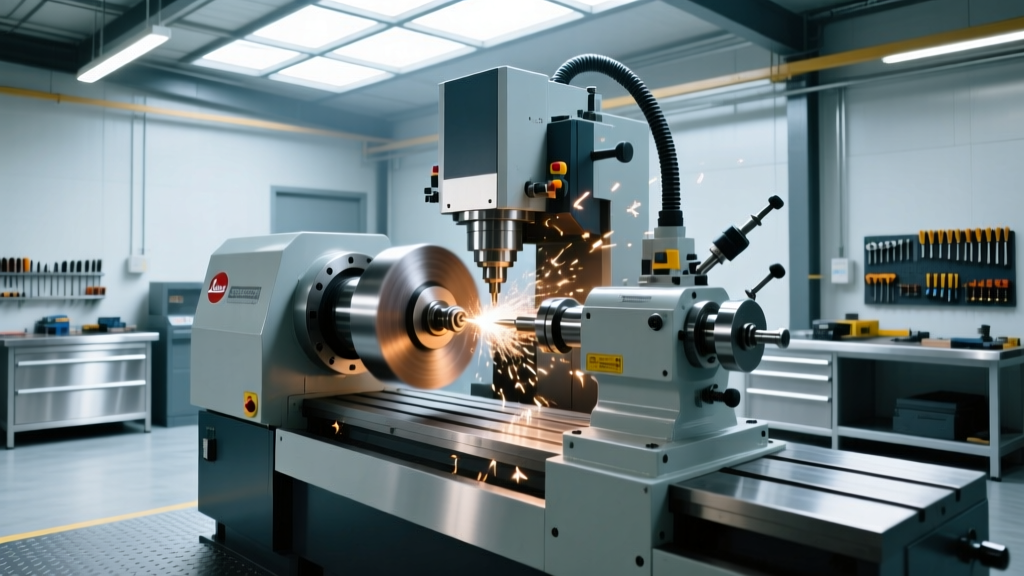
The landscape of precision cutting tool manufacturing has fundamentally shifted. In 2026, the demand for complex geometries in aerospace turbine components and orthopedic implants has rendered manual and 3-axis CNC grinders obsolete for high-value production runs. Modern tool grinding machines now rely on direct-drive linear motors, in-process laser measurement, and sophisticated thermal compensation algorithms to hold tolerances under ±2 µm.
For job shops and dedicated manufacturers, the capital expenditure for a fully equipped 5-axis CNC tool grinder—such as the ANCA FX7 Linear or the Walter Helitronic R Power—ranges from $280,000 to over $450,000. However, the ability to grind exotic superalloys like Inconel 718 and Cobalt-Chrome (CoCr) without thermal damage justifies the investment. This analysis breaks down real-world applications, wheel selection data, and operational parameters driving the industry forward.
Case Study 1: Aerospace Fir-Tree Root Form Grinding
The Challenge: Manufacturing fir-tree root forms for Inconel 718 turbine blades requires extreme profile accuracy. A deviation of just 5 µm can lead to catastrophic stress concentrations at high RPMs. Traditional creep-feed grinding with aluminum oxide wheels resulted in frequent thermal burns and wheel glazing.
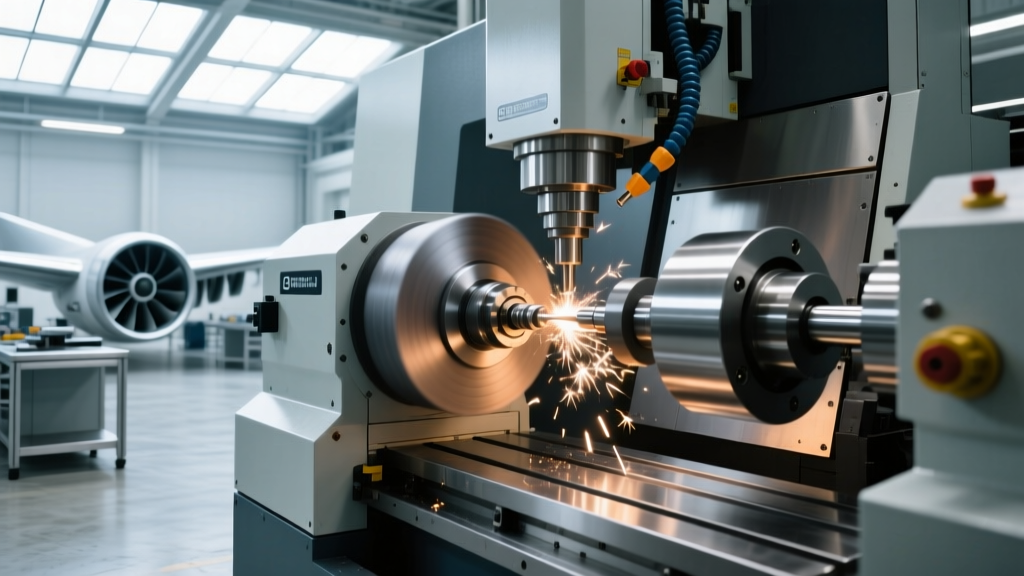
The Solution: A tier-1 aerospace supplier integrated a Rollomatic GrindSmart 629XW 6-axis tool and peel grinding machine, paired with a custom vitrified CBN (Cubic Boron Nitride) wheel.
Process Parameters: Inconel 718 Root Form Grinding
- Wheel Specification: Vitrified CBN, B126 grit, 300mm diameter
- Wheel Speed: 32 m/s (constant surface speed maintained via CNC interpolation)
- Infeed Rate: 0.02 mm per pass (creep-feed methodology)
- Coolant Pressure: 70 bar (1,000 psi) through targeted nozzle arrays
- Achieved Surface Finish: Ra 0.15 µm (compliant with ISO 1302 surface texture standards)
By switching to vitrified CBN, the facility eliminated the need for continuous dressing associated with resin-bond wheels. The vitrified bond's high porosity allows for superior chip clearance, preventing the Inconel swarf from welding to the wheel face—a common failure mode known as wheel loading. Cycle times for a complete fir-tree profile dropped from 14 minutes to 4.5 minutes per part.
Case Study 2: Medical Micro-Endmills for Orthopedic Implants
The Challenge: Machining CoCr knee and hip implants requires solid carbide micro-endmills as small as 0.3 mm in diameter. Grinding these tools presents severe runout and edge-chipping risks. Any runout exceeding 1.5 µm causes premature tool failure during the high-speed milling of hardened implant surfaces.
The Solution: A medical tooling manufacturer utilized an ANCA TX7 Linear equipped with an integrated RoboMate loader and LaserPlus in-process measurement system.
'In micro-tool grinding, the machine's thermal stability is just as critical as its mechanical rigidity. A 1°C shift in the grinding oil temperature can induce enough thermal expansion in the spindle to push a 0.5mm tool's runout out of tolerance.' — Lead Manufacturing Engineer, Medical Cutting Tool Division.
The facility implemented a closed-loop chilling system maintaining the grinding oil at exactly 20.0°C (±0.1°C). Furthermore, they utilized a hybrid resin-bond diamond wheel (400 grit) for the final finishing pass. The LaserPlus system measured the tool's outer diameter and runout immediately after grinding, automatically feeding offset data back to the CNC controller to compensate for wheel wear in real-time. Scrap rates for sub-millimeter tools dropped from 12% to 0.8%.
Comparative ROI: Hydraulic vs. Linear Motor Tool Grinding Machines
When evaluating tool grinding machines in 2026, the choice between legacy hydraulic-driven axes and modern linear motor drives is a primary financial consideration. The table below outlines the operational differences for a mid-sized job shop running a 24/5 production schedule.
| Metric | Legacy Hydraulic 5-Axis | Linear Motor 5-Axis (e.g., ANCA FX7) |
|---|---|---|
| Initial Capital Cost | $180,000 - $220,000 | $290,000 - $350,000 |
| Average Setup Time (Changeover) | 45 - 60 minutes | 8 - 12 minutes |
| Axis Positioning Accuracy | ±5.0 µm | ±1.0 µm |
| Maintenance Downtime (Annual) | 60+ hours (fluid/filter changes) | < 10 hours (grease/lube checks) |
| Energy Consumption | High (continuous pump run) | Low (power on-demand) |
| Estimated ROI Timeline | N/A (Baseline) | 22 - 28 Months |
While the upfront cost of linear motor machines is significantly higher, the elimination of hydraulic maintenance, combined with a 75% reduction in setup times, allows high-mix shops to absorb the capital cost in under two and a half years through increased spindle utilization and reduced scrap.
Critical Wheel Selection & Coolant Parameters for Exotic Alloys
Selecting the correct abrasive and bond is non-negotiable when grinding advanced materials. According to comprehensive guidelines on abrasive wheel selection and application, matching the wheel's porosity and bond hardness to the material's tensile strength is critical.
Decision Matrix for Superabrasive Wheel Selection
- Solid Carbide (Standard & Micro): Use Diamond abrasives. Resin bonds for roughing (fast stock removal, free-cutting); Hybrid or Vitrified bonds for finishing (superior edge retention, tighter tolerances).
- HSS (High-Speed Steel) & Cobalt Steel: Use CBN abrasives. Resin bonds are preferred for complex flute grinding to prevent thermal cracking in the HSS substrate.
- Inconel & Titanium Alloys: Use Vitrified CBN. The open structure of the vitrified bond prevents chip welding, while the CBN grain resists the chemical reactivity of titanium at high grinding temperatures.
Warning: Coolant Filtration Neglect
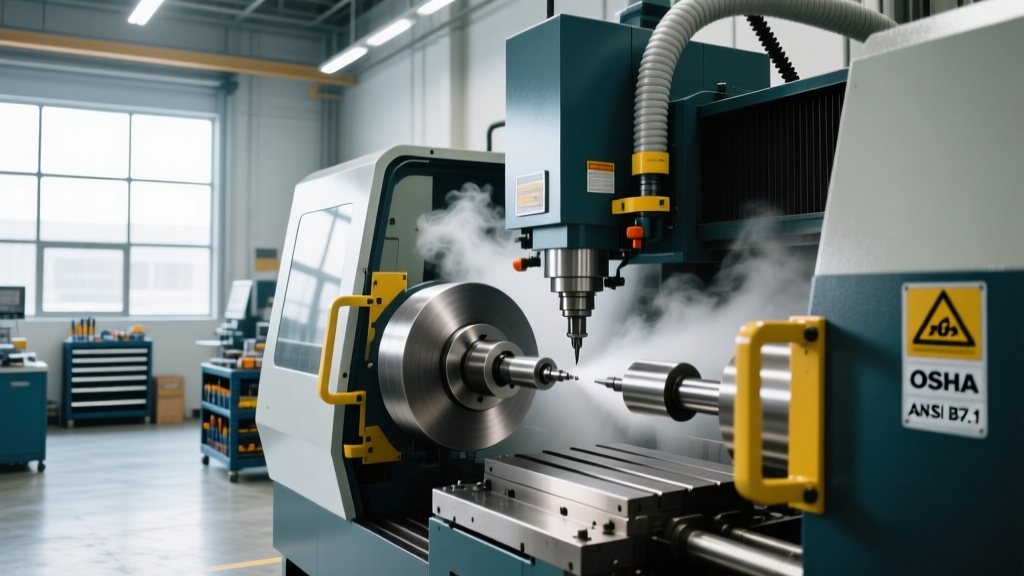
Running superabrasive wheels with degraded coolant filtration is the leading cause of premature wheel wear and poor surface finishes. For carbide micro-tools, coolant must be filtered to 3 microns or finer using a centrifuge or high-grade paper band filter. Suspended carbide particles act as a lapping compound, accelerating the wear of your diamond wheels and destroying spindle bearings over time.
Troubleshooting Common Edge Chipping in Carbide Tool Grinding
Micro-chipping along the cutting edge of solid carbide endmills is a frequent issue that compromises tool life in the field. Before scrapping the batch, operators should follow this systematic diagnostic tree:
- Inspect the Spark Out Pass: Are you utilizing a spark-out (zero-infeed) pass? If chipping occurs during the primary grinding pass, a 0.005 mm spark-out pass at the same feed rate can clean up the edge and remove fractured carbide.
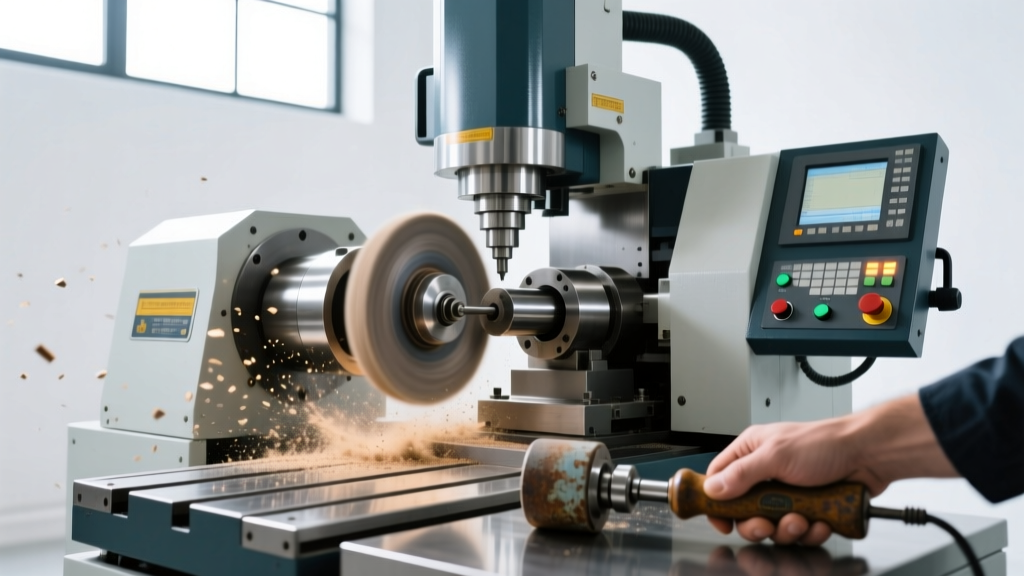
- Evaluate Wheel Dressing Intervals: A dull diamond wheel will crush the carbide rather than shear it. If using a resin-bond diamond wheel, verify that the silicon carbide (SiC) dressing stick is being applied at the correct interval (typically every 50-100 tools, depending on stock removal).
- Check Coolant Nozzle Alignment: High-pressure coolant must hit exactly at the grinding zone to prevent thermal shock. If the coolant stream is deflected by the tool's flute geometry, localized heat will cause micro-fractures that manifest as chipping.
- Analyze Machine Vibration: Use a dial indicator on the wheel spindle. Runout exceeding 2 µm indicates worn spindle bearings or improper wheel arbor seating, which directly translates to edge chatter and chipping.
Future-Proofing Your Grinding Operations
As aerospace and medical sectors continue to demand tighter tolerances and more complex geometries, the capabilities of your tool grinding machines will dictate your market position. Investing in 5-axis linear motor platforms, integrating in-process laser metrology, and strictly adhering to advanced coolant and wheel selection protocols are no longer optional upgrades—they are the baseline requirements for survival and profitability in 2026's precision machining landscape. For further insights into advanced manufacturing methodologies and industry standards, the Society of Manufacturing Engineers (SME) remains an invaluable resource for continuous process improvement.