Troubleshooting Food Waste Recycling Equipment Manufacturers' Units
Troubleshoot commercial digesters from top food waste recycling equipment manufacturers. Expert fixes for biological stalls, macerator jams, and sensor faults.
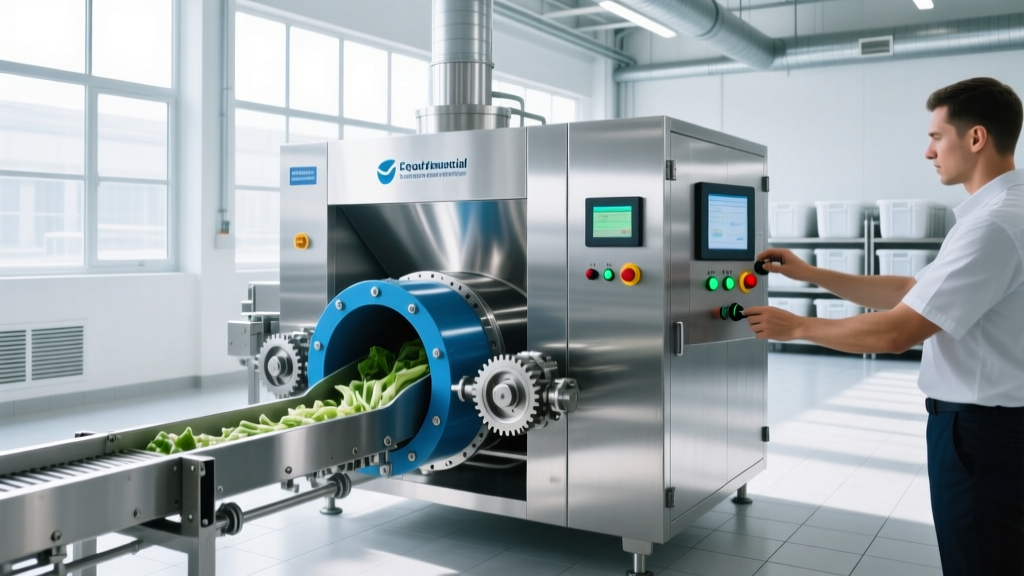
Commercial aerobic digesters and mechanical dehydrators process 500 to 10,000 lbs of organic waste daily in high-volume food manufacturing and institutional kitchens. When these systems experience unplanned downtime, facilities immediately face compounding hauling penalties and severe odor complaints. Troubleshooting systems from leading food waste recycling equipment manufacturers requires a dual-discipline approach: technicians must understand both the biological chemistry of aerobic decomposition and the electromechanical realities of high-torque shredders and thermal control loops.
According to the EPA Food Recovery Hierarchy, on-site digestion sits near the top of preferred waste diversion methods, but only if the equipment maintains a 90%+ uptime to offset the capital expenditure. This guide provides actionable, component-level troubleshooting frameworks for the most common failure modes found in commercial organics recycling machinery.
Identifying Your System Architecture
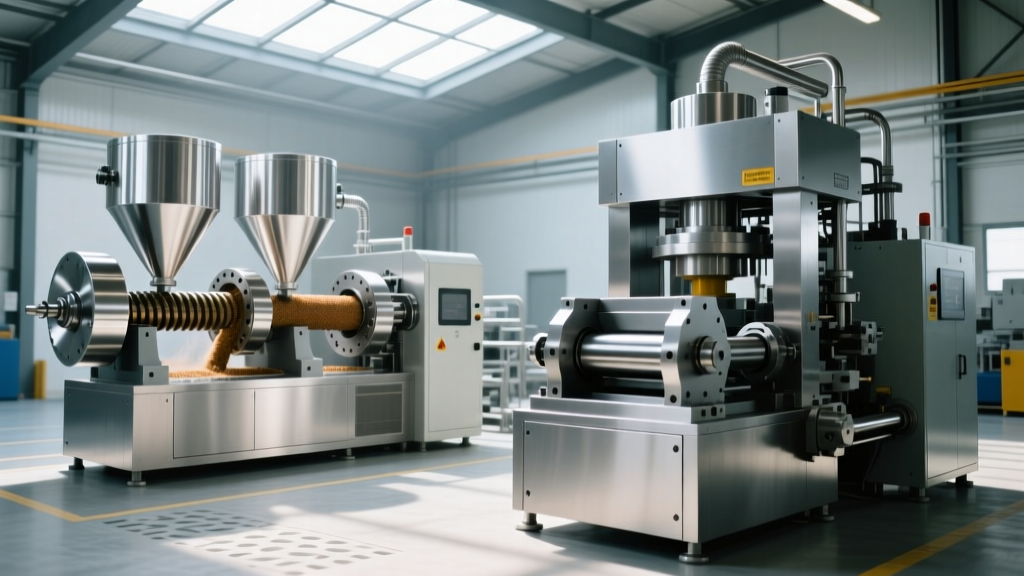
Before opening a control panel, identify the core processing methodology of your unit. Leading food waste recycling equipment manufacturers generally deploy one of two architectures:
- Aerobic Biodigesters (e.g., BioHiTech Eco-Safe, Power Knot LFC): Rely on proprietary microbial cultures, continuous aeration, and mechanical agitation to convert organics into CO2, water, and a small amount of biomass over 12-24 hours. Operating temperatures hover between 105°F and 115°F.
- Mechanical Dehydrators (e.g., Somat, Orca): Utilize brute-force mechanical pressing, maceration, and high-heat thermal evaporation (up to 212°F) to reduce waste volume by 80-90% in 4-8 hours, producing a sterile, soil-like amendment.
Biological failures are exclusive to digesters, while thermal and heavy mechanical faults are more prevalent in dehydrators. Misdiagnosing the system type leads to wasted labor and incorrect parts ordering.
Symptom-to-Solution Diagnostic Matrix
Use this rapid-reference matrix to isolate the primary subsystem failure before deploying multimeters or biological buffers.
| Symptom | Subsystem | Probable Cause | Corrective Action |
|---|---|---|---|
| Sour / H2S Odor | Biological | Anaerobic pockets / Low DO | Increase aeration blower duty cycle; inspect diffuser lines for leachate blockages. |
| Motor Humming / Tripping | Mechanical | Shredder jam / Sheared pin | Execute LOTO; clear chamber; replace 1/4-inch stainless steel shear pin. |
| Error Code E-04 (Temp) | Electrical | PT100 RTD sensor failure | Test resistance (expect ~109Ω at 75°F); replace probe if open loop. |
| Excess Liquid Effluent | Biological | High moisture feedstock | Add bulking agent (wood chips) to adjust C:N ratio and absorb free water. |
| Heating Elements Not Firing | Electrical | Blown Solid State Relay (SSR) | Check DC control voltage (3-32V); replace SSR if AC load side shows continuity when off. |
Biological Stalls: Diagnosing Microbial Acidosis
The most frequent cause of downtime in aerobic digesters from top food waste recycling equipment manufacturers is microbial die-off, commonly known as acidosis. This occurs when acidogenic bacteria rapidly break down carbohydrates, producing volatile fatty acids (VFAs) faster than the aerobic decomposers can consume them.
Step-by-Step Acidosis Recovery Protocol
- Test the Leachate pH: Draw a 50ml sample from the effluent drain. If the pH has dropped below 5.5, the biomass is in distress. Optimal range is 6.5 to 7.5.
- Halt Feedstock Input: Stop adding food waste immediately. Continuing to feed an acidic digester will compound the VFA load and guarantee total biomass collapse.
- Buffer the Vessel: Dose the digester with sodium bicarbonate (baking soda). The standard recovery ratio is 2 lbs of sodium bicarbonate per 100 lbs of daily feedstock capacity. Distribute it evenly through the loading hatch.
- Maximize Aeration: Override the PLC to run the aeration blower at 100% duty cycle for 4 hours. This strips dissolved CO2 (which forms carbonic acid) from the leachate and supplies maximum oxygen to the recovering methanogens.
- Re-inoculate if Necessary: If the temperature drops below 95°F and pH does not rebound within 24 hours, the culture is dead. You must flush the vessel and order a proprietary enzyme and microbe starter kit from the OEM (typically costing $150-$300 per treatment).
Never attempt to 'clean' a smelly digester with bleach, quaternary ammonium, or caustic degreasers. These chemicals will instantly sterilize the aerobic biomass, turning a $500 biological stall into a $5,000 complete system flush. Furthermore, stagnant anaerobic pockets generate hydrogen sulfide (H2S). Always use a calibrated 4-gas monitor before leaning into the primary vessel.
Mechanical Failures: Macerator Jams and VFD Overcurrent Faults
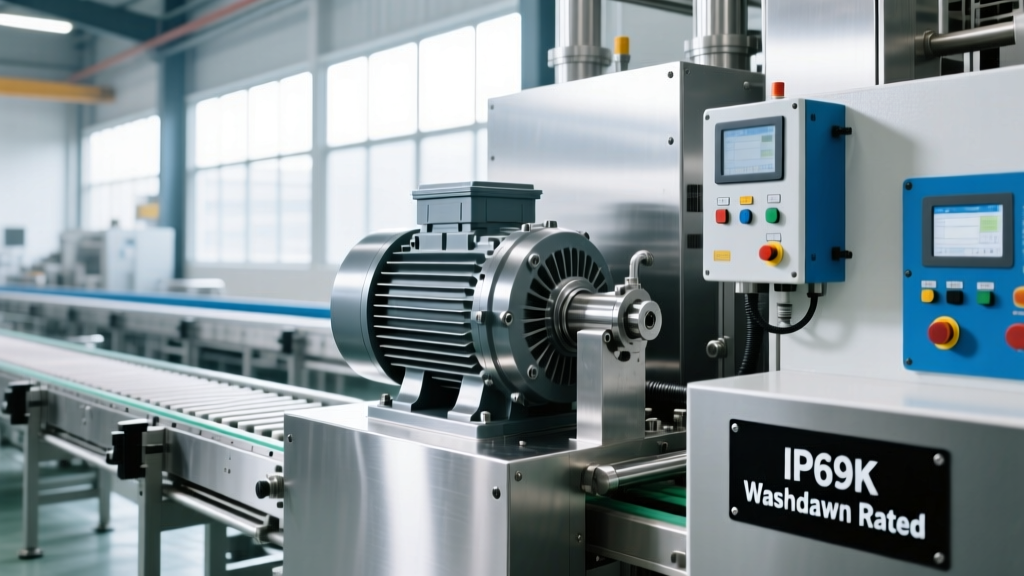
Commercial digesters utilize low-RPM, high-torque macerators to reduce particle surface area for microbial attack. According to Power Knot LFC documentation, these shredders are designed to handle bone and pit fragments, but they frequently jam on non-organics like stainless steel utensils, heavy butcher twine, or dense corn cobs.
Clearing a VFD Overcurrent (OC) Fault
When a jam occurs, the Variable Frequency Drive (VFD) will detect a massive current spike and trip to protect the motor windings, typically displaying an 'OC-1' (Overcurrent during acceleration) or 'OL-2' (Motor Overload) fault code.
- Lockout/Tagout (LOTO): Disconnect the main 480V or 208V disconnect switch. Verify zero energy state with a CAT III multimeter at the VFD input terminals.
- Manual Rotation Test: Insert the OEM-supplied hex key or breaker bar into the rear shaft of the macerator motor. Attempt to rotate the shaft counter-clockwise. If it does not yield, the mechanical jam is severe.
- Inspect the Shear Pin: Many manufacturers couple the motor to the shredder blades via a 1/4-inch stainless steel shear pin. If the motor spins freely but the blades do not move, the pin has sheared. Extract the remnants using a pin punch and replace it with an exact OEM-spec shear pin. Never substitute a grade-8 hardened steel bolt for a shear pin; doing so will transfer the shock load directly to the motor shaft, resulting in a catastrophic $3,000 motor replacement.
- Extract the Jam: Open the inspection hatch. Use heavy-duty extraction tongs to remove the foreign object. Check the cutting teeth for micro-fractures.
- Adjust VFD Ramp Times: If the VFD trips on startup without a physical jam, the acceleration ramp is too aggressive for the cold, viscous biomass. Access the VFD parameters and increase the acceleration time (e.g., Parameter P0.11) from 1.0 seconds to 3.5 seconds to allow the motor to build torque gradually.
Electrical Diagnostics: PT100 RTD Sensors and Solid State Relays
Temperature control is the heartbeat of both digesters and dehydrators. Systems rely on PT100 Resistance Temperature Detectors (RTDs) to monitor the vessel core. Because these probes are subjected to high humidity, acidic leachate, and constant vibration, they are a primary failure point.
Testing a Suspect PT100 Sensor
Do not rely solely on the PLC error screen. Pull the 3-wire or 4-wire PT100 connector from the analog input card and test it with a precision multimeter.
- At 32°F (0°C), resistance should read exactly 100 ohms.
- At standard room temperature (75°F / 24°C), resistance should read approximately 109.3 ohms.
- If the multimeter reads 'OL' (Open Loop), the internal platinum wire has fractured due to vibration. Replace the probe immediately.
- If the reading fluctuates wildly when wiggling the cable, moisture has breached the epoxy seal at the probe head. The entire assembly must be replaced; attempting to re-seal it with silicone will fail within 48 hours due to the acidic environment.
For mechanical dehydrators utilizing electric heating elements, the Solid State Relay (SSR) is the most common point of failure. SSRs fail 'closed' (causing runaway overheating) or 'open' (causing no heat). To test, disconnect the load wires. If your multimeter shows continuity across the AC output terminals while the DC control signal is removed, the SSR is internally shorted and must be replaced. Always apply thermal paste between the SSR body and the heat sink during replacement to prevent immediate thermal throttling.
Decision Framework: In-House Repair vs. OEM Service Contracts
Facility managers must weigh the cost of proprietary OEM service against in-house maintenance capabilities. The Cornell Waste Management Institute notes that proper operator training reduces biological failure rates by up to 60%, but electromechanical repairs often require specialized intervention.
- Handle In-House: VFD parameter adjustments, shear pin replacements, PT100 sensor swaps, and biological pH buffering. These require standard electrical PPE, a multimeter, and basic biochemical test strips.
- Call the OEM: Proprietary PLC board replacements ($1,200-$2,500), main vessel bearing seal failures (requires heavy rigging to lift the macerator assembly), and proprietary microbial culture re-inoculation. Attempting to bypass OEM PLCs with universal automation controllers often voids the warranty and disables the cloud-based telemetry that many municipalities require for waste diversion reporting.
By mastering the biological and mechanical baselines of your specific unit, maintenance teams can resolve 80% of downtime events without waiting for an OEM technician, ensuring continuous compliance with local organics diversion mandates.