Milling Machine CNC Showdown: VMC vs. HMC vs. 5-Axis Options
Compare top milling machine CNC options for 2026. We analyze VMC, HMC, and 5-axis models with real pricing, specs, and ROI frameworks for job shops.
For complex aerospace and medical part machining in a mold and die environment, DMG MORI is the better choice for high-mix, ultra-precision micro-machining and automated medical implant production due to its CELOS control and High Speed Cutting agility. Conversely, MC Machinery Operations' Ingersoll 5-axis milling platforms are superior for heavy-duty, large-format aerospace structural molds and deep-cavity die machining where extreme rigidity and high torque are mandatory. This analysis is engineered for manufacturing directors, CNC programming leads, and capital equipment buyers evaluating 5-axis capital expenditures.
Key Takeaways
- DMG MORI excels in medical micro-machining and high-mix aerospace prototyping with 45,000 RPM spindle speeds and advanced CELOS automation.
- MC Machinery Operations Ingersoll dominates large-format, deep-cavity aerospace mold machining with massive structural rigidity and 1,200 Nm continuous torque.
- Control system selection (Siemens Sinumerik One vs. Heidenhain TNC 640) dictates the ultimate workflow efficiency for complex 5-axis simultaneous toolpaths.
5-Axis Simultaneous Machining: A computer numerical control process where the cutting tool moves across five different axes at the same time. This continuous multi-axis movement allows for the creation of complex, organic geometries without requiring multiple part setups, significantly reducing cycle times and cumulative tolerance stacking.
Mold and Die Environment: A specialized manufacturing sector focused on producing the tooling used for injection molding, die casting, and forging. This environment demands exceptional surface finish capabilities, deep cavity reach, and the ability to machine hardened tool steels and exotic alloys with minimal electrode discharge machining rework.
Core Comparison: Ingersoll vs. DMG MORI in 5-Axis Machining
Machine Rigidity and Thermal Stability
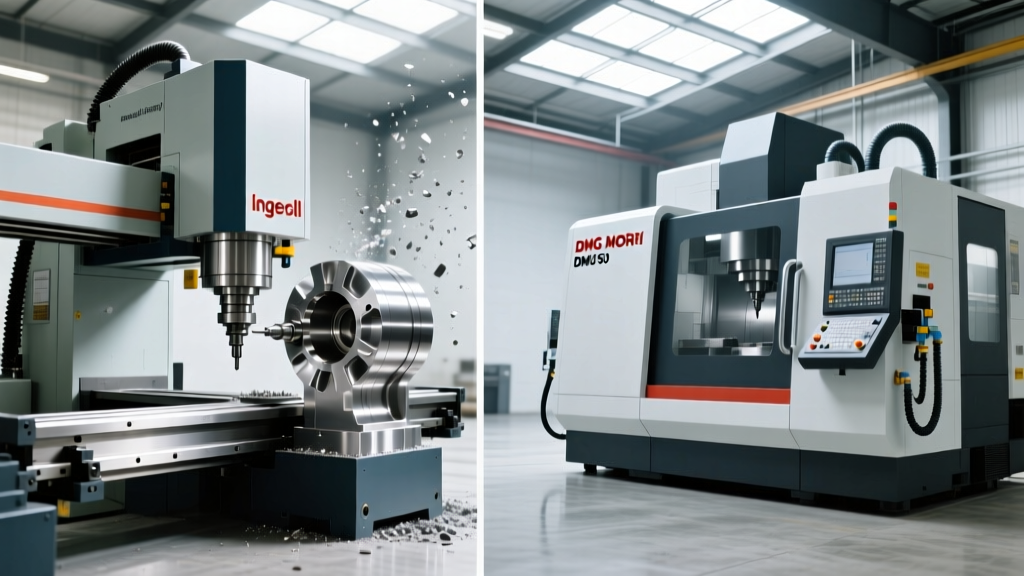
MC Machinery Operations distributes Ingersoll Machine Tools, which are engineered with massive polymer concrete or heavy cast-iron bases. This structural mass provides unparalleled vibration dampening during heavy roughing operations. When milling hardened P20 or H13 tool steel for aerospace landing gear molds, this rigidity maintains a strict 0.002 mm positional accuracy over extended 40-hour cycle times.
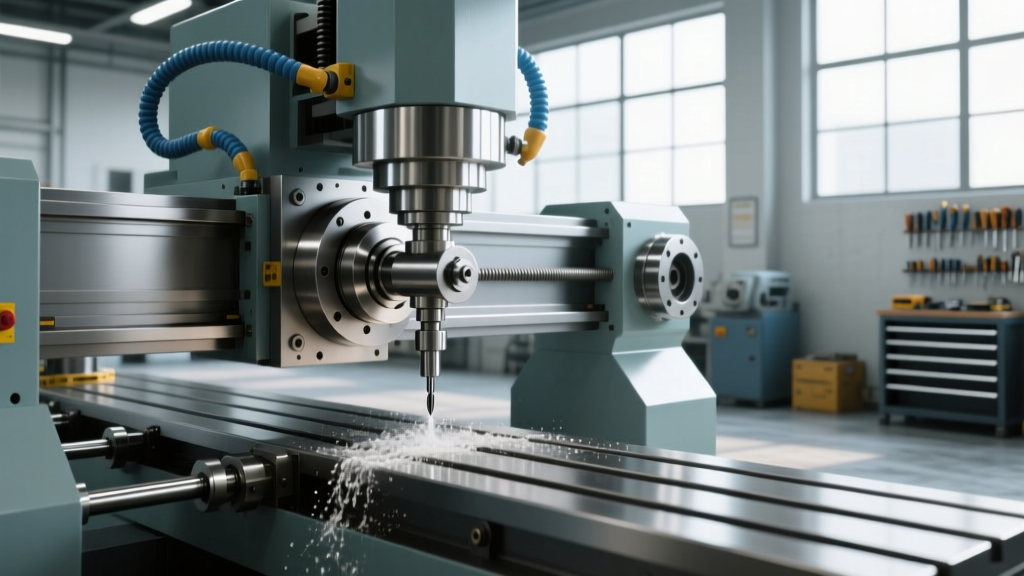
DMG MORI utilizes advanced monoblock constructions and active thermal compensation systems. While lighter than Ingersoll gantry systems, DMG MORI machines feature integrated cooling circuits within the spindle and ball screws. This thermal management prevents geometric drift during high-speed finishing passes, ensuring medical mold cavities maintain mirror-finish surface requirements without manual polishing.
CNC Control Systems and Software Integration
The control architecture defines the operational ceiling of any 5-axis platform. DMG MORI integrates the proprietary CELOS interface, which functions similarly to a smartphone operating system. CELOS streamlines job preparation, tool management, and network integration, reducing setup times by up to 30 percent in high-mix medical machine shops.
Ingersoll platforms typically pair with the Siemens Sinumerik One or Heidenhain TNC 640 controls. These systems offer superior look-ahead processing and advanced kinematic transformation cycles. For complex aerospace impeller molds, the Heidenhain TNC 640 provides smoother acceleration profiles, preventing dwell marks on contoured surfaces during 5-axis simultaneous finishing.
Application Performance: Aerospace and Medical Mold & Die
Aerospace Structural Components and Titanium Milling
Aerospace mold and die applications frequently involve deep cavities and difficult-to-machine materials like Titanium Ti-6Al-4V. Ingersoll 5-axis profiling centers deliver up to 1,200 Nm of continuous spindle torque. This high torque at low RPMs is critical for driving large-diameter indexable cutters through tough aerospace alloys without stalling the spindle or accelerating tool wear.
MC Machinery Operations Ingersoll Division designs these machines with extended Z-axis strokes and reinforced rams. This allows operators to reach deep into structural wing-spar molds while maintaining the necessary cutting forces to achieve acceptable chip evacuation and tool life metrics.
Medical Implants and Micro-Machining Tolerances
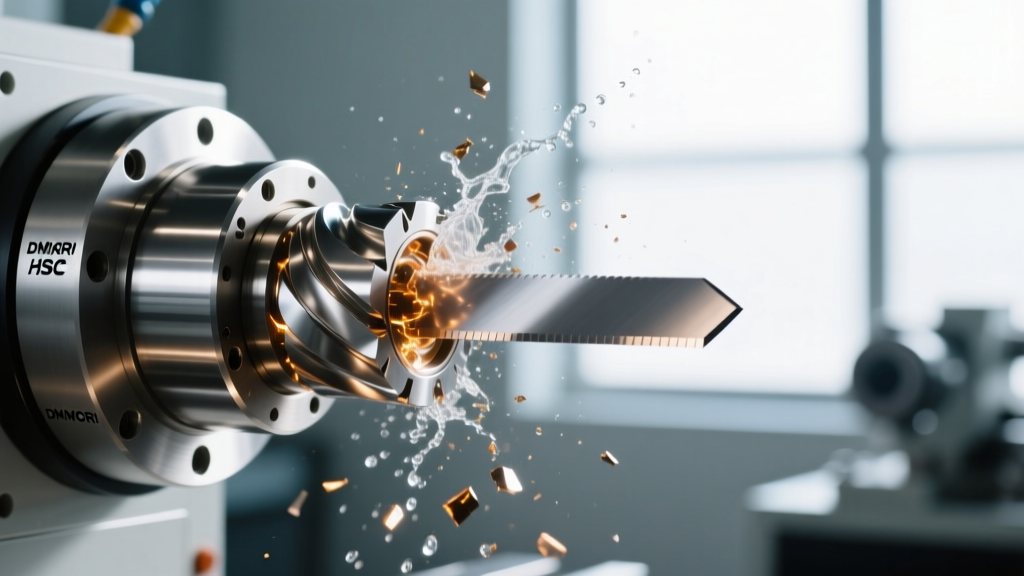
Medical mold and die environments prioritize extreme precision, fine surface finishes, and rapid changeovers. DMG MORI’s High Speed Cutting series features spindles capable of 45,000 RPM. These high rotational speeds are mandatory when utilizing micro-end mills to machine the intricate cooling channels and organic bone-mimicking textures found in orthopedic implant molds.
Furthermore, DMG MORI offers seamless integration with robotic part handling and pallet pools. In a 24/7 medical manufacturing cell, this automation ensures a 60-month ROI timeframe by maximizing spindle utilization during unmanned weekend shifts, a capability where heavy-duty Ingersoll gantry systems are less natively optimized.
Decision Framework: Selecting the Right 5-Axis Platform
Use the following comparison matrix to align your specific mold and die production requirements with the appropriate machine manufacturer.
| Operational Requirement | MC Machinery Ops Ingersoll | DMG MORI AG |
|---|---|---|
| Primary Mold Size | Large format (>2,500 kg table load capacity) | Small to medium format (palletized) |
| Material Focus | Hardened tool steels, heavy titanium roughing | Medical PEEK, aluminum, micro-titanium finishing |
| Spindle Characteristic | High torque, low-to-medium RPM | High RPM, low torque for micro-tooling |
| Automation Readiness | Gantry loading, custom crane integration | Native PH Cell, Robo2Go, PH 150 pallet systems |
Frequently Asked Questions
Is DMG MORI better for medical micro-machining than Ingersoll?
Yes. DMG MORI’s High Speed Cutting platforms offer the high-frequency spindles and thermal stability required for medical micro-machining. Ingersoll machines are physically too massive and lack the ultra-high RPM spindles necessary to efficiently drive micro-end mills through medical-grade polymers and small titanium implants.
How does Ingersoll handle large aerospace mold cavities compared to DMG MORI?
Ingersoll utilizes gantry-style or heavy bed-mill architectures that provide exceptional reach and rigidity for large aerospace molds. DMG MORI’s standard 5-axis universal machines are generally limited by table size and weight capacity, making Ingersoll the definitive choice for oversized structural die applications.
Which 5-axis control system is best for complex mold and die toolpaths?
The Heidenhain TNC 640, frequently paired with Ingersoll and available on DMG MORI, is widely considered the industry standard for mold and die. Its advanced filtering algorithms and jerk-limiting functions produce superior surface finishes on complex 3D contours compared to standard milling controls.
Final Verdict and Next Steps
The choice between MC Machinery Operations' Ingersoll 5-axis milling platforms and DMG MORI depends entirely on the physical scale and material focus of your mold and die operation. DMG MORI is the superior choice for high-mix, automated medical micro-machining and precision aerospace prototyping. Ingersoll is the undisputed leader for heavy-duty, large-format aerospace structural molds requiring extreme torque and deep-cavity reach.
To finalize your capital expenditure decision, request a standardized spindle load test using your specific aerospace titanium or medical PEEK material from both vendors. Evaluate the resulting surface finish data and cycle times against your specific tolerance requirements before issuing a purchase order.