CNC Router vs Milling Machine: Safety & Compliance Guide
Navigate OSHA and ANSI safety standards for CNC routers vs milling machines. Learn enclosure, tooling, and compliance requirements for your shop.
When a fabrication shop transitions from a 4x8 CNC router to a Vertical Machining Center (VMC), the safety compliance paradigm shifts entirely. While both machines utilize G-code and subtractive manufacturing principles, the regulatory frameworks governing them diverge sharply due to differences in spindle dynamics, material hazards, and containment requirements. Understanding the distinction between a CNC router vs milling machine from a safety perspective is not just about operational efficiency—it is about avoiding catastrophic tool ejections, combustible dust explosions, and severe OSHA penalties.
The Containment Divide: Coolant vs. Combustible Dust
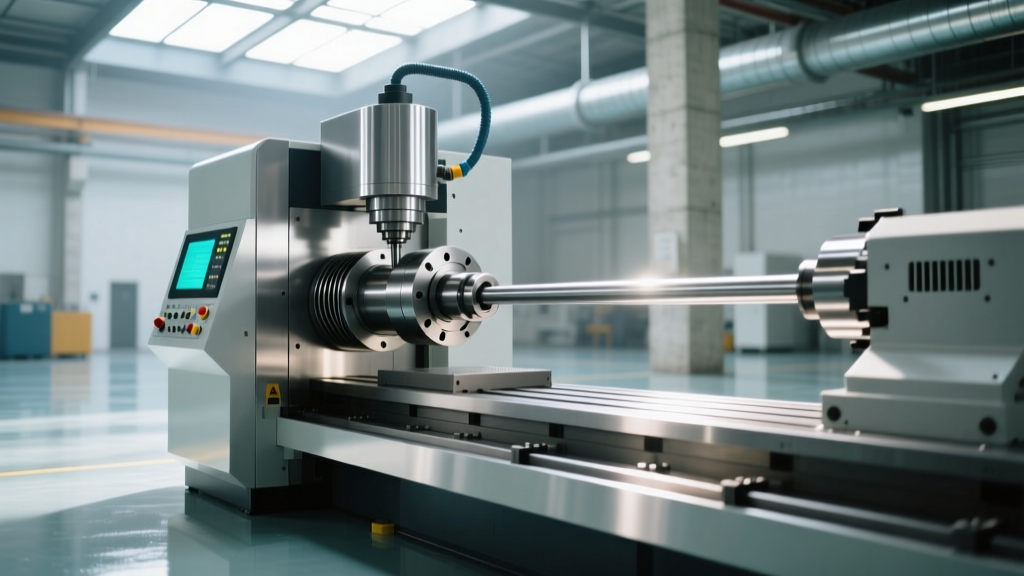
The most visible safety difference between these machines lies in their environmental containment strategies. CNC milling machines, such as the Haas VF-2SS or DMG Mori CMX V, are designed to cut metals using high-pressure flood coolant and through-spindle coolant (TSC) systems operating at 300 to 1,000 PSI. This necessitates fully sealed, interlocked polycarbonate enclosures to contain toxic metalworking fluid mist and sharp, high-velocity chips.
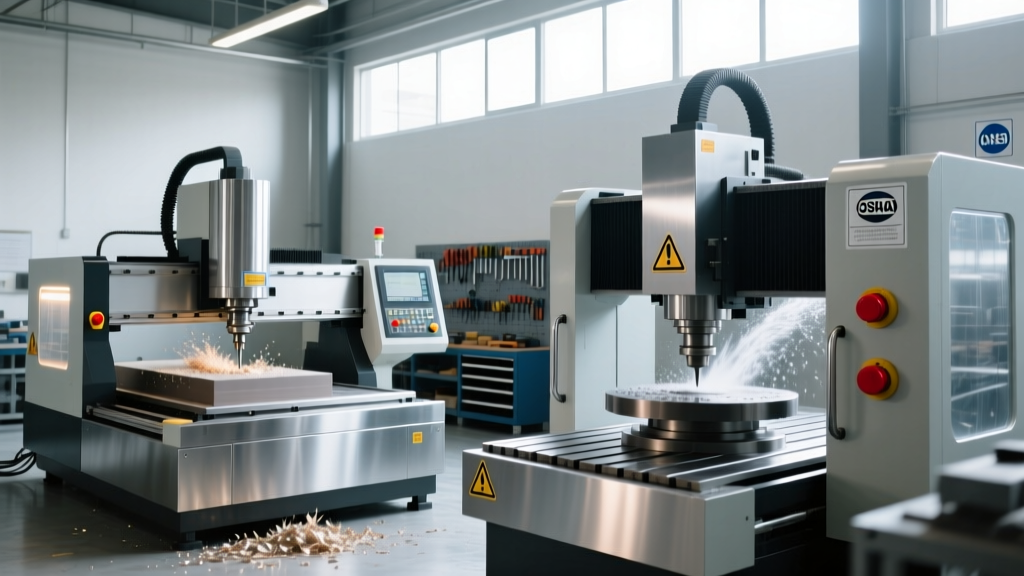
Conversely, CNC routers like the ShopBot PRSalpha or AXYZ Millennium are typically open-gantry machines designed for wood, plastics, and composites. The primary hazard here is not liquid coolant, but airborne particulate. Routing MDF, phenolic resins, or solid surface materials generates massive volumes of fine dust that pose severe respiratory and combustion risks.
Regulatory Alert: Combustible Dust (NFPA 664)Open CNC routers processing wood or carbon-fiber-reinforced polymers (CFRP) must be integrated with Local Exhaust Ventilation (LEV) systems. Failure to maintain adequate capture velocity (typically 4,000 to 4,500 FPM in the ductwork) can result in combustible dust accumulation. Under OSHA's woodworking and combustible dust directives, shops failing to mitigate this hazard face immediate citations.
Spindle Physics and Tool Retention Safety
The mechanics of how cutting tools are held dictate entirely different safety protocols and failure modes. Comparing a CNC router vs milling machine requires analyzing their tool retention systems under extreme rotational forces.
| Feature | CNC Router (e.g., ER Collet System) | CNC Milling Machine (e.g., CAT40/BT40 Taper) |
|---|---|---|
| Typical RPM Range | 18,000 – 24,000 RPM | 8,000 – 12,000 RPM (Standard VMC) |
| Retention Mechanism | Friction via ER Nut and Collet | Mechanical Taper + Pull Stud Retention Knob |
| Critical Safety Torque | ER32 Nut: ~80–85 Nm | Pull Stud Thread Engagement & V-flange seating |
| Primary Failure Mode | Collet slip / Tool ejection at high RPM | Pull stud shear / Tool drop during ATC swap |
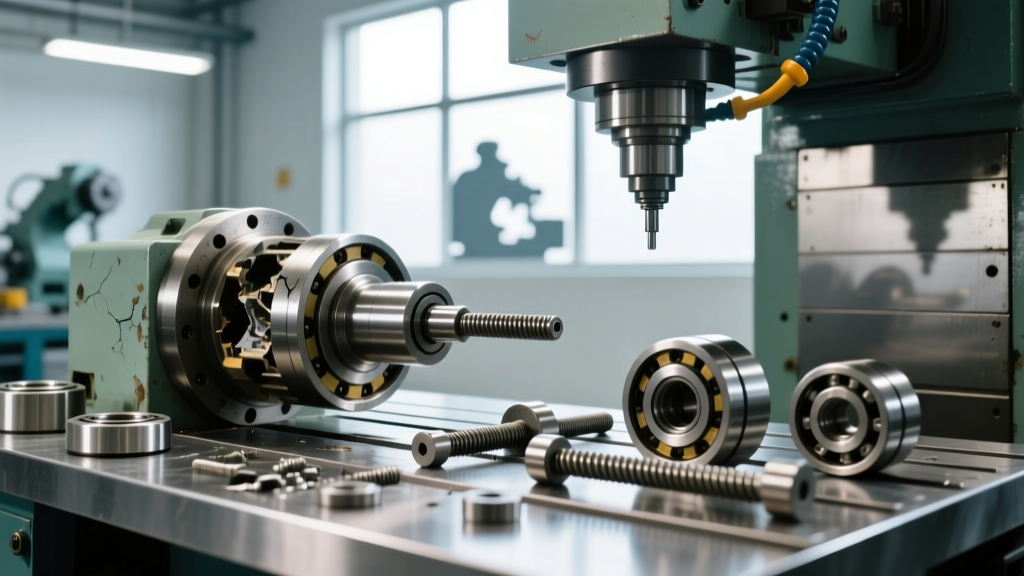
On a high-speed router, an under-torqued ER32 collet nut will allow the endmill to creep downward during heavy profiling. At 24,000 RPM, if the tool breaks or slips entirely, it becomes a lethal projectile. Operators must use calibrated torque wrenches—not manual spanners—to secure router tooling. On a milling machine, the danger lies in the Automatic Tool Changer (ATC). If a CAT40 retention knob is cross-threaded or subjected to metal fatigue, the 1,500+ lbs of pull force from the spindle drawbar can snap the stud, dropping a heavy face mill directly onto the workpiece or operator's hands during a tool change.
ANSI B11.8 vs. General Machine Guarding
CNC milling machines fall squarely under ANSI B11.8 (Safety of Machinery: Milling, Boring, and Drilling Machines). This standard mandates strict interlock protocols. If the heavy enclosure door of a VMC is opened while the spindle is rotating, the safety interlock (often a dual-channel RFID switch like a Schmersal AZM40) must instantly cut power to the spindle drive and engage the dynamic braking system.
CNC routers, lacking full enclosures, rely on OSHA 1910.212 Machine Guarding and perimeter safety matting or light curtains. A common compliance failure in job shops occurs when operators bypass perimeter light curtains to manually clear dust from the spoilboard while the router is in cycle. Modern safety PLCs must be configured with 'muting' functions that only allow entry when the spindle is at absolute zero RPM and the Z-axis is locked.
Electrical Grounding and VFD Compliance
Both machines utilize Variable Frequency Drives (VFDs) to control spindle speed, but the electrical safety compliance differs due to the operating environment.
- Milling Machines (Wet Environments): NFPA 79 compliance requires strict IP65+ ratings for all electrical cabinets to prevent coolant ingress. Coolant acts as a conductor; a degraded spindle cable can short against the machine casting, electrifying the entire chassis. Ground fault circuit interrupters (GFCIs) and continuous ground-wire monitoring are mandatory.
- CNC Routers (Dry/Dusty Environments): The primary electrical hazard is static discharge and electromagnetic interference (EMI). Routing acrylics or composites generates massive static charges that can arc, igniting fine dust. Routers must be equipped with carbon grounding brushes riding on the spindle shaft and dedicated earth-ground rods separate from the building's main neutral.
When retrofitting an older CNC router, install an Aegis Spindle Shield or equivalent conductive micro-fiber grounding ring. This prevents static discharge from passing through the ceramic spindle bearings, which not only mitigates arc-flash dust ignition risks but also prevents bearing fluting and premature mechanical failure.
Fluid Exposure and Respiratory Compliance
While routers require dust extraction, milling machines expose operators to metalworking fluid (MWF) aerosols. The NIOSH guidelines on metalworking fluids highlight that prolonged exposure to MWF mist can cause hypersensitivity pneumonitis and occupational asthma.
Compliance requires more than just an enclosed machine; it requires active mist collection. A standard VMC generating 30 CFM of mist must be paired with a centrifugal or HEPA mist collector (such as a Filtermist or Losma Darwin unit) that maintains negative pressure inside the enclosure. If an operator opens the VMC door and a visible cloud of coolant mist escapes into the shop air, the extraction system is undersized and the shop is out of compliance with OSHA's General Duty Clause regarding respiratory hazards.
The Financial Reality of Non-Compliance
Ignoring the specific safety standards for your machine type carries severe financial consequences. As of 2026, OSHA penalty adjustments have pushed the maximum fine for a Serious Violation (such as a bypassed safety interlock on a mill or missing LEV on a router) to over $16,131 per instance. Willful or Repeated Violations can exceed $161,323. Furthermore, insurance underwriters for manufacturing facilities now routinely require documented ANSI B11 compliance audits; failure to produce these can result in premium hikes of 20% to 40% or outright policy cancellation.
Frequently Asked Questions
Can I use a CNC router safety enclosure for a milling machine?
No. Router enclosures are typically designed to contain low-mass dust and light plastic chips. Milling machines generate heavy, sharp metal chips and utilize high-pressure coolant that will easily breach router-style polycarbonate shielding. Always use OEM-specified enclosures rated for the specific PSI and impact force of the milling process.
Do CNC routers require the same emergency stop (E-Stop) standards as mills?
Both require Category 0 or Category 1 E-Stops under NFPA 79. However, because routers often utilize vacuum hold-down tables, an E-Stop circuit must be designed to maintain vacuum pressure for a safe duration after spindle halt, preventing the workpiece from dislodging and becoming a secondary projectile.
How often should tool retention systems be audited for safety?
CAT/BT pull studs on milling machines should be visually inspected for micro-fractures every 6 months and replaced every 2 years. ER collets on routers suffer from metal fatigue and loss of spring tension; they should be replaced every 500 hours of cutting time to prevent tool slip at high RPMs.