Preventive Maintenance Schedules for a CNC Machine for Aluminum
Optimize uptime with specialized preventive maintenance schedules for a CNC machine for aluminum. Master coolant, way lube, and spindle care.
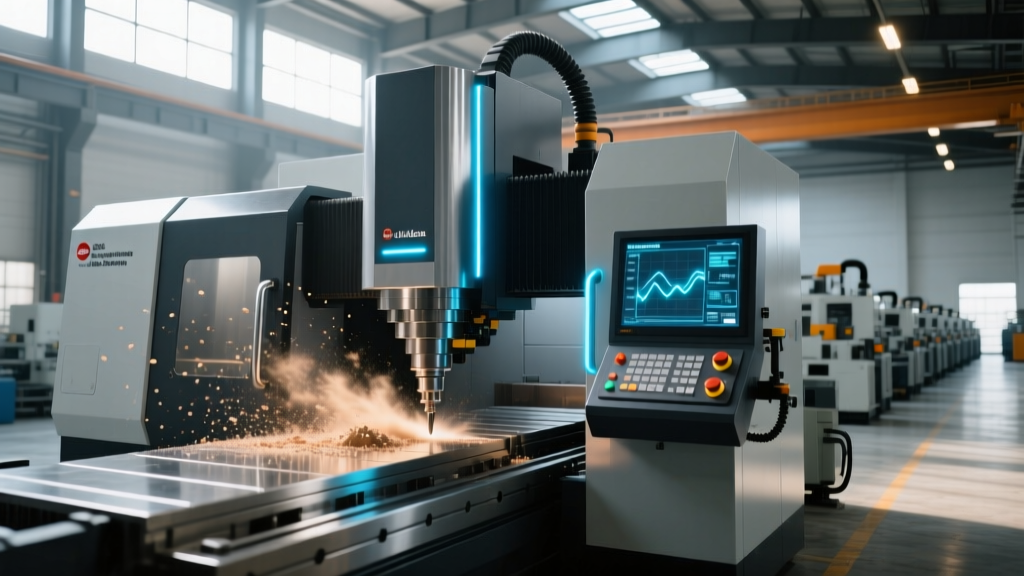
Machining aluminum is often categorized as high-speed, low-force work, leading many shop floors to treat it as benign on machine tool hardware. This is a critical miscalculation. A dedicated CNC machine for aluminum faces a unique triad of destructive forces: highly abrasive aluminum oxide dust, severe chip welding (galling) on tooling and way covers, and rapid coolant chemical degradation. When maintenance schedules are borrowed from steel-machining protocols, catastrophic spindle failures and axis stiction inevitably follow.
WARNING: The Hidden Danger of Aluminum FinesAluminum oxide (Al2O3) is the same compound used in grinding wheels. When microscopic aluminum fines bypass way wipers and mix with ISO VG 68 way lube, they form a lapping paste. This paste accelerates wear on linear guideways and ball screws by up to 400% compared to cast iron or steel dust. Standard way wiper replacements are insufficient; specialized scraper seals are mandatory for dedicated aluminum cells.
Daily Shift Protocols: Taper and Chip Management
The daily maintenance of an aluminum-dedicated vertical machining center (VMC), such as a Haas VF-2SS or DMG MORI DMU 50, must focus on chip evacuation and spindle taper preservation. Aluminum chips are stringy and prone to wrapping, while the dust infiltrates the spindle nose.
- Spindle Taper Wiping (Every Shift): Aluminum dust mixed with ambient humidity creates a galvanic reaction on steel tapers (BT40, CAT40, or HSK-A63), leading to fretting corrosion. Operators must wipe the spindle taper and tool holder tapers with a lint-free cloth dampened with isopropyl alcohol, followed by a micro-coating of spindle-specific oil (e.g., Kluber NBU 15).
- Way Cover Purging (Every 4 Hours): High-pressure coolant (typically 300-1000 psi in modern aluminum cells) forces fine chips under the telescopic way covers. Operators must use an air gun to blow out the accordion covers at mid-shift to prevent chip packing, which causes way cover tearing and eventual linear guide contamination.
- Tramp Oil Skimming (Daily): Aluminum reacts aggressively with tramp oil (hydraulic fluid leaking into the coolant sump). Skim the coolant surface daily to prevent the formation of aluminum-staining oleic acids.
Weekly Coolant Chemistry and Fluid Dynamics
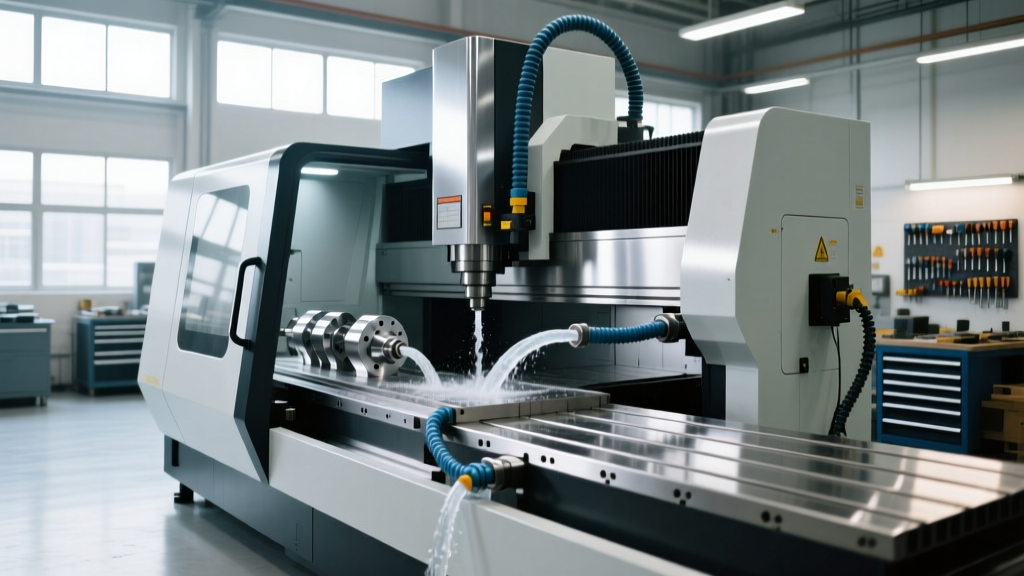
Coolant management is the most frequently neglected aspect of aluminum CNC maintenance. Unlike steel, aluminum is amphoteric; it reacts with both acids and bases. If coolant pH drifts too high, the aluminum parts will oxidize and stain. If it drops too low, the machine's cast iron bed and steel components will flash-rust. According to fluid dynamics experts at Master Fluid Solutions, maintaining a tight chemical window is non-negotiable for surface finish and machine longevity.
| Parameter | Target Range | Failure Mode if Out of Spec |
|---|---|---|
| Concentration (Refractometer) | 8.0% - 10.0% | Below 8%: Loss of lubricity, built-up edge (BUE) on cutters, tool holder galling. |
| pH Level | 8.8 - 9.2 | Above 9.5: Part staining/oxidation. Below 8.5: Machine cast iron flash-rust. |
| Water Hardness | 50 - 150 ppm | Above 200 ppm: Emulsion splitting, calcium buildup in coolant pump impellers. |
| Tramp Oil Content | < 2.0% | Hydrogen gas generation in enclosed sumps, anaerobic bacteria bloom (sulfur smell). |
Monthly Mechanical and Lubrication Audits
Monthly maintenance shifts from fluid management to mechanical verification. The high acceleration and deceleration rates used in aluminum contouring place immense stress on ball screws and thrust bearings.
Way Lube System Verification
Do not rely solely on the machine's low-level alarm. Manually trigger the automatic way lube pump (e.g., Bijur or Lube Systems) and verify the pressure gauge spikes to the manufacturer's specification, typically 25 to 35 psi for standard VMCs, and up to 80 psi for machines with volumetric metering units. Inspect the metering valves on the X and Y axes; aluminum dust frequently clogs the small orifices of these valves, starving the outermost linear blocks of Mobil Vactra No. 2 oil.
Spindle Air Purge Filter Replacement
High-speed spindles (12,000 to 20,000 RPM) utilize an air purge system to create positive pressure inside the spindle housing, preventing aluminum dust from ingesting into the ceramic hybrid bearings. The desiccant filter on this air line must be replaced monthly. A saturated filter allows moisture and fines into the spindle. Replacing a $45 desiccant filter prevents a $12,000 to $18,000 spindle rebuild.
Quarterly and Annual Deep Diagnostics
As detailed in guidelines by Sandvik Coromant, maintaining tight tolerances in high-speed aluminum aerospace structural parts requires verified machine geometry. Annual maintenance must include laser interferometry and ballbar testing.
- Ballbar Testing (QC20-W): Run a Renishaw ballbar test at the machine's maximum rapid feed rate (e.g., 1,000 ipm). Aluminum machining relies on extreme feed rates to evacuate chips. If the ballbar shows excessive servo lag or stick-slip at high speeds, the ball screw thrust bearings are likely preloaded incorrectly or suffering from aluminum oxide contamination.
- Spindle Runout Verification: Mount a certified test arbor. Use a 0.0001″ resolution dial indicator to check radial and axial runout at 12 inches from the gauge line. Total Indicator Runout (TIR) must not exceed 0.0002″. If it does, the spindle taper is scored by aluminum galvanic corrosion and requires in-situ grinding or replacement.
- Way Wiper and Scraper Replacement: Strip the way covers and inspect the polyurethane wipers. If the aluminum dust has embedded into the wiper lip, replace them immediately. Upgrade to specialized scraper seals with secondary felt layers for dedicated aluminum machines.
Troubleshooting Matrix: Aluminum-Specific Failures
When maintenance schedules slip, aluminum machining presents unique failure signatures. Use this diagnostic matrix to identify root causes before secondary damage occurs.
| Symptom | Root Cause | Corrective Action |
|---|---|---|
| Chatter marks on thin-wall aluminum parts | Spindle bearing preload loss due to thermal expansion or dust ingestion. | Check air purge pressure; verify spindle chiller unit is maintaining 68°F (20°C) ± 0.5°F. |
| X/Y axis servo following errors at high speed | Way lube starvation causing stick-slip friction on linear guides. | Clear clogged Bijur metering valves; flush way lube lines; replace contaminated ISO VG 68 oil. |
| White powdery residue on machine castings | Coolant pH exceeding 9.5; aluminum is leaching into the emulsion. | Dump and clean sump; recharge with fresh aluminum-specific coolant (e.g., TRIM E709); add pH buffer. |
| Tool holders sticking in spindle taper | Galvanic fretting corrosion from aluminum dust and moisture. | Clean taper with IC-1000 cleaner; apply micro-layer of non-sticking spindle grease; enforce daily wiping. |
The ROI of Specialized Maintenance
Treating a CNC machine for aluminum as a standard mill is a false economy. A reactive maintenance model—waiting for way covers to tear or spindles to screech—results in an average of 48 hours of unplanned downtime per incident, costing modern job shops upwards of $4,000 in lost spindle time and expedited shipping for aerospace contracts. By implementing the daily taper protocols, weekly coolant chemistry audits, and monthly air-purge verifications outlined above, shops can extend spindle life by an estimated 35% and maintain the preventive maintenance standards required for Tier 1 aerospace and automotive aluminum machining.