Choosing the Right Oil Pump for CNC Machine Desktop Prototyping
Discover how to select the ideal oil pump for CNC machine desktop prototyping. Compare misting systems, flood coolant, and specific models for small mills.
The Prototyping Bottleneck: Why Desktop CNCs Need Dedicated Lubrication
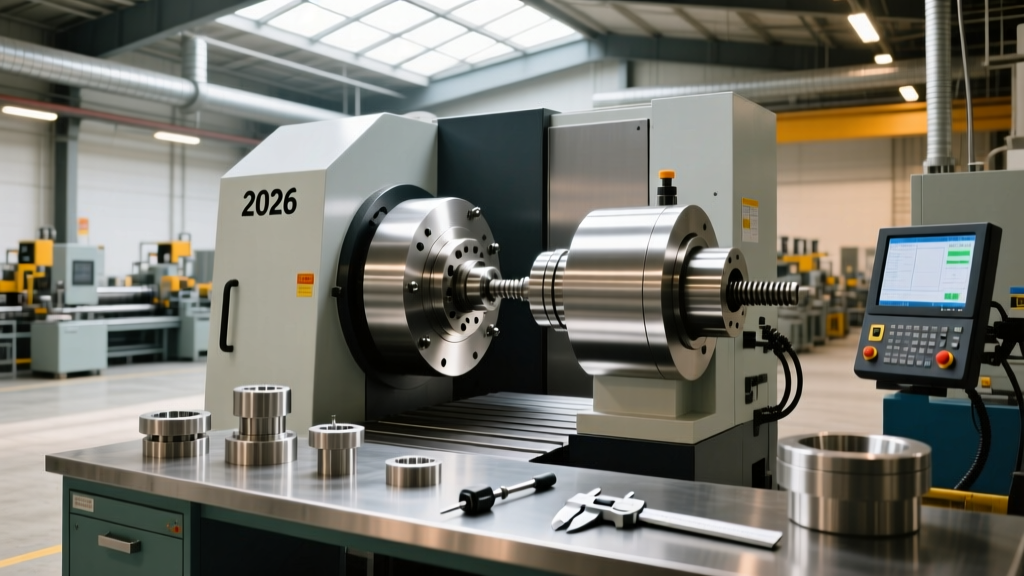
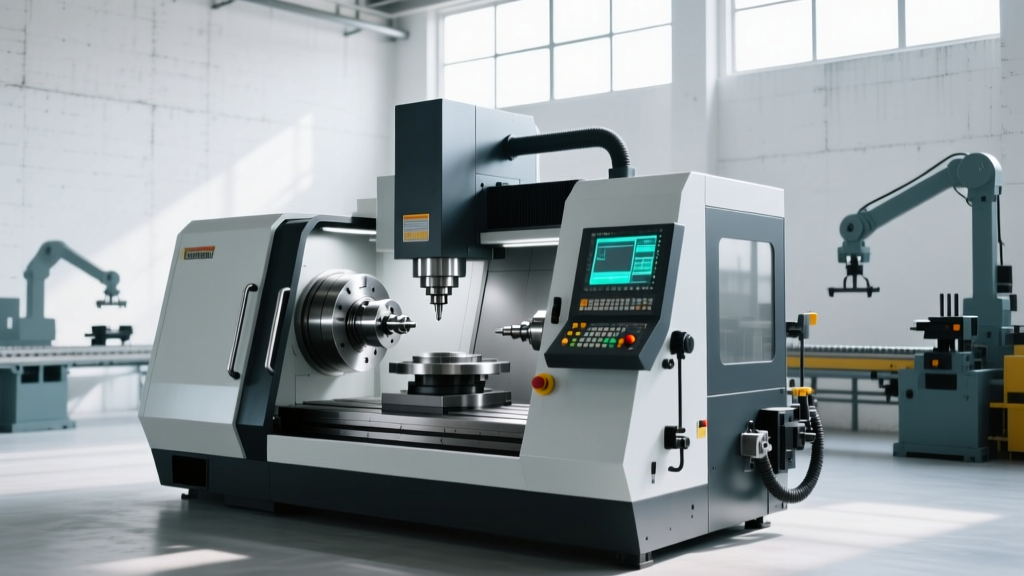
Desktop CNC machines like the Tormach PCNC 440, Bantam Tools Desktop CNC, and Pocket NC VMC-5 have revolutionized rapid in-house prototyping. However, when engineers transition from dry-cutting plastics and woods to machining 6061 aluminum, brass, or 303 stainless steel, tool wear and poor surface finishes become immediate bottlenecks. Selecting the correct oil pump for CNC machine integration is the most critical upgrade a desktop prototyping lab can make in 2026.
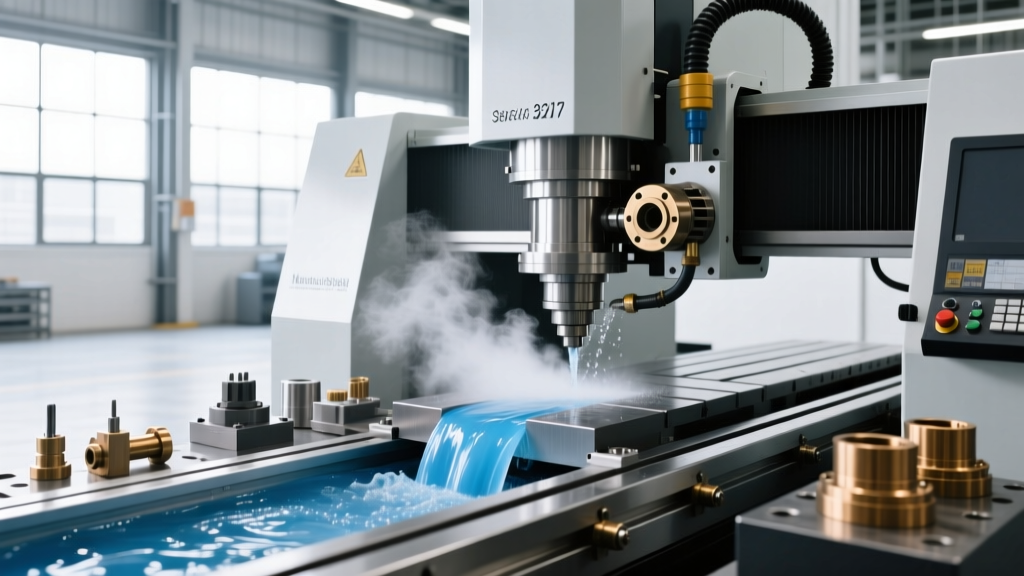
Unlike industrial VMCs with enclosed cabins and 50-gallon flood coolant sumps, desktop environments face strict spatial, electrical, and aerosol-management constraints. Standard flood coolant pumps will quickly overwhelm the splash guards of a desktop mill, risking short circuits in exposed stepper motors and control boards. Therefore, the modern standard for desktop prototyping is Minimum Quantity Lubrication (MQL), which requires a highly precise, air-actuated micro-misting oil pump.
⚠️ Critical Warning for Desktop Environments: Never route a standard 120V submersible flood coolant pump into an open-frame desktop CNC without a fully sealed NEMA-rated electrical enclosure. Coolant splash-back is the leading cause of control board failure in hobbyist and prosumer desktop mills.Air-Oil Misting vs. Low-Volume Flood Pumps: A Comparison Matrix
When sourcing an oil pump for CNC machine setups on a benchtop, you are generally choosing between pneumatic air-oil misting systems and low-volume peristaltic flood pumps. The decision matrix below outlines the operational realities for prototyping labs.
| System Type | Flow Rate | Air Pressure Req. | 2026 Avg. Cost | Best Desktop Use Case |
|---|---|---|---|---|
| Pneumatic MQL (Air-Oil) | 0.01 - 0.05 cc/min | 40 - 80 PSI | $900 - $1,800 | Aluminum/Steel milling, micro-drilling |
| Peristaltic Micro-Flood | 50 - 200 cc/min | None (Electric) | $250 - $450 | Heavy roughing, titanium, enclosed desktop VMCs |
| Venturi Siphon Mist | Unmetered (High) | 60 - 100 PSI | $45 - $90 | Budget wood/plastic routing (Not recommended for metals) |
Top Oil Pump Models for Desktop Prototyping in 2026
Based on current market availability and integration success rates with machines like the Tormach and Bantam platforms, here are the top-tier systems for precision prototyping.
1. Unist Micro-Drop System (The Industry Gold Standard)
Priced between $1,450 and $1,750, the Unist Micro-Drop system utilizes a positive-displacement metering pump that guarantees exact fluid delivery regardless of air pressure fluctuations. It generates droplets in the 10 to 50-micron range, ensuring the lubricant penetrates the cutting zone without pooling in the chip tray. When paired with Unist Coolube 2210 (a vegetable-based ester fluid), it leaves a dry, non-tacky finish on prototype parts, eliminating secondary cleaning operations.
2. Bijur Delimon MicroJet Series
At approximately $950, the Bijur Delimon MicroJet is a favorite among PCNC 440 owners. It features a highly adjustable needle valve for oil metering and a separate air regulator. The primary advantage for desktop users is its compact reservoir footprint (1-quart capacity), allowing it to be mounted directly to the side of a desktop mill's column without interfering with the X-axis travel.
3. Generic 110V Pneumatic Mist Coolant Pumps (Budget Tier)
Available on Amazon and direct-from-manufacturer sites for $45 to $85, these aluminum-bodied siphon pumps are ubiquitous in hobbyist garages. While they atomize fluid adequately, they suffer from severe oil-consumption inefficiency and generate large, uncontrolled aerosol clouds. If you must use a budget pump, pair it with a dedicated HEPA shop-vac extraction system to protect operator lung health.
"In micro-milling and desktop prototyping, the goal of lubrication is not to cool the part through thermal mass, as flood coolant does. The goal is to reduce the coefficient of friction at the shear zone to prevent built-up edge (BUE) on micro-grain carbide end mills."
— Technical Guidelines on Microlubrication, adapted from Harvey Tool engineering resources.
Sizing and Plumbing Your Desktop MQL System
Installing an oil pump for CNC machine use requires precise plumbing to maintain the siphon effect and droplet integrity. Follow this step-by-step framework for desktop integration:
- Calculate Air Volume: Desktop MQL systems typically require 1.5 to 3.0 CFM (Cubic Feet per Minute) at 60 PSI. Ensure your shop compressor can sustain this continuous draw without triggering the compressor motor mid-cycle, which causes pressure drops and oil spitting.
- Select Tubing: Use 1/4-inch polyurethane tubing for the air line and 1/8-inch nylon tubing for the oil feed line. Never use PVC or rubber, as ester-based MQL fluids will degrade rubber over time, causing microscopic leaks.
- Mount the Pump: The oil reservoir must be mounted at or slightly below the nozzle height to prevent gravity-fed siphoning when the air valve is closed. On a desktop mill, the rear of the Z-axis column is usually the optimal location.
- Nozzle Placement: Utilize 1/4-inch Loc-Line articulated hose. Position the nozzle exactly 1.5 inches from the cutting zone, angled at 45 degrees to the tool flute. Industry standards outlined by Sandvik Coromant emphasize that MQL must be directed at the tool-workpiece interface, not sprayed blindly into the enclosure.
Fluid Selection: Why Way Oil Will Ruin Your Prototypes
A common mistake in desktop prototyping labs is filling the MQL pump reservoir with standard ISO VG 68 way oil or leftover flood coolant. Way oil contains tackifiers designed to cling to cast-iron slideways. When aerosolized through an MQL pump, these tackifiers clog the micro-nozzles and leave a gummy residue on aluminum prototypes that interferes with subsequent anodizing or powder-coating processes.
Always use dedicated MQL fluids. For general aluminum and steel prototyping, synthetic ester-based fluids (like ITW ROCOL Ultracep or Unist Coolube) provide superior boundary lubrication and vaporize cleanly at high cutting temperatures. For aerospace prototyping involving titanium or Inconel on rigid desktop VMCs like the Pocket NC, opt for high-viscosity, chlorine-free extreme pressure (EP) MQL fluids to prevent galling.
Frequently Asked Questions (FAQ)
How often do I need to refill the oil reservoir on a desktop CNC?
Because MQL systems consume fluid at a rate of roughly 0.02 cc per minute, a standard 1-quart (946 cc) reservoir will last approximately 788 hours of continuous cutting time. In a typical prototyping lab running 4 hours a day, a single fill will last well over six months.
Do I need an enclosure for MQL on a desktop mill?
Yes. While MQL uses 99% less fluid than flood coolant, the aerosolized mist will still settle on workbenches, monitors, and floors. A lightweight polycarbonate enclosure paired with a small inline duct fan and a HEPA filter cartridge is mandatory for maintaining a clean, OSHA-compliant prototyping environment.
Can I use compressed air from a standard garage compressor?
You can, but you must install an in-line coalescing air filter and desiccant dryer before the air reaches the oil pump. Standard garage compressors introduce moisture and compressor oil into the air line, which will emulsify your MQL fluid and cause inconsistent spray patterns.