Mori Seiki CNC Machine Chip Management and Maintenance Guide
Optimize your Mori Seiki CNC machine chip management and dust collection. Learn exact maintenance schedules, filtration specs, and failure troubleshooting.
Conveyor Architecture and Torque Limiter Calibration
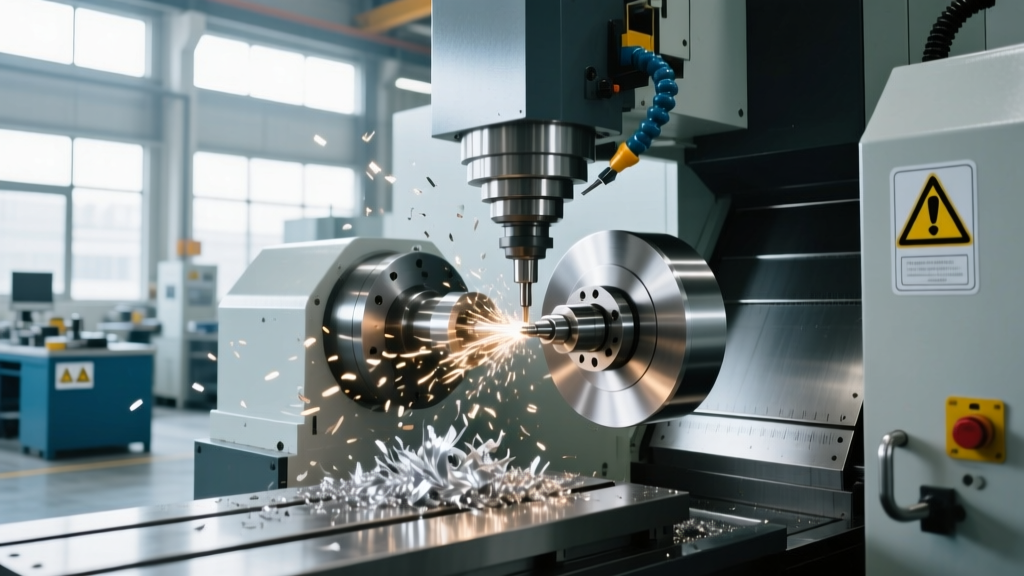
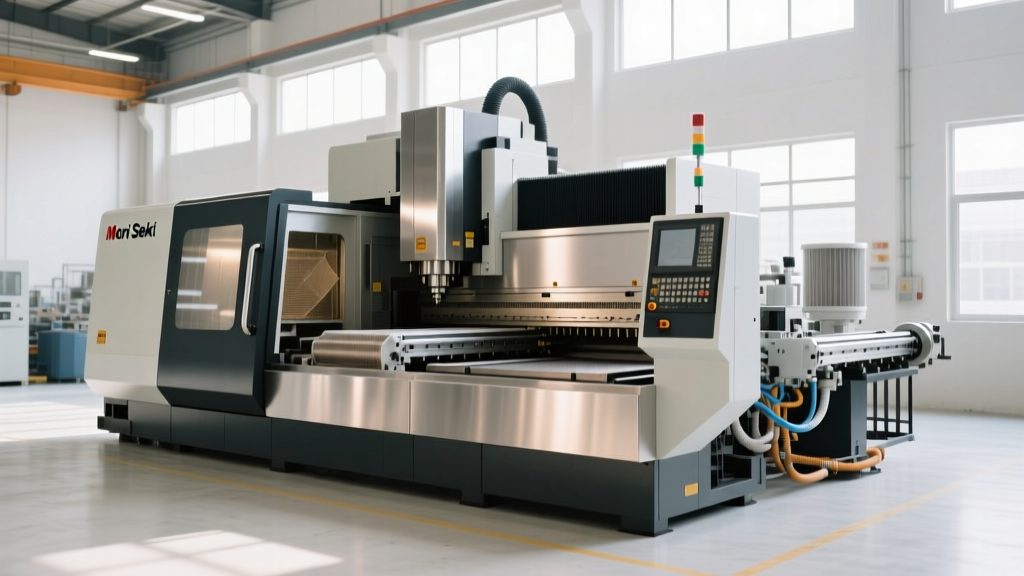
Effective chip evacuation is the central nervous system of any high-volume turning or milling cell. When operating a legacy or modern Mori Seiki CNC machine—such as the NLX 2500 series, NT multi-axis mills, or the DuraTurn lathes—chip management relies heavily on OEM-integrated Mayfran or LNS hinge-belt conveyors. These systems are engineered to handle the high-velocity ejection of chips generated during aggressive roughing cycles.
The most critical, yet frequently overlooked, component in this assembly is the mechanical torque limiter. This device is designed to slip when the conveyor belt encounters a jam, preventing the drive motor from burning out or the belt from snapping. On standard Mori Seiki NLX models, the factory torque limiter setting is typically calibrated between 15 Nm and 25 Nm, depending on the conveyor width.
Critical Maintenance Warning: Never bypass or over-tighten a slipping torque limiter to 'force' a jammed belt. Over-tensioning to 40+ Nm will transfer the mechanical shock directly to the gearbox, resulting in catastrophic gear stripping that costs between $2,800 and $4,500 to replace.To properly reset a tripped limiter: isolate the machine power, remove the drive housing sheet metal, loosen the collar set screws, clear the physical jam (often a tangled bird's nest of 304 stainless steel stringers), and reset the spring tension to the exact factory mark on the collar before re-tightening.
Dust and Sludge: Machining Cast Iron and Graphite
While standard steel and aluminum turning produces manageable chips, machining cast iron or graphite electrodes on a Mori Seiki DuraMill or legacy vertical machining center introduces severe dust management challenges. Cast iron generates fine, abrasive particulate that mixes with water-soluble coolant to form a heavy, abrasive sludge. Graphite machining produces dry, conductive dust that can short-circuit control cabinets if not properly extracted.
Filtration Requirements by Material
| Material | Waste Type | Required Filtration System | Target Micron Rating |
|---|---|---|---|
| Ductile Iron | Abrasive Sludge | Magnetic Separator + Paper Band Filter | 15 - 25 Micron |
| Graphite | Dry Conductive Dust | Pulse-Jet Cartridge Dust Collector | 1 Micron (99.9% efficiency) |
| 304 Stainless | Stringy Chips | Hinge Belt with Wiper Pads | N/A (Mechanical Evacuation) |
| Inconel / Titanium | Fines and Heat | High-Pressure Coolant (HPC) + Centrifuge | 10 Micron |
For cast iron applications, relying solely on the standard hinge-belt conveyor will result in fine particulate bypassing the belt and settling in the coolant tank. This sludge accelerates way-cover wear and degrades spindle bearings. Integrating a LNS Turbo-Filt or Losma paper band filter system downstream of the magnetic separator is mandatory to maintain coolant integrity and extend tool life.
Preventative Maintenance Schedule Matrix
Adhering to a strict service schedule prevents the $12,000+ hidden costs of unplanned downtime and secondary machine damage. The following matrix outlines the exact maintenance intervals for Mori Seiki chip and mist management systems.
- Daily (Shift Start): Visually inspect the conveyor discharge chute for chip buildup. Verify the coolant concentration is maintained between 8% and 10% using a refractometer to prevent bacterial growth that clogs filtration media.
- Weekly: Check hinge-belt tension. Measure deflection at the midpoint of the return span; it should exhibit exactly 1/4-inch (6mm) of play. Inspect the skimmer belt on the tramp oil separator for tears.
- Monthly: Clean the mist collector pre-filters (washable aluminum mesh). Drain and clean the coolant tank sump if machining cast iron to remove settled micro-fines. Lubricate the conveyor drive chain with ISO 68 way oil.
- Annually: Replace the HEPA filter cartridges on the oil mist extractor. Replace the conveyor belt wiper pads (usually polyurethane) that scrape fine chips from the belt's underside. Flush the entire coolant system with a machine-safe biocide and refill.
Mist Collection and Air Quality Compliance
High-pressure coolant systems (operating at 1,000 to 1,500 PSI) on modern Mori Seiki machines generate massive volumes of aerosolized oil mist. Without proper extraction, this mist coats the shop floor, degrades the machine's way covers, and poses severe respiratory risks to operators.
According to OSHA's guidelines on metalworking fluids, while the current permissible exposure limit (PEL) for mineral oil mist is 5 mg/m³, NIOSH strongly recommends a much stricter exposure limit of 0.4 mg/m³ to prevent occupational asthma and hypersensitivity pneumonitis.
'Proper chip breaking is the first line of defense in mist control. Long, unbroken stringers whip around the workpiece, atomizing coolant into the air. Optimizing feed rates and utilizing wiper inserts to generate tight 'C' shaped chips drastically reduces airborne mist generation.' — Sandvik Coromant's chip control documentation
To achieve the 0.4 mg/m³ threshold, equip your Mori Seiki VMCs with a centrifugal mist collector rated for the specific enclosure volume. For a standard DuraMill enclosure (approx. 150 cubic feet), a collector delivering 800 to 1,000 CFM with a final HEPA stage is required. Ensure the extraction ducting is routed with a minimum 15-degree downward slope back to the machine enclosure to allow coalesced coolant to drain back into the sump rather than pooling in the ductwork.
Troubleshooting Decision Tree: Conveyor Jams and Motor Overloads
When the Mori Seiki control panel displays a 'Chip Conveyor Overload' or 'Motor Fault' alarm, follow this diagnostic sequence before resetting the breaker:
- Isolate and Inspect: Lock out the power. Open the conveyor access door. Look for a physical jam at the nose bar (the turnaround point at the bottom of the tank) or the discharge chute.
- Check the Torque Limiter: If the belt is clear but the motor hummed and stopped, the torque limiter has slipped. This indicates a hidden jam or a seized bearing. Reset the limiter to factory specs.
- Test the Capacitor (Single-Phase Motors): If the motor hums but the belt doesn't move and the limiter hasn't slipped, the start capacitor is likely dead. Test with a multimeter; replace if it reads below 80% of its microfarad (µF) rating.
- Inspect the Drive Key: If the motor shaft is spinning but the conveyor sprocket is stationary, the shear key connecting the gearbox to the drive shaft has failed. Replace with a hardened steel key, never brass.
The Financial ROI of Proactive Evacuation
Neglecting chip and dust management directly attacks the precision geometry of a Mori Seiki CNC machine. Cast iron fines that bypass the conveyor and enter the spindle coolant jacket can cause thermal deformation, ruining the machine's volumetric accuracy. Similarly, allowing stringy aluminum chips to wrap around the ballscrew wipers will tear the seals, allowing abrasive particles to enter the recirculating ball nut.
Replacing a single X-axis ballscrew assembly on an NLX 2500 costs between $6,500 and $9,000 in parts, plus 16 to 24 hours of specialized technician labor for alignment and laser calibration. Conversely, an annual investment of $800 in high-grade polyurethane wiper pads, $400 in filtration media, and 30 minutes of weekly tension checks yields a massive return by protecting the machine's core kinematic components. Treat your chip management system not as a secondary accessory, but as a primary safeguard for your machine's geometric integrity.