2026 Desktop CNC Prototyping: Best CNC Machine Insert Selection
Discover how to select the right CNC machine insert for desktop CNC prototyping mills. Compare tooling for Tormach, Bantam, and benchtop rigs.
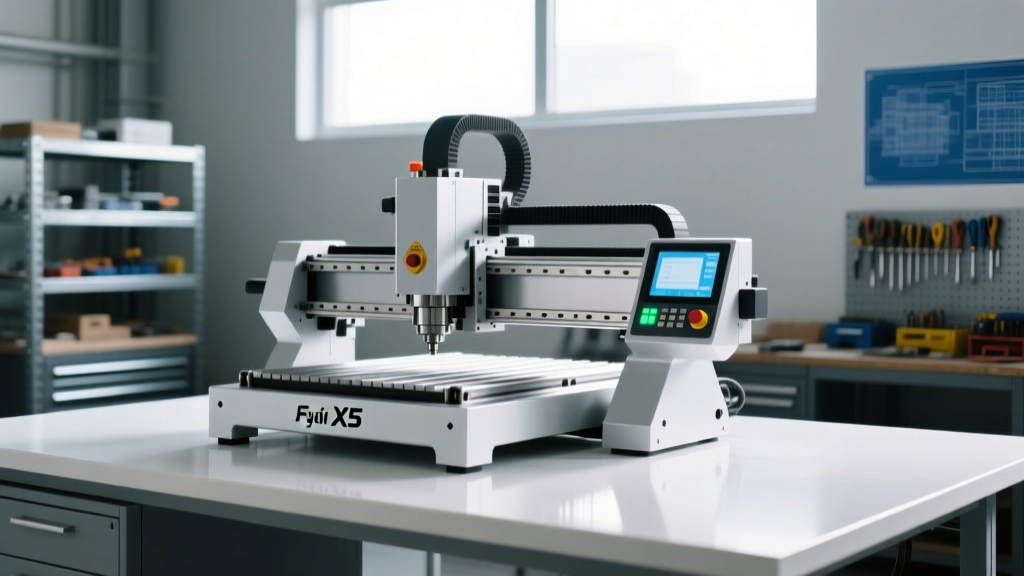
Desktop CNC machines have fundamentally shifted in-house prototyping, allowing engineering teams to iterate on 6061-T6 aluminum, Delrin, and brass without relying on external machine shops. However, the physical constraints of benchtop rigs—specifically spindle torque (often under 1.5 kW) and machine mass—dictate a completely different approach to tooling than full-scale vertical machining centers (VMCs). Choosing the correct CNC machine insert for a desktop mill is not about simply scaling down standard tooling; it requires selecting specialized micro-geometry inserts engineered for low cutting forces and high-RPM, low-torque spindles.
The Torque vs. Tooling Dilemma in Desktop Prototyping
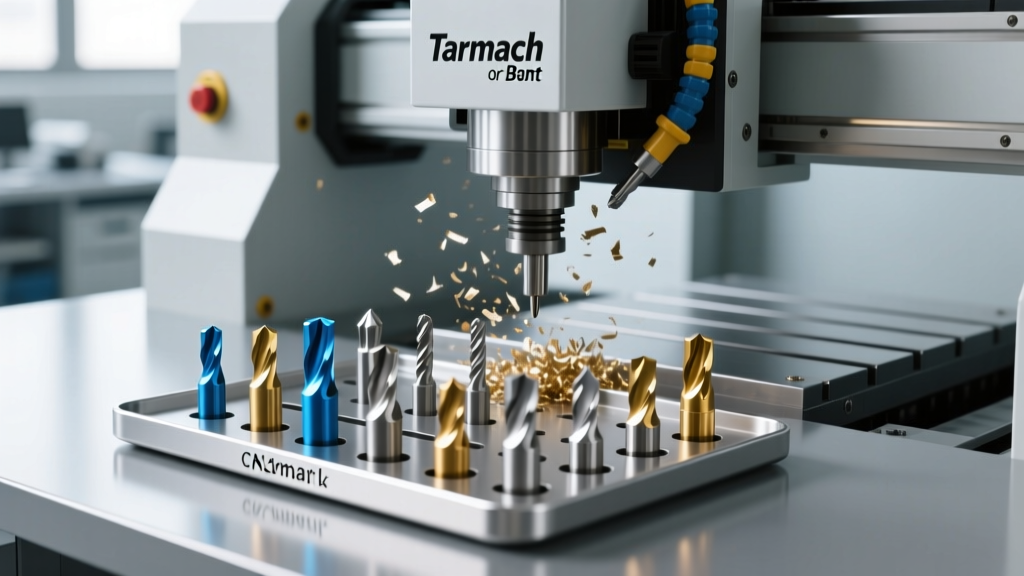
Standard indexable tooling is designed for rigid, high-horsepower machines. A typical CNMG120408 turning insert or APKT1604 milling insert requires cutting forces that will instantly stall a 0.5 HP desktop spindle or trigger a harmonic chatter loop that destroys the workpiece surface finish. When selecting a CNC machine insert for benchtop prototyping, the primary metric is not wear resistance, but cutting force reduction. You must prioritize inserts with high-positive rake angles (15° to 25°) and sharp, honed cutting edges to shear the material rather than plowing through it.
Critical Warning: Never use standard PVD-coated inserts designed for steel on a desktop CNC milling aluminum. The coating thickness (2-4 microns) dulls the cutting edge, increasing radial cutting forces by up to 40% and causing immediate spindle stall on low-torque benchtop rigs.Toolholder Constraints: The ER11 vs. TTS Bottleneck
The most overlooked factor when buying a CNC machine insert for desktop prototyping is toolholder compatibility. Indexable face mills and end mills require specific shank diameters, which frequently clash with desktop spindle tapers.
- ER11 Collet Systems (e.g., Bantam Tools, Inventables): ER11 collets max out at a 7mm (0.275") shank diameter. Standard 1/2" indexable toolholders will not fit. You must source specialized micro-shank indexable holders (often 6mm) or rely entirely on solid carbide end mills for larger profiles.
- ER16 Collet Systems (e.g., Snapmaker 2.0 CNC module): Accommodates up to 10mm shanks, allowing for smaller APKT1003 face mills but still restricting larger roughing tools.
- TTS (Tormach Tooling System) & R8 (e.g., Tormach PCNC 440): The TTS system accepts 1/2" and 3/4" shanks natively, making it the most versatile desktop platform for utilizing standard micro-indexable CNC machine inserts without collet interference.
2026 Desktop CNC Machine Benchmarks for Insert Tooling
Matching your insert geometry to your specific machine's spindle profile is critical for 2026 prototyping workflows. Below is a comparison of the leading benchtop rigs and their optimal insert pairings.
| Desktop CNC Model | Spindle Power | Max RPM | Collet / Tooling System | Recommended CNC Machine Insert Type |
|---|---|---|---|---|
| Tormach PCNC 440 | 0.75 HP (0.56 kW) | 10,000 | TTS / ER16 | APKT1003 (10mm) with 1/2" shank holder |
| Bantam Tools Desktop CNC | 0.25 HP (0.19 kW) | 20,000 | ER11 | CCMW060204 (6mm) micro-inserts or solid carbide |
| Pocket NC V2-50 (5-Axis) | 0.16 HP (0.12 kW) | 40,000 | ER11 | Solid Carbide Micro-Mills (Inserts not viable) |
Selecting the Ideal CNC Machine Insert by Material
Prototyping requires switching between materials rapidly. According to Sandvik Coromant's milling knowledge base, matching the insert substrate and geometry to the specific material shear strength is non-negotiable for benchtop success.
Aluminum 6061-T6 Prototyping
Aluminum is the standard for functional prototypes, but it is notorious for causing Built-Up Edge (BUE) on low-speed desktop mills.
The Fix: Use an uncoated, mirror-polished carbide insert (such as the H10F micro-grain equivalent). The APKT1003 geometry with a 20° positive rake angle slices through 6061-T6 cleanly. Run your desktop spindle at its maximum RPM (e.g., 8,000 - 10,000 RPM) with a feed rate of 15-20 IPM, and use a mist coolant system to clear chips from the low-flute-count toolpaths.
Delrin (POM) and Engineering Plastics
Plastics require extreme sharpness to prevent melting and burring. Standard honed edges will generate friction heat, causing the Delrin to melt and re-weld to the insert.
The Fix: Utilize CCMW060204 inserts ground specifically for non-ferrous and plastic materials. These feature a razor-sharp, un-honed cutting edge and a high-clearance angle (7° to 11°) to prevent the flank of the tool from rubbing against the elastic recovery of the plastic.
"In micro-machining and desktop prototyping, the rigidity of the machine is your limiting factor. You must let the tool geometry do the work that the machine's mass and torque cannot provide. High-positive rake inserts are not optional; they are mandatory for survival on a benchtop mill."
Troubleshooting Insert Failures on Benchtop Rigs
When your prototype surface finish degrades or the insert fails prematurely, use this diagnostic matrix to adjust your CNC machine insert setup:
Symptom: Severe Chatter / Harmonic VibrationCause: Low machine mass amplifies radial cutting forces.
Fix: Switch to a higher positive rake insert to reduce radial force by 30%. Reduce the radial depth of cut (ae) to 0.2mm and increase the feed rate slightly to maintain chip thickness. Symptom: Built-Up Edge (BUE) on Aluminum
Cause: Material adhesion due to low surface speeds and coated edges.
Fix: Discard coated inserts. Install an uncoated, polished carbide grade. Apply a high-pressure air blast or mist coolant directly to the cutting zone to evacuate chips instantly. Symptom: Insert Chipping at the Nose Radius
Cause: Desktop spindles lack low-end torque to push through interrupted cuts.
Fix: Increase the nose radius from 0.2mm to 0.4mm to distribute the point load across a larger surface area. Reduce the axial depth of cut (ap) to a maximum of 0.5mm per pass. Symptom: Premature Flank Wear on Brass (C360)
Cause: Abrasive zinc content in free-machining brass wearing standard grades.
Fix: Upgrade to a CVD-coated insert with a thick aluminum oxide (Al2O3) outer layer, which resists the abrasive nature of C360 brass at the high RPMs typical of desktop spindles.
Cost-Benefit Analysis: Indexable Inserts vs. Solid Carbide
While a CNC machine insert offers cost savings in high-volume production, desktop prototyping requires a nuanced economic approach. Solid carbide end mills (1/8" to 1/4" diameter) remain superior for profiling, 3D contouring, and features smaller than 0.5". Indexable inserts become economically and mechanically viable on desktop rigs strictly for facing operations, large pocket clearing, and chamfering on parts exceeding 2" x 2". A single APKT1003 face mill with two spare carbide inserts ($45 total initial investment) will outlast twenty $25 solid carbide roughing end mills when clearing large aluminum stock on a Tormach PCNC 440.
Final Procurement Checklist for 2026
Before ordering tooling for your desktop prototyping lab, verify the following specifications to ensure compatibility and optimal cutting performance:
- Verify Collet Capacity: Confirm your machine's maximum shank diameter (ER11 = 7mm, ER16 = 10mm, TTS = 1/2").
- Check Insert Shank Compatibility: Ensure the micro-insert holder shank matches your collet without requiring unauthorized shimming.
- Select Uncoated for Aluminum/Plastics: Order mirror-polished, high-positive rake substrates (e.g., ISO N-grade equivalents).
- Match Nose Radius to Machine Rigidity: Default to 0.4mm nose radii for benchtop mills to prevent chatter-induced chipping.
- Calculate True Surface Speed (SFM): Ensure your desktop spindle's max RPM can achieve at least 800 SFM for aluminum with your chosen insert diameter; if not, reduce the insert diameter to compensate.