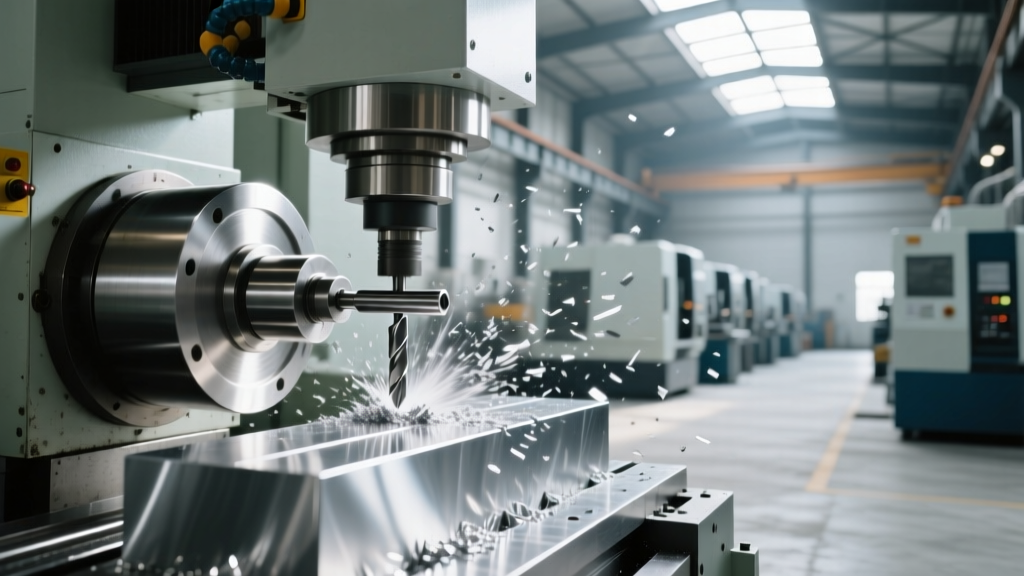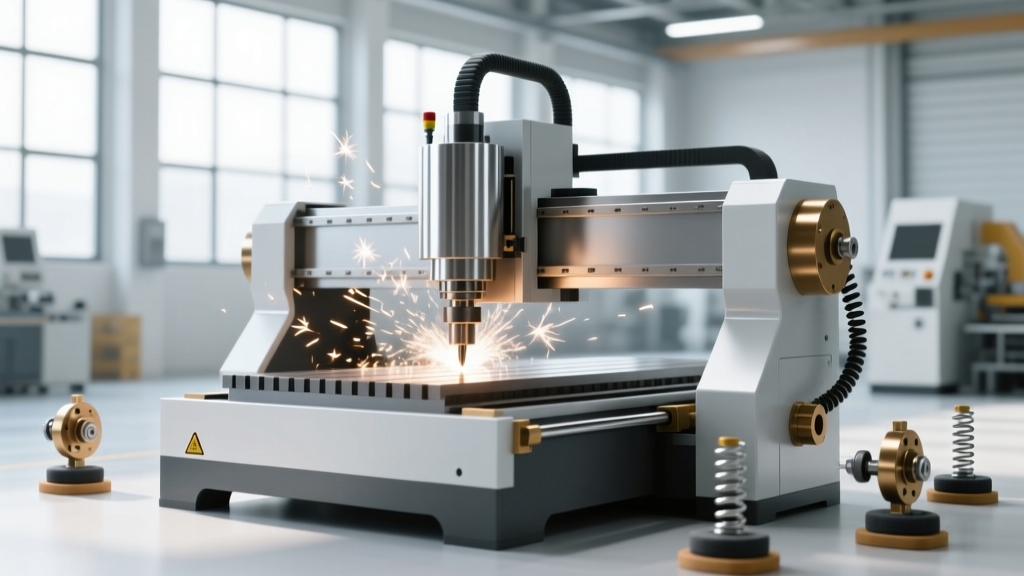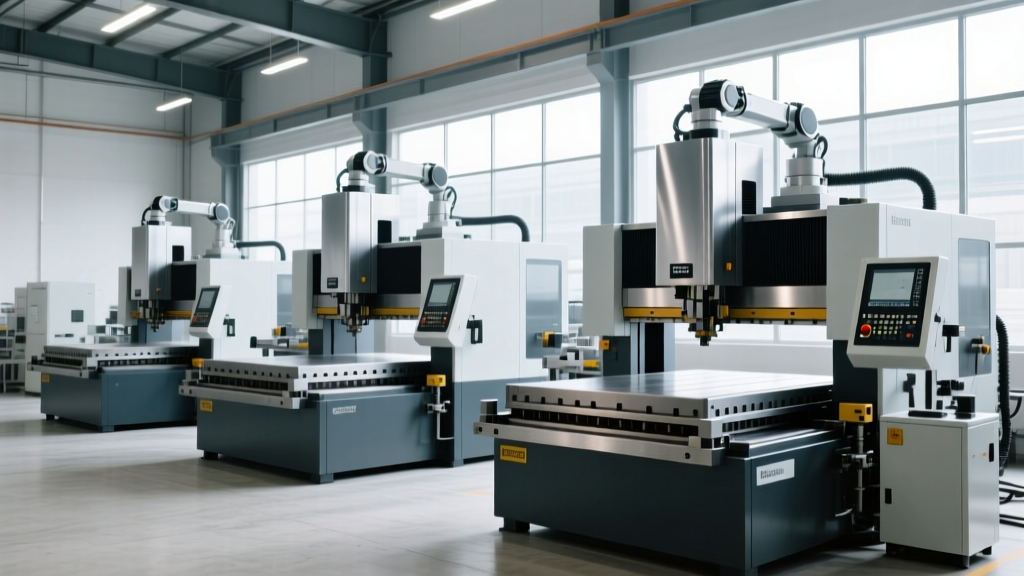
CNC Punching Machine Bed Size Comparison: Work Envelope Innovations
Compare CNC punching machine bed sizes and work envelope innovations. Explore repositioning tech, automation integration, and sizing frameworks for 2026.
The Evolution of the Punching Work Envelope
Historically, the capacity of a CNC punching machine was strictly dictated by its physical cast-iron bed. If you purchased a standard 4x8 machine, your maximum part size was rigidly capped at roughly 1250 x 2500 mm, minus the clamping dead zones. Today, that paradigm has completely fractured. Modern servo-electric and hydraulic punching platforms utilize dynamic repositioning, clamp-free tooling zones, and integrated material handling towers to decouple the physical bed size from the actual work envelope.
According to industry analysis from The Fabricator, the shift toward high-mix, high-volume manufacturing has forced OEMs to rethink machine footprints. Manufacturers are no longer just buying a bed; they are purchasing a continuous material flow cell. Understanding the difference between static bed dimensions and the dynamic work envelope is critical for calculating true cost-per-part and avoiding catastrophic clamp collisions during automated nesting.
Industry Insight: The physical X-axis is rarely the bottleneck in modern punching. The Y-axis (sheet depth) and the speed at which the material can be loaded, repositioned, and unloaded dictate the true throughput of the work envelope.Standard vs. Extended Bed Sizes: A Technical Comparison
When specifying a new CNC punching machine, fabricators typically choose between three primary bed form factors. The pricing below reflects 2026 market averages for fully equipped, mid-to-high tonnage (20 to 30 ton) servo-electric turret punches.
| Bed Classification | Nominal Dimensions (X/Y) | Max Sheet Weight | Typical Equipment Cost | Primary Application |
|---|---|---|---|---|
| Standard Format | 1250 x 2500 mm (4x8 ft) | 115 kg (250 lbs) | $160,000 - $220,000 | Job shops, electrical enclosures, HVAC components |
| Large Format | 1500 x 3000 mm (5x10 ft) | 150 kg (330 lbs) | $210,000 - $280,000 | Heavy equipment panels, architectural facades, large agricultural parts |
| Extended Y-Axis (Repositioning) | 1500 x 6000+ mm (5x20+ ft) | Variable (supported by rollers) | $280,000 - $350,000 (Base) | Rail transit components, long structural brackets, specialized extrusions |
While the large format 1500 x 3000 mm bed (such as those found on the Amada EM series) offers a 20% increase in X-axis width, the real financial impact lies in nesting density. A 5x10 bed allows CAD/CAM software to nest 35% more parts per sheet compared to a 4x8 bed, drastically reducing skeleton waste and material handling time per part.
Overcoming Y-Axis Limits: Repositioning and Clamp-Free Zones
The most significant innovation in CNC punching machine work envelopes is hydraulic sheet repositioning. On a standard 2500 mm Y-axis bed, punching a 3000 mm part would be impossible. Modern machines utilize dual repositioning cylinders that grip the sheet, release the main carriage clamps, move the sheet forward, and re-clamp it in milliseconds.
The Mechanics of Clamp-Free Punching
Early repositioning systems suffered from 'dead zones'—areas where the carriage clamps sat, preventing the turret from punching near the edge of the sheet. Modern platforms, like the TRUMPF TruPunch series, eliminate this through intelligent clamp retraction and brush-table support.
- Automatic Clamp Repositioning: The CNC controller dynamically moves the clamps to the optimal location based on the specific nesting program, avoiding tool paths entirely.
- Retractable Clamp Cylinders: For parts requiring edge-to-edge forming or punching, the clamps physically retract below the brush table surface, allowing the turret to strike the extreme edge of the sheet.
- Synchronized Roller Tables: For extended Y-axis parts exceeding 3000 mm, motorized roller tables synchronize with the repositioning clamps to support the sheet weight, preventing material sag that would otherwise cause Z-axis collision with the turret tooling.
Automation's Impact on the 'Effective' Work Envelope
A 1500 x 3000 mm bed is functionally useless if a forklift operator takes six minutes to load a heavy gauge steel sheet. In 2026, the 'effective work envelope' is defined by the integration of automated load/unload systems and storage towers.
'We stopped selling standalone punching machines five years ago. Today, the machine bed is just a waypoint in a continuous material loop. The work envelope now includes the raw material tower, the load station, the punch bed, the sorting station, and the skeleton shear.' — Senior Applications Engineer, European Fabrication Systems Integrator.
Load/Unload Systems and Sheet Sorting
Integrating a load/unload system (such as a STOPa tower or a sheet master) transforms the work envelope from a static surface into a dynamic sorting zone. Modern suction-cup loading gantries can pick a 150 kg sheet, orient it against mechanical alignment stops, and load it onto the punch bed in under 45 seconds.
On the unload side, automated sorting flaps and micro-joint breaking stations mean the work envelope extends to the finished part bins. When evaluating bed sizes, you must calculate the footprint of the automation cell. A standard 4x8 machine with a linear load/unload system requires roughly 12 x 8 meters of floor space, whereas a 5x10 machine with a compact tower system might require 14 x 10 meters.
Decision Framework: Sizing Your Next CNC Punching Machine
Selecting the correct bed size and work envelope configuration requires matching your specific production variables to the machine's physical and automated capabilities. Use the following matrix to guide your capital expenditure.
Scenario A: High-Mix Job Shop (Prototypes and Short Runs)
- Recommended Bed: 1250 x 2500 mm (Standard Format).
- Automation Level: Manual load with pneumatic sheet clamps; basic gravity chute for small part sorting.
- Why: Job shops frequently process varied material thicknesses and types. Manual loading allows operators to quickly swap off-cuts and remnant sheets without recalibrating automated suction cup arrays. The smaller bed reduces the machine's overall footprint and initial capital outlay, keeping hourly shop rates competitive.
Scenario B: High-Volume OEM Production (Enclosures and Panels)
- Recommended Bed: 1500 x 3000 mm (Large Format) with Integrated Tower.
- Automation Level: Fully automated load/unload with suction cup sorting and skeleton shearing.
- Why: Processing standard 5x10 sheets maximizes nesting efficiency for medium-sized panels. The automated tower enables 'lights-out' manufacturing, where the machine pulls raw material, processes the envelope, sorts finished parts, and shears the skeleton unattended for up to 8 hours.
Scenario C: Specialty Long-Form Parts (HVAC Ducting, Rail, Aerospace)
- Recommended Bed: 1500 x 2500 mm base with Extended Y-Axis Repositioning and Roller Support.
- Automation Level: Custom gantry load with specialized side-support tables.
- Why: Standard beds cannot accommodate 4000 mm+ structural brackets. By utilizing repositioning technology, you avoid the massive capital expense of a custom-built 5x20 bed while maintaining the high hit-rates of a standard turret punch. Ensure your CAM software supports multi-zone repositioning to maintain tolerances across the extended Y-axis.
Final Considerations for Floor Planning
When finalizing your CNC punching machine purchase, do not rely solely on the manufacturer's stated bed dimensions. Request a detailed 3D floor plan that includes the full sweep of the automation gantries, the clearance required for maintenance access to the turret, and the swing radius of the repositioning clamps. The true work envelope is a three-dimensional volume that includes material ingress, processing, and part egress. Optimizing this volume is the single most effective way to reduce cost-per-part in modern sheet metal fabrication.