Beyond the Basic CNC Meaning: Machine Dust & Chip Schedules
Master CNC machine dust collection and chip conveyor maintenance schedules. Learn exact service intervals, pressure metrics, and cost-saving frameworks.
The Operational CNC Meaning: Machine Survival via Particulate Control
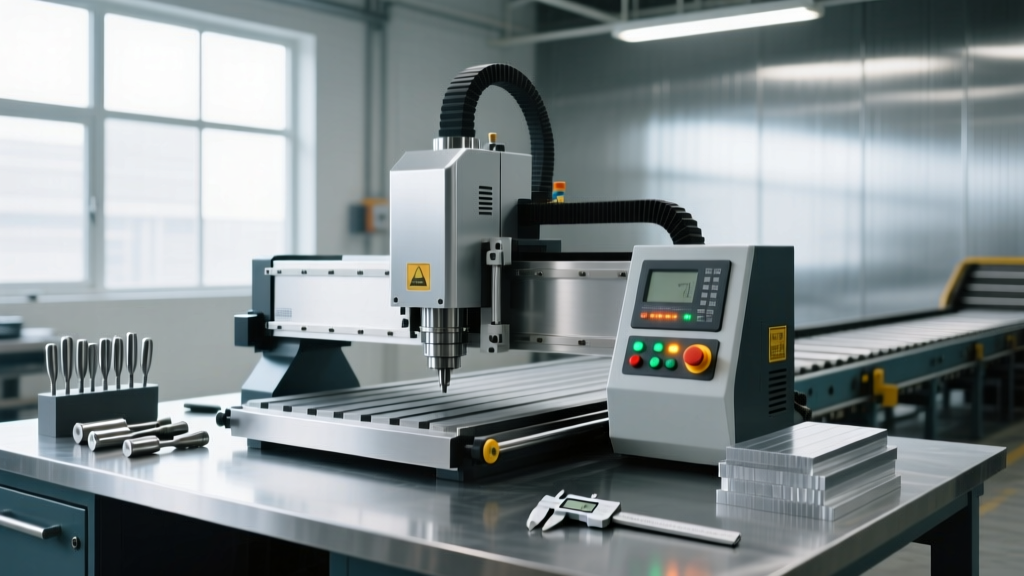
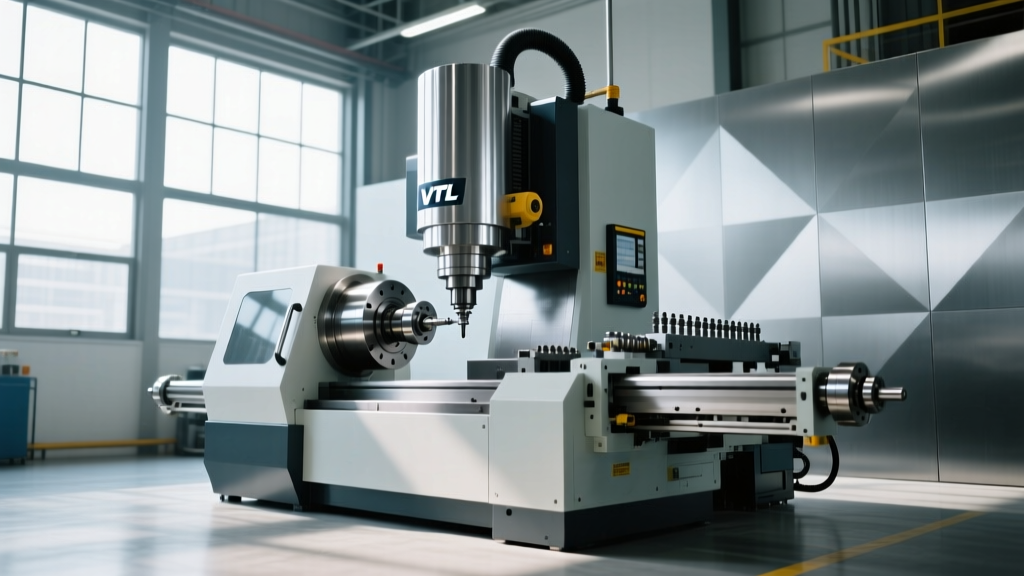
If you search for the literal CNC meaning, machine automation is the standard textbook answer. But the practical CNC meaning machine shops live by on the floor is absolute environmental control. Computer Numerical Control systems are only as reliable as their physical seals, way covers, and filtration networks. In modern high-speed machining environments, abrasive metallic dust, stringy aluminum chips, and aerosolized metalworking fluids (MWFs) are the primary catalysts for catastrophic mechanical failure.
According to OSHA's Metalworking Fluids guidelines, improper management of MWF mists and particulate not only degrades machine tolerances but introduces severe respiratory hazards to operators. Maintaining the dust collection and chip management infrastructure is not a secondary janitorial task; it is a critical, scheduled maintenance discipline that directly dictates spindle longevity and ball screw accuracy. This guide establishes the exact service intervals, diagnostic metrics, and 2026 cost-benefit frameworks required to keep your particulate management systems operational.
Chip Conveyor Maintenance: Hinge Belt vs. Auger Systems
Chip conveyors are the first line of defense against workpiece material accumulating in the machine sump, which can lead to coolant starvation and pump cavitation. The maintenance profile differs drastically depending on the conveyor architecture deployed by your OEM.
Hinge Belt Conveyors (e.g., Mayfran, Hennig)
Hinge belt systems excel at moving long, stringy chips (common in steel and titanium milling) but are highly susceptible to jamming if fine, powdery chips (like cast iron or graphite) infiltrate the hinge pins. As of 2026, standard maintenance protocols require the following:
- Daily: Visually inspect the discharge chute for chip bridging. Verify the coolant return screen is free of fine particulate buildup.
- Weekly: Check belt tracking and tension. A properly tensioned hinge belt should exhibit exactly 1/4-inch of vertical deflection at the midpoint of the return span. Adjust the take-up bearings symmetrically to prevent edge wear.
- Monthly: Grease the drive and tail shaft bearings using an NLGI Grade 2 lithium-complex grease. Avoid over-greasing, which forces seals to blow out and allows coolant ingress into the bearing housing.
- Annually: Inspect the cleats and wipers. Replace polyurethane wiper blades if they show more than 1mm of edge degradation.
Auger (Screw) Conveyors
Auger conveyors are typically reserved for fine, brittle chips (aluminum, brass, cast iron). They lack the moving hinges of a belt system but rely on tight clearances between the auger flighting and the trough housing.
- Weekly: Verify the shear pin or torque limiter on the drive motor. Never replace a broken shear pin with a higher-grade steel bolt. Use the exact OEM-specified Grade 2 steel pin; otherwise, a jam will transfer the torque spike directly into the gearmotor, resulting in a $2,500 replacement cost.
- Bi-Annually: Measure the clearance between the auger flighting and the trough. If wear exceeds 0.060 inches, fine chips will pack into the gap, increasing motor amperage draw and eventually stalling the system.
Dust and Mist Collector Service Schedules
Enclosed CNC machining centers generate massive volumes of oil mist and sub-micron metallic dust. Modern mist collectors (such as those from Losma or Donaldson Torit) utilize multi-stage filtration, typically starting with a centrifugal pre-separator, followed by a primary nanofiber or MERV 15 bag filter, and finishing with a HEPA secondary stage.
The Differential Pressure (DP) Baseline
The single most critical metric for dust collector maintenance is Differential Pressure (DP), measured in inches of water gauge ("wg). Relying on a calendar-based filter change schedule is inefficient and risks premature filter disposal or dangerous overloading.
| Filter Media Type | Clean DP Baseline | Pulse-Cleaning Target | Mandatory Changeout DP |
|---|---|---|---|
| Cellulose/Polyester Blend | 2.0" - 2.5" wg | 3.5" wg | 5.0" wg |
| Nanofiber (Surface Loading) | 1.5" - 2.0" wg | 2.5" wg | 4.0" wg |
| HEPA (Secondary Stage) | 0.8" - 1.2" wg | N/A (No Pulse) | 2.5" wg |
The 4-Point Pulse-Jet Diagnostic
For collectors utilizing reverse-pulse jet cleaning, maintenance technicians must perform this diagnostic every 90 days to ensure the nanofiber media is actually being cleaned:
- Compressed Air Quality: Verify the air supply meets ISO 8573-1 Class 4 for moisture. Wet air will blind nanofiber filters instantly. Check the inline desiccant dryer and drain the moisture trap.
- Regulator Pressure: Ensure the pulse manifold is receiving exactly 90 to 110 PSI. Pressures below 80 PSI fail to dislodge the dust cake; pressures above 120 PSI will rupture the filter media seams.
- Solenoid Valves: Listen to the pulse sequence. Each solenoid should produce a sharp, distinct 'crack'. A muffled sound indicates a torn diaphragm inside the valve, requiring an immediate $45 rebuild kit installation.
- Blow Tubes: Inspect the alignment of the blow tubes. The centerline of the air jets must align perfectly with the venturi cones at the top of the filter cartridges. A misalignment of just 1/8-inch reduces cleaning efficiency by 50%.
Way Cover Wipers and Seal Integrity
Dust collection is useless if the machine's internal seals fail. The telescoping steel way covers protect the linear guideways and ball screws from the very chips the conveyor is meant to remove. The wiper blades attached to these covers are the final physical barrier.
Historically, shops used standard nitrile rubber wipers. However, with the 2026 industry shift toward advanced semi-synthetic and synthetic coolants (which contain aggressive ester-based lubricity additives), nitrile degrades, swells, and loses its scraping edge within 90 days. Actionable directive: Audit your way cover wipers and upgrade to cast polyurethane (PU) profiles. Polyurethane resists ester-based coolant degradation and maintains a rigid scraping edge against fine graphite and cast iron dust. Inspect these wipers monthly; if you can slide a 0.005-inch feeler gauge between the wiper lip and the steel cover, the seal is compromised and particulate is entering the way system.
Financial Impact Matrix: The Cost of Deferred Maintenance
Deferring dust and chip management maintenance is a false economy. The NIOSH criteria for MWF exposure highlights the health costs, but the mechanical costs of particulate ingress are equally devastating to a shop's bottom line. Below is a financial matrix illustrating the 2026 replacement costs associated with neglected environmental controls.
| Component at Risk | Failure Mode via Particulate | Preventative Maintenance Cost | Catastrophic Replacement Cost |
|---|---|---|---|
| Spindle Assembly | Abrasive dust bypasses air purge, scoring ceramic bearings. | $150/year (Filter changes) | $14,000 - $22,000 |
| Ball Screw & Nut | Cast iron dust mixes with grease, lapping the recirculation tubes. | $80/year (PU Wipers) | $5,500 - $8,500 |
| Coolant Pump | Chip accumulation in sump causes dry-running and cavitation. | $0 (Weekly sump checks) | $1,200 - $2,800 |
| Linear Guideways | Micro-chips dent the rail raceway, causing carriage binding. | $120/year (Way cover seals) | $3,000 - $6,000 per axis |
Annual Overhaul Protocol
Every facility must schedule a mandatory 8-hour annual shutdown specifically for the particulate management infrastructure. This is not a quick wipe-down. The annual protocol must include:
- Complete Sump Evacuation: Pump out all coolant and physically shovel out the compacted fine sludge at the bottom of the sump. This sludge harbors anaerobic bacteria that produce hydrogen sulfide gas and degrade the coolant's rust inhibitors.
- Ductwork Inspection: Open the inspection doors on the main dust collection trunk lines. Use a boroscope to check for horizontal dust accumulation. If dust buildup exceeds 1/4-inch on horizontal runs, the system's transport velocity has dropped below the required 4,000 FPM (feet per minute) for metallic dust, indicating a failing blower motor or severe duct leakage.
- Coolant Refractometer Calibration: Recalibrate all optical refractometers using distilled water and a known reference fluid. Accurate concentration tracking (maintaining 6-8% for synthetics) is vital; overly rich coolant creates excessive foam in the mist collector, blinding the primary filters prematurely.
By treating dust collection and chip management as a precision maintenance discipline rather than an afterthought, shops secure their machine tolerances, protect their operators, and avoid the crippling capital expenditures of premature component failure.