Troubleshooting Enclosures and Coolant in CNC Machine Projects
Fix coolant leaks, mist containment, and enclosure seal failures in custom CNC machine projects. Expert troubleshooting steps and repair costs.
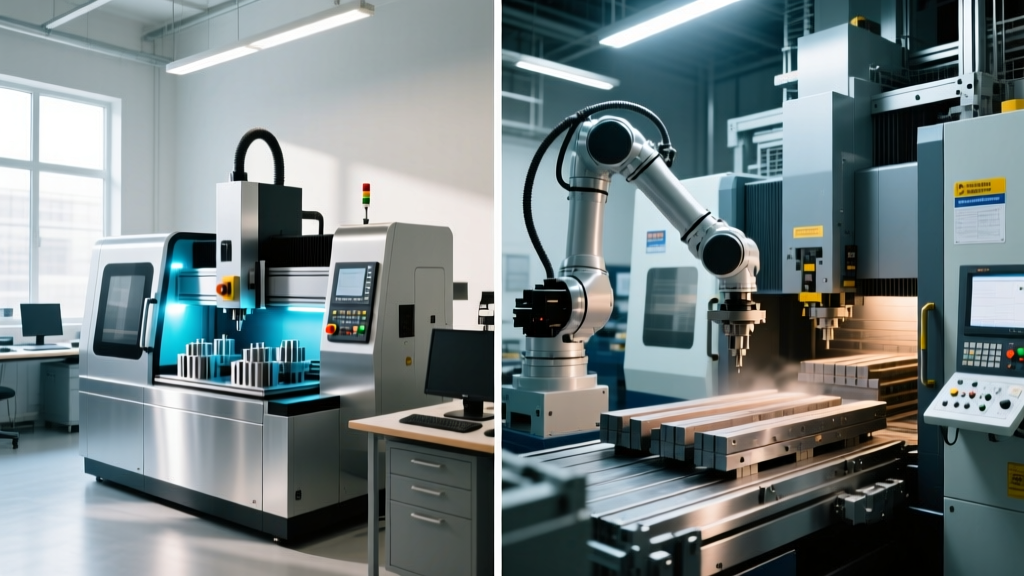
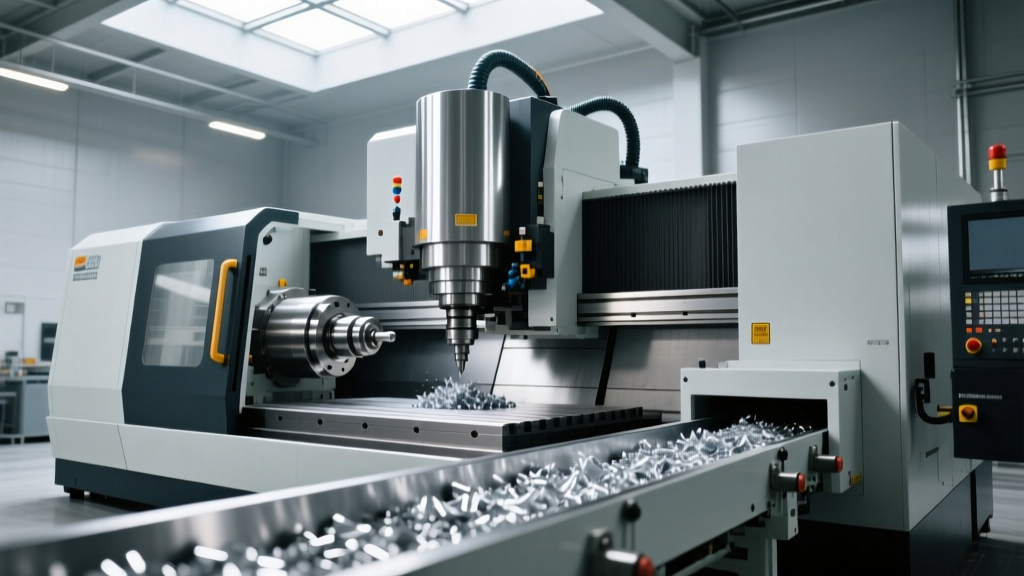
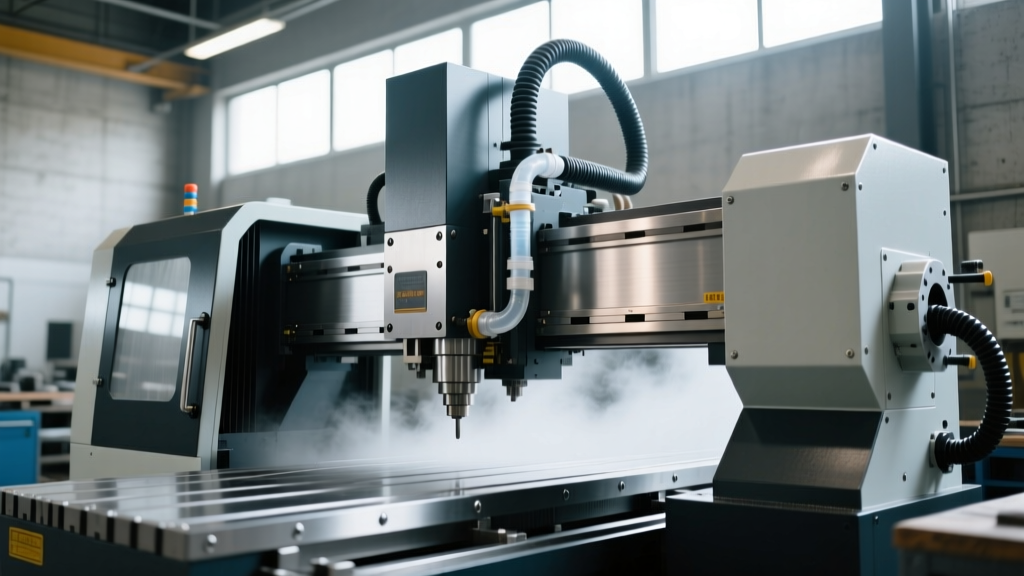
When executing custom CNC machine projects, the cutting tool and spindle get all the attention, but the enclosure and coolant delivery systems dictate whether the machine survives its first year of operation. Coolant leaks destroy control pendants, while failed enclosure seals allow hazardous aerosolized mist to escape into the shop environment. According to the National Institute for Occupational Safety and Health (NIOSH), prolonged exposure to metalworking fluid (MWF) mist causes severe respiratory and dermatological conditions, making enclosure integrity a critical safety and operational priority.
This guide provides advanced troubleshooting frameworks for diagnosing and repairing the most common fluid containment and delivery failures encountered in custom and retrofitted CNC builds.
Rapid Diagnostic Matrix: Fluid & Enclosure Failures
Use this decision matrix to isolate the root cause of your containment or delivery issue before ordering replacement parts.
| Symptom | Probable Root Cause | Immediate Action & Fix |
|---|---|---|
| Pump whines, low pressure at nozzle | Suction line cavitation or clogged impeller | Upsize suction tubing to 3/4" ID; clean impeller housing. |
| Acrylic/polycarbonate window cracking | Amine-induced stress crazing from synthetic coolant | Replace with 1/4" PETG or hard-coated polycarbonate. |
| "Monday Morning" rotten egg smell | Anaerobic bacteria from tramp oil layer | Install a belt skimmer; shock treat with biocide. |
| Mist escaping door seams | Degraded bulb seals or negative pressure failure | Replace EPDM bulb seals; verify exhaust CFM balance. |
| Swarf under linear guide blocks | Torn polyurethane way cover wiper lips | Upgrade to Viton wipers; replace telescopic cover. |
Coolant Delivery & Concentration Troubleshooting
In custom CNC machine projects, builders frequently undersize plumbing or misinterpret concentration readings, leading to premature pump failure and tool wear.
Refractometer Multipliers and Concentration Drift
A common mistake is assuming a refractometer Brix reading equals the actual coolant concentration. Every fluid has a specific multiplier. For example, if you are running Master Chemical TRIM E709, the refractometer multiplier is 1.4. A Brix reading of 5.0% actually indicates a 7.0% concentration. Running a semi-synthetic fluid below its minimum 5% actual concentration threshold compromises the passivation layer on bare cast iron machine bases, leading to flash rusting within 48 hours. Always verify the manufacturer's specific multiplier and calibrate your refractometer with distilled water weekly.
Pump Cavitation and Plumbing Sizing
If your 15 GPM centrifugal pump (such as the March Pumps 8093 series) is whining or surging, you are experiencing cavitation. This occurs when the fluid vaporizes in the low-pressure zone of the impeller due to suction restriction. In DIY CNC enclosures, builders often use 1/2-inch ID vinyl tubing for the suction line to save space. This creates excessive friction head loss. Replace the suction line with 3/4-inch ID wire-reinforced polyurethane tubing. Ensure the suction strainer is rated for at least 2x the pump's maximum flow rate (e.g., a 30 GPM strainer for a 15 GPM pump) to prevent vacuum lock as the filter loads with fine aluminum or cast iron particulate.
Warning: Tramp Oil and Anaerobic BacteriaWay lube inevitably leaks into the coolant sump, floating to the top and creating an oxygen barrier. This breeds anaerobic bacteria, which produce hydrogen sulfide (the "Monday morning" smell) and drop the fluid pH below 8.0, accelerating machine corrosion. Install an Abanaki belt skimmer (approx. $850-$1,100) running on a 24-hour timer to continuously remove the tramp oil layer before it emulsifies.
Enclosure Window Material Failures
Visibility into the cutting zone is mandatory for custom CNC machine projects, but selecting the wrong transparent material results in catastrophic failure. Standard uncoated polycarbonate (Lexan) suffers from amine-induced stress crazing when exposed to synthetic coolants. Synthetic fluids rely on alkanolamines (like monoethanolamine) for pH buffering, which act as aggressive solvents on polycarbonate. When combined with the mechanical stress of mounting bolts, the window will develop a spiderweb of micro-cracks and shatter under spindle vibration.
Material Selection Framework
- PETG (Glycol-modified Polyethylene Terephthalate): The optimal choice for most custom enclosures. It offers superior chemical resistance to alkanolamines and costs roughly 30% less than coated polycarbonate. Use 1/4-inch (6mm) thickness for benchtop routers and 3/8-inch (10mm) for vertical machining center (VMC) retrofits.
- Hard-Coated Polycarbonate: If impact resistance from heavy cast iron chips is required, specify polycarbonate with a Mar-Gard or similar proprietary hard coating. The coating seals the surface from amine penetration. Expect to pay $180-$250 per 4x8 foot sheet.
- Acrylic (Plexiglas): Avoid entirely. Acrylic offers excellent chemical resistance but lacks the impact strength to contain a broken carbide endmill ejected at 12,000 RPM.
Way Cover and Seal Degradation
Telescopic steel way covers protect precision linear guideways (such as THK SHS25 or Hiwin HGH25 blocks) from abrasive swarf. The primary failure point is the wiper lip at the front of each cover segment. Original equipment manufacturers often use Nitrile (Buna-N) or standard polyurethane wipers to cut costs.
The Viton Upgrade
Nitrile wipers swell, soften, and degrade rapidly when exposed to extreme pressure (EP) cutting fluid additives containing sulfur or chlorine. Once the wiper tears, abrasive nodular cast iron dust infiltrates the linear guide carriage, destroying the recirculating ball bearings. When rebuilding way covers for custom CNC machine projects, upgrade the wiper lips to Fluorocarbon (Viton). Viton wipers cost roughly $65 to $95 per block but will survive 5+ years in EP-heavy semi-synthetic fluids without swelling. Ensure the wiper mounting screws are sealed with Loctite 567 (high-temperature, oil-resistant thread sealant) to prevent coolant from wicking through the screw threads into the guide block.
Safety Interlock Retrofitting
The Occupational Safety and Health Administration (OSHA) strictly regulates exposure limits to metalworking fluids, and modern safety standards require enclosure doors to be interlocked with the spindle drive. If you are retrofitting an older machine or building a custom enclosure, standard magnetic reed switches are insufficient; they can be easily defeated with a shop magnet and fail to meet ISO 13849-1 Category 3 requirements for safety interlocks.
Specify RFID-coded, non-contact safety switches like the Omron D4N series or Allen-Bradley 440N-Z21. These units feature diagnostic LEDs to indicate misalignment and cannot be bypassed with external magnets. Mount the actuator on the door and the sensor on the enclosure frame using neoprene isolation gaskets to prevent the heavy door slam from transferring shock loads into the sensor housing, which is a leading cause of premature microswitch failure in high-vibration CNC environments.
"The integrity of a CNC enclosure is not just about keeping the shop floor dry; it is a critical barrier against aerosolized carcinogens. Compromised seals and incorrect window materials turn a precision machine into a localized health hazard." — NIOSH Criteria for a Recommended Standard: Occupational Exposure to Metalworking Fluids
Final Verification Protocol
After executing repairs on your CNC machine projects enclosure and coolant system, perform a 30-minute "dry run" mist test. Run the coolant pump and spindle at maximum RPM with the doors closed. Inspect the exterior seams with a bright LED inspection light. Any micro-misting indicates a need for higher-durometer bulb seals (switch from 40A to 60A Shore hardness) or an adjustment to the enclosure's negative-pressure exhaust fan to ensure inward airflow velocity exceeds 100 feet per minute at the door gaps.