Why the Exact CNC Machine Name Dictates ATC Safety Compliance
Discover why the exact CNC machine name is critical for ATC safety compliance, ISO 13849-1 interlocks, and avoiding OSHA fines in 2026.
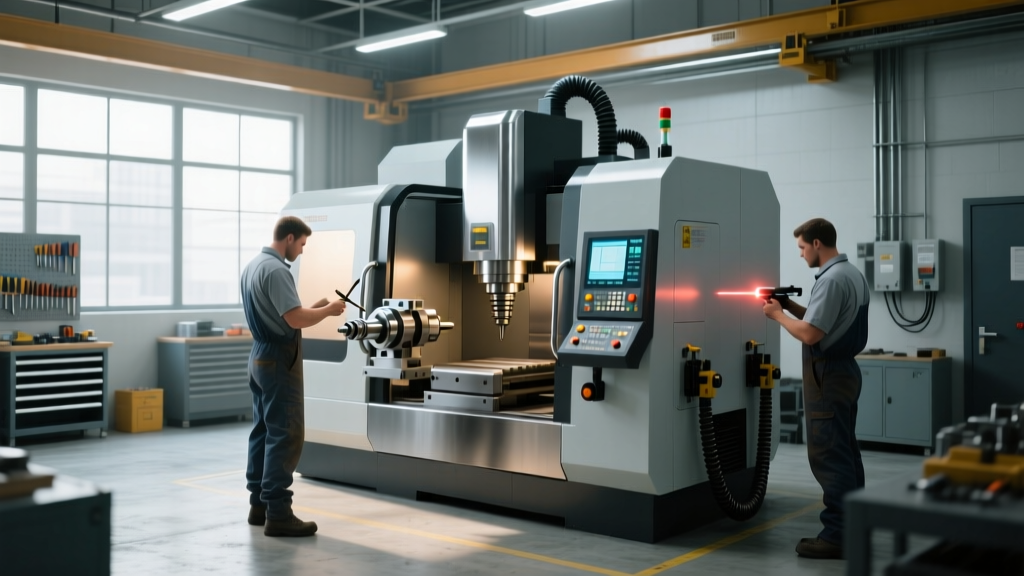
Automatic Tool Changers (ATCs) represent one of the most severe mechanical hazards on the modern shop floor. Combining high-speed carousel rotations, heavy cutting tool payloads, and high-pressure pneumatic clamping, ATCs generate immense kinetic energy and severe crush points. Ensuring operator safety and regulatory compliance is not as simple as bolting on a polycarbonate guard; it requires matching the safety control architecture to the exact OEM specifications. This critical process always begins with identifying the physical cnc machine name and serial number plate.
⚠️ Compliance Warning: Never authorize an ATC safety retrofit based solely on the CNC control model (e.g., "Fanuc 0i-F Plus" or "Siemens Sinumerik 840D"). The control unit does not dictate the mechanical safety interlocks or pneumatic dump valves. You must cross-reference the specific cnc machine name to ensure the safety PLC matches the OEM's designated Performance Level (PL) requirements.The Role of the CNC Machine Name in Safety Architectures
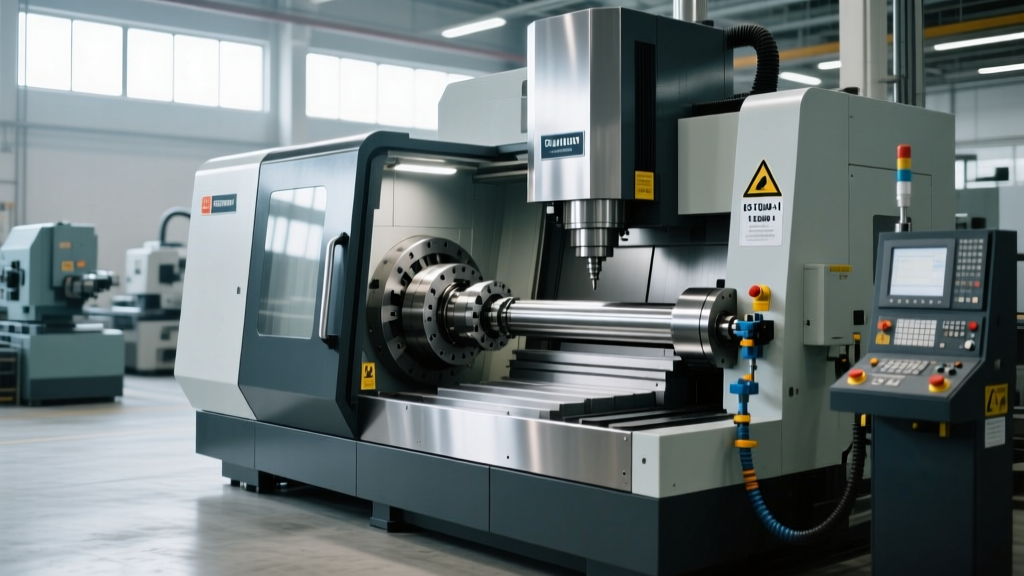
When safety engineers design guarding for a machining center, the cnc machine name plate provides the foundational data required to source compliant components. For example, a Mazak VCN-530C utilizes a specific dual-channel RFID safety interlock on its tool magazine door, integrated directly into the machine's safety relay circuit. In contrast, a Haas VF-2SS relies on a trapped-key interlock system tied to the carousel brake.
If a maintenance team ignores the cnc machine name plate and attempts to install a "universal" magnetic safety switch on the ATC door, they immediately violate ANSI B11.230 (Safety Requirements for Machining Centers). Magnetic switches are easily defeated with a simple magnet, failing the defeat-resistance requirements mandated for high-risk automated zones. Furthermore, the cnc machine name dictates the exact pneumatic pressure ratings and electrical control voltages (typically 24VDC for safety circuits) required to trigger a Category 0 or Category 1 safe stop when the ATC door is breached.
ATC Safety Requirements Matrix by Machine Class
| Machine Class (per Nameplate) | Typical ATC Configuration | ISO 13849-1 Required PLr | Mandated Interlock Type |
|---|---|---|---|
| Standard VMC (e.g., Haas VF-2) | 20-24 Tool Umbrella / Side-Mount | PL c / Category 2 | RFID Coded or Trapped-Key |
| High-Speed VMC (e.g., DMG MORI CMX 600V) | 30+ Tool Disc / High-Speed Arm | PL d / Category 3 | Dual-Channel RFID with Guard Locking |
| HMC (e.g., Makino a61nx) | 60+ Tool Chain-Type Magazine | PL d or PL e / Category 4 | Heavy-Duty Guard Lock + Servo Brake Monitor |
| 5-Axis Trunnion (e.g., Mazak VARIAXIS i-700) | 40+ Tool Matrix / Side Magazine | PL d / Category 3 | RFID Interlock + Light Curtain for Loading |
Decoding ISO 13849-1 for Tool Change Systems
The global benchmark for machinery safety control systems is ISO 13849-1. This standard requires manufacturers to assign a Required Performance Level (PLr) based on the severity of injury, frequency of exposure, and the possibility of avoiding the hazard. ATCs inherently score high on severity (crushing/amputation) and frequency (operators interact with the tool magazine multiple times per shift).
For heavy Horizontal Machining Centers (HMCs) with chain-type magazines holding 60 to 120 tools, the kinetic energy of the moving chain is massive. If the carousel drifts due to gravity while an operator is loading a heavy face mill, the result is fatal. Therefore, the safety architecture tied to the cnc machine name for these HMCs must achieve PL d or PL e. This requires dual-channel safety relays (such as the Pilz PNOZ m B1, costing approximately $3,200) and monitored servo brakes that physically lock the magazine drive shaft when the door is opened.
Real-World Failure Modes in Non-Compliant ATCs
When shops bypass OEM safety designs or fail to maintain the specific components listed under the cnc machine name's service manual, several catastrophic edge cases emerge:
- Pneumatic Dump Failure: ATCs use high-pressure air (typically 85-100 PSI) to unclamp the drawbar. If a non-compliant machine loses air pressure, the retention knob can release, dropping a 15 lb tool assembly onto the table or operator. ANSI B11 mandates mechanical check-valves and monitored pressure switches that trigger an immediate E-Stop if pressure drops below 60 PSI.
- Carousel Drift on Vertical Axes: On vertical disc-type ATCs, the weight of the tools on one side of the disc creates an imbalance. Without a compliant, electrically monitored mechanical brake (verified via the machine's specific wiring schematic), the disc will rotate under gravity when the servo is disabled, creating a severe shear hazard at the door opening.
- RFID Defeat via Metal Shards: Using cheap, non-OEM magnetic switches instead of the specified RFID sensors (like the Schmersal AZM400, ~$750 per unit) allows operators to tape a magnet to the switch, bypassing the guard lock while the machine is in automatic cycle—a direct violation of OSHA 1910.212 general machine guarding requirements.
4-Step ATC Compliance Audit Protocol
To ensure your machining center's tool changing system meets 2026 safety standards, execute this audit protocol:
- Identify and Record: Locate the physical cnc machine name plate and record the exact model, serial number, and year of manufacture. Photograph the plate and the existing ATC interlock switches.
- Schematic Verification: Request the electrical safety schematic from the OEM using the serial number. Verify that the physical wiring of the dual-channel safety relays matches the diagram. Look for forced-guided relay contacts that monitor the ATC door state.
- Measure Stopping Time: Use a specialized safety measurement tool (e.g., Pilz PSENvip) to measure the ATC carousel's stopping time from the moment the interlock is triggered. Compare this against the safety distance calculation required if operators can reach through the guard opening.
- Test the Guard Locking Mechanism: Attempt to open the ATC door while the carousel is in motion. A compliant system must physically lock the door via a solenoid or spring-loaded mechanism until the carousel has achieved a zero-speed state, verified by a safe-motion monitoring module.
The Financial Reality of ATC Compliance
Cutting corners on ATC safety interlocks to save money is a mathematically unsound strategy. In 2026, OSHA's maximum penalty for a willful or repeated machine guarding violation stands at $16,532 per instance. If an operator suffers an amputation due to a defeated ATC interlock, the resulting fines, workers' compensation claims, and potential civil litigation routinely exceed $250,000.
Conversely, upgrading an older machine to modern compliance standards is a predictable capital expense. Retrofitting a legacy VMC with a compliant safety PLC ($3,500), dual-channel RFID interlocks ($1,500), and monitored pneumatic dump valves ($800) typically costs between $6,000 and $8,500, including integration labor. This investment not only ensures regulatory compliance but also reduces unplanned downtime caused by faulty, non-monitored limit switches.
"The most common mistake we see in job shops is treating the ATC as an accessory rather than a primary hazard zone. The moment you ignore the OEM's cnc machine name plate and wire a standard limit switch to a safety relay, you have invalidated the machine's CE or UL certification and assumed full liability for the control architecture."
— Lead Safety Automation Engineer, Tier-1 Aerospace Manufacturer
Frequently Asked Questions
Can I bypass the ATC door interlock for setup and tool loading?
Yes, but only through a compliant "Setup Mode" or "Teach Mode" function defined by the machine's safety PLC. This mode requires a separate, hardwired enabling switch (a three-position deadman switch) that the operator must physically hold. Bypassing the interlock via software parameters or physical jumpers is a severe OSHA violation and strips the machine of its safety certification.
Does the CNC machine name affect the required guarding material?
Absolutely. The cnc machine name and model dictate the machine's maximum spindle speed and the mass of the tools it holds. High-speed machining centers capable of 20,000+ RPM require polycarbonate guards of specific thicknesses (often 10mm to 15mm) to contain a shattered tool or broken retention knob. Standard acrylic or PETG will shatter upon impact and is strictly prohibited for ATC guarding on high-energy machines.
How often must ATC safety interlocks be tested?
Under ISO 13849-1 and general industry best practices, safety interlocks on automated tool changers must be functionally tested at the start of every shift. This involves opening the door to verify the carousel stops immediately and attempting to open the door while the machine is in an automatic cycle to verify the physical guard lock engages. Results should be logged in the machine's maintenance management system (CMMS).