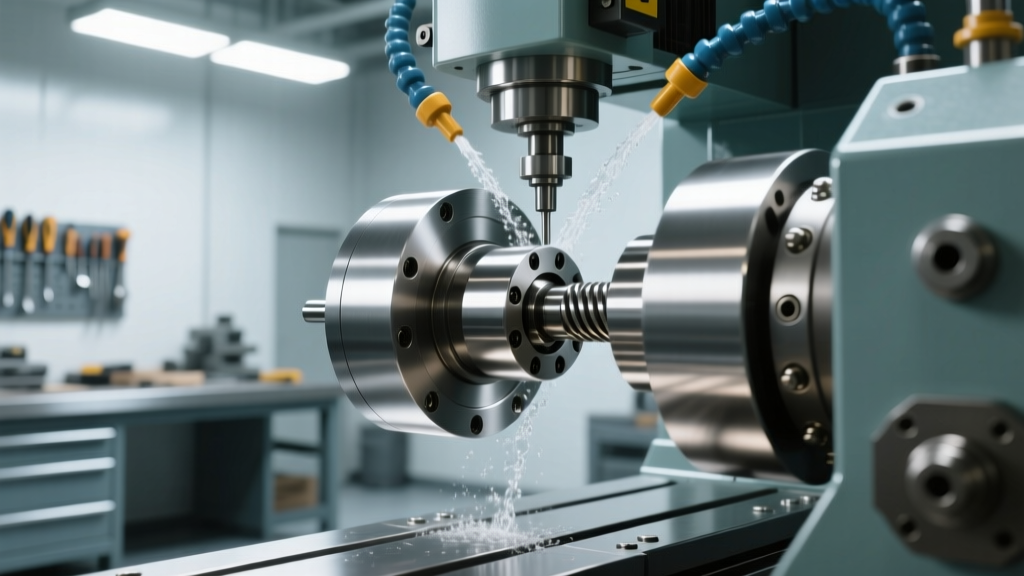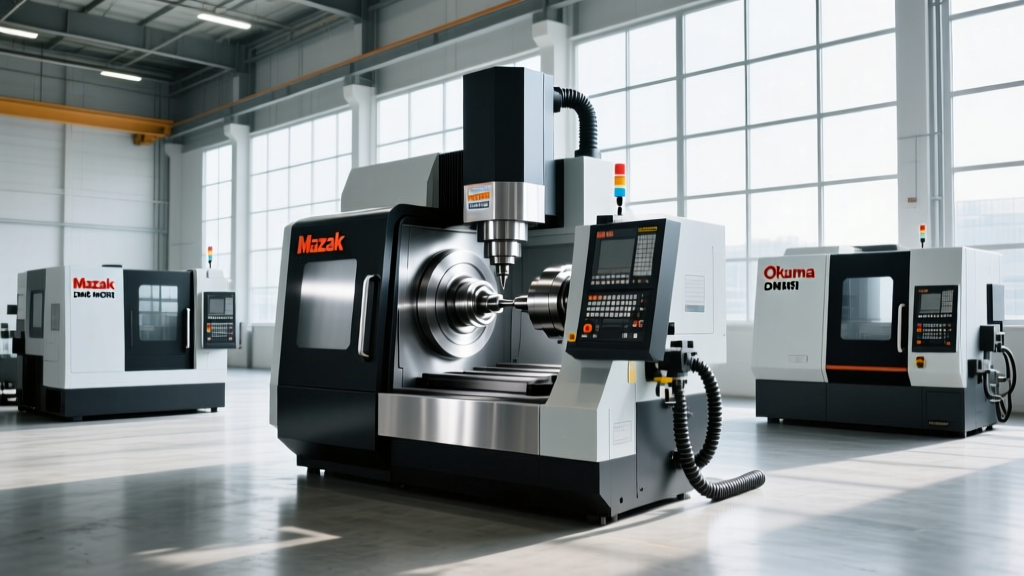
ATC Safety: Managing CNC Machine Materials During Tool Changes
Explore ATC safety standards, LOTO procedures, and compliance requirements when handling diverse CNC machine materials and heavy tooling in machining centers.
The Hidden Hazards: How CNC Machine Materials Dictate ATC Stress
Automatic Tool Changers (ATCs) are high-speed robotic mechanisms operating within the most hazardous zones of a machining center. While safety protocols often focus on spindle rotation and axis movement, the intersection of ATC mechanics and the specific cnc machine materials being processed is a frequently overlooked compliance blind spot. The physical properties of your workpiece—density, abrasiveness, and chip morphology—directly dictate tooling mass, cutting environment, and the mechanical degradation rate of the ATC system itself.
When a shop transitions from machining lightweight aerospace aluminum to heavy Inconel or titanium alloys, the tooling mass can increase by 400%. A standard BT40 toolholder for aluminum might weigh 4 lbs, whereas a heavy-duty CAT50 face mill for steel roughing can exceed 25 lbs. This massive shift in payload tests the ATC arm’s servo limits, alters the carousel’s center of gravity, and dramatically increases the kinetic energy involved if a tool drop occurs during the unclamping sequence. Furthermore, the byproducts of machining different cnc machine materials introduce unique environmental hazards to the tool change zone.
⚠️ CRITICAL SAFETY WARNING: Never bypass ATC carousel door interlocks to speed up tool swaps. Machining sticky materials like 6061 aluminum generates long, stringy chips that frequently jam the ATC cam box. Forcing the door open while the pneumatic drawbar is engaged can result in severe crush injuries to the hand or forearm.Material Byproducts and ATC Sensor Degradation
Compliance with ISO 16090-1 (Machine tools safety — Machining centres) requires that tool verification sensors remain fully operational. However, the machined material actively works against these sensors:
- Abrasive Composites (G10, Carbon Fiber): Generate micro-fine abrasive dust that bypasses standard IP54 seals, infiltrating ATC arm pivot bearings and coating optical tool-breakage sensors, leading to false positives or catastrophic misalignment.
- Stainless Steel & Superalloys: Require high-pressure coolant (up to 1,000 PSI). The resulting atomized coolant mist condenses on inductive proximity sensors inside the magazine, causing the PLC to misread tool presence and initiating a mid-swap crash.
- Cast Iron: Produces fine graphite dust that mixes with way lube, creating a conductive sludge that shorts out the 24V DC limit switches on the ATC magazine doors.
ISO 16090 and ANSI B11 Compliance for Tool Change Zones
Safeguarding the tool change area requires adherence to strict international and domestic standards. According to OSHA Machine Guarding guidelines and the ANSI B11.23 standard, the ATC zone must be treated as a primary hazard area, requiring engineered controls rather than just administrative warnings.
| Safety Feature | ISO 16090 / ANSI B11 Requirement | Material-Specific Edge Case |
|---|---|---|
| Magazine Enclosure | Must prevent access to moving carousel during auto-cycle. | Polycarbonate windows must be shielded from heavy steel flying chips to prevent shattering. |
| Door Interlocks | Category 0 or Category 1 stop upon door breach. | Switches must be IP67 rated to survive high-pressure coolant used for titanium machining. |
| Tool Retention Verification | Drawbar pressure must be verified before spindle start. | Heavy roughing tools require secondary mechanical retention checks to prevent pull-out. |
Mandatory LOTO Protocol for Vertical Carousel and Arm-Type ATCs
Maintenance on ATC systems is notoriously dangerous because they store immense potential energy in the form of pneumatic pressure and gravity-loaded magazines. When clearing a jam caused by the cnc machine materials mentioned above, operators must follow strict Lockout/Tagout (LOTO) procedures. The OSHA Control of Hazardous Energy (LOTO) standard mandates the isolation of all energy sources, not just electrical power.
'Turning off the main electrical disconnect does not depressurize the ATC drawbar cylinder. A trapped 90 PSI pneumatic charge can cause the tool release mechanism to violently actuate hours after the machine is powered down.'
Step-by-Step ATC Mechanical Isolation
- Electrical Isolation: Rotate the main disconnect to OFF and apply a personal padlock.
- Pneumatic Bleed-Down: Close the main air supply valve. Manually trigger the shop-air bleed valve to drop system pressure to 0 PSI. Verify via the machine’s analog pressure gauge.
- Drawbar Mechanical Lock: On vertical machining centers (VMCs), insert the physical safety pin into the tool release cylinder to prevent the drawbar from dropping under spring tension.
- Carousel Gravity Lock: For chain-type or vertical matrix magazines, engage the physical magazine brake or insert the anti-rotation locking bar. Heavy tool loads (e.g., 40+ tools for complex aerospace parts) can cause the magazine to spin freely if the servo brake loses power.
- Kinetic Verification: Attempt to manually rotate the carousel and trigger the tool unclamp button at the spindle to verify zero mechanical and pneumatic energy.
Retention Knob Pull-Out: The Ultimate ATC Failure Mode
The retention knob (pull stud) is the sole mechanical link holding a multi-thousand-dollar tool assembly into the spindle taper during a 15,000 RPM cut. When machining hard cnc machine materials like hardened tool steels (e.g., D2 or H13), cutting forces spike dramatically. If the retention knob is fatigued, improperly torqued, or incompatible with the spindle’s drawbar geometry, the tool can be ejected.
If ejection occurs inside the enclosed machining zone, the polycarbonate shielding absorbs the impact. However, if a retention knob fails during the ATC swap sequence—while the tool is transitioning between the spindle and the magazine arm—the tool drops directly onto the ATC cam mechanism. This not only destroys the $15,000 ATC arm assembly but poses a severe crushing hazard to any operator standing near an improperly guarded door.
Calculating Drawbar Retention for Heavy Roughing Tools
To maintain safety compliance, shops must match the retention knob geometry to the spindle specification. A standard BT40 spindle requires approximately 12 kN to 15 kN of drawbar pull force. When utilizing heavy face mills for steel, always use retention knobs with a 90-degree flange angle rather than 45-degree, as the steeper angle reduces the radial expansion force on the spindle nose, preventing taper deformation while maintaining maximum axial grip. Always torque retention knobs using a calibrated torque wrench (typically 45-55 Nm for BT40) and apply medium-strength threadlocker (e.g., Loctite 243) to prevent vibrational backing-out during aggressive material removal.
Frequently Asked Questions (FAQ)
How often should ATC proximity sensors be cleaned when machining composites?
When machining abrasive cnc machine materials like carbon fiber or fiberglass, optical and inductive sensors should be wiped with isopropyl alcohol every 48 hours. Additionally, the ATC arm pivot bearings must be purged and re-greased monthly, as composite dust acts as a lapping compound that destroys standard grease seals.
Is it legal to bypass the ATC door interlock switch for faster tool setup?
No. Bypassing safety interlocks is a direct violation of OSHA machine guarding regulations and voids the machine builder’s CE/UL certification. For faster setup, utilize machines equipped with RFID tool identification and automatic tool length measurement, which reduce manual intervention inside the magazine zone without compromising safety circuits.
What is the safest toolholder interface for heavy 5-axis titanium machining?
The HSK-A63 or HSK-E80 interface is significantly safer and more rigid than CAT or BT tapers for heavy 5-axis work. HSK utilizes a simultaneous face-and-taper contact design. As spindle RPM increases, the hollow shank expands centrifugally, actually increasing the clamping force and preventing the tool from pulling out of the spindle during the extreme lateral forces encountered when machining titanium.