Maintaining Key Parts of a CNC Machine for Aluminum Operations
Master the maintenance schedule for critical parts of a CNC machine used in aluminum machining. Prevent chip welding, spindle wear, and coolant degradation.
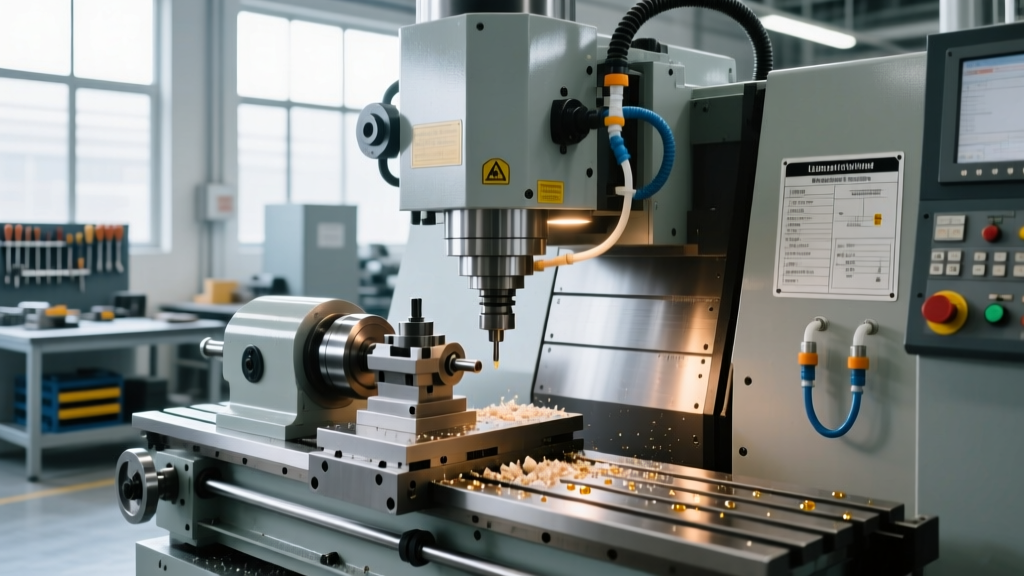
Machining aluminum alloys like 6061-T6 and 7075-T6 presents a unique set of mechanical and thermal challenges that directly accelerate wear on specific parts of a cnc machine. Unlike steel or titanium, aluminum produces stringy, highly abrasive chips that easily wrap around moving components. Furthermore, the high spindle speeds (12,000 to 24,000 RPM) required for aluminum milling generate intense localized heat, while the aggressive use of high-pressure through-spindle coolant (TSC) washes away vital lubrication. Neglecting the unique maintenance requirements of an aluminum-dedicated CNC mill—such as a Haas VF-2SSYT or a Brother Speedio S1160X1—will result in catastrophic spindle taper degradation, way cover failure, and coolant rancidity. This guide details the exact maintenance protocols required to protect your equipment investment.
WARNING: The Lapping Compound EffectAluminum fines are microscopic and highly abrasive. When these fines mix with residual spindle oil, they form a microscopic lapping compound. Blowing out a spindle taper with compressed air often forces this compound deeper into the spindle bearings, permanently scoring the ceramic or steel races.
Spindle Taper and Bearing Seal Maintenance
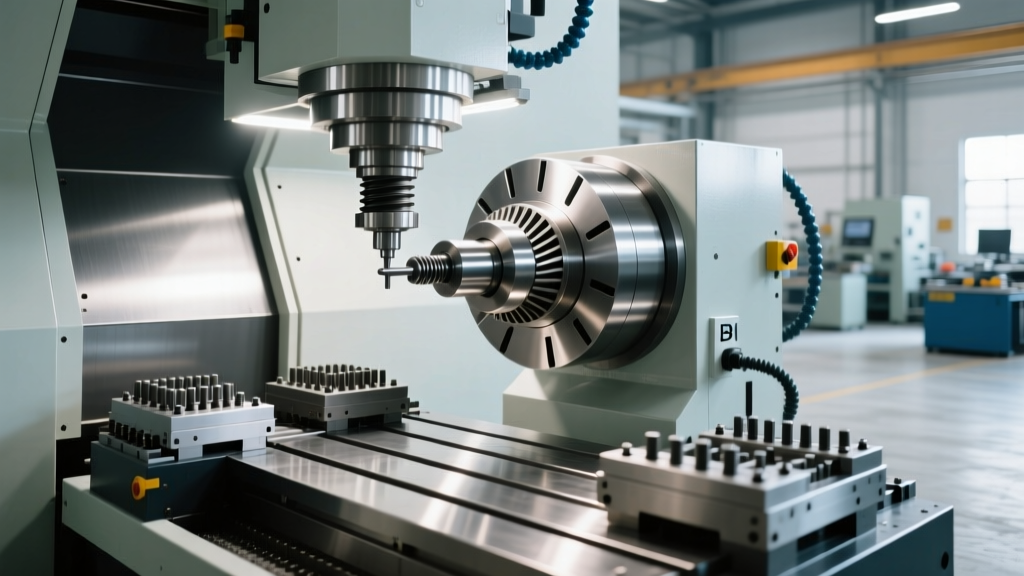
The spindle is the most expensive component on any machining center, with replacement cartridges for 15,000+ RPM direct-drive spindles costing between $14,000 and $22,000. In aluminum machining, the primary failure mode is not thermal overload, but Built-Up Edge (BUE) transfer and particulate scoring.
Taper Cleaning Protocol
Standard shop air is strictly prohibited for cleaning HSK-A63 or CAT40 tapers in an aluminum environment. The correct procedure requires a lint-free microfiber cloth dampened with 99% isopropyl alcohol. Operators must manually wipe the internal taper of the spindle and the mating surface of the tool holder pull studs every 4 hours during high-volume production runs. This removes the aluminum oxide layer that transfers from the cutting tool shank to the spindle nose.
Air Purge and Labyrinth Seals
High-speed spindles utilize an air purge system to create positive pressure at the labyrinth seals, preventing coolant and aluminum swarf from entering the bearing housing. Maintenance technicians must verify the air purge pressure weekly using a digital manometer. For most DMG MORI and Haas high-speed spindles, the purge pressure must read exactly 0.5 to 1.2 PSI above ambient atmospheric pressure. A drop below 0.4 PSI indicates a clogged sintered bronze filter in the air line, which must be replaced immediately to prevent aluminum dust ingestion.
Telescopic Way Covers and Wiper Selection
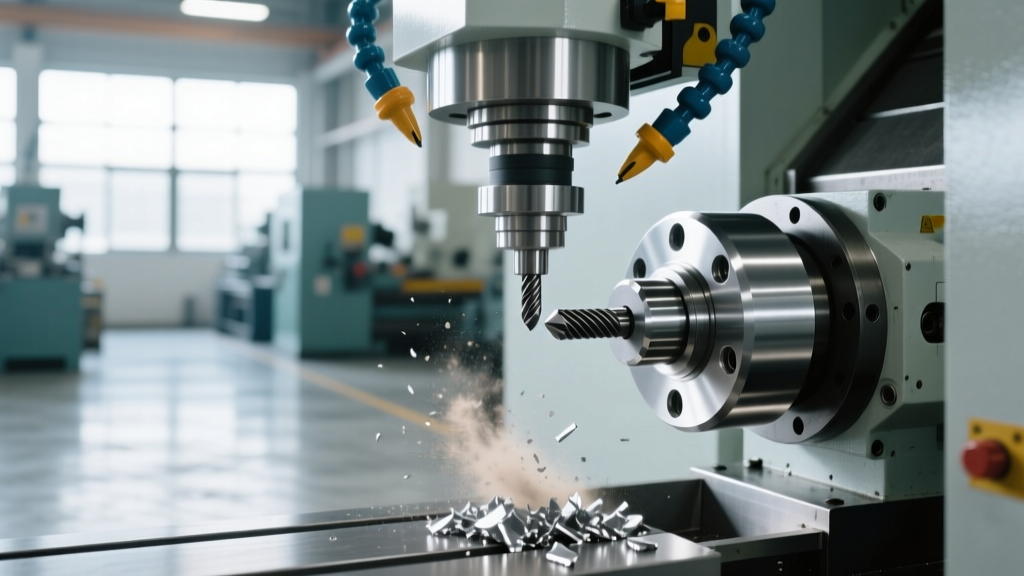
Aluminum chips are notoriously stringy and sharp. Standard nitrile rubber wipers, which perform adequately in cast iron or steel applications, are easily sliced and torn by aluminum swarf. Once a wiper is compromised, sharp chips slide under the telescopic way covers, jamming the precision linear guides and scoring the ball screws.
| Wiper Material | Aluminum Penetration Resistance | Lifespan in Aluminum Ops | Cost per Set |
|---|---|---|---|
| Standard Nitrile Rubber | Poor (Easily sliced) | 3 - 6 Months | $150 - $250 |
| Polyurethane (90A Shore) | Excellent (Deflects sharp chips) | 18 - 24 Months | $350 - $500 |
| Brass / Phosphor Bronze Scrapers | Superior (Heavy-duty scraping) | 36+ Months | $800 - $1,200 |
For machines dedicated to aluminum, upgrading to 90A Shore Polyurethane wipers or installing secondary brass scraper blades on the X and Y axes is a mandatory preventative measure. Additionally, the way cover bellows must be extended fully once a week to clear accumulated stringy chips that wrap around the internal scissor mechanisms.
Coolant Filtration and Concentration Management
Aluminum machining requires heavy flood coolant or high-pressure TSC (700 to 1,000 PSI) to evacuate chips from deep cavities and prevent chip re-welding. This aggressive fluid delivery accelerates tramp oil contamination and breaks down coolant emulsions. According to Master Fluid Solutions maintenance guidelines, improper coolant management leads to aluminum staining (oxidation) and rapid tool wear.
Filtration Micron Ratings
Standard 40-micron paper band filters are entirely insufficient for aluminum. The soft metal generates sub-micron fines that pass through paper filters, recirculate through the high-pressure pump, and erode the ceramic plungers inside the TSC pump. Aluminum-dedicated CNCs must be equipped with 10-micron to 15-micron centrifugal separators or vacuum drum filters. Centrifuges are highly recommended as they do not require consumable filter media, reducing annual filtration costs by up to $4,000 per machine.
Concentration and pH Control
Aluminum is highly reactive to alkaline environments. If the coolant pH rises above 9.2, the fluid will chemically attack the aluminum workpiece, leaving white, powdery oxidation stains. Conversely, if the pH drops below 8.5, bacteria proliferation causes rancidity. Maintenance staff must use a digital refractometer daily to maintain an exact concentration of 8.0% to 9.5%. Do not rely on visual sump checks; the high volume of suspended aluminum fines will make the coolant appear opaque and falsely concentrated.
Pro Tip: Tramp Oil SkimmingAluminum machining generates high heat at the cutting edge, which transfers back into the spindle and hydraulic systems, increasing tramp oil leaks. Install an automated belt skimmer running on a 24-hour timer to continuously remove way lube and hydraulic oil from the coolant sump, preventing the aluminum fines from binding with the oil to create a thick, abrasive sludge.
Servo Motors and Energy Chain (E-Chain) Integrity
Unlike steel chips, which fall away from the machine, aluminum swarf is highly conductive and easily blown into the machine's electrical enclosures and cable carriers by air blasts. If aluminum dust infiltrates the X and Y-axis servo motor connectors, it bridges the electrical contacts, causing intermittent encoder faults and servo drive alarms.
Inspect the e-chain (energy chain) guiding the servo and encoder cables every 30 days. Ensure that the internal dividers are intact and that the cables have the manufacturer-specified 10% to 15% slack. Replace any e-chain links that show stress fractures from the constant acceleration and deceleration typical of high-speed aluminum contouring. Furthermore, verify that the positive-pressure air seals on the main electrical cabinet are functioning; a failed cabinet filter allows conductive aluminum dust to settle directly onto the servo drive circuit boards, leading to short circuits that cost upwards of $6,000 to replace.
The 2026 Preventative Maintenance Matrix for Aluminum CNCs
Implementing a rigid, documented schedule is the only way to mitigate the unique wear patterns caused by aluminum machining. Below is the definitive maintenance matrix for high-speed aluminum machining centers.
| Interval | Target Component | Action Required | Specification / Metric |
|---|---|---|---|
| Daily | Coolant Sump | Check concentration and pH levels | 8.0% - 9.5% Conc. / 8.5 - 9.0 pH |
| Daily | Spindle Taper | Wipe with 99% isopropyl alcohol | Zero visible aluminum oxide transfer |
| Weekly | Spindle Air Purge | Measure positive pressure at labyrinth seal | 0.5 to 1.2 PSI above ambient |
| Weekly | Way Covers & Bellows | Fully extend axes to clear stringy chips | Inspect polyurethane wipers for slicing |
| Monthly | TSC Pump & Filters | Clean centrifuge bowl or replace drum filter | Maintain 10-15 micron filtration rating |
| Monthly | Servo Cable E-Chains | Inspect for aluminum dust ingress and slack | 10-15% cable slack; intact dividers |
| Bi-Annually | Linear Guide Blocks | Purge and re-pack with synthetic grease | Mobilith SHC 220 (High washout resistance) |
| Annually | Ball Screw Thrust Bearings | Check axial play with dial indicator | Maximum 0.003mm (0.0001 in.) backlash |
Adhering to this matrix ensures that the unique abrasive and thermal properties of aluminum do not prematurely destroy the precision components of your machining center. By upgrading wiper materials, enforcing strict coolant micron filtration, and eliminating compressed air from spindle cleaning procedures, shops can easily extend the operational lifespan of high-speed CNC assets by 40% or more, securing maximum return on investment in high-volume aerospace and automotive production environments.